PeakMetrics / Fact Checks
Has this been
fact-checked?
Paste a claim or upload an image to find existing fact checks. See what fact-checkers found and read the evidence before you share.
Search fact checks ↓API & integrations ↗Browse by topic
Explore fact checks by subject.
Search fact checks
Search by text or imageLatest fact checks
98,211 published reviews
Ces deux photos montrent un âne peint aux couleurs d'Israël être lapidé à mort puis incendié (par des Palestiniens).
Publisher’s rating: Les deux images ne montrent pas le même âne. L'une a été photographiée en 2011 en Cisjordanie, et l'autre en 2014 dans la bande de Gaza. Selon les informations disponibles, l'âne mort a été tué dans une frappe israélienne.
The claim links two photos to one episode: an Israeli-flag-painted donkey is allegedly stoned to death and then set on fire by Palestinians. The investigation found that the images show different animals, photographed years apart and in different places, rather than a sequence documenting one event. It also found no support for the suggestion that the burning was retaliation against Israel. The review traced the images through reverse image searches and identified versions of both on Getty Images. It located the painted-donkey photo to Kafr Qaddum in the West Bank on September 23, 2011. Getty’s caption described the donkey as painted in the colors of the Israeli flag during a demonstration supporting the Palestinian Authority’s bid for UN membership. The second image was dated August 6, 2014, in Rafah, Gaza, more than 130 kilometers from Kafr Qaddum. According to the caption for the Rafah image, Palestinians burned the donkey after it had been killed in an Israeli strike a few days earlier. The review says it could not find other photos of that animal, but notes that Israel had heavily bombarded Rafah in early August 2014 and that other Getty images placed the photographer in Rafah on the day the donkey photo was taken. This evidence supports separate origins for the photos and contradicts the claim that they show the same donkey being killed and burned by Palestinians.
സംസ്ഥാനത്ത് വീടുകളിലെ കിണറുകള്ക്ക് കരം ഈടാക്കാന് സംസ്ഥാന സര്ക്കാര് തീരുമാനിച്ചു
Publisher’s rating: FALSE

'Functioning' judiciary bars ICC from probing PHL
Publisher’s rating: Misleading
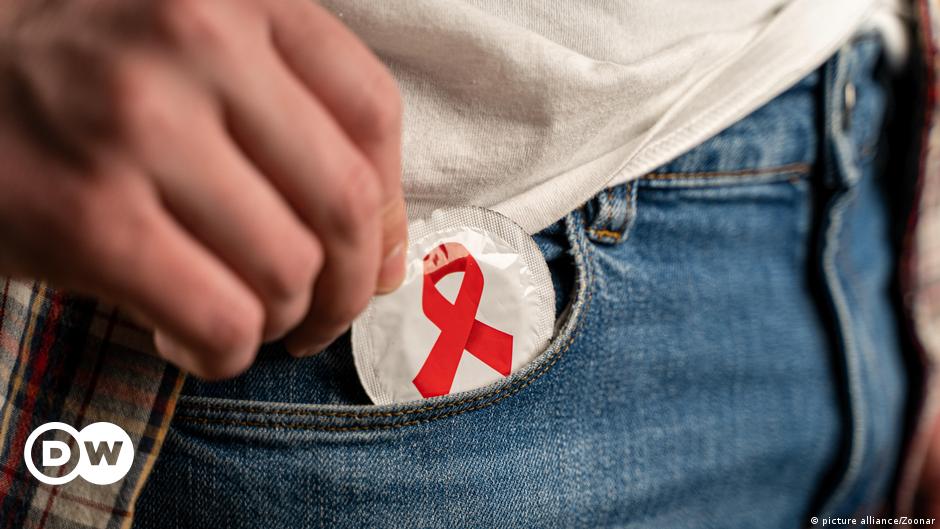
Noch immer ist die Ansicht verbreitet, dass man einer Person eine HIV-Infektion ansehen kann. Damit verbunden ist zum Beispiel die Vorstellung, eine infizierte Person sei abgemagert. In sozialen Netzwerken teilen sehr dünne Menschen die Erfahrung wegen ihres Körperbaus gefragt zu werden, ob sie HIV-positiv seien. Und HIV-Positive berichten davon, dass sie wiederholt zu hören bekommen, sie sähen gar nicht so aus, als hätten sie HIV.
Publisher’s rating: false

Zelensky est apparu dans une campagne de sensibilisation contre la drogue diffusée à New York.
Publisher’s rating: Zelensky est apparu dans une campagne de sensibilisation contre la drogue diffusée à New York.

This photograph of a giant horse is from 1910
Publisher’s rating: FALSE
The claim concerns a photograph showing a very large horse with four men, circulated as an image taken in 1910. FACTLY reports that its investigation found the same photograph on the Facebook page Vigour Graphics, where it had been posted on 1 April 2023 and identified as AI-created. That provenance conflicts with the image being an authentic photograph from 1910: the review describes the circulated image as an AI-generated creation, not a historical photograph. The review also points to a visual irregularity in the image: the fingers of the third person from the right appear abnormally long. It used Hive Moderation, a tool described as detecting AI-generated content, and reports that the tool estimated the image was 71.4% likely to be AI-generated. These observations support the conclusion, though the tool result is expressed as a likelihood rather than definitive proof on its own. As historical context, FACTLY compared the claimed horse with the tallest horse documented in the Guinness World Records. The review identifies Sampson, later renamed Mammoth, as a Shire gelding foaled in 1846 and says he measured 21.2½ hands (2.19 m, or 7 ft 2.5 in) in 1850. The record does not authenticate the viral image; the central evidence against the 1910 claim is the image’s AI provenance and the review’s examination of its visual features.

2023 తెలంగాణ అసెంబ్లీ ఎన్నికలలో కాంగ్రెస్ ఒడిపోతుందని రేవంత్ రెడ్డి మీడియా ముందు ఒప్పుకున్న వీడియో
Publisher’s rating: FALSE

Deze foto's tonen hoe Palestijnen een ezel beschilderen met de Israëlische vlag, stenigen en in brand steken.
Publisher’s rating: De foto's tonen twee verschillende ezels. De ene ezel is op de Westelijke Jordaanoever gefotografeerd in 2011, de andere in de Gazastrook in 2014. De dode ezel zou zijn omgekomen bij een Israëlische luchtaanval.
The viral collage is presented as evidence that Palestinians painted an Israeli flag on a donkey and then stoned and burned the animal. The investigation finds that the two photographs show different donkeys, photographed in different places and years; they are not images of one animal undergoing the sequence implied by the collage. For the painted donkey, the review traced the image to Getty Images and reports that it was taken on 23 September 2011 in Kafr Qaddum, a village in the West Bank. It describes the caption as showing a demonstration on the day of the Palestinian application for UN membership. The review says that reverse image searching led to the image, and that several photo agencies also dated it to that same day. The other image was traced to Getty Images and dated 6 August 2014 in Rafah, Gaza. Its caption describes a donkey that was set on fire after it had died in an Israeli bombardment a number of days earlier. Thus, the collage combines separate images from separate events; the evidence does not support its portrayal of Palestinians burning the flag-painted donkey.
Der Glaube, sich leicht im Alltag anstecken zu können, ist noch sehr verbreitet. Das zeigt sich beispielsweise in Studien. In verschiedenen Ländern wurden Teilnehmende gefragt: "Würden Sie frisches Gemüse von einem Ladenbesitzer kaufen, wenn sie wüssten, diese Person hat HIV?" In Indonesien beispielsweise antworteten im Jahr 2017 (zuletzt verfügbare Daten) 62,6 Prozent der befragten 15- bis 49-Jährigen mit Nein. Asep Eka Nur Hidayat, Leiter des Länderprogramms für Indonesien von der internationalen Nichtregierungsorganisation AIDS Healthcare Foundation (AHF), schreibt der DW: Das Bewusstsein für HIV/Aids steige zwar. Aber "ein Teil der indonesischen Bevölkerung ist immer noch nicht darüber informiert, wie HIV übertragen wird" und glaube: Man kann sich leicht mit HIV infizieren.
Publisher’s rating: falsch
The claim links widespread fear of catching HIV through ordinary contact to survey responses, including the finding that 62.6 percent of surveyed Indonesians aged 15–49 in 2017 said they would not buy fresh vegetables from a seller known to have HIV. It also quotes Asep Eka Nur Hidayat saying some people in Indonesia remain uninformed about how HIV is transmitted. The DW review includes these details, but assesses the broader assertion that HIV can be caught easily in everyday life—not whether the survey figure is accurate or whether the quoted remarks were made. [S1: “In Indonesien beispielsweise antworteten im Jahr 2017 (zuletzt verfügbare Daten) 62,6 Prozent der befragten 15- bis 49-Jährigen mit Nein.”; “ein Teil der indonesischen Bevölkerung ist immer noch nicht darüber informiert, wie HIV übertragen wird”] To assess transmission, the review cites Adrian Puren, director of South Africa’s National Institute for Communicable Diseases, who identifies sexual transmission as the main route, alongside exposure to infected blood and transmission from mother to child. It also cites the US CDC on which bodily fluids can transmit HIV and WHO guidance that everyday contacts do not. On that evidence, the review rejects the idea that ordinary social contact—such as sharing food or water—spreads HIV. The survey response may indicate stigma or reluctance to buy from a person with HIV, but by itself it does not establish that HIV spreads through everyday contact. [S1: “Der hauptsächliche Weg, sich anzustecken, ist die sexuelle Übertragung, in anderen Worten: enger sexueller Kontakt” ; “Der dritte relevante Weg ist laut Puren die Ansteckung von Mutter zu Kind.”; “Die Weltgesundheitsorganisation betont, man könne sich nicht anstecken durch alltägliche Kontakte: Etwa Händeschütteln, Umarmungen, Küsse oder wenn man sich Gegenstände, Essen oder Wasser teilt.”]

یوفا باشگاه سلتیک را به خاطر نمایش پرچم فلسطین جریمه کرده است
Publisher’s rating: نادرست

Vrijspraak voor 8 migranten die 15-jarig meisje verkrachtten in Duits stadspark.
Publisher’s rating: Negen van de tien verdachten werden tot gevangenisstraffen veroordeeld. Een dader moet naar de gevangenis, in andere gevallen zijn de straffen voorwaardelijk of wordt later besloten of er sprake zal zijn van een gevangenisstraf.
The claim says eight migrants were acquitted in a case involving the rape of a 15-year-old girl in a German city park. The review addresses the matching case: a group rape in Hamburg’s city park in September 2020, followed by a trial concerning the incident. Its account contradicts the claim’s central assertion that eight defendants were acquitted: on 28 November, Hamburg’s regional court convicted nine young men, while one defendant was acquitted at that proceeding and another had been acquitted earlier, on 5 April. The review specifies the outcomes for the nine convicted men. One 19-year-old received a prison sentence of two years and nine months without suspension. Four others received suspended sentences of up to two years. The remaining four received a German juvenile-law arrangement called “Vorbewährung”: the court deferred setting their sentences until after a six-month probationary period, when it would decide the sentence. Thus, deferred sentencing for those four was not an acquittal, and the review reports no acquittal of the eight men described in the claim. The review says the case concerned a girl who was very drunk and whom several groups of men took into bushes and had sex with against her will. It also notes an evidentiary qualification: semen containing DNA from the convicted men was found on the girl, but the review says there was no direct evidence of rape or signs of violence. The court nevertheless found the men guilty, applying the legal rule that sexual acts can be criminal when a victim is unable to express a will or consent. The supplied review does not identify the men as migrants, so that part of the claim is not established by this excerpt.

Julianne Kissinger, an American model and social media personality, has a beautiful daughter who is 12 years old. The details on the baby’s father are not exclusive to the press.
Publisher’s rating: Julianne Kissinger, an American model and social media personality, has a beautiful daughter who is 12 years old. The details on the baby’s father are not exclusive to the press.
[...] Reino Unido hoje faz uma indenização pra quem é vítima de vacina [da Covid]
Publisher’s rating: Rating unavailable
Where the data comes from
Fact checks come from Data Commons and link to the organizations that published them.
What you’ll find
Each result links to the original fact check. Open it to read the publisher’s findings, with summaries and supporting sources where available.
Report an error
To report an error, send the page URL and supporting evidence.