PeakMetrics / Fact Checks
Has this been
fact-checked?
Paste a claim or upload an image to find existing fact checks. See what fact-checkers found and read the evidence before you share.
Search fact checks ↓API & integrations ↗Browse by topic
Explore fact checks by subject.
Search fact checks
Search by text or imageLatest fact checks
98,211 published reviews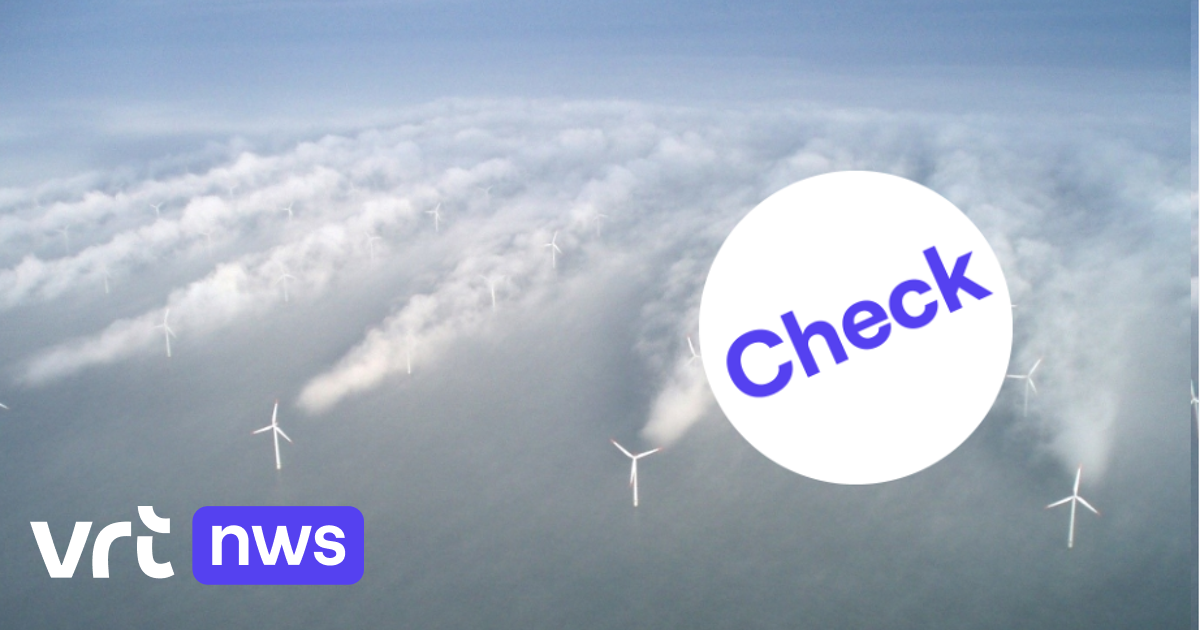
Windturbineparken in de Noordzee kunnen voor hevige buien en zelfs overstromingen in het binnenland zorgen.
Publisher’s rating: Eerder onwaar
The review examines the claim that North Sea wind farms mix atmospheric layers in a way that sends rain inland, potentially causing intense showers and flooding. It reports that the authors found no research demonstrating this effect. The meteorologists and researchers cited regard large-scale inland impacts as unlikely or negligible; the review distinguishes that allegation from smaller, local effects around turbines and wind farms. The review explains that turbines can mix air and affect local conditions, but cites Johannes Quaas of the University of Leipzig for an effect limited to a few hundred metres from a wind farm. Meteorologist Frank Deboosere, associated with Belgium’s KMI, says linking inland showers to offshore turbines is nearly impossible and describes their effect on inland weather as negligible. The review also cites researchers from Utrecht and Wageningen who say showers occur mainly in the microclimate around wind farms, with coastal areas receiving less rain—not that intense rainfall is carried inland. The review’s conclusion is qualified: it says research is still needed on the broader climatic and ecological effects of offshore wind energy. But it distinguishes that open question from the specific claim of severe inland rain and flooding, noting that the studies it discusses do not report such an effect and that existing North Sea parks are too small to have a strong impact on local weather and climate.
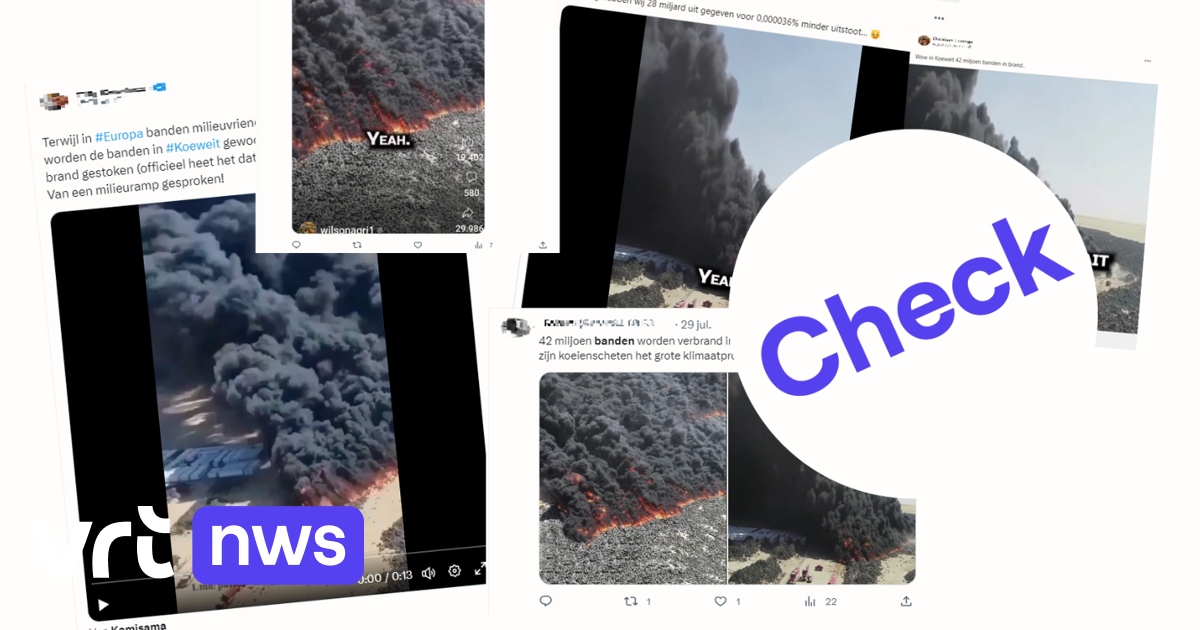
Dit zijn recente beelden van een opzettelijke brand op een bandenkerkhof in Koeweit.
Publisher’s rating: Eerder onwaar
De Israëlische vlag werd geprojecteerd op een evenementenhal in Las Vegas.
Publisher’s rating: Onwaar
Dit is een poster van het WEF over de stikstofvoetafdruk.
Publisher’s rating: Onwaar
Bacteriën groeien 2000 keer sneller in synthetisch textiel dan op katoen.
Publisher’s rating: Eerder onwaar
Italië heeft de Pride-maand afgeschaft en een maand ter ere van het traditionele gezin ingevoerd.
Publisher’s rating: Onwaar

Deze foto toont Palestijnse slachtoffers van het recente conflict tussen Israël en Hamas.
Publisher’s rating: Onwaar
Dit is een video van dode koeien die gestorven zijn door toediening van een coronavaccin.
Publisher’s rating: Onwaar
De Ierse overheid verspreidde een flyer die stelt dat Ierse meisjes ‘s avonds binnen moeten blijven.
Publisher’s rating: Onwaar

Zonnecrème is kankerverwekkend en door zonnecrème neem je niet genoeg vitamine D op.
Publisher’s rating: Onwaar

De ontevredenheid met het beleid voor elk bestuursniveau is groter dan ooit.
Publisher’s rating: Onwaar
De CO2-uitstoot bij de productie van elektrische auto’s ligt 70 procent hoger dan bij een benzinewagen.
Publisher’s rating: Eerder onwaar
Het World Economic Forum (WEF) en de Israëlische historicus Yuval Noah Harari hebben gezegd dat ze complotdenkers willen bannen en elimineren.
Publisher’s rating: Geen bewijs
Dit is een foto van een overleden Palestijns kind dat onlangs in Gaza door het Israëlische leger is gedood.
Publisher’s rating: Onwaar
Where the data comes from
Fact checks come from Data Commons and link to the organizations that published them.
What you’ll find
Each result links to the original fact check. Open it to read the publisher’s findings, with summaries and supporting sources where available.
Report an error
To report an error, send the page URL and supporting evidence.