PeakMetrics / Fact Checks
Has this been
fact-checked?
Paste a claim or upload an image to find existing fact checks. See what fact-checkers found and read the evidence before you share.
Search fact checks ↓API & integrations ↗Browse by topic
Explore fact checks by subject.
Search fact checks
Search by text or imageLatest fact checks
98,211 published reviews
Fluoride in tandpasta is giftig en zorgt voor gezondheidsproblemen.
Publisher’s rating: Onwaar

Margarine is schadelijk voor de gezondheid, roomboter is een beter alternatief.
Publisher’s rating: Geen bewijs
Politieke partij Groen vindt piano’s racistisch en wil daarom minder zwarte pianotoetsen.
Publisher’s rating: Onwaar
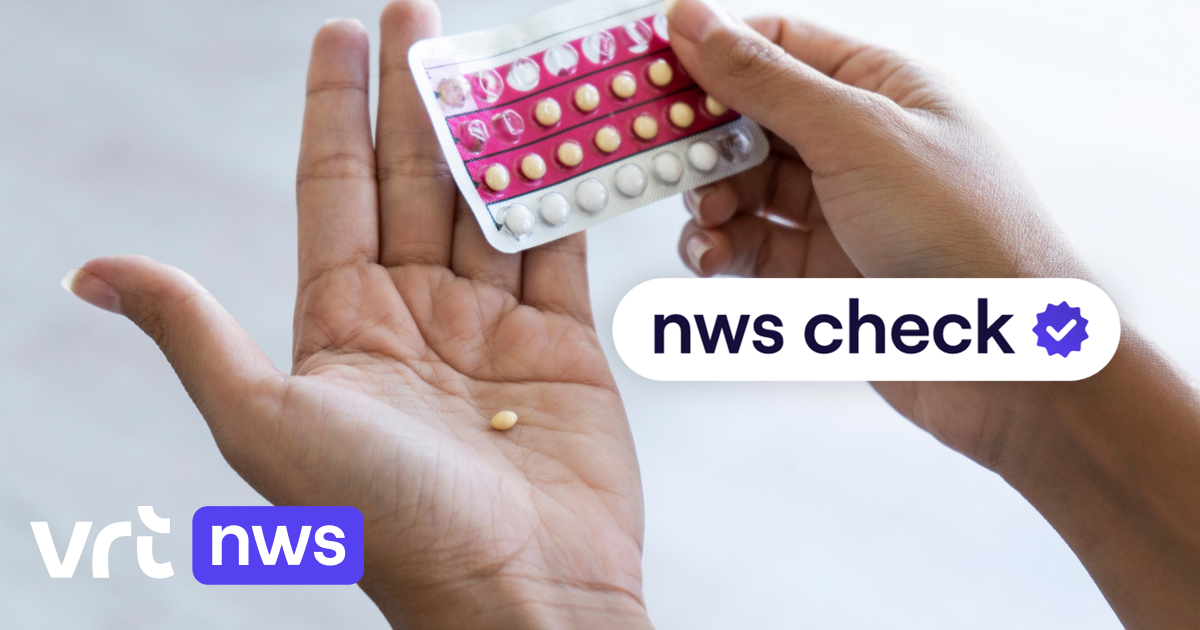
Wie een lange vliegtuigvlucht neemt én bovendien anticonceptiepillen neemt, heeft meer kans op een trombose.
Publisher’s rating: Waar
The review examines a TikTok claim that taking contraceptive pills while on a long flight raises the chance of thrombosis. It concludes that the claim is true, but stresses that the increase is limited and the overall risk remains small. The review describes prolonged sitting as a risk factor for anyone, and says that it can combine with the added risk from contraceptive pills containing both estrogen and progestogen. To assess the claim, the review draws on studies and expert comments, including statements from vascular surgeon Marc Vuylsteke and specialists Monika Laubach and Thomas Vanassche. It reports that long periods of sitting can slow blood flow, and that flight conditions may add to the risk. Vuylsteke confirms that the combination of a long flight and the pill raises risk, while noting that exact data for that combined risk are unavailable. Vanassche says risk factors can reinforce one another but cautions against interpreting this as a reason to skip the pill. The review’s conclusion is qualified: the risk is not presented as large, and the advice is to move around during a long flight. It says the increased pill-related risk applies especially to combined pills containing estrogen and progestogen; pills containing only progestogen are described as not carrying an increased risk. The review also notes that the evidence does not establish an exact combined-risk estimate, so its conclusion is about increased likelihood, not a precise prediction for an individual traveller.

Het tweede boostervaccin tegen covid-19 is enkel getest op acht muizen.
Publisher’s rating: Onwaar
De Amish in Amerika hebben groepsimmuniteit bereikt tegen covid-19.
Publisher’s rating: Geen bewijs
Katy Perry’s oogprobleem in deze video is een bijwerking van het coronavaccin.
Publisher’s rating: Geen bewijs

Je kan advertenties op Facebook vermijden door dit bericht zelf te kopiëren en delen.
Publisher’s rating: Onwaar
Dit is een echte video van een windturbine die verwoest wordt door een storm.
Publisher’s rating: Onwaar

Vlaanderen betaalt sinds kort meer lidgeld aan het WEF.
Publisher’s rating: Waar
Met je gsm op het toilet zitten kan leiden tot aambeien.
Publisher’s rating: Eerder onwaar
Deze video toont een half miljoen vluchtelingen die op weg zijn van Libië naar Italië.
Publisher’s rating: Onwaar

Deze foto toont twee potvissen die werden gedood door windturbines.
Publisher’s rating: Onwaar
Deze raketten, gemaakt door Hamas, werden betaald met westerse hulp.
Publisher’s rating: Geen bewijs
Where the data comes from
Fact checks come from Data Commons and link to the organizations that published them.
What you’ll find
Each result links to the original fact check. Open it to read the publisher’s findings, with summaries and supporting sources where available.
Report an error
To report an error, send the page URL and supporting evidence.