PeakMetrics / Fact Checks
Sports fact checks
Explore claims publishers have checked about sports. Read their original ratings and follow the evidence.
Search fact checks
Search by text or image1,766 published reviews in this topic

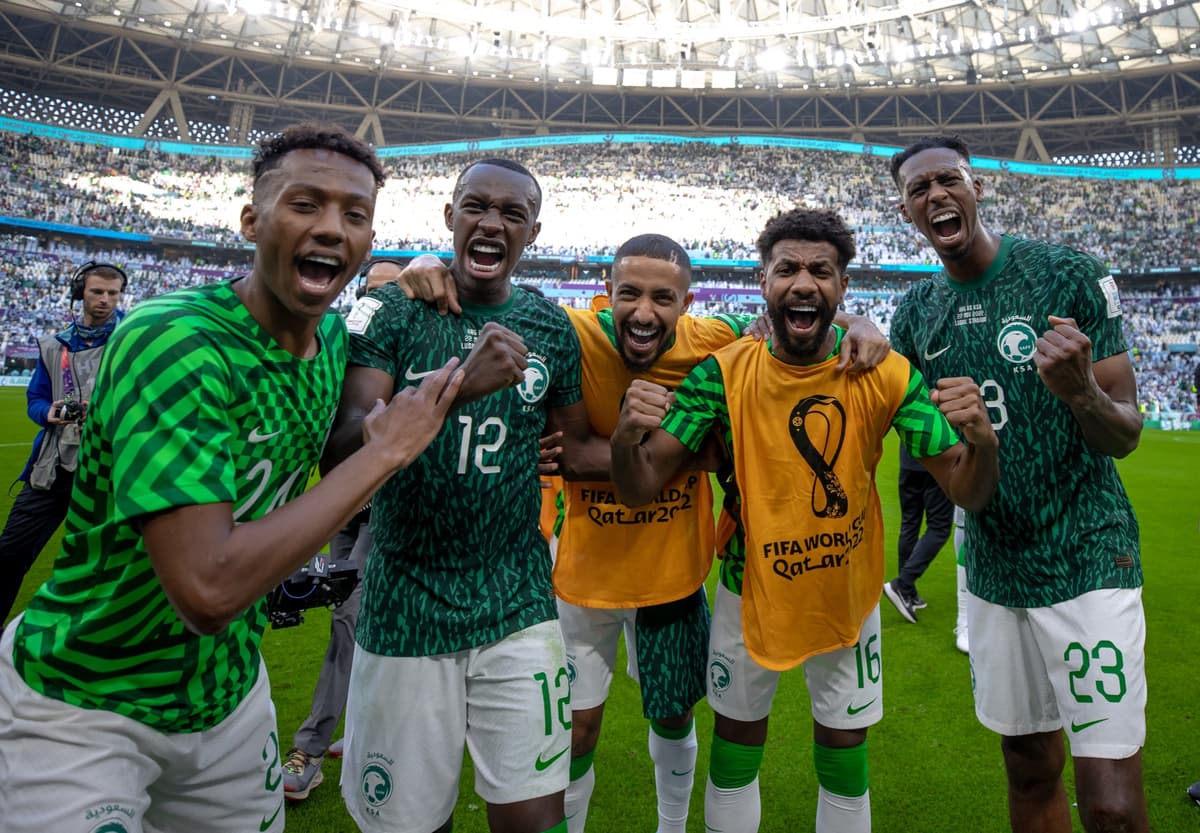
Saudi Prince Mohammed bin Salman Al Saud promised each Saudi Football player a Rolls Royce car for defeating Argentina in the FIFA World Cup 2022
Publisher’s rating: FALSE
The claim concerns Saudi Arabia’s victory over Argentina in the FIFA World Cup on 22 November 2022. It alleged that Crown Prince Mohammed bin Salman promised each Saudi player a Rolls Royce for the win. FACTLY reports that news websites had published stories about such a promise, but says that Saudi players and team officials denied the reports. The review describes a press conference before Saudi Arabia’s match against Poland on 26 November. Player Saleh Alshehri rejected the car rumours, saying: “We are here to serve our country and do the best. So, that’s our biggest achievement.” Head coach Herve Renard also denied that the royal family had promised players Rolls Royces, according to the review. FACTLY adds that the Saudi government had issued no public statement announcing cars as gifts. It says it emailed the Ministry of Sports for clarification and would update the article if it received a response. On the evidence reported, the review concludes that the promised cars were a rumour, not a confirmed reward.

Saudi Arabia players to get a Rolls-Royce each for defeating Argentina.
Publisher’s rating: Fake
അര്ജെന്റീനയെ തോല്പ്പിച്ച സൗദി അറേബിയന് ഫുട്ബോള് ടീമിന് സൗദി രാജകുമാരന് റോള്സ് റോയ്സ് പാരിതോഷികം
Publisher’s rating: FALSE
Wow check this out.. crowd singing song for #Palestinians 😍😍😍😍😍 in #FifaWorldCup2022 #Qatar
Publisher’s rating: Fake

Recent photo of beer cans masked as Pepsi soft drink cans by football fans to smuggle beer into Qatar during the FIFA World Cup 2022
Publisher’s rating: FALSE
The claim concerns a photo said to show football fans disguising beer cans as Pepsi cans to smuggle them into Qatar during the 2022 FIFA World Cup. FACTLY examined that specific photo and reports that it was not connected to the tournament: it was an older image from a beer seizure in Saudi Arabia in 2015. The review describes using Google Reverse Image Search to trace the image. That search found the same photo in a 2015 Al Arabiya News article. As quoted by FACTLY, that article reported that a smuggler tried to take nearly 48,000 beer cans disguised as Pepsi cans into Saudi Arabia across the Al Batha border crossing with the UAE. This provenance identifies a different country, border crossing, and year from the Qatar World Cup claim. FACTLY also mentions separate reports about a Mexico fan allegedly trying to sneak beer into a Qatar stadium inside binoculars. That is a different alleged incident and does not establish that the beer-can photo was taken in Qatar. The review’s evidence instead traces the image to the 2015 Saudi Arabian seizure.
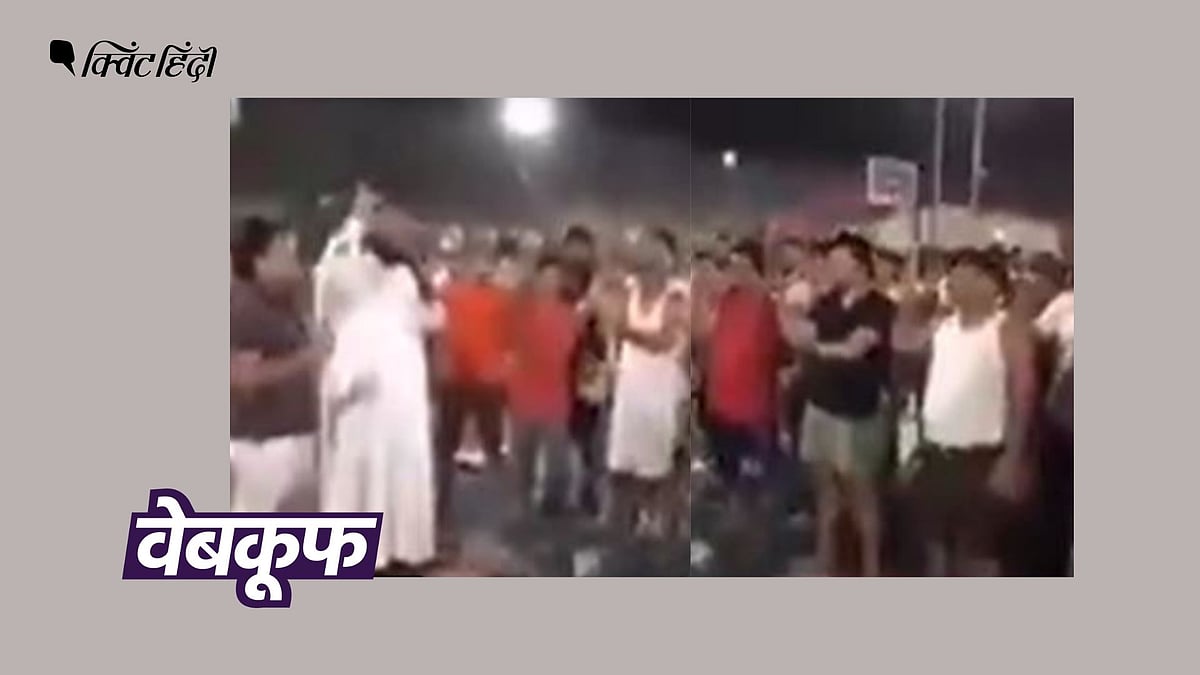
फीफा वर्ल्ड कप 2022 में एक साथ कई लोगों के इस्लाम कुबूल करने का वीडियो
Publisher’s rating: FALSE
الدنمارك شاركت في كأس العالم 1982 وكانت مع البرازيل وبولندا والمكسيك في مجموعة واحدة
Publisher’s rating: سخرية
In Qatar fans who are not allowed to enter the stadium with beer at the World Cup are being caught trying to enter the stadium with Pepsi stickers in this form. It should be noted that Qatar prohibits any alcoholic beverages. Brazilians have find a way to enter the stadium of Qatar with beer. #FIFAWorldCup #Argentina
Publisher’s rating: Fake

यह घटना फीफा विश्व कप के दौरान की है। कहा जा रहा है कि फीफा विश्व कप के दौरान अज़ान शुरू होने पर मैच को रोका गया।
Publisher’s rating: False

भारत की बेटी पूजा तोमर के “मिक्सड मार्शल आर्ट में विश्व चैंपियन बनने” पर उनको, उनके पुरे परिवार को और सभी देश वासियों को हार्दिक शुभकामनाएं व बधाई
Publisher’s rating: Missing Context

Neymar: AS COMEMORAÇÕES DOS GOLS DEVERIAM SER TODAS ASSIM! #BrazilWas Tolen O ladrão (Lula) não sobe a rampa
Publisher’s rating: Falso

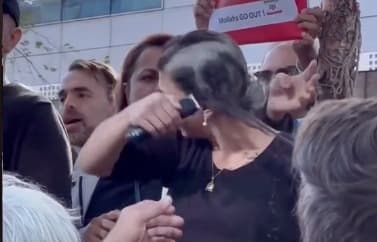
صحفية إيرانية تشجع المنتخب الأرجنتيني وتعهدت بحلق شعرها بالكامل في حال خسارته أمام المنتخب السعودي
Publisher’s rating: تضليل


Women was booked in Qatar for breaking FIFA regulations
Publisher’s rating: FALSE
The review traced the viral clip to a post published in 2021 and concluded it showed the UEFA Euro 2020 final, not an incident in Qatar. It also reported finding no media coverage of an arrest over the footage. [S1]

Video of burka clad women at FIFA World Cup Qatar 2022
Publisher’s rating: FALSE
The claim concerns a video said to show burka-clad women at the FIFA World Cup Qatar 2022. FACTLY reports that a reverse image search using keyframes from the circulating video led to an earlier post of the same video by the Russia-based Instagram account Khimarka. The review says that post was made on 03 September 2021 and describes the footage as women coming out of the Khimarka cloth store in Khasavyurt, Russia. That provenance places the footage before the 2022 World Cup and identifies a different setting from the one claimed. The review also notes that Qatar’s World Cup travel advisory did not prohibit visitors from wearing their clothing of choice, while asking people to cover shoulders and knees in public places such as museums and government buildings. This advisory is contextual information; the decisive evidence is the earlier posting and the identification of the location as a store in Russia. The supplied excerpt does not include further details about how the account or shop location was independently verified.

Le Qatar a refusé de recevoir l'équipe nationale allemande car leur avion affichait un slogan LGBT.
Publisher’s rating: Cette histoire est fausse. L’avion spécial affrété par la Lufthansa, sur lequel la phrase « Diversity Wins » (« La diversité l'emporte ») a été collée, a atterri plusieurs fois au Qatar, notamment pour y amener des supporters.