PeakMetrics / Fact Checks
Science & space fact checks
Explore claims publishers have checked about science & space. Read their original ratings and follow the evidence.
Search fact checks
Search by text or image1,577 published reviews in this topic
హిమాలయాల్లో 400 ఏళ్ళకు ఒకసారి వికసించే పగోడా/మహామేరు పువ్వు వీడియో
Publisher’s rating: FALSE
মঙ্গল গ্রহে গিয়ে পৃথিবীতে আর ফিরে আসবে না যে মেয়েটি, তিনি হলেন এলিজা কার্সন নাসার কনিষ্ঠতম সদস্য
Publisher’s rating: মিথ্যা
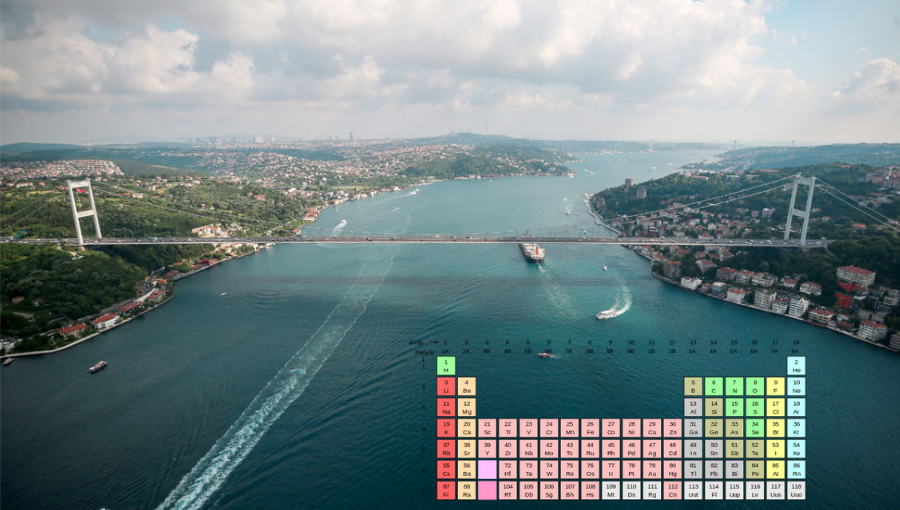
İstanbul Boğazı’nın altında contorium isimli bir maden olduğu iddiası
Publisher’s rating: Yanlış
ឆៃថាវចម្លែករូបរាងដូចជើងមនុស្សនៅជប៉ុន។
Publisher’s rating: Misleading
Video zeigt Folgen von Würmer-Regen in China.
Publisher’s rating: Falsch. Die vermeintlichen Würmer sind Pappel-Blüten.

දරු ප්රසුතියේදී වැඩියෙන්ම දුක් විඳින සත්වයා ඉත්තෑවන්ද ?
Publisher’s rating: Misleading
The review examines the claim that porcupine mothers experience the most pain during childbirth because their offspring have spines. It describes the social-media claim as saying that the mother suffers most because of the spines on her newborn’s body, and identifies the image circulating with the claim as showing a hedgehog. The article distinguishes porcupines from hedgehogs, while discussing both animals’ births. “පැටවුන් බිහි කිරීමේදී පැටවුන්ගේ සිරුරේ පෘෂ්ඨයේ කටු පැවතීම නිසා, වැඩියෙන්ම ප්රසූත වේදනාවක විඳින්නේ ඉත්තෑ මව බවයි.” “සමාජ මාධ්ය ඔස්සේ හුවමාරු වූ ඡායරුපයේ දැක්වෙන්නේ හෙජ්හොග් ඉත්තෑවෙක්.” To assess the idea that spines make birth especially painful, the review describes a birth at ZSL London Zoo: a hedgehog named Hetty gave birth in front of visitors. It reports that the newborn’s spines did not cause the mother special injury or added pain, because they were not yet firm. The article also says newborn spines are initially soft and become stronger and sharper after birth. “හෙටී නම් ඉත්තෑ මව විසින් එහිදී සත්වෝද්යානයේ සංචාරකයන්ද ඉදිරියේ සිය පැටවා ප්රසූත කළා.” “පැටවාගේ කටුවලින් මවට විශේෂ හානියක් හෝ අමතර වේදනාවක් ලැබුණේ නැහැ.” The review further reports consulting University of Peradeniya zoology professor G.L.L. Pradeepa Silva, who called the idea that porcupine birth is unusually painful a myth. It notes that pain cannot readily be ranked across all species and concludes that the evidence does not establish porcupines or hedgehogs as the animals with the most painful births. The article’s conclusion is narrower than a claim that birth is painless: it says these animals have adaptations that help limit harm and that cross-species ranking is difficult. “මහාචාර්ය G.L.L. ප්රදීපා සිල්වා ඇය පවසා සිටියේ ඉත්තෑවන්ගේ දරු ප්රසූතියේදී දැනෙන වේදනාව ඉහළ වීම පිළිබඳව මතය මිත්යා මතයක් බවයි.” “සෑම ජීවියෙකුම මෙහිදී ලබන වේදනාව අඩු හෝ වැඩි වශයෙන් වර්ග කිරීම අපහසුයි.”


Fotos muestran a “hombres gigantes” que vivieron en Ecuador y que llegaron a medir “7 metros de altura”.
Publisher’s rating: Falso
36,864 చ. కిమీ విస్తీర్ణంలో ఉండే ద్వారకా నగరం యొక్క సముద్రగర్భంలో కలిసిన పోయిన కట్టడాల యొక్క దృశ్యాలు
Publisher’s rating: MISLEADING
La NASA descubrió un “cementerio de fósiles de huesos” en Marte.
Publisher’s rating: Falso
The claim concerns a viral Facebook video showing reddish, rocky terrain and presenting it as a Martian “cemetery” of fossilized bones. The review reports that the video’s captions attributed the discovery to NASA scientists and described apparent skulls, jaws and vertebrae. The NASA response, obtained by email on March 14, 2023, said the agency had not found credible evidence of extraterrestrial life; it also said the scientific consensus is that present-day Mars is generally inhospitable to life as we know it. The review also investigated the images rather than relying only on the caption. Reverse-image searches on Google, Yandex and TinEye did not locate an exact match. Yandex results led to NASA image databases containing similar Mars-surface images, and the NASA/JPL-Caltech/MSSS credit visible in the video matched the credit for images captured by the Curiosity rover. NASA said the video appeared to be an example of space enthusiasts or image processors altering raw rover images, but could not confirm its origin or identify the exact frames. The review’s conclusion is that the video does not establish a fossil discovery: NASA said it had no credible evidence of extraterrestrial life, and the image provenance points to rover imagery that may have been altered. The review also notes that apparent bone-like shapes can have non-biological explanations, so visual resemblance alone does not show that fossils were found.
Collage of images showing a massive snake spotted in Switzerland
Publisher’s rating: FALSE
The claim concerns a collage circulating as images of a massive snake spotted in Switzerland. FACTLY’s review says the images instead show a snake-shaped rock formation in Naka, also called Naga, cave in Thailand. It states that the pictures do not depict a real giant snake and have no connection to Switzerland. To investigate the images, the review reports using reverse image search. That search found similar images in a Facebook post dated 29 May 2020, which described a giant snake-shaped structure in Naka cave in Thailand. The review also says it found similar images in articles from News 18, OTV and other news websites. The location identified in the review is Naka or Naga cave in Phu Langka National Park, in Bueng Kan province, Thailand. The investigation therefore distinguishes the rock formation shown in the collage from the claim that the images document a real snake in Switzerland.

วิดีโอดังกล่าวเป็นปรากฏการณ์ “ฝนตกเป็นหนอน” ที่ประเทศจีน
Publisher’s rating: False
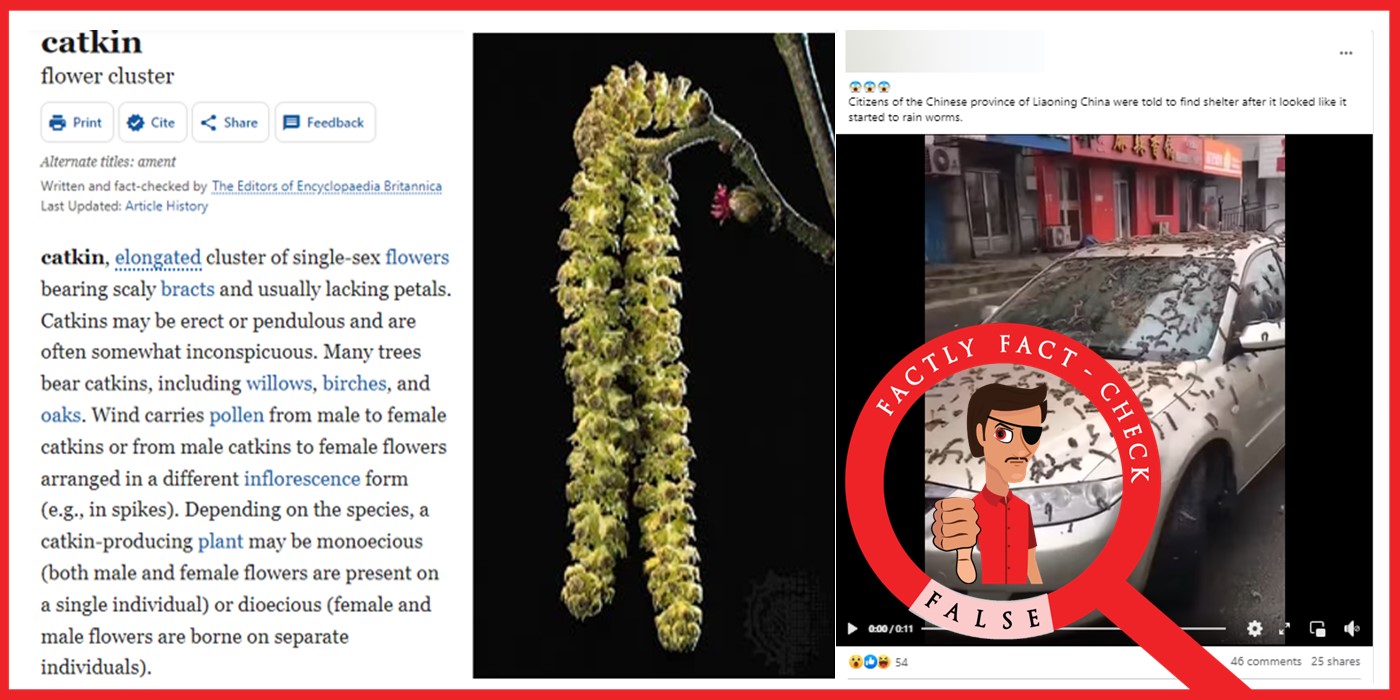
Visuals of worms raining in Chinese Province of Liaoning
Publisher’s rating: FALSE
The claim concerned a viral video said to show worms falling on cars in Liaoning Province, China. FACTLY’s review says it searched Chinese media outlets for reports of such a phenomenon and found none; it also found no announcements from Chinese authorities advising people to shelter because of raining worms. The review separately inspected the video rather than relying only on the absence of reports.

Rain of worms’ in China’s capital city of Beijing baffles people- WATCH. #TNShorts #Beijing #China #Worms
Publisher’s rating: Fake