PeakMetrics / Fact Checks
Religion & belief fact checks
Explore claims publishers have checked about religion & belief. Read their original ratings and follow the evidence.
Search fact checks
Search by text or image3,371 published reviews in this topic

Maulana and MP Shafiqur Rahman Barq performing Islamic rituals at Priyanka Gandhi’s wedding
Publisher’s rating: FALSE
The claim concerned a photo said to show a maulana and MP Shafiqur Rahman Barq performing Islamic rituals at Priyanka Gandhi’s wedding. The review’s conclusion was that the man pictured was neither of those people: it identified him as Pandit Iqbal Kishen Reu, who performed the marriage according to Kashmiri Pandit traditions. This directly contradicts the identification and role asserted in the post. [S1: “Fact: The man in the photo is neither a maulana nor MP Shafiqur Rahman Barq. He is Pandit Iqbal Kishen Reu, who performed the marriage of Priyanka Gandhi according to Kashmiri Pandit traditions.”] To investigate, the review says it tried a reverse-image search, searched for articles about the wedding, and looked for information about the priest’s identity. It reports that Daily O named Iqbal Kishan Reu as the family priest who performed the rites, while the Kashmiri Pandit Network described Pandit Iqbal Kishen Reu as a practising Kul Purohit who performed the marriage according to Kashmiri Pandit traditions. The review also reports that Alt News spoke to an ex-journalist who identified the man in the photo as Iqbal Kishan Reu, a Kashmiri Pandit. [S1: “In the ‘Daily O’ article, it was written that ‘the family priest, Iqbal Kishan Reu, performed the rites’. So, when searched with that name on Google, an article on the ‘Kashmiri Pandit Network’ website was found. In the article, it can be read that Pandit Iqbal Kishen Reu was a practising Kul Purohit and performed the marriage of Priyanka Gandhi with Robert Vadra according to Kashmiri Pandit’s traditions.”]
Menteri Agama Fachrul Razi tarik ucapannya soal pembatalan ibadah haji 2020
Publisher’s rating: Keliru


Speaking about a Bible photo op at St. John’s Church in Washington, D.C., "I think Christians think it was a beautiful picture."
Publisher’s rating: Many church leaders said Bible was used as a prop.

Video of Muslims taking oath in front of Rahul Gandhi against Hindus and Hinduism
Publisher’s rating: FALSE
The claim concerns a video said to show Muslims taking an oath against Hindus and Hinduism in front of Rahul Gandhi and Ghulam Nabi Azad. It also alleges that a speaker discusses demolishing India and establishing a Muslim kingdom. FACTLY identifies the footage as Rahul Gandhi’s 2016 visit to Kichaucha Sharif Dargah in Uttar Pradesh, rather than an oath-taking event: the review states, “The video was taken during Rahul Gandhi’s visit to Kichaucha Sharif Dargah (UP) in 2016.” To investigate the footage’s origin, FACTLY says it ran screenshots through Google Reverse Image Search and found a similar video uploaded by Samay Live in September 2016, titled “Rahul Gandhi visit to Kichaucha Sharif Dargah in Ambedkar Nagar.” The review also says it examined an extended version of the video and listened to the man speaking. Its account of that speech describes prayers for peace and for divisive forces to be defeated—not a call against Hindus or Hinduism. The review specifically concludes that the speaker “does not talk about Hindus or Hinduism” and that “nothing was mentioned regarding establishing a Muslim kingdom in India.” The review notes that news articles about Gandhi’s dargah visit did not report an oath against Hindus or Hinduism. That absence is supporting context, while the identification of the older dargah footage and the review’s account of the speaker’s words directly address the viral interpretation.
കൊറോണസംഹാര പൂജയുടെ വിവരം ചേര്ത്തുള്ള ക്ഷേത്രത്തിലെ വഴിപാട് വിവരപ്പട്ടിക
Publisher’s rating: FALSE

mages of Gautama Buddha statues unearthed during the excavations at Ram Janmabhoomi in Ayodhya
Publisher’s rating: MISLEADING
The review examined two images presented as showing Gautama Buddha statues found during excavations at Ram Janmabhoomi in Ayodhya. It distinguishes those images from other discoveries reported at the site: during the May 2020 excavations, remains described as ancient temples—including pillars and idols of deities—were found. That does not establish that the Buddha images came from those excavations. To check the images’ history, the review reports conducting reverse-image searches. It traced the first image to a user’s tweet from December 2015 and the second to a user’s tweet from June 2016. Both posts predate the May 2020 excavation, so the images were already circulating years before the event they were later said to depict. The review says it could not establish the exact locations shown in the images. Its conclusion is therefore specific: the images are misleadingly presented as evidence of Buddha statues found at Ram Janmabhoomi, because they existed online before the excavations. It does not establish where the images were originally taken.

Photo of Murli Manohar Joshi offering sweets to PM Modi to celebrate the commencement of construction of Ram mandir in Ayodhya
Publisher’s rating: FALSE
FACTLY examined the specific image said to show Murli Manohar Joshi celebrating the start of Ram mandir construction in Ayodhya by offering sweets to Prime Minister Narendra Modi. Its account identifies the photograph as a 2019 image, not a record of the temple construction starting: it says the photo was taken after the BJP’s victory in the general election, when Modi and Amit Shah visited Joshi and L.K. Advani to seek their blessings. Joshi’s sweets were presented in the context of congratulating Modi for the election result. The review describes checking the image using keywords and reports finding that it was an old image unrelated to the construction commencement. It also says Modi shared photographs of the meeting on his official Twitter account and thanked the veterans for their blessings. Those details place the image in the post-election visit, rather than the later temple-construction event. The article distinguishes that 2019 meeting from the construction chronology: it reports that the Supreme Court ordered a trust to be created on 9 November 2019, the government established the trust on 5 February 2020, and Mahant Nritya Gopal Das announced on 26 May that construction had begun. The image therefore shows a real interaction, but the review says its occasion was misrepresented.
Ketua Dewan Mesjid Indonesia Jusuf Kalla memperbolehkan salat Jumat secara berjamaah di masjid mulai 5 Juni 2020
Publisher’s rating: Sebagian benar
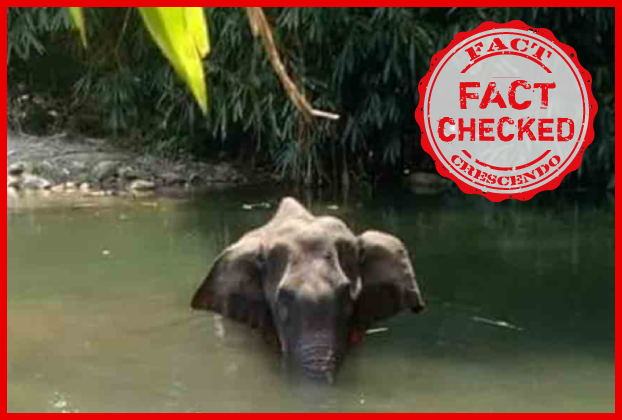
Claim: Islamophobia on the Kerala elephant death incident
Publisher’s rating: Partly False
The review examined social-media posts blaming Malappuram residents—and, in some versions, Muslims specifically—for an elephant’s death. It says the story’s location shifted as it spread: early accounts described an elephant injured while foraging near Silent Valley and later dying in the Velliyar river in Malappuram; subsequent posts portrayed the incident as having happened in Malappuram and blamed its Muslim population. The review also says that public figures and media outlets repeated claims connecting the incident to religion or politics. [S1: “சிலர் சமூக ஊடகங்களில் வதந்தி பரப்ப தொடங்கினர்.”] The review’s account distinguishes where the elephant was injured from where it died. It identifies the elephant with the Silent Valley area and says it had ranged in the Mannarkkad forest area of Palakkad while searching for food. The account says people there used electric wires and explosives to protect farmland, and that the elephant was injured before entering the Velliyar river in Malappuram and dying. [S1: “குறிப்பிட்ட யானை அமைதிப் பள்ளத்தாக்கு பகுதியை சேர்ந்ததாகும்.”] [S1: “அங்கு வசிக்கும் மக்கள் விளைநிலங்களை பாதுகாக்க, மின் கம்பிகளை பொருத்துவது, வெடி மருந்துகளை உபயோகிப்பது வழக்கமாக உள்ளது.”] On that evidence, the review rejects attributing responsibility to Malappuram residents or Muslims. It says the Kerala Forest Department had provided an explanation and reports that Chief Minister Pinarayi Vijayan promised action against those responsible. Its conclusion is that the reviewed Facebook post added false information; the account does not establish the individual responsible for the injury or death. [S1: “யானை இறந்ததற்கு மலப்புரம் மக்கள் (முஸ்லீம்கள்) காரணம் என்று கூறப்படுவது ஏற்புடையதல்ல.”] [S1: “உரிய ஆதாரங்களின்படி நாம் ஆய்வு மேற்கொண்ட ஃபேஸ்புக் தகவலில் உண்மைக்கு புறம்பான கூடுதல் தகவல்கள் சேர்க்கப்பட்டுள்ளதாக, நிரூபித்துள்ளோம்.”]

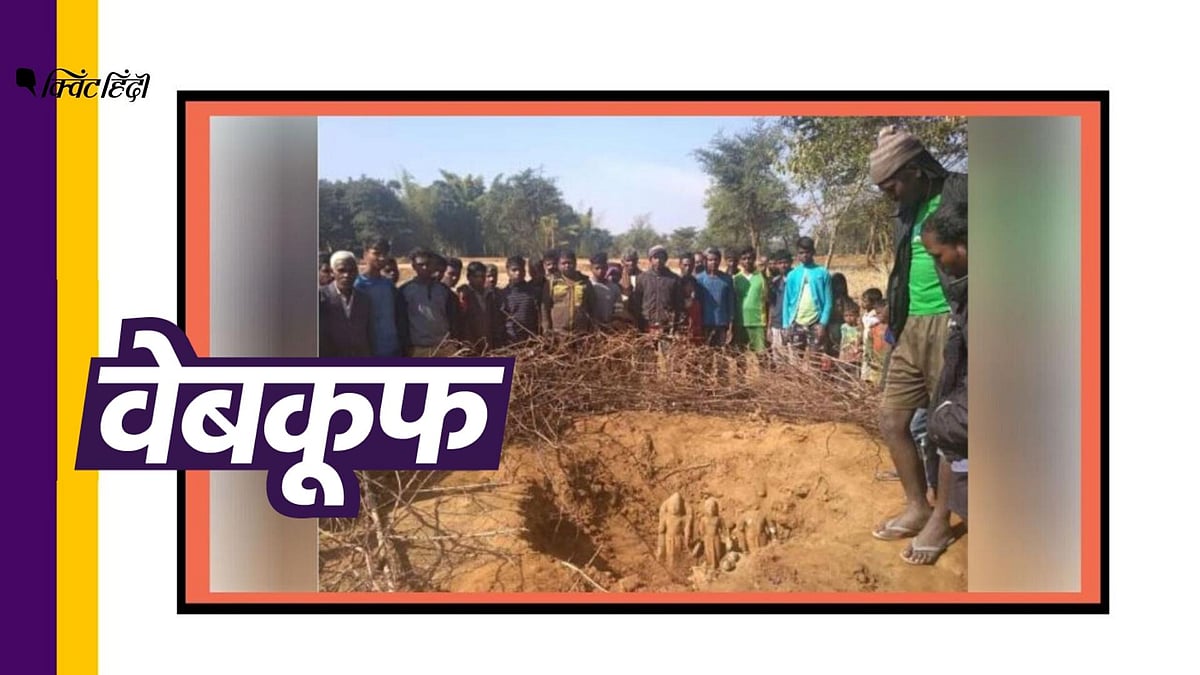
अयोध्या में खुदाई में मिली राम-सीता की मूर्तियां
Publisher’s rating: FALSE

Video of a Muslim man being forced to lick a Hindu man’s spit to break his Ramzan fast in Surat
Publisher’s rating: FALSE
The video does show a man in Surat being slapped, made to do sit-ups and forced to lick spit. But the review finds that the claim’s explanation of the incident is false: the event took place on 6 April 2020, weeks before Ramzan began that year, and the victim and accused were both Muslim. The footage therefore does not support the claim that a Hindu man forced a Muslim man to break his fast.

ये वीडियो इंग्लैंड के बर्मिंघम से ईद के दिन का है और वहाँ ईद इस तरह आपस में मारपीट कर मनाई जा रही है
Publisher’s rating: False

Photo of idols of Ram, Lakshman, and Sita which were found during an excavation in Ayodhya
Publisher’s rating: FALSE
The claim concerns a photo said to show idols of Ram, Lakshman and Sita found during an excavation in Ayodhya. FACTLY reports that the pictured idols were instead found at Jilinga village in Jharkhand. The review describes the claim as referring to an excavation in Ayodhya, then concludes: “The idols in the photo were found at a village in Jharkhand, not in Ayodhya.” To trace the photo, the review says it was checked using Google Reverse Image Search. That search located the same photo in an article published in January 2019, which identified the idols as having been found at Jilinga village in Jharkhand. The review also points to another news article confirming that location. The review gives additional background on the image’s circulation: it says the same photo went viral in 2019 with a different claim that the idols were found in Iraq. In that instance, Fact Crescendo reportedly spoke to local police and other officials, who confirmed the Jilinga village location. The review distinguishes these pictured idols from separate discoveries at the Ayodhya Ram temple construction site, where remains including pillars, deity idols and a Shivalinga were found.

Image of a Shivalinga unearthed during the excavations for Ram temple construction at Ayodhya
Publisher’s rating: FALSE
സ്ത്രീകൾക്ക് ഒരു രാജകുമാരിയുടെ പരിഗണന ലഭിക്കുന്ന ലോകത്തിലെ ഒരേയൊരു മതം ഇസ്ലാം മതം മാത്രമാണ്- മാധുരി ദീക്ഷിത്
Publisher’s rating: FALSE

ఫోటోలో ఉన్నది అయోధ్య రామజన్మభూమి తవ్వకాల్లో లభించిన ఐదు అడుగుల శివలింగం
Publisher’s rating: MISLEADING

