PeakMetrics / Fact Checks
Politics & government fact checks
Explore claims publishers have checked about politics & government. Read their original ratings and follow the evidence.
Search fact checks
Search by text or image12,754 published reviews in this topic

Claim Amit shah and Narendra modi's Statement
Publisher’s rating: Fact Crescendo Rating FALSE
Army, Navy and Air Force chiefs wrote a letter signed by more than 100 army officials against politicization of Indian army to the Indian President
Publisher’s rating: Fact Crescendo Rating: False
PM Modi spends crores of rupees on grooming himself
Publisher’s rating: Fact Crescendo Rating: False
Treasurer Josh Frydenberg claims during an interview on ABC Radio National that GetUp, an independent activist group, is funded by Labor leader Bill Shorten.
Publisher’s rating: False - The checkable claim is false.


జార్ఖండ్ లోని రాంచీకి కలెక్టర్ గా బాధ్యతలు తీసుకొని బంజారా డ్రెస్ లో హాజరు అయిన శ్రీమతి శోభ రాథోడ్.
Publisher’s rating: FALSE
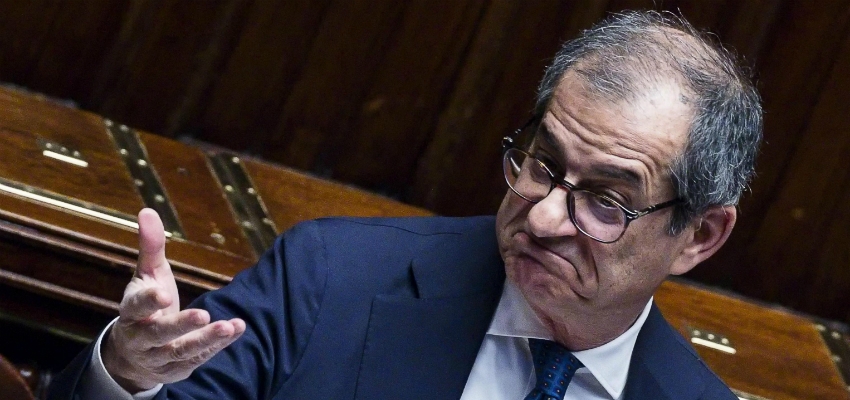
In nessun altro Paese europeo c'è un governo che gode del sostegno dell'elettorato e del Parlamento solido come in Italia.
Publisher’s rating: Nì
Pagella Politica examined a statement by Economy Minister Giovanni Tria that the Conte government had Europe’s most solid parliamentary and electoral support. The review compared the Italian government’s 2018 confidence votes with those of other European executives, and examined polling on support for the governing parties. Its conclusion was that the claim overstated Italy’s position on both measures. In Parliament, the government received support from 350 of 630 deputies and 171 of 321 senators. Using the higher of its two support percentages for comparison, the review identified six governments with stronger parliamentary backing: those of Austria, France, Latvia, Lithuania, Romania and Hungary. It cautioned that the comparison was imperfect because these countries have different institutional systems, and parliamentary support does not carry the same weight in each. For electoral support, the review used voting intentions for the governing parties as its measure. It reported that Lega and the Five Star Movement had about 58 per cent combined support at the start of 2019, falling to 53.6 per cent by 5 April. It also cited European election polling in which the governing parties in Austria, Hungary and Malta polled above the Italian governing parties. Thus, the evidence described Italy as still among the leading cases, but not uniquely strongest in Europe.

மோடிக்கு எதிராக என்னைத் தூண்டி விட்டதே திமுக தான். அய்யாகண்ணு பகீர் குற்றச்சாட்டு !
Publisher’s rating: Fake
జార్ఖండ్ లోని రాంచీకి కలెక్టర్ గా బాధ్యతలు తీసుకొని బంజారా డ్రెస్ లో హాజరు అయిన శ్రీమతి శోభ రాథోడ్
Publisher’s rating: FALSE
ஓபிஎஸ் , ஈபிஎஸ் ஐ கிண்டல் செய்யும் உடன் பிறப்புகள், இது தான் காங்கிரஸ் பிரதமர் மன்மோகன்சிங் நிலை.
Publisher’s rating: Fake

मुरली मनोहर जोशी की तरफ से लालकृष्ण आडवाणी को लिखा गया है ये पत्र.
Publisher’s rating: FALSE
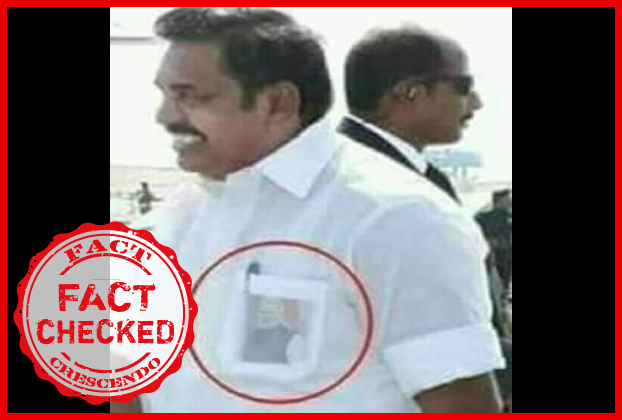
Claim: TN CM kept Modi photo in his pocket
Publisher’s rating: Fact Crescendo Rating: False
Claim did a construction worker become an IAS officer
Publisher’s rating: Fact Crescendo Rating FALSE

More than 50 lakh women expected to benefit every year under Pradhan Mantri Matru Vandana Yojana
Publisher’s rating: TRUE
The claim concerns the expected annual reach of the Pradhan Mantri Matru Vandana Yojana (PMMVY), not a guarantee that more than 50 lakh women would actually receive a payment each year. The review identifies this as the fourth claim in a government infographic about the scheme and says that maternity benefits are available to eligible beneficiaries for a family’s first living child. (S1: “The fourth claim is that ‘more than 50 lakh women expected to benefit every year’. The maternity benefits under PMMVY are available to the eligible beneficiaries for first living child of family.”) For the annual figure, the review reports that about 51.70 lakh beneficiaries were covered under PMMVY. That estimate is above the 50-lakh threshold in the claim. The review therefore treats the claim as supported when understood as an expectation about scheme coverage. (S1: “About 51.70 lakh beneficiaries are covered annually under PMMVY.”) The important qualification is the difference between being covered and actually receiving money. The review says the 51.70-lakh figure is the number covered, while the actual number paid could be higher or lower than 50 lakh. Thus, the evidence supports the stated expected annual reach, but does not establish that more than 50 lakh women necessarily receive cash transfers each year. (S1: “Hence, this is the number of people covered and not the number of people might receive the cash transfer.”)

Photo of Prime Minister Narendra Modi touching Congress leader Sonia Gandhi's feet.
Publisher’s rating: FALSE

Viral Picture of PM Modi having dinner with Pakistan PM Imran Khan
Publisher’s rating: FALSE


Los permisos de paternidad los creamos nosotros en 2002
Publisher’s rating: Falso
The claim was made by PP leader Pablo Casado in an interview on Onda Cero’s Más de uno. He said that his party created paternity leave in 2002, while also referring to later extensions under PP governments. Newtral distinguishes those later increases from the creation of a specific paternity-leave entitlement: it reports that the entitlement was first established for all workers by the 2007 Equality Law, enacted under José Luis Rodríguez Zapatero’s government. That law provided 13 days and described the leave as an individual right exclusive to the father. The review says it checked legislation and consulted the Ministry of Labour and the specialist association PPiiNA. Its account places earlier related provisions in context: a 2005 government plan granted ten days to central-government workers, while the 1980 Workers’ Statute already provided fathers with two days for a birth. Those provisions do not support the broader claim that the PP created paternity leave for workers generally in 2002. The review also reports that, in 2002, the PP voted against three legislative proposals that sought to regulate the possibility. It says the votes are recorded in the Congress’s proceedings and that El País reported on the proposals. In contrast, the review credits PP governments with later extensions to four and five weeks, describing the latter as an advance arising from an agreement with Ciudadanos. Thus, the evidence distinguishes later expansion from the initial legal creation of the specific leave at issue.

Claim pm narendra modi talking about his promises
Publisher’s rating: Fact Crescendo Rating FALSE