PeakMetrics / Fact Checks
Politics & government fact checks
Explore claims publishers have checked about politics & government. Read their original ratings and follow the evidence.
Search fact checks
Search by text or image12,754 published reviews in this topic

Owaisi wrote a letter to the UnitedNations saying Hindustan is not safe for Muslims
Publisher’s rating: FALSE
The viral message claimed that Asaduddin Owaisi had written to the United Nations saying “Hindustan is not safe for Muslims” and that the UN replied, “then go wherever is safe.” FACTLY says it found no credible-source information confirming that Owaisi had written such a letter. It also reports that a Google search using keywords describing the alleged letter returned no news reports confirming it. The review adds that Alt News had contacted Owaisi when the same message circulated in January 2019, and that he clarified he had not written such a letter. FACTLY’s conclusion is that Owaisi did not write the letter described in the viral post. The excerpt does not provide the alleged letter or a UN response; its stated evidence is the absence of confirming reports and Owaisi’s reported denial.
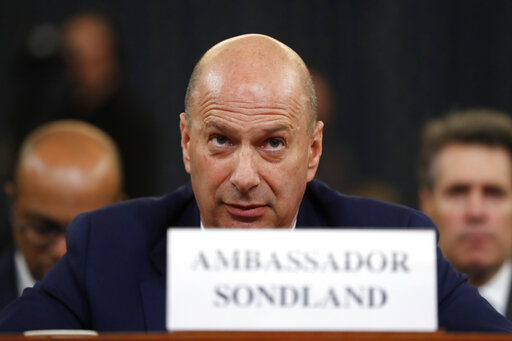
"You know, this all started in a bunker with Adam Schiff and Democrats. Republicans weren't allowed in the door. in fact, they were kicked out of the hearings."
Publisher’s rating: GOP never kicked out
"I'd like to enter into the record a Washington Post article from today headlined, ‘Schiff’s claim that the whistleblower has a ‘statutory right’ to anonymity.’"
Publisher’s rating: Schiff's evidence is weak
Says Kurt Volker testified that he was a proud part of the "Three Amigos."
Publisher’s rating: Not What Volker Said

Claim: H Raja supported Chidambaram Dikshitar
Publisher’s rating: FALSE
The claim concerned a social-media post attributing a statement to H. Raja about a Dikshitar at Chidambaram Nataraja Temple, following an alleged assault on a woman devotee. The post used a card bearing the BBC Tamil name and logo, and attributed to Raja the view that the priest’s choice to perform worship or not was personal and that he might have been tired. The review identifies a Facebook post by MeenaCatherine, published on the “facebook DMK” page on November 18, 2019, as one example of the circulating claim. (“சிதம்பரம் நடராஜர் கோவிலில் பெண்ணை தாக்கப்பட்ட விவகாரத்தில் தீட்சிதருக்கு ஆதரவாக எச்.ராஜா கருத்து கூறியதாக பிபிசி நியூஸ் கார்டு ஒன்று சமூக ஊடகங்களில் பகிரப்பட்டு வருகிறது.”; “இந்த பதிவை, facebook DMK என்ற ஃபேஸ்புக் பக்கத்தில் MeenaCatherine என்பவர் 2019 நவம்பர் 18ம் தேதி வெளியிட்டுள்ளார்.”) The review reports checking the card’s appearance and wording, reviewing BBC Tamil’s Facebook cards from November 17 and 18, searching for statements or news about Raja’s remarks, and examining his Twitter activity. It says the card’s font and design differed from BBC Tamil’s, and that it contained a spelling error in the Tamil term for “national secretary.” The review found no relevant BBC Tamil card in the dates it checked and no statement or post from Raja on the temple incident. (“தமிழ் ஃபாண்ட், டிசைன் எல்லாம் வித்தியாசமாக இருந்தது. தேசிய செயலாளர் என்று குறிப்பிடுவதற்கு பதில் தேசிய செயளாலர் என்று பிழையாக இருந்தது.”; “பி.பி.சி தமிழில் இவ்வளவு அப்பட்டமான பிழையோடு நியூஸ் கார்டு வெளியாக வாய்ப்பில்லை. இருப்பினும் பிபிசி தமிழ் ஃபேஸ்புக் பக்கம் சென்று நவம்பர் 17, 18ம் தேதி வெளியான நியூஸ் கார்டுகளை ஆய்வு செய்தோம். அதில், எச்.ராஜா தொடர்பாக எந்த ஒரு நியூஸ் கார்டும் இல்லை.”; “சிதம்பரம் நடராஜர் கோவில் சம்பவம் தொடர்பாக எச்.ராஜா எந்த ஒரு அறிக்கையையும் பதிவையும் வெளியிடவில்லை.”) The review further says BBC Tamil had clarified that the card circulating in its name was not published by it, and that a Tamil Nadu BJP media-wing representative told the reviewer the allegation was false and Raja had not said this. On the evidence described, the review concludes that the card was fake and that Raja had not made the attributed comment. (“சமூக ஊடகங்களில் பரவும் இந்த நியூஸ்கார்டு நாங்கள் வெளியிட்டது இல்லை என்று பிபிசி விளக்கம் அளித்துள்ளது.”; “இது தவறான தகவல். அவர் அவ்வாறு கூறவில்லை” என்று கூறி முடித்துக்கொண்டனர்.”; “சிதம்பரம் நடராஜர் கோவில் விவகாரம் தொடர்பாக எச்.ராஜா எந்த ஒரு கருத்தையும் தெரிவிக்கவில்லை என்பது தெரியவந்துள்ளது.”)
“There are only two countries in the world that don’t have paid family leave for new moms. The United States of America and Papua New Guinea. "
Publisher’s rating: Mostly true
“Hakimiyyət vətəndaşların sərbəst toplaşmasına mane olmayıb”
Publisher’s rating: əsasən yanlış
Der CDU-Politiker Friedrich Merz sieht sich in der Öffentlichkeit wiederholt dem Vorwurf ausgesetzt, sein Politikansatz benachteilige ärmere Bevölkerungsschichten. Seit vielen Jahren ist im Netz die Behauptung zu finden, Merz halte einen Hartz-IV-Regelsatz von 132 Euro pro Monat für ausreichend.
Publisher’s rating: Merz bestreitet, dass er solch einen Satz je gesagt hat. Merz hatte 2008 eine umstrittene Sozialstudie über Hartz-IV-Sätze gelobt. Die Verfasser hatten damals berechnet, dass im Raum Chemnitz 132 Euro im Monat als soziale Mindestsicherung ohne Wohnkosten für einen gesunden Mann reichen könnten. In der Studie fordern die Wissenschaftler nirgends, 132 Euro zum Regelsatz zu machen.
The claim is that Friedrich Merz regarded 132 euros per month as an adequate Hartz IV benefit. The Deutsche Presse-Agentur’s review says Merz addressed that allegation at a Berlin press conference on 31 October 2018, where he rejected the attribution and said there was no evidence for the quotation. The agency reports that it found no archived statement in which he specifically demanded monthly Hartz IV payments of 132 euros. [S1: “Friedrich Merz äußerte sich im Jahr 2018 direkt zu dem Vorwurf, er halte 132 Euro an Hartz-IV-Bezügen monatlich für ausreichend. «Dieses Zitat mit den Hartz-IV-Sätzen stimmt nicht. Dafür gibt es auch keinen Beleg. Das ist falsch», sagte der CDU-Politiker am 31. Oktober 2018 in der Bundespressekonferenz in Berlin auf die entsprechende Frage eines Journalisten”] [S1: “Es lässt sich aber in den Archiven kein Zitat des Politikers finden, in dem er konkret 132 Euro Hartz-IV-Bezüge pro Monat fordert.”] The review identifies a 2008 speech in Wiesbaden as a likely source of the allegation. No transcript of that speech was available, according to the agency. It recounts that a later AP report said Merz had praised a Chemnitz study in which 132 euros was described as sufficient for Hartz IV recipients; the agency says some media then turned this into the stronger claim that he had advocated that amount as the benefit rate. [S1: “Auslöser für die Falschbehauptung dürfte eine Rede des CDU-Politikers am 11. September 2008 vor der FDP-Bundestagsfraktion in Wiesbaden gewesen sein. Eine Mitschrift der Rede liegt nicht vor.”] [S1: “In einigen Medien war damals die falsche Zuspitzung zu lesen, Merz habe sich für den extrem niedrigen Hartz-IV-Regelsatz ausgesprochen.”] The study’s stated calculation was narrower than that alleged policy position: it concerned a minimum subsistence amount in the Chemnitz area, excluding housing costs, for a healthy man. The review says the researchers did not propose making 132 euros the standard benefit rate. [S1: “In der Studie heißt es: «Ohne Wohnkosten betragen die Kosten der sozialen Mindestsicherung im Raum Chemnitz im Minimumfall 132 Euro und im Maximumfall 278 Euro.»”] [S1: “In der Studie behaupten die Wissenschaftler nirgends, dass 132 Euro zum Regelsatz werden sollten.”]

Claim: PMK founder Ramadoss replied to Gayathri Raghuram
Publisher’s rating: FALSE
The review examined a viral image purporting to show PMK founder Dr. S. Ramadoss replying to actor Gayathri Raghuram on Twitter. The image attributed to Ramadoss a hostile message about Raghuram and showed it as posted on November 19 at 10:10 a.m. The review says the image had been shared on Facebook, including by a user on November 19, 2019. To check the image, the investigators compared it with Ramadoss’s official Twitter account. They report finding tweets about a Madras High Court ruling concerning Chennai Corporation footpaths and about the location of the Murசொலி office, but no tweet about Raghuram. Their comparison also found that the handle in the circulating image was “@erramadoss,” while the official handle was “@drramadoss”; their search found no Twitter account with the former handle. The review also recounts contacting a senior PMK official, who said the purported tweet was fake and that Ramadoss did not have a habit of posting and then deleting tweets. On the evidence described—absence of the claimed tweet from the official account, the mismatched and reportedly nonexistent handle, and the official’s confirmation—the review concluded that the image did not establish that Ramadoss had replied to Raghuram.
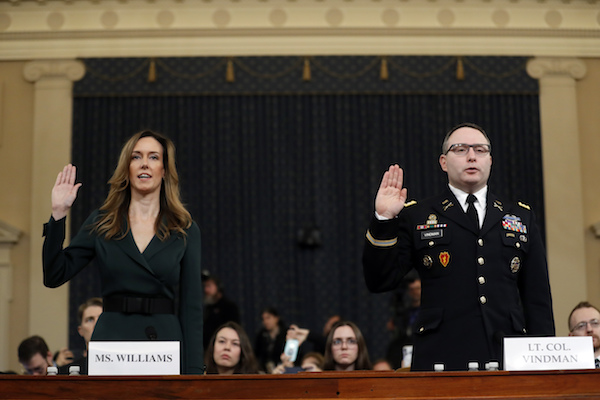
"They're using this impeachment hoax for their own political gain to try and damage the Republican Party and damage the President, but it's had the opposite effect. Because you've seen the polls and we're now the highest — I'm the highest I've ever I've ever been in the polls."
Publisher’s rating: No, not highest ever

Sánchez se ha asegurado de cambiar los estatutos del PSOE. Antes su decisión tenía que ser aprobada en el Comité Federal del PSOE y ahora no
Publisher’s rating: Verdad a medias
Javier Maroto, then PP spokesperson in the Senate, made the claim during an RNE interview on 14 November 2019, discussing the PSOE–Unidas Podemos pre-agreement. Newtral examined whether the party’s statutes had changed the approval process, comparing the PSOE’s 2012 rules with those approved at its 39th Federal Congress in June 2017. The article locates the relevant amendment in the section on the Federal Committee’s powers. (S1: “El portavoz del PP en el Senado, Javier Maroto, concedió una entrevista a ‘Las mañanas de RNE’ el 14 de noviembre”; “Tras analizar ambos reglamentos internos, el nuevo y el inmediatamente anterior a éste ―aprobado en 2012― hemos localizado el lugar en el que se encuentra la modificación”) The comparison shows that the Federal Committee retained the power to determine party alliance policy. The 2017 text added that it must do so in line, where applicable, with Article 53. Newtral cites that article as requiring consultation of party members on government agreements involving the PSOE and on certain investiture votes. Thus, the rules changed, but the evidence does not support the claim’s implication that Sánchez’s decision no longer required approval: the article identifies a required membership consultation. (S1: “Determinar la política de alianzas del Partido, en línea con, en su caso, lo establecido por el artículo 53 de estos Estatutos”; “será obligatoria la consulta a la militancia, al nivel territorial que corresponda, sobre los acuerdos de Gobierno en los que sea parte el PSOE o sobre el sentido del voto en sesiones de investidura”) The article’s conclusion is that Maroto’s account correctly points to a statutory change but omits the new requirement for the membership to approve the decision. (S1: “Es correcto que se ha producido una modificación de los Estatutos en línea con lo que dice Maroto, pero el político popular omite que ahora debe ser la militancia la que tiene que aprobar la decisión de Sánchez.”)

Jamás he conocido a nadie con unas ansias más grandes de dormir en La Moncloa. ¡Ni en los presidentes del Partido Popular!
Publisher’s rating: Falso
Newtral investigated whether Alfonso Guerra had said the viral quotation about wanting to sleep in La Moncloa more than anyone else, including presidents of the Popular Party. Its conclusion was that Guerra had not said it. The article identifies the quotation as originating in El Mundo’s “Conversaciones imposibles,” rather than as a genuine statement by Guerra. Newtral describes that feature as a fictional interview inspired by the statements and personality of Andalusian public officials, produced in connection with the 2 December regional elections. That provenance explains why the words could be mistaken for a real quotation, but the article explicitly distinguishes the fictional interview from Guerra’s actual statements.


Claim: H Raja son in law calls him mentally challenged
Publisher’s rating: Fact crescendo Rating: False

Lula sendo expulso da cidade de Bagé no Rio Grande do Sul, no dia 14/11/2019.
Publisher’s rating: Falso
Die große Koalition hat sich auf einen Kompromiss bei der Grundrente geeinigt. Damit sollen Rentner ab 2021 unter bestimmten Voraussetzungen mehr Geld bekommen. Im Netz kursieren viele Reaktion darauf. Eine Behauptung: Durch die Grundrente bekomme man nur 10 Prozent mehr als Hartz IV. Das seien 46 Euro
Publisher’s rating: Die Grundrente wird nicht als fester oder prozentualer Betrag auf die Rente gezahlt. Die Berechnung ist komplizierter.
The claim circulating online reduced the Grundrente to a fixed comparison with Hartz IV: that recipients would get just 10 percent more, or €46. The dpa review instead describes the supplement as dependent on a recipient’s contribution record and earnings history, rather than as a fixed or percentage-based addition to every pension. It says eligibility was intended for people with 35 contribution years whose average annual earnings corresponded to 30–80 percent of the national average. The review explains the calculation through pension points. An average earner accrues one point per year, so the qualifying earnings range represents 0.3–0.8 points annually. For eligible years, points within that range would be doubled, subject to a ceiling of 0.8 points per year; the resulting supplement would then be reduced by 12.5 percent. The review gives the contemporaneous value of one pension point as €33.05 in western Germany and €31.89 in eastern Germany. These steps show why the supplement was not a uniform €46 or a fixed percentage of a pension. As an example, the review calculates a hairdresser with 40 years of earnings at 40 percent of average pay. At the western point value, her existing monthly pension would be €528.80. The proposed increase for 35 years is calculated as 35 × 0.4 × €33.05, or €462.70 before the 12.5 percent reduction; after that reduction, the supplement is €404.86, bringing the example’s total monthly pension to €933.66. This illustration is specific to the stated work history and western point value, not a universal payment amount.


Claim: MK Alagiri statement on MK Stalin
Publisher’s rating: Fact Crescendo Rating: False