PeakMetrics / Fact Checks
Politics & government fact checks
Explore claims publishers have checked about politics & government. Read their original ratings and follow the evidence.
Search fact checks
Search by text or image12,754 published reviews in this topic


Claim: Misinformation on MK Stalin with Sathankulam Jayaraj and Bennix
Publisher’s rating: False
The post linked a photograph of M. K. Stalin and his wife, Durga Stalin, to the deaths of Sathankulam mobile-phone shop owners Jayaraj and Fenix. Its accompanying text suggested that the victims’ family had previously met Stalin. The review reports that the image circulated amid claims connecting the deaths to political figures and parties, and describes its subject as the family of Fenix. The question it investigated was whether the people in the photograph were actually members of the victims’ family.

Claim: He is not DMK MLA Vagai Chandrasekhar
Publisher’s rating: False
The review addresses a video circulating with the claim that the man confronting police at a tollgate is DMK MLA Vagai Chandrasekhar. It describes the clip as showing a man in white clothing arguing with police and leaving after hitting them, and says that people were identifying him as Chandrasekhar. The investigation explicitly says it examined whether the person in the video was the MLA and answers that he was not. Supporting passages describe the clip and the identity claim: “இந்த வீடியோவில், வெள்ளை வேட்டி, சட்டை அணிந்த ஒருவர், அதிகார தோரணையில் போலீசாரிடம் டோல்கேட் ஒன்றில் மல்லுக்கு நிற்பதைக் காண முடிகிறது” and “அவரை திமுக எம்எல்ஏ சந்திரசேகர் என்றே குறிப்பிட்டு, பலரும் இந்த வீடியோவை வைரலாக பகிர்வதைக் காண முடிகிறது.” To explain why the identification was wrong, the review notes that Chandrasekhar was an actor before entering politics and won the 2016 Tamil Nadu Assembly election from Velachery for the DMK. It also reports that Chandrasekhar gave a media explanation after the video became controversial. The excerpt does not provide the contents of that explanation or describe a forensic comparison of the video, so it does not establish what those checks entailed. The relevant text says: “சினிமா நடிகராக இருந்து பின்னர் திமுக சார்பாக, 2016ம் ஆண்டு சட்டமன்ற தேர்தலில் வேளச்சேரி தொகுதியில் போட்டியிட்டு வெற்றி பெற்றவர் சந்திரசேகர்” and “இந்த வீடியோ விவகாரம் சர்ச்சையான நிலையில், இதுபற்றி வாகை சந்திரசேகர் ஊடகத்திற்கு விளக்கம் அளித்துள்ளார்.” The review says other media reports identified the man as former MP Arjunan, whom it describes as having represented Dharmapuri from 1980 to 1984 and later left the DMK for the AIADMK. It presents this identification as the alternative to the viral attribution, while noting that the person’s current party affiliation was unknown. Its conclusion is that the video’s subject is a former MP, not MLA Vagai Chandrasekhar. The excerpt does not name the other media reports or supply independent evidence for their identification. Supporting passages state: “மற்ற ஊடகங்களில் இந்த வீடியோவில் இருப்பவர் முன்னாள் எம்பி அர்ஜூனன் என்று கூறி தகவல் பகிர்ந்திருப்பதைக் காண முடிந்தது” and “இதுவரை கிடைத்த ஆதாரங்களின் அடிப்படையில், திமுக எம்எல்ஏ வாகை சந்திரசேகர் என்று கூறி பகிரப்படும் தகவல் தவறானது என்று உறுதி செய்யப்படுகிறது.”

Polonia pone carteles de “Zona libre de personas LGTB”
Publisher’s rating: Falso
ചൈനീസ് പ്രസിഡന്റ് ഷീ ജിങ്ങ്പിംഗിനെ ‘മൈ ബോസ്’ എന്ന് വിശേഷിപ്പിച്ച് സിതാറാം യെച്ചുരിയുടെ ട്വീറ്റ്.
Publisher’s rating: FALSE
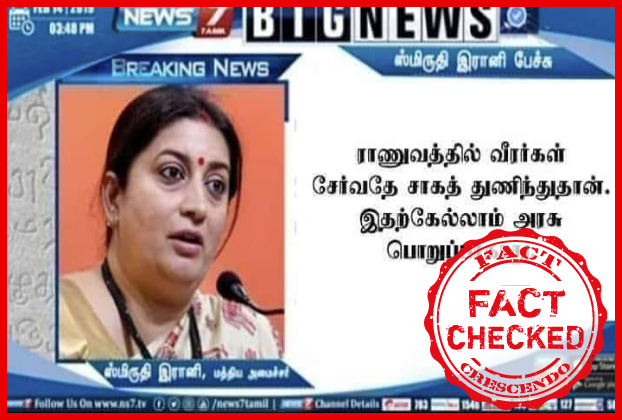
Claim: Smriti Irani not criticized Indian Soldiers
Publisher’s rating: Fact Crescendo Rating: False
El Ayuntamiento de València aprueba que las personas trans viajen gratis en los autobuses de la ciudad
Publisher’s rating: Falso
A Facebook post suggests that the Nigerian Embassy in Berlin, Germany was shut down due to non-payment of rent
Publisher’s rating: False

අනුර කුමාර දිසානායක සහ ටිල්වින් සිල්වා අලලා පළවූ සාවද්ය ප්රකාශ පෙළක්! | Series of Fake claims against Anura Kumara and Tilvin Silva
Publisher’s rating: FALSE

The UN has recognised ‘Jammu & Kashmir’ as a separate country in the World map on its website ‘www.un.org’
Publisher’s rating: FALSE
The claim concerned an image circulating on social media that appeared to show “Jammu & Kashmir” as a separate country on the United Nations’ world map at www.un.org. FACTLY reports that it visited the UN website named in the post and found the same map, then examined the map’s markings and legend rather than relying on the circulating image alone. The map marks the Jammu and Kashmir region with a dotted line and an asterisk. The legend explains that the dotted line represents approximately the Line of Control agreed upon by India and Pakistan, and that the final status of Jammu and Kashmir had not been agreed upon by the parties. The review also notes that “Jammu and Kashmir” is not printed entirely in capital letters, unlike country names on the map. These details indicate that the map’s label and boundary notation do not identify the region as a separate country. The map’s legend also says its boundaries, names, and designations do not imply official UN endorsement or acceptance. FACTLY points to a dotted line between Sudan and South Sudan as another example of the map marking an unresolved boundary; the legend says their final boundary had not yet been determined. Taken together, the map’s own explanatory text and labeling contradict the interpretation that the UN had recognised Jammu & Kashmir as a separate country.
MPR mengusulkan agar Presiden Jokowi memimpin Indonesia hingga 2027
Publisher’s rating: Sesat
The ban on motorcycle back riding has been lifted in the Philippines.
Publisher’s rating: Misleading

Video yang diklaim sebagai video demonstrasi menolak kebangkitan komunisme di Monas pada 21 Juni 2020
Publisher’s rating: Keliru

කරුණා අම්මාන් සම්බන්ධයෙන් සිදුකලා යයි කියවෙන සාවද්ය ප්රකාශ රැල්ලක්! | False statements claimed to have made with regards to Karuna Amman
Publisher’s rating: FALSE
മുഖ്യമന്ത്രി പിണറായി വിജയനെതിരെ വിഎസ് അച്യുതാനന്ദൻ തരംതാണ പരാമർശം നടത്തി
Publisher’s rating: FALSE

ජාතික ජන බලවේගය අලලා කෙරුණු සාවද්ය ප්රකාශ එකතුවක්! | Multiple Fake claims targeting Jathika Jana Balawegaya (NPP)
Publisher’s rating: FALSE
U.S. Ambassador to the Philippines Sung Kim said the U.S. has the right to be followed by the Philippines.
Publisher’s rating: Misleading

පුවත් ටිකරයක් ව්යාජ ලෙස සංස්කරණය කරමින් සිදුකල ව්යාජ සටහනක්! | Edited News Ticker targeting Sri Lankan Prime Minister - Mahinda Rajapaksa
Publisher’s rating: FALSE

প্ৰাক্তন প্ৰধান মন্ত্ৰী ইন্দিৰা গান্ধীয়ে ভাষণ দি থকা এই ফটোখন 'গলৱান'ত তোলা হয়
Publisher’s rating: মিছা