PeakMetrics / Fact Checks
Politics & government fact checks
Explore claims publishers have checked about politics & government. Read their original ratings and follow the evidence.
Search fact checks
Search by text or image12,754 published reviews in this topic
Nagkakalat ng mali at walang ebidensyang post sa Facebook si NICA chief Alex Monteagudo na nagta-tag sa COURAGE at SENADO bilang mga front ng kilusang komunista. Ang na-share na post ay nagsasabing dapat nang tumigil ang apat na senador ng oposisyon sa pagtatanggol sa COURAGE na 52 taon nang front ng CPP-NPA-NDF.
Publisher’s rating: Hindi totoo

Globo Admitiu que Manifestação Pró Bolsonaro Neste Primeiro de Maio foi a Maior da História - VEJA O VÍDEO!
Publisher’s rating: Falso

ഗുഡ് ഈവനിംഗ്, വിജയ് കോൺഗ്രസ്, ജയ് കോൺഗ്രസ് … ഹാലോ, അന്ധരായ അനുയായികളെ, നിങ്ങളുടെ അന്ധമായ വിശ്വാസം കാരണം ഈ രാത്രി മുഴുവൻ അസ്വസ്ഥരായി കഴിയുക. രാജാക്കന്മാർ ഈസ്ററ് ഇന്ത്യ കമ്പനിക്കുമുന്നിൽ തലകുനിച്ചുനിന്നതിന് ചരിത്രം ശക്തമായ തെളിവ് നൽകുന്നുണ്ട്. എന്നാൽ ഇന്ന് കേന്ദ്രസർക്കാർ അംബാനിയുടെ ഭാര്യക്കുമുന്നിൽ തലകുനിച്ച് നിൽക്കുന്നു
Publisher’s rating: FALSE


डी.एम शैलेश कुमार यादव को निलंबित किया गया है।
Publisher’s rating: False
Bayanihan 3 is currently being signed into law.
Publisher’s rating: Misleading
“I spent a lot of time with President Xi, traveling over 17,000 miles.”
Publisher’s rating: Three Pinocchios
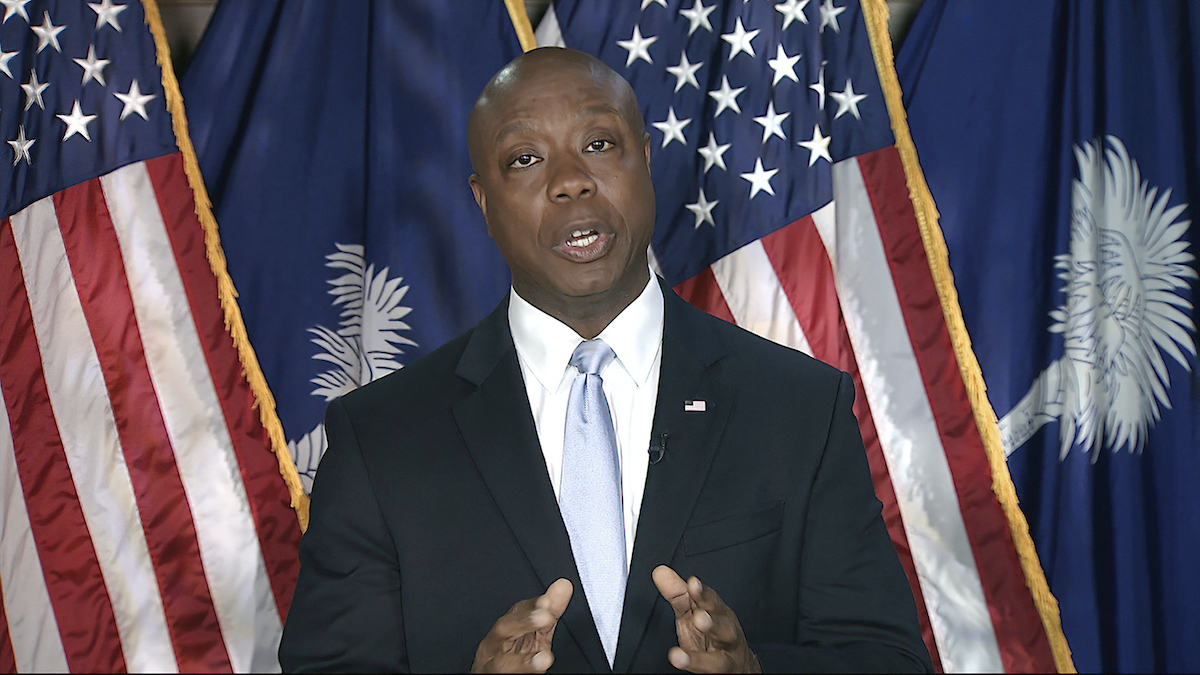
"Republicans support everything you think of when you think of ‘infrastructure.’ Roads, bridges, ports, airports, waterways, high-speed broadband — we’re in for all of that! … Less than 6% of the president's plan goes to roads and bridges."
Publisher’s rating: Downplays the figure
This is an image of the Kenyan consulate in Hargeisa, Somaliland
Publisher’s rating: False.

"I'd rather not spend taxpayers' money, by the way, like the last Labour government, which spent £500,000 of taxpayers' money on the Downing Street flat"
Publisher’s rating: The £500,000 figure is what you get if you adjust for inflation (ie rising prices) and add up all the spending over the period of Labour governments between 1997 and 2010.
At Prime Minister’s Questions, Boris Johnson said the last Labour government spent £500,000 of taxpayers’ money on the Downing Street flat. The BBC examined figures for annual spending cited in a parliamentary answer from a Cabinet Office minister. It explains that the £500,000 total is obtained by adjusting the spending for inflation and adding it across Labour governments’ years in office, from 1997 to 2010. The review distinguishes that inflation-adjusted total from the amount actually spent at the time. On that basis, it gives a total of £370,000 over 13 years—just under £30,000 annually. It also notes that spending exceeded the annual £30,000 allowance in several individual years. Thus, Johnson’s figure is supported only as an inflation-adjusted cumulative figure; it is not the review’s total for cash spent at the time. The review adds a qualification about the comparison with the then-current refurbishment: the figure for 2020–21 was not yet available, so it could not establish whether Johnson had used the full £30,000 of public money available for that year. The supplied excerpt does not provide the underlying annual figures, so it does not allow an independent reconstruction of either total.
Ang hurisdiksyon ng isang bansa sa loob ng kanyang EEZ ay limitado sa tatlong aspeto: pag-set up at paggamit ng artificial islands, installations, at structures; marine scientific research; at, proteksyon, conservation at pangangalaga ng marine environment.
Publisher’s rating: Hindi totoo
Die Bundesregierung beabsichtigt nach eigenen Angaben die totale digitale Kontrolle der Gesellschaft, hat als Zukunftsvision die Abschaffung von Wahlen und des Privateigentums.
Publisher’s rating: In den zitierten Textpassagen geht es nicht um Pläne der Bundesregierung, sondern um die Meinung eines finnischen Experten. Dessen Äußerungen sind zudem aus dem Zusammenhang gerissen.
The claim attributes to the German federal government a plan for total digital control, the abolition of elections and the end of private property. The review traces the claims to passages from the 2017 Smart City Charter, but distinguishes the document’s content from government policy: it says the Charter reports work by the “Dialogplattform Smart Cities,” a discussion process launched by the federal government in 2016, rather than setting out government plans. The platform discussed how digitalization relates to urban development and involved experts from several fields. (The review describes the document as a 108-page paper.)
Sinabi ng UNCLOS na ang isang coastal state, tulad ng Pilipinas, ay dapat tukuyin ang "kakayahang umani ng living resources" sa loob ng EEZ nito. Kung ang isang estado ay walang kakayahang anihin ang "buong pinapayagang huli," dapat itong magbigay ng access sa ibang mga bansa para sa "surplus."
Publisher’s rating: Kailangan ng konteksto
The UNCLOS said a coastal state, like the Philippines, must determine its “capacity to harvest the living resources” within its EEZ. If a state does not have the capacity to harvest the “entire allowable catch,” it should give access to other countries for the “surplus."
Publisher’s rating: Needs context
The Arbitration Court never said that the South China Sea is ours.
Publisher’s rating: Misleading
"Last night, our friends in the European Union voted to approve our Brexit deal, which he [Keir Starmer] opposed"
Publisher’s rating: If the prime minister is referring to the vote in the House of Commons that followed the deal then this claim is not correct.
The review examines Boris Johnson’s statement at Prime Minister’s Questions that the EU had approved the Brexit deal and Keir Starmer had opposed it. It makes its conclusion conditional on which vote Johnson meant: “If the prime minister is referring to the vote in the House of Commons that followed the deal”. For that Commons vote, the review reports that Starmer voted for the legislation implementing the agreement, alongside most Labour MPs. It also records that the Commons backed the legislation on 30 December by 521 votes to 73. Those details do not support describing Starmer as having opposed that legislation in the Commons. The review adds relevant qualification: Starmer had criticised aspects of the agreement, but had said a “thin deal was better than no deal”. Thus, criticism of parts of the deal is distinct from opposing the legislation in the Commons. The excerpt does not establish which vote Johnson specifically intended by “our friends in the European Union”; its stated assessment addresses the claim if he meant the subsequent Commons vote.
Ang mga community pantry organizer ay hindi kailangang kumuha ng permit mula sa mga local government unit para makapagtayo ng mga stall at mamigay ng mga donasyong pagkain at iba pang pangunahing pangangailangan. Kailangan lamang nilang makipag-ugnay sa mga LGU upang mapanatili ang kaayusan at makontrol ang mga tao.
Publisher’s rating: Flip-flop