PeakMetrics / Fact Checks
Politics & government fact checks
Explore claims publishers have checked about politics & government. Read their original ratings and follow the evidence.
Search fact checks
Search by text or image12,751 published reviews in this topic

Rahul Gandhi said that both Hindus and Hindutvavadis should be thrown out
Publisher’s rating: MISLEADING
The claim concerns a social-media clip presented as showing Rahul Gandhi saying both Hindus and Hindutvavadis should be thrown out. FACTLY identifies the footage as part of Gandhi’s speech at a rally in Jaipur and says the clip appears at 12:08 in the full video on his YouTube channel. Its account describes the full speech as distinguishing Hindus from Hindutvavadis, rather than treating them as the same group. The key qualification is in the longer version of the clip. FACTLY gives Gandhi’s words in English translation: from 2014, Hindutvavadis—not Hindus—had been ruling, and “We should once again throw out these Hindutvavadis and bring back the rule of Hindus.” In that fuller wording, the target of “throw out” is Hindutvavadis; the statement calls for bringing back the rule of Hindus. The excerpt does not support the clipped version’s claim that Gandhi said to throw out both groups. FACTLY also reports that it used Google Reverse Image Search on screenshots to trace the visuals to the Jaipur speech. As additional corroboration, it quotes an ANI tweet dated 12 December 2021, which likewise says Gandhi called for throwing Hindutvavadis out of power and bringing back Hindus. The available evidence therefore addresses the exact statement in the claim and shows how removing the surrounding words changes its meaning.

Trudeau hat das Kriegsrecht gegen den Konvoi-Protest verhängt.
Publisher’s rating: Das Kriegsrecht wurde nicht ausgerufen. Der kanadische Premierminister hat lediglich angekündigt, ein Notstandsgesetz anzuwenden.
The claim concerned Justin Trudeau’s response to trucker-convoy protests that had blocked border crossings and occupied parts of Ottawa. The review describes protesters opposing Canada’s COVID-19 measures and says Trudeau announced on February 14, 2022, that he would invoke the Emergencies Act. It distinguishes that step from imposing martial law: the action was an invocation of a statute, not the use of the military under the War Measures Act. [S1: “Lkw-Fahrer protestieren in Kanada seit Wochen gegen die in dem Land geltenden Corona-Maßnahmen. Sie sperren mit ihren Fahrzeugen Grenzübergänge und belagern die Hauptstadt Ottawa.”; “Der Premierminister von Kanada, Justin Trudeau, kündigte in einer Rede am 14. Februar 2022 an, den sogenannten «Emergencies Act» in Kraft treten zu lassen.”; “Es ist das erste Mal, dass der «Emergencies Act» angewendet werden soll, seit es 1988 den umstrittenen «War Measures Act» ersetzt hat.”] The review explains that the Emergencies Act would grant the federal government additional powers for 30 days, subject to further justification, and that its use required approval by Parliament and provincial governments. It identifies possible measures including restricting travel and gatherings and freezing bank accounts, while noting that these powers were framed as responses to a public-order emergency. The supplied text describes the Act as something Trudeau announced he would apply; it does not say martial law had been declared. [S1: “Das Gesetz verleiht der kanadischen Regierung für 30 Tage weitreichende Befugnisse. Danach läuft es aus und muss neu gerechtfertigt werden.”; “Das Gesetz muss nicht nur vom Parlament, sondern auch von den einzelnen Regierungen der Provinzen abgesegnet werden.”; “Wenn das Gesetz zur Anwendung kommt, wird es unter die Kategorie «Notfall der öffentlichen Ordnung» fallen.”] Trudeau’s stated limits further distinguish the announced measure from the claim’s characterization: according to the review, he said the government did not intend to deploy the military or suspend fundamental rights, and that lawful protest would remain permitted. The account also records that a Canadian civil-liberties organization planned to challenge the Act’s use, arguing that the required threshold had not been met. Those qualifications concern the legality and scope of the proposed emergency measures, not evidence that martial law was imposed. [S1: “Trudeau betonte in seiner Rede, dass seine Regierung das Gesetz nicht anwenden wolle, um «das Militär einzuschalten oder um Grundrechte auszusetzen».”; “Die kanadische Bürgerrechtsorganisation CCLA plant dennoch gegen die Anwendung des Gesetzes zu klagen.”]
बीएसपी सुप्रीमो मायावती और RLD नेता जयंत चौधरी के बीच हाल ही में हुई एक मीटिंग की फोटो वायरल
Publisher’s rating: FALSE
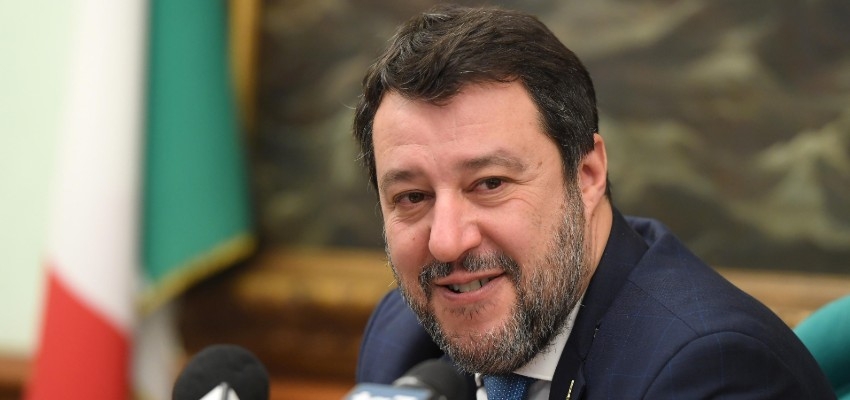
«A Bruxelles non sono riusciti a mettere al bando il vino, adesso ci provano con salumi e carne italiana»
Publisher’s rating: Pinocchio andante
The review examines a 19 February Facebook post by Lega leader Matteo Salvini, which said the EU was trying to “ban” cured meats and “Italian meat” after failing to do so with wine. Salvini also shared a headline from the newspaper Il Tempo. The review says it checked the claims and found that they presented EU measures in a distorted and misleading way. Its account distinguishes what was being discussed from a ban on producing or consuming these foods. (S1: “Il 19 febbraio il leader della Lega Matteo Salvini ha scritto su Facebook che l’Unione europea sta provando a «mettere al bando» i salumi e la «carne italiana», dopo non esserci riuscita con il vino.”; “Abbiamo verificato e come fatto diverse volte in passato, Salvini presenta in maniera distorta e fuorviante alcune misure in discussione nell’Ue.”) For wine, the review describes the European Parliament’s 15 February discussion of a report by its Special Committee on Beating Cancer. A proposal under discussion concerned ingredient and nutrition information and health warnings on alcoholic drinks; the review says the EU was not proposing to prohibit Italian wine. Later that evening, Parliament voted on amendments that softened the report’s proposals on alcohol and cancer. The review says any wine labels would need to inform consumers about ingredients, but not refer to the ability of wine to cause cancer. (S1: “Lo scorso 15 febbraio il Parlamento europeo ha discusso il rapporto pubblicato a dicembre 2021 dalla Special committee on beating cancer”; “l’Ue non voleva dunque vietare o «mettere al bando» il vino italiano”; “eventuali etichette sulle bottiglie di vino dovranno informare i consumatori sugli ingredienti, ma non contenere riferimenti alla capacità di causare il cancro.”) For meat and cured meats, the relevant issue was an EU agricultural-promotion programme, not a proposal to ban consumption. The review says the 21 February Agriculture and Fisheries Council was due to discuss possible effects of giving greater weight to promotional proposals encouraging more plant-based diets and less red meat and processed meat. It reports that Italy was among 12 countries seeking discussion. In its conclusion, the review characterizes the dispute as being over which products EU promotion should favor, rather than whether meat and cured meats could be consumed. (S1: “Per accedere a questi finanziamenti, sarà dato più peso alle proposte di promozione di prodotti che «incoraggiano una dieta più a base di vegetali, con meno carni rosse e insaccati” ; “Il 21 febbraio in Consiglio “Agricoltura e pesca” si discuterà proprio dei possibili effetti negativi di questa scelta, per iniziativa di 12 Paesi, tra cui c’è anche l’Italia.”; “In discussione sono le politiche di promozione di questi prodotti – come quelli di altri Paesi – nell’Ue e nel mondo, non il divieto del loro consumo.”)

පසුබිමේ එල්ලා තිබෙන බැසිල්ගේ හෝ රනිල්ගේ ඡායාරූප සමග අනුර කුමාර පෙනී සිටි අවස්ථාවක් ද?
Publisher’s rating: Altered


ÁUDIO DE LULA CHORANDO E MANDANDO DAR FIM EM PALOCCI - Lula Chora e manda eliminar Palocci.
Publisher’s rating: Falso
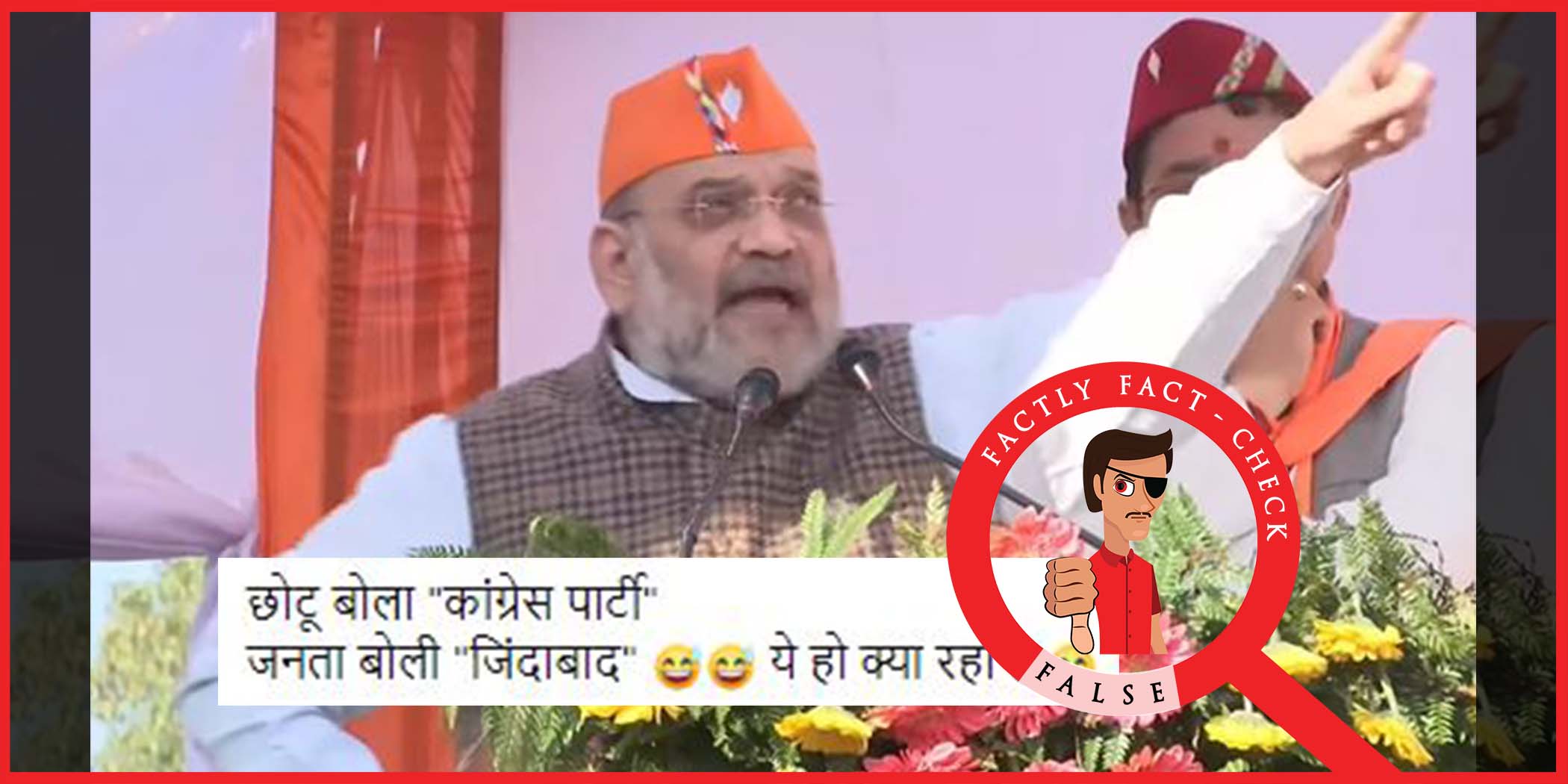
Video of the public saying ‘zindabad’ when Amit Shah said – ‘Congress Party’
Publisher’s rating: FALSE
The claim concerns a video said to show the public responding “zindabad” after Amit Shah said “Congress Party.” FACTLY reports that the audience instead said “murdabad.” Its investigation places the clip at a public meeting in Raipur, Uttarakhand, and says the word can be heard during the pause after Shah’s remark. To trace the footage, the review says it searched screenshots from the circulating clip using Google Reverse Image Search. That led to an extended version published on the Bharatiya Janata Party YouTube channel under the title “HM Shri Amit Shah addresses public meeting in Raipur, Uttarakhand.” FACTLY locates the circulating clip at 11:22 in that video. The review’s decisive check was listening to the audio in the longer video and to a slowed-down, louder version of the clip. It reports that both make the audience’s word audible as “murdabad,” not “zindabad.” It also says news agencies had not reported “Congress party zindabad” slogans at the BJP meeting. The source excerpt does not identify those agencies, so that point is supplementary to its audio-based conclusion.
Canada heeft de krijgswet uitgeroepen.
Publisher’s rating: De Canadese regering heeft de Emergencies Act ingeroepen om de coronaprotesten te bestrijden. Deze wet geeft de regering verregaande bevoegdheden om noodsituaties te bestrijden, maar dit is geen krijgsrecht.
The claim concerned videos shared during the protests against COVID measures in Canada. The review says the post characterized the situation as martial law, then examined whether that description fit the measures the federal government had announced. It reports that on February 14 the government invoked the Emergencies Act to address the continuing protests. The review’s conclusion is that this gave the civilian government exceptional powers, but did not amount to martial law. [S1: “Een Facebookgebruiker deelt twee video's die te maken hebben met de huidige protesten tegen de coronamaatregelen in Canada. Hierbij stelt deze gebruiker dat in Canada het oorlogsrecht (Martial law) zou zijn afgekondigd.”; “Op 14 februari liet de federale Canadese regering de Emergencies Act in werking treden om de aanhoudende protesten tegen te gaan.”] The review distinguishes the Act from martial law by examining who receives authority and whether military rule or military criminal law is involved. It says the Act grants extra powers to the civilian government, does not specify a role for the military, and allows the military to assist without replacing civilian authorities. It also reports that Prime Minister Justin Trudeau said the Act was not being used to call in the army or suspend fundamental rights. These points support the review’s finding that invoking the Act was not the same as declaring martial law. [S1: “De Emergencies Act geeft extra macht aan de burgerlijke regering, niet aan de militaire bevelhebbers. In de wet zelf wordt niet gestipuleerd wat de rol van het leger in een dergelijke situatie is.”; “Het leger kan opgeroepen worden om te helpen, maar vervangt dus niet de burgerlijke autoriteiten.”; “In een persconferentie stelde premier Trudeau dat de regering de wet niet gebruikt om de hulp van het leger in te roepen of om fundamentele rechten, zoals het Canadese Charter of Rights and Freedoms op te schorten.”] The review also notes that Ottawa and Ontario had separately declared states of emergency in response to the protests. Those local and provincial measures, alongside the federal Act, are part of the reported context; the review does not describe them as a declaration of martial law. [S1: “Eerder riepen de hoofdstad Ottawa (de bestemming van het vrijheidskonvooi) en de provincie Ontario (waar Ottawa in ligt) ook al de noodtoestand uit naar aanleiding van de coronaprotesten.”]
अखिलेश ने कानून को हाथ में लेने वालों को सपा को समर्थन देने की बात की।
Publisher’s rating: False
A rally of Bongbong Marcos and Sara Duterte filled EDSA
Publisher’s rating: False

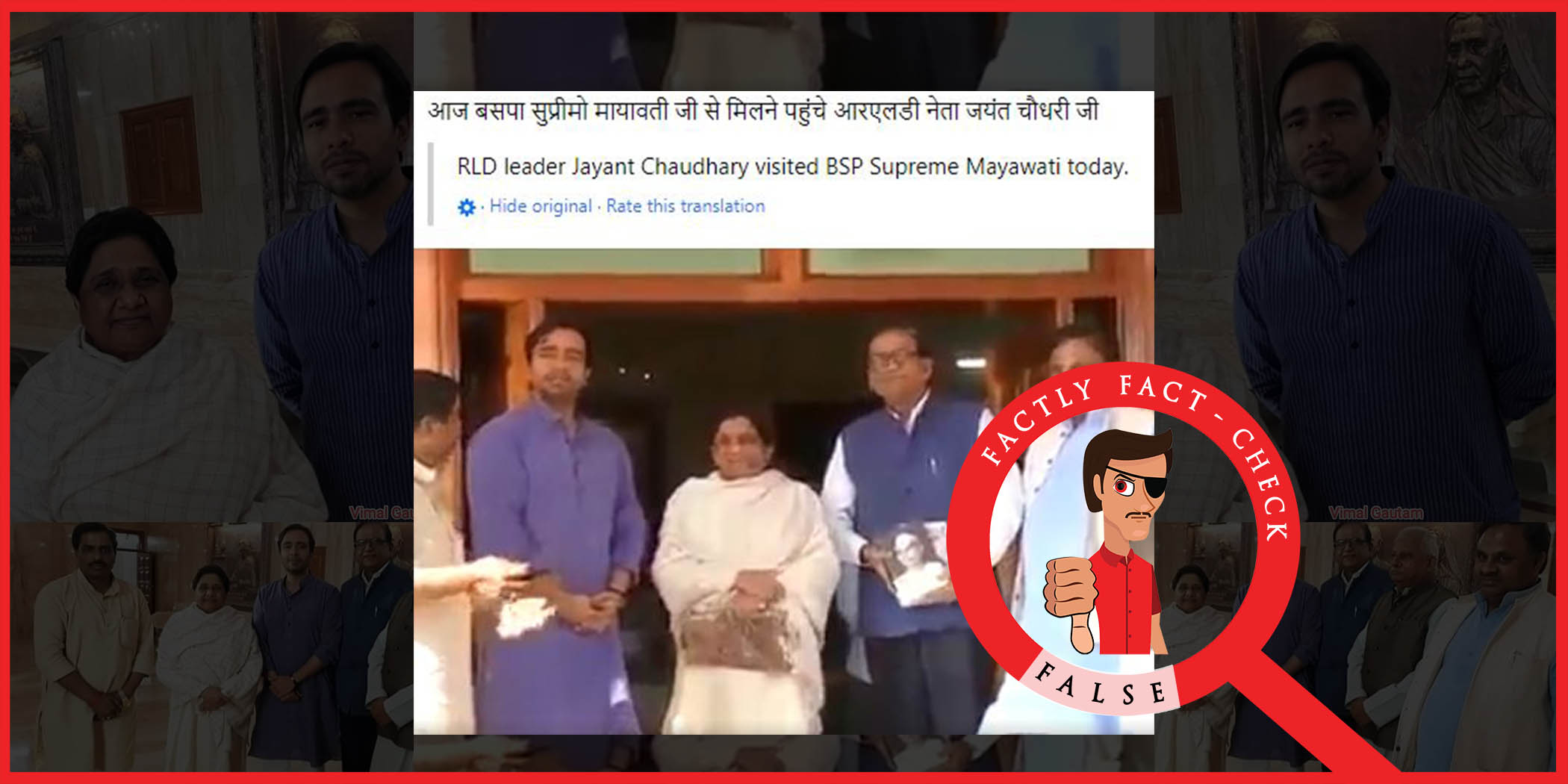
Recent visuals of RLD’s Jayant Chaudhary meeting BSP’s Mayawati
Publisher’s rating: FALSE
The claim concerns a video and photos circulated as recent visuals of Rashtriya Lok Dal (RLD) leader Jayant Chaudhary meeting Bahujan Samaj Party (BSP) leader Mayawati, in the context of Uttar Pradesh’s 2022 Assembly elections. The investigation says the visuals do show the two leaders meeting, but they do not document a meeting during that election period: they date to 2019 and relate to the Lok Sabha elections that year. To check the video, FACTLY says it searched the internet using keywords and found matching footage in an ABP News report published on YouTube in March 2019. It also found a 2019 tweet by ANI UP/Uttarakhand with similar visuals. For the photos, the investigation traced the same images to Jayant Chaudhary’s Facebook account in 2019. These traces place both types of visuals in 2019 rather than establishing them as recent 2022 material. The timing matters because the source describes the 2019 meeting as occurring in the context of the Lok Sabha elections, when RLD, BSP and the Samajwadi Party had an alliance. The supplied account therefore supports the distinction between an authentic image of the leaders meeting and the misleading implication that the images show a recent meeting during the 2022 Uttar Pradesh Assembly elections.

Sen. Rand Paul told a group of medical school students that "misinformation works" and is a "great tactic"
Publisher’s rating: Needs Context
The review examined a viral Reddit headline claiming that Rand Paul was seen telling students that “misinformation works” and is “a great tactic.” It reports that the video was recorded in 2013, during a lecture to medical students at the University of Louisville School of Medicine, rather than at the time the clip went viral in 2022. The review says the clip resurfaced on Twitter the day after Paul’s heated exchange with Dr. Anthony Fauci at a Senate hearing. The account of the lecture supplies the context omitted from the headline. A student asked Paul for advice on taking exams. Paul described using misinformation to trick competing students, saying, “I would sometimes share misinformation. And this is a great tactic. Misinformation can be very important.” The review also quotes a spokesperson for Paul describing the remark as a lighthearted joke about the stresses of medical school. The review’s conclusion is that Paul did make the quoted remarks, but the viral headline lacked useful context: the video was old, and the remarks concerned exam-taking advice in medical school. It suggests that noting the 2013 date or that the clip had resurfaced would have helped readers understand the post.
ആധാര് കാര്ഡ് ഡ്രൈവിങ് ലൈസന്സുമായി ബന്ധിപ്പിക്കണമെന്ന് സര്ക്കാര് അറിയിപ്പ്
Publisher’s rating: FALSE

‘ఈ దేశానికి చంద్రబాబు నాయకత్వం కావాలి’ – తమిళనాడు ముఖ్యమంత్రి స్టాలిన్
Publisher’s rating: MISLEADING
Der russisches Präsident Putin ist der Anführer der Trucker-Proteste in Kanada.
Publisher’s rating: Das Bild wurde nicht in Kanada aufgenommen und ist nicht aktuell. Es stammt aus dem Jahr 2018. Putin weihte damals eine Brücke ein.
The claim linked Russian President Vladimir Putin to the trucker protests in Canada, using a photograph of him in a truck as supposed evidence. The review places the protests in Ottawa: they began with truck drivers opposing an industry vaccine requirement and grew into wider demonstrations against COVID-19 measures. It says vehicles blocked access to the city centre, but the photograph does not show Putin leading or participating in those events. To check the image, the review reports using a reverse-image search with the Russian search engine Yandex. That search showed the photograph dated to 2018, rather than the time of the Canadian protests. The review identifies the scene as Putin at the wheel of an orange Kamaz truck during the opening of a bridge connecting mainland Russia with the Crimean peninsula, which Russia had annexed. It also notes that the image appeared on Twitter at the time. The review distinguishes this photograph from a separate question about possible Russian involvement. It traces that discussion to a CBC journalist’s question to Canada’s public safety minister, Marco Mendicino, about whether Russian actors might be stirring up or instigating the protests. The minister did not address the question. The review reports no evidence in that exchange that Putin was the leader of the demonstrations; the photograph offered for the claim was an older image from a different event.
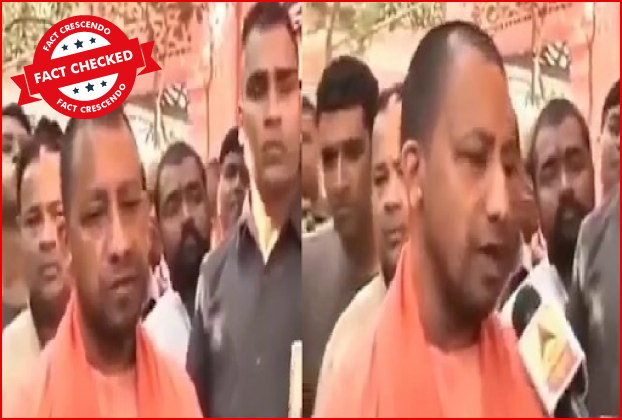
योगी बाबा बोले यही तो खूबी हैं अखिलेश यादव कुछ भी कर सकते हैं। यूपी में 10 मार्च को अखिलेश आएंगे।“
Publisher’s rating: Missing Context
Une vidéo montre comment les médias traditionnels, de mèche avec la police et les autorités, sont censurés par le gouvernement.
Publisher’s rating: La vidéo, qui remonte à 2018, a été sortie de son contexte. France 3 avait rejeté à l’époque toute accusation de censure, expliquant que l’intervention de leur journaliste avait dû être interrompue en raison d’un impératif technique – celui de rendre l’antenne pour poursuivre le programme national.
The claim refers to a France 3 regional-news clip in which a journalist reporting from Bordeaux was cut off while describing tensions between Yellow Vest protesters and police. The review identifies the journalist as Laurianne de Casanove and dates the footage to November 2018. It says the clip resurfaced online in February 2022 with an added Telegram-channel reference, giving it a more current framing. The review describes how some viewers interpreted the abrupt interruption as censorship, but reports that France 3 rejected that accusation and attributed the cut to a broadcast scheduling requirement. [S1: “Celle-ci a été tournée en novembre 2018. Elle est issue du journal télévisé du 12/13 de France 3 Aquitaine (sud-ouest). La journaliste Laurianne de Casanove effectue un duplex depuis Bordeaux pour faire le point sur un blocage des Gilets jaunes.”] [S1: “Elle a de nouveau fait surface sur les réseaux sociaux à la mi-février 2022, notamment ici où elle comptabilise plus de 600 000 vues. Sur celle mentionnée ci-dessus, la mention d’un canal Telegram intitulé « Invaccinable » a été rajoutée, remettant la vidéo dans un contexte plus actuel.”] The review reports that the regional programme had to return the broadcast to the national newsroom at a set time. It quotes a former France 3 Aquitaine digital delegate saying the live segment had run over and was cut for that reason. It also reports that de Casanove said she had exceeded her allotted time by 15 seconds and had not immediately heard the instruction to hand back because of a delay in her earpiece. [S1: “Les journaux régionaux du groupe doivent se conclure à une heure précise pour rendre l’antenne à la rédaction nationale. « Il s’agit simplement d’un duplex qui a débordé, et qui a été coupé car nous devions repasser l’antenne au national », clarifiait auprès de Franceinfo Delphine Vialanet, alors déléguée au numérique de France 3 Aquitaine.”] [S1: “Laurianne de Casanove avait indiqué avoir débordé sur le temps de 15 secondes qui lui avait été imparti en fin de journal. « Je n'entends pas tout de suite dans mon oreillette que je dois rendre l'antenne car il y a un temps de latence, alors je continue, ce qui force ma collègue à me couper la parole », avait-elle précisé, affirmant ne pas avoir été censurée.”] The review adds that longer versions of the clip retain surrounding remarks: the presenter introduces the segment as the journal’s closing item and says they would return to the information after cutting away. It also reports that the police intervention had been discussed elsewhere in the broadcasts. These details support the review’s account of a scheduled handover, rather than establishing that the interruption was ordered by authorities to suppress reporting. [S1: “Dans des versions plus longues de la vidéo (par exemple ici), on peut d'ailleurs entendre des éléments clés qui ont été coupés dans les versions plus récentes. La présentatrice commence ainsi la séquence par la phrase « Pour refermer ce journal (…) » et termine par « On reviendra bien sûr sur ces informations » après avoir coupé la journaliste.”] [S1: “L’intervention des forces de l'ordre avait aussi été évoquée dans le journal du soir, avait rapporté 20 Minutes.”]