PeakMetrics / Fact Checks
Politics & government fact checks
Explore claims publishers have checked about politics & government. Read their original ratings and follow the evidence.
Search fact checks
Search by text or image12,746 published reviews in this topic
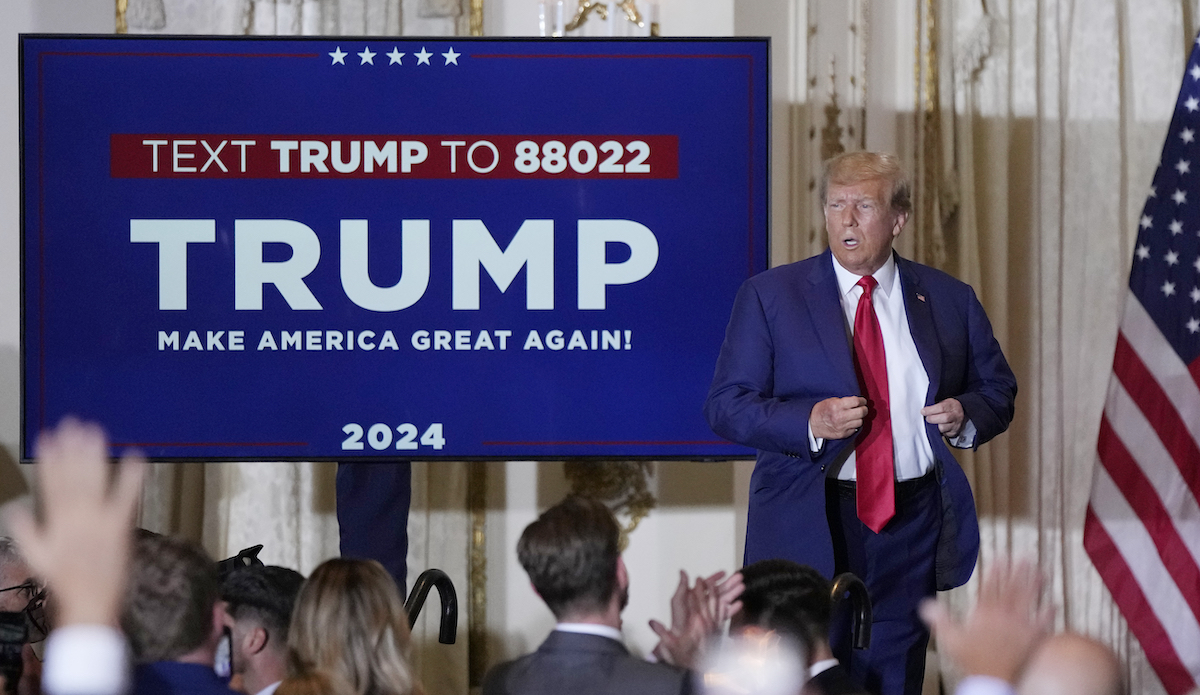
"Under the (Presidential Records) Act, I am supposed to negotiate with NARA, the National Archives and Records Administration."
Publisher’s rating: This is inaccurate
"Biden was vice president. He had absolutely no right to declassify as vice president."
Publisher’s rating: This is largely wrong


“Tengo un juez que odia a Trump con una esposa y una familia que odia a Trump, cuya hija trabajó para Kamala Harris”.
Publisher’s rating: Falta contexto

The Biden administration said it would impose sanctions on Uganda for passing an anti-gay law
Publisher’s rating: False
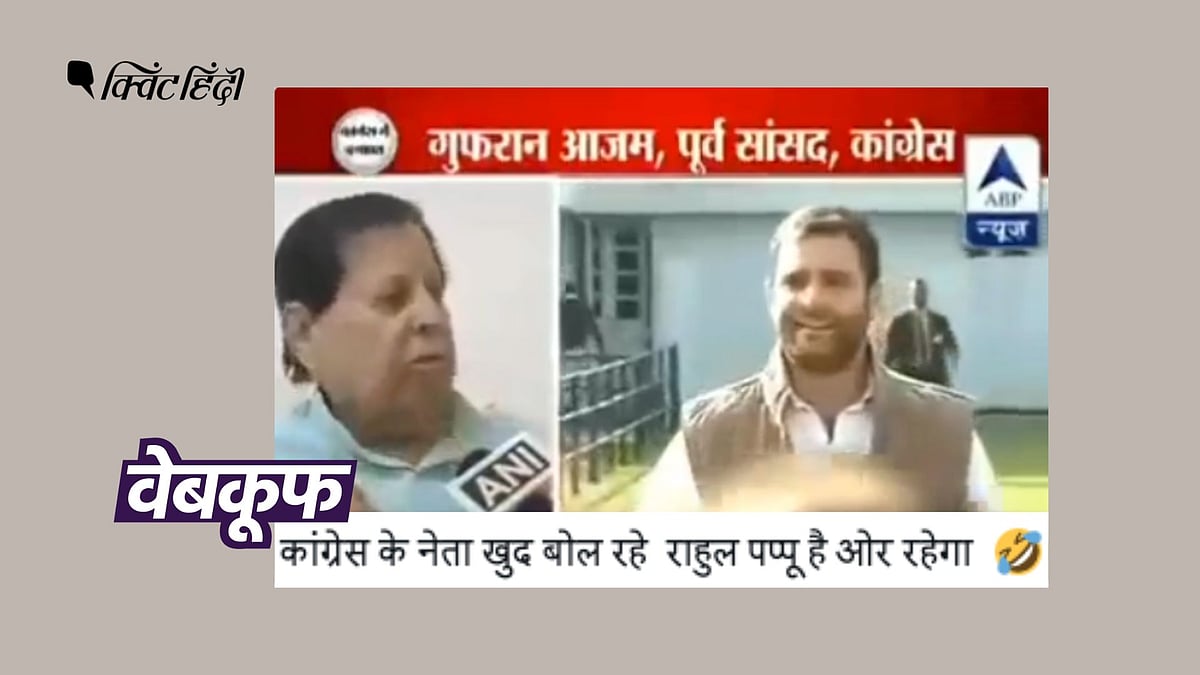
राहुल गांधी के खिलाफ बोलते कांग्रेस नेता गुफरान आजम का अभी का वीडियो
Publisher’s rating: FALSE
“Abiertamente haber llevado cajas de documentos y sobre todo ropa y otras cosas a mi casa, algo que el presidente Obama ha hecho”.
Publisher’s rating: Falso
“Biden era vicepresidente, no tenía absolutamente ningún derecho a desclasificar [documentos]”.
Publisher’s rating: Falso

Bild zeigt Personenschützer von Bürgermeister Ludwig
Publisher’s rating: Das ist falsch. Im Bild sind keine Personenschützer zu erkennen. Laut SPÖ waren auch gar keine anwesend.
The claim concerned a photo said to show bodyguards accompanying Vienna Mayor Michael Ludwig at the Brunnenmarkt. The review says Ludwig visited the market to counter comments by ÖVP politician Karl Mahrer about integration there, and that social-media users presented the image as evidence he had gone with several bodyguards. The visit took place on 24 March; the review identifies the image’s location as the corner of Gaullachergasse and Brunnengasse. The claim was that men visible behind Ludwig were his personal-protection detail. The review compared the men in the photo with other images and identified the two men behind Ludwig as Hanno Csisinko, the mayor’s press spokesperson, and Andreas Kutheil, head of the market office (MA59). Csisinko confirmed their identities to dpa. According to the review, Kutheil had met Ludwig by chance during the visit. The men were therefore not evidence of bodyguards accompanying the mayor. The review also says a camera crew documented the visit and that no bodyguards were visible in that footage. A third person in the photo could not be identified; the review says this person might have been an ordinary passer-by. It reports that the SPÖ said no bodyguards were present. Taken together, the identifications, the account of Kutheil’s chance encounter, and the footage support the conclusion that the image does not show Ludwig’s bodyguards.

This picture is when Manmohan Singh was the Prime Minister and was on a visit to Bangladesh as per the protocol Manmohan Singh was supposed to sit with the Prime Minister of Bangladesh but on the seat where Prime Minister Manmohan Singh was supposed to sit there is a modest Member of Parliament Antonio Maino aka Sonia Gandhi
Publisher’s rating: Fake

ఒక ఆంధ్ర నాయకుడికి సంబంధించిన విలాసవంతమైన ఇంటి ఫోటోలు
Publisher’s rating: FALSE


La Ley de Montes permite recalificar terrenos
Publisher’s rating: Falso
The review addresses claims circulating on Twitter that Spanish wildfires were being deliberately set so burned land could be promptly rezoned for renewable-energy projects. Its focus is whether the Forest Law permits that immediate change of land use—not whether the law contains any exception to its general rule. The article says the posts linked the fires to plans to build wind farms or solar installations on burned areas. The review cites Article 50 of Law 43/2003, of 21 November. It says the law prohibits changing forest land use for at least 30 years after a fire and also bars activities incompatible with vegetation recovery during the period set by regional law. The article describes Spain’s autonomous communities as responsible for ensuring conditions for restoration of burned land. On that basis, it rejects the idea that burned land can simply be rezoned and built on immediately. The review also notes an exception added in a 2015 reform: an autonomous community may exceptionally change forest use for overriding reasons of public interest, but those reasons must be recognized by law and compensatory measures must provide an equivalent forest area. The article says that if the public interest is that of the nation as a whole, approval must occur at the state level. It distinguishes this narrow, legally approved exception from the viral posts’ claim of immediate rezoning for renewable-energy projects.

アフリカ40カ国の代表がモスクワにいる?会議は開かれているが別の画像
Publisher’s rating: 誤り
The image showed a different event: the 2019 Russia–Africa Summit in Sochi, not a gathering in Moscow on March 20, 2023. A separate Russia–Africa parliamentary conference was held on March 20, with delegations from more than 40 African countries, mainly parliamentary officials.
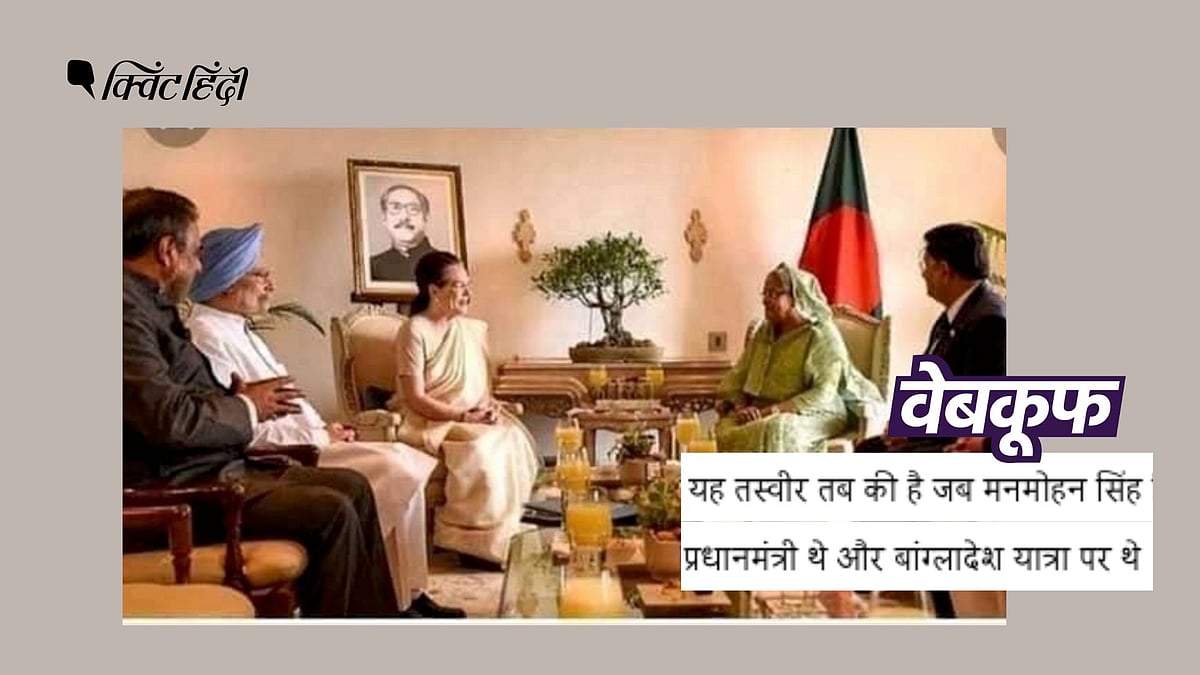
बांग्लादेश पीएम शेख हसीना से मुलाकात करते मनमोहन सिंह और सोनिया गांधी की ये फोटो 2014 से पहले की है.
Publisher’s rating: FALSE

Photos show that Pennsylvania Sen. John Fetterman has a body double
Publisher’s rating: False