PeakMetrics / Fact Checks
Health & medicine fact checks
Explore claims publishers have checked about health & medicine. Read their original ratings and follow the evidence.
Search fact checks
Search by text or image13,677 published reviews in this topic

“Nearly half of pregnant women in Pfizer trial miscarried.”
Publisher’s rating: False

The CDC said it “made a mistake” and reduced its count of Florida COVID-19 cases from 90,000 to 11,000.
Publisher’s rating: False

"Biden/Obama were a disaster in handling the H1N1 Swine Flu. Polling at the time showed disastrous approval numbers. 17,000 people died unnecessarily and through incompetence!"
Publisher’s rating: Four Pinocchios

COVID-19 is “here to stay” and “we need to accept that and be prepared to deal with COVID long term.”
Publisher’s rating: Mostly True
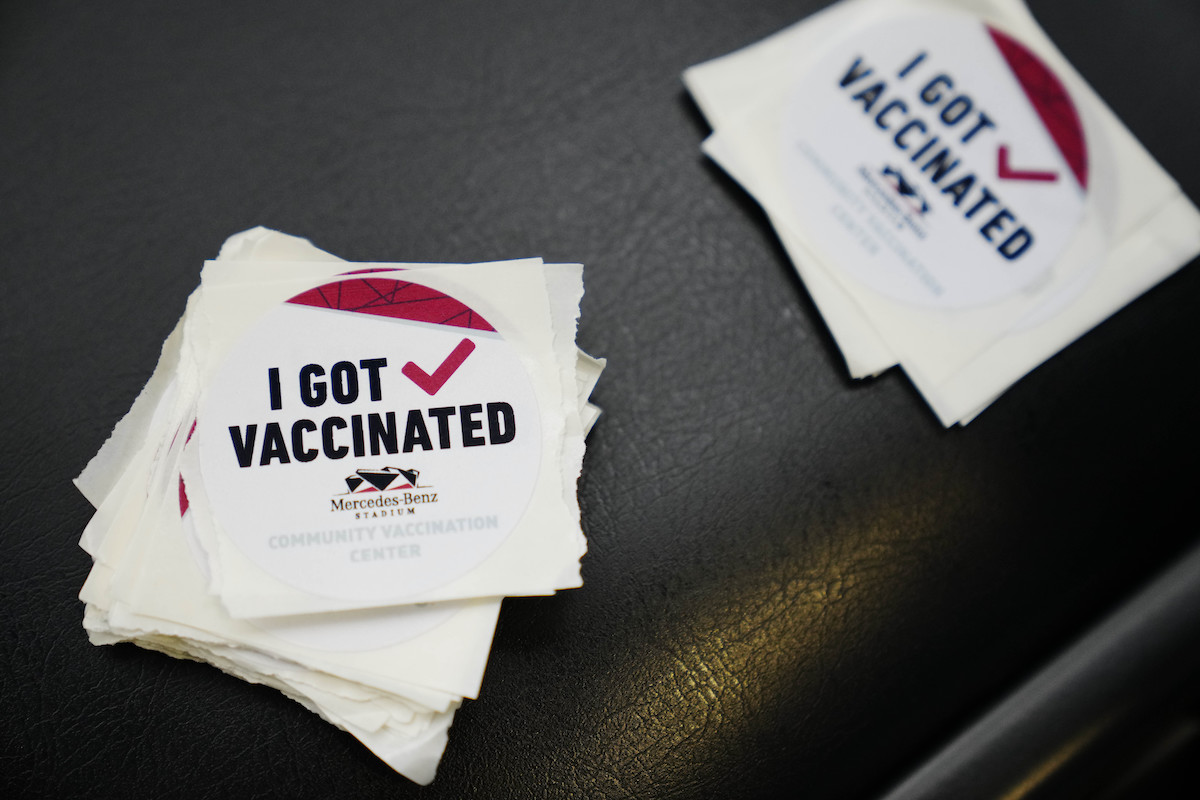
"They’re unable to administer vaccines if the lockdown ends because the emergency ends with it.”
Publisher’s rating: False

"Data from the New Zealand Ministry of Health shows that the COVID vaccines have killed over 10 million worldwide”
Publisher’s rating: False
El coronavirus se predijo en los Juegos Olímpicos de Londres 2012
Publisher’s rating: Falso
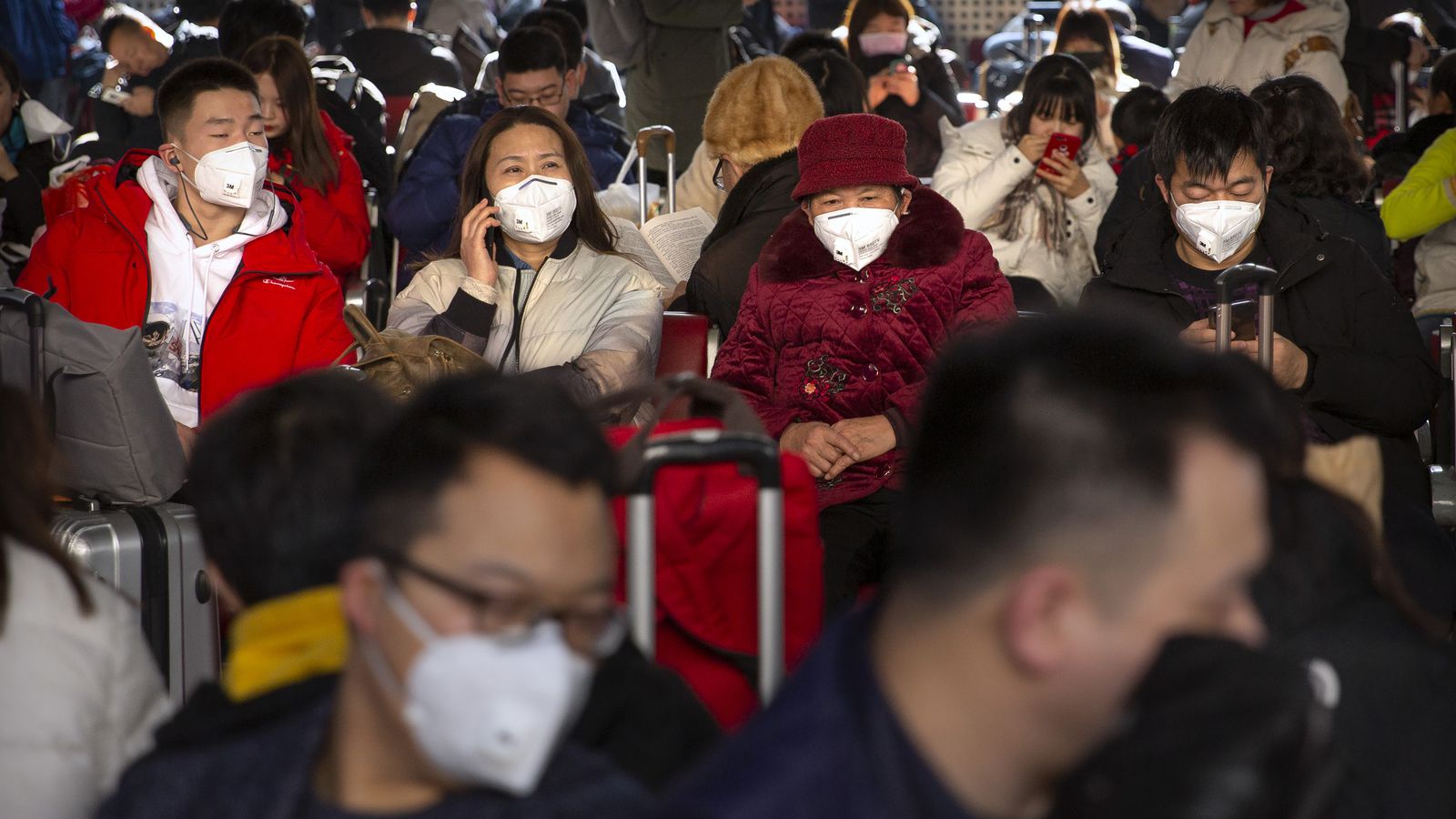
“Breaking: UK Prepares For Full Lockdown After Hundreds Of New Cases — Wuhan Super Virus Updates.”
Publisher’s rating: False

“Jamaica has not recorded any case of the coronavirus.”
Publisher’s rating: Pants on Fire
Research from related reporting contradicts the claim that Jamaica had never recorded a coronavirus case. The Jamaica Observer reports that the country recorded its first COVID-19 case in March 2020 and had more than 156,000 cases before the pandemic was declared over in 2023. The report also describes a more recent local confirmation: Westmoreland medical officer of health Dr Marcia Graham said one case had been confirmed in the parish since the start of that year. She told a meeting of the Westmoreland Municipal Corporation that the patient had been ill in a hospital in the parish. The article notes that Jamaica had stopped tracking cases because COVID-19 was no longer considered a public health emergency, while isolated confirmations continued to be reported. Thus, the lack of routine national tracking does not support the claim that Jamaica had recorded no cases.

“Church services can’t resume until we’re all vaccinated, says Bill Gates.”
Publisher’s rating: False
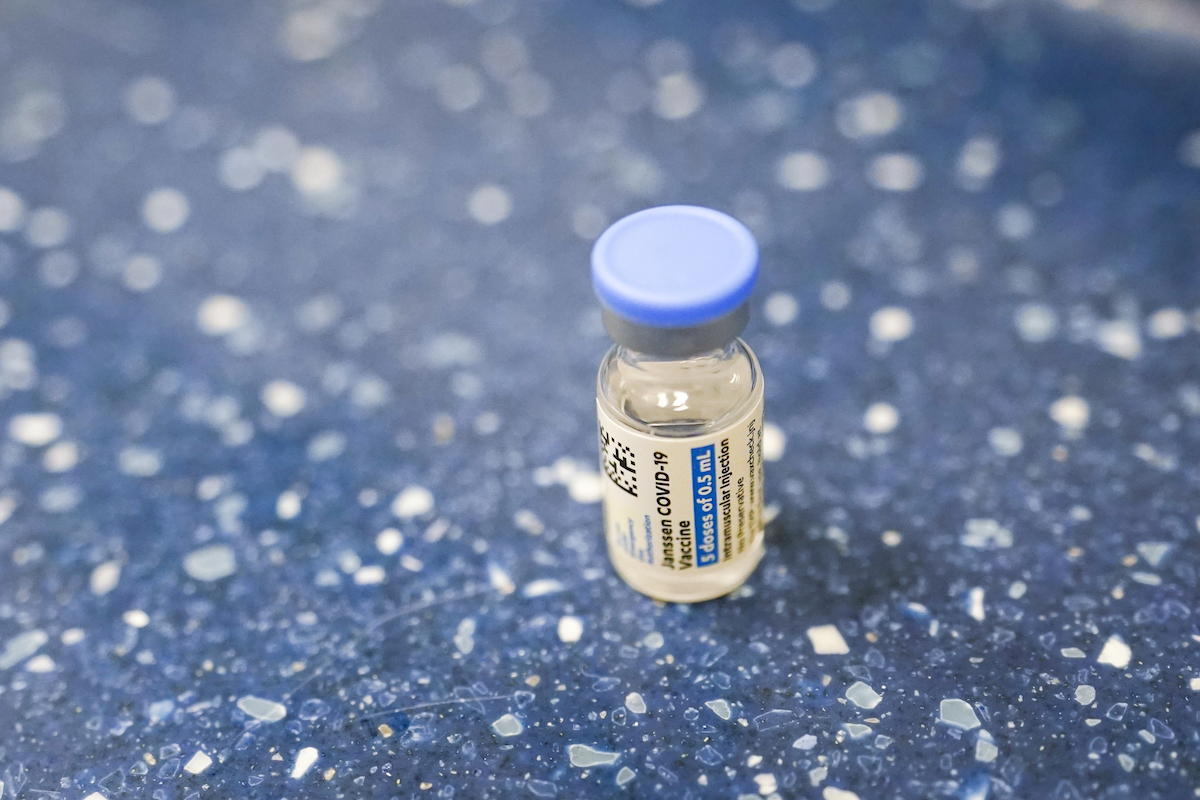
The COVID-19 vaccines make people "magnetized. They can put a key on their forehead, it sticks. They can put spoons and forks all over them, and they can stick."
Publisher’s rating: False
Related reporting traces the claim to Dr. Sherri Tenpenny’s testimony at the Ohio Statehouse in 2021, where she argued against vaccine requirements and mask mandates. The report quotes her saying that people who received COVID-19 shots were “magnetized” and that a key, spoons and forks could stick to them. This directly matches the claim being checked. The reporting rejects the alleged effect, stating that “The COVID-19 vaccine does not contain microchips or make metal objects stick to recipients.” It describes the claim as misinformation, but the excerpts do not detail experiments or other testing used to reach that conclusion. They therefore support the conclusion that the claim is false, while offering limited information about the underlying verification methods.

Convalescent plasma had been “proven to reduce mortality by 35%" in hospitalized COVID-19 patients.
Publisher’s rating: False

The vitamin K injection for newborns "is not a vitamin but a mixture of chemicals" and "can cause death"
Publisher’s rating: False

Antibody tests will "support our efforts to get Americans back to work by showing us who might have developed the wonderful, beautiful immunity" to the novel coronavirus.
Publisher’s rating: We Explain the Science
Abhigya Anand, el niño indio de 14 años que predijo el coronavirus
Publisher’s rating: Falso
Mandatory FGM check-up for school girls in Narok County
Publisher’s rating: False.

"Many people every year, sometimes over 100,000, and despite the Vaccine, die from the Flu."
Publisher’s rating: Exaggerates