PeakMetrics / Fact Checks
Health & medicine fact checks
Explore claims publishers have checked about health & medicine. Read their original ratings and follow the evidence.
Search fact checks
Search by text or image13,677 published reviews in this topic
Council on the Ageing chief executive Ian Yates claims nursing home residents are increasingly being restrained with antipsychotic drugs. He claims there has been a significant shift toward the use of chemical restraints in nursing homes over the past decade.
Publisher’s rating: Mostly True – Mostly accurate, but there is a minor error or problem.
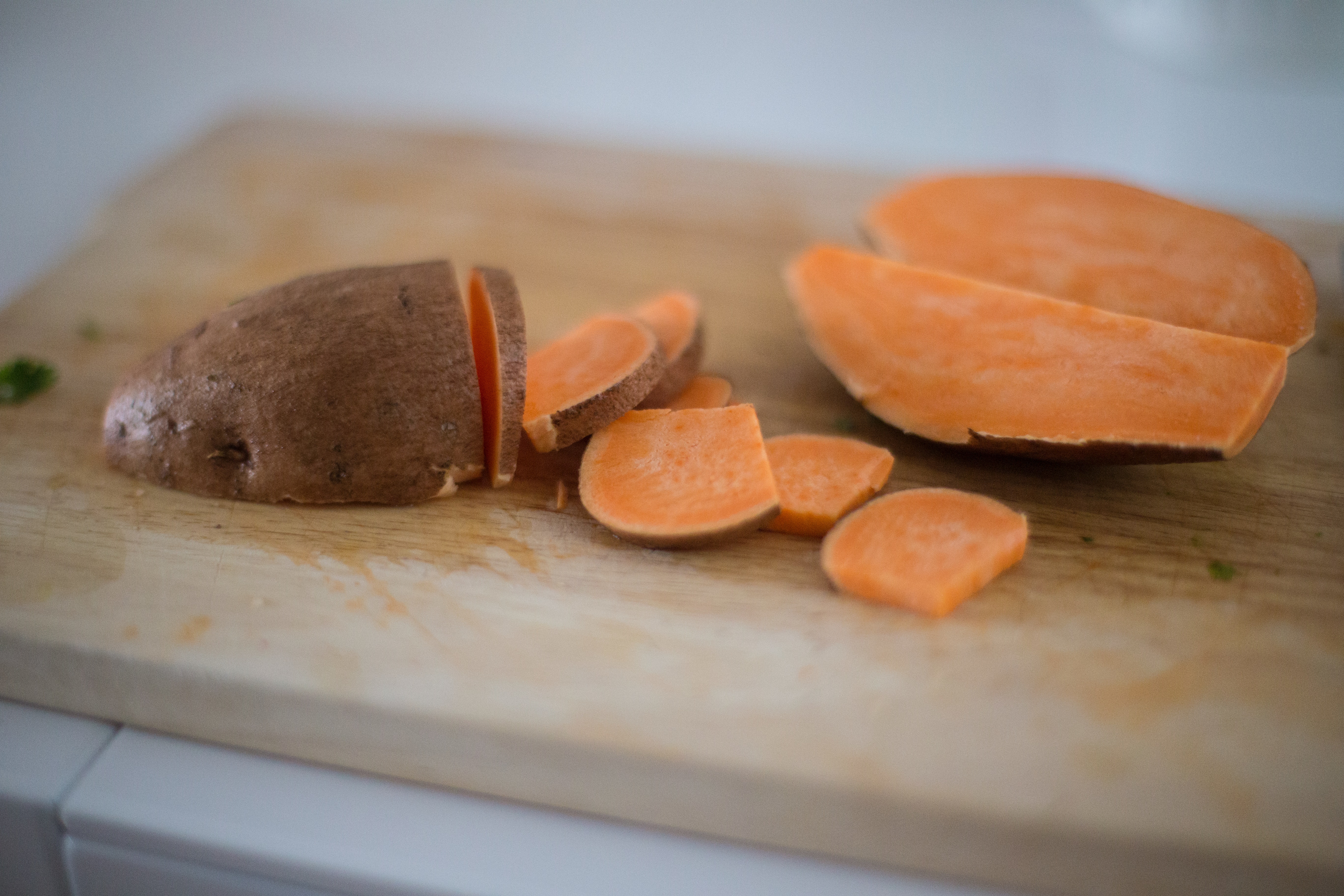
過午別吃地瓜
Publisher’s rating: 部分錯誤
The claim combines a strict timing warning—sweet potatoes must be eaten by noon—with several asserted benefits, including cancer prevention, preventing calcium loss, beautifying skin, and preventing organ prolapse. The review reports consulting a traditional Chinese medicine physician, a Western-medicine physician, and a dietitian, and distinguishes traditional timing advice from evidence about digestion and metabolism. In the traditional Chinese medicine account, morning consumption may follow the concept of meridian circulation; the Western-medicine account says meal timing does not itself improve absorption, and weight depends on the balance of calories consumed and expended. The review does not support a universal noon cutoff. It notes that sweet potatoes’ carbohydrate and fiber content can cause bloating or other digestive discomfort for some people, and that people with poor blood-sugar control or digestive problems may wish to avoid eating them late. The practical concern described is individual discomfort, especially at night, not a general rule that afternoon consumption slows metabolism or causes weight gain. The review finds that sweet potatoes provide nutrients and fiber that can help bowel movements. It describes a possible role in preventing colorectal cancer through fiber, but says evidence for preventing cancer generally remains unestablished. It also reports no medical evidence substantiating the claimed prevention of calcium loss, skin benefits, or prevention of organ prolapse. Finally, fiber in the skin may bind cholesterol in the intestine, but the review says available research does not establish that sweet-potato skin prevents cardiovascular disease; blood cholesterol is affected by other factors as well.
Butterfly Foundation chief executive Christine Morgan says eating disorders claim more lives than any other psychiatric illness.
Publisher’s rating: Mostly True – Mostly accurate, but there is a minor error or problem.
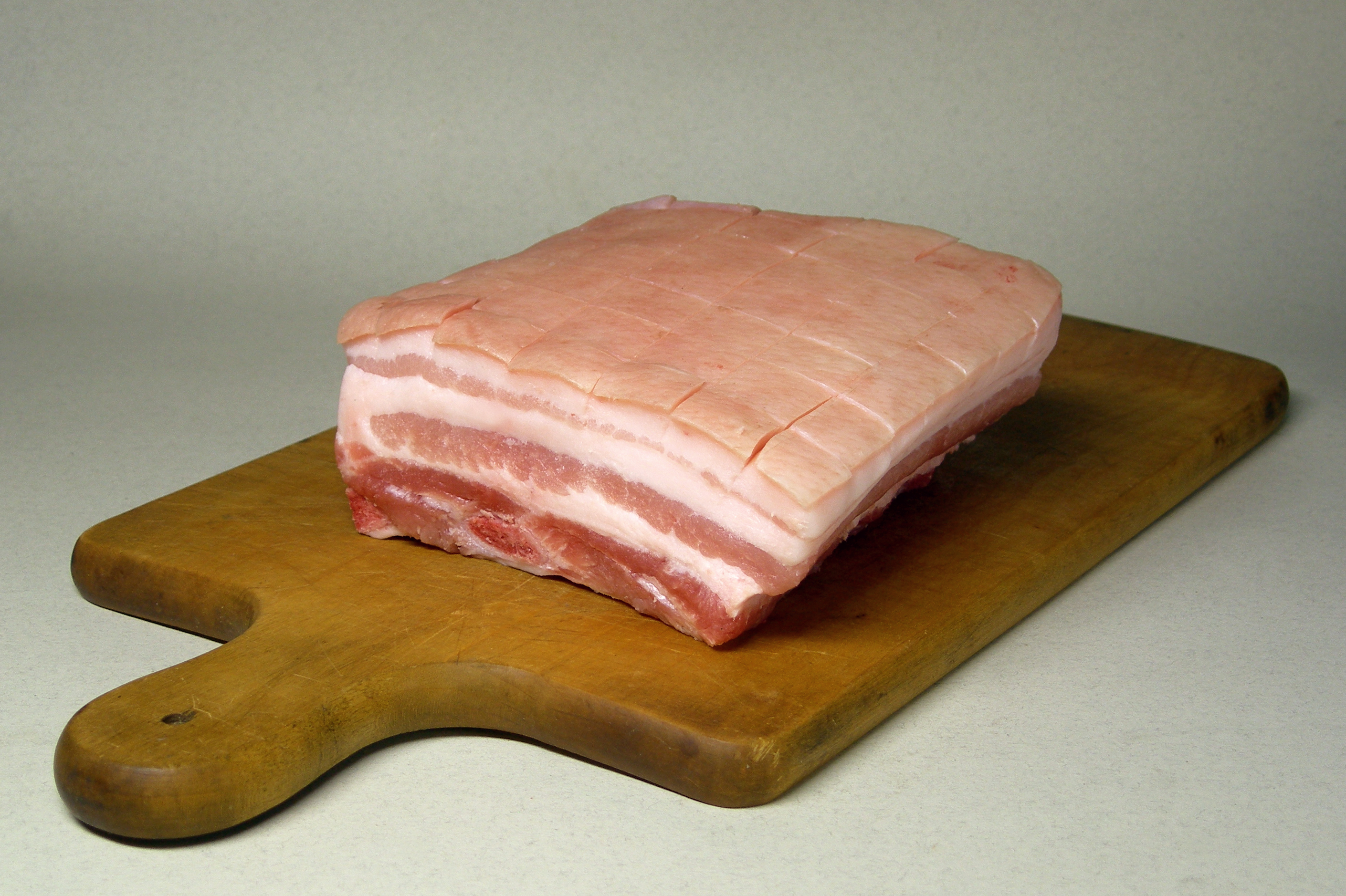
BBC將豬油評為10大最有營養的食物之一
Publisher’s rating: 部分錯誤
The claim concerns BBC’s ranking of lard among the world’s ten most nutritious foods. The review confirms that BBC published a report on the subject and that lard, or pork fat, appeared at number eight. But it explains that the ranking was not a general judgment that lard is among the healthiest or most nutritious foods to eat on its own. The underlying study assessed how well foods could contribute to meeting daily nutritional needs when combined with other foods. The review describes the list as foods “最適合與其他食物搭配、卻不會超過人類平日營養需求” and quotes the study’s scoring explanation: “The higher the score, the more likely each food would meet, but not exceed your daily nutritional needs, when eaten in combination with others.” The review says it searched for the relevant BBC material and consulted nutritionist Lin Yi-chen about what the study and ranking meant. Lin’s explanation was that lard scored for its usefulness in combinations that supply varied nutrients; the ranking did not establish that lard is necessarily healthier or more nutritious overall. The review also notes that BBC’s description of lard as a source of B vitamins and minerals, and as having more unsaturated fat than lamb or beef fat, reflects claims made in the BBC report. Those points do not change what the ranking measured. The review adds nutritional qualifications relevant to interpreting the broader online message. It reports that lard contains roughly 40% saturated fat and says Lin warned that this can pose cardiovascular risks, advising against using lard as the main cooking oil. The report also rejects the accompanying claims that lard clears blood vessels or treats hepatitis; it says the claim about removing blood stasis lacks medical evidence. Thus, the existence of a BBC list entry is supported, but portraying its rank as proof that lard is one of the best or healthiest foods—and treating it as support for the claimed health effects—goes beyond what the cited study establishes.
Kenya’s President Uhuru Kenyatta has been admitted to Nairobi Hospital for an eye ailment
Publisher’s rating: False


金門海漂死豬證實感染非洲豬瘟
Publisher’s rating: 正確
The review reports that on January 3, 2019, Agriculture Council chair Chen Chi-chung said at a press conference that a dead pig found by Kinmen coast patrol personnel on the shore at Tianpu, Jinsha Township, had tested positive for African swine fever virus. He also said the dead pig had drifted from China. The report notes that the case differed substantially from the scenario in the Council’s earlier exercise, but that authorities began disease-control measures: movement restrictions and sampling within five kilometres of the detection site, disinfection for people, vehicles and equipment that had contact with the carcass, and a 14-day suspension of imports of Kinmen pigs and pork products into Taiwan.

訊息傳「台灣麵包危險,勿食用」謠言,食藥署表示「偶氮二甲醯胺」為合法食品添加劑,也是國際間准許使用之麵粉改良劑。
Publisher’s rating: 大部分錯誤
「居家隨手可調配,漂白水混合液能殺非洲豬瘟」?
Publisher’s rating: 部分錯誤
The review finds the claim only partly accurate because it combines evidence about disinfecting livestock environments with advice for ordinary households. It reports that Taiwan’s animal and plant health authorities said bleach’s active compounds, including sodium hypochlorite, can damage many viruses and bacteria, including African swine fever virus. The World Organisation for Animal Health recommended hypochlorite-based products for disinfecting pigsties and farm environments. That supports use in those settings; it does not establish that householders should routinely prepare and use bleach against the virus. To check how the advice had been presented, the review examined a Chinese Health Network article quoting toxicologist Yen Tsung-hai and contacted him. Yen said his comments referred to the international organization’s recommendations for environmental disinfection in affected areas, specifically livestock facilities and their surroundings—not general household disinfection. The review also consulted Taiwan’s animal and plant health authorities about bleach’s effectiveness and appropriate use. The key qualification is safety and setting: the review says household cleaning bleach is an environmental disinfectant, not a medicine for people or animals, and can irritate skin, mucous membranes, and the respiratory tract. The authorities cautioned against using it on humans or pigs and said household disinfection generally did not require bleach. At the time covered by the review, Taiwan was not an African swine fever-affected area; it said ordinary home disinfection could use 75% alcohol instead. Thus, bleach can be effective for specified environmental disinfection, but presenting that as a general home-use recommendation overstates the evidence.

Marie Stopes allowed to procure abortions and post-abortion services
Publisher’s rating: TRUE
Babies should receive a vitamin K shot at birth.
Publisher’s rating: True

醫師表示:香蕉雖含鉀離子,和預防中風之間應沒有相連性。對高血壓或藥物治療患者則不能多吃。常人每日建議攝取量為 95 克(大 1/2 根、小 1 根)。腎功能不佳、洗腎患者宜少吃。
Publisher’s rating: 半數屬實
Adding fluoride to drinking water causes health problems.
Publisher’s rating: False
Related reporting gives a dose-dependent picture rather than establishing that adding fluoride to drinking water generally causes health problems. One report says the U.S. Public Health Service recommends 0.7 milligrams per liter and that the medical community supports low levels in drinking water as safe. The same report describes fluoridation as a public-health measure intended to reduce cavities, while noting that some activists oppose it over health concerns. Its excerpt does not detail the evidence behind those concerns or identify the National Academies investigation. Other supplied reporting describes possible risks associated with higher fluoride exposure. A research article on bladder cancer and insulin resistance says that daily intake of water with fluoride concentrations above 1.5 mg/L produces insulin resistance. Separately, a news report quotes the CDC director saying too much fluoride can have neurological and developmental impacts, and refers to a 2025 analysis associating higher fluoride levels with lower IQ scores in children. That report also notes that dental experts have generally dismissed studies of possible brain effects because they were conducted in other countries with much higher water-fluoride levels. These excerpts therefore distinguish higher exposure from recommended community-water levels, but do not provide enough detail to evaluate the underlying studies or determine a precise safe threshold.

Vaccines cause autism.
Publisher’s rating: False
Certain vitamins or supplements will help with weight loss.
Publisher’s rating: Probably not