PeakMetrics / Fact Checks
Health & medicine fact checks
Explore claims publishers have checked about health & medicine. Read their original ratings and follow the evidence.
Search fact checks
Search by text or image13,677 published reviews in this topic

Le coronavirus qui sévit en Chine a été inventé en laboratoire et un brevet existe sur ce virus
Publisher’s rating: Faux
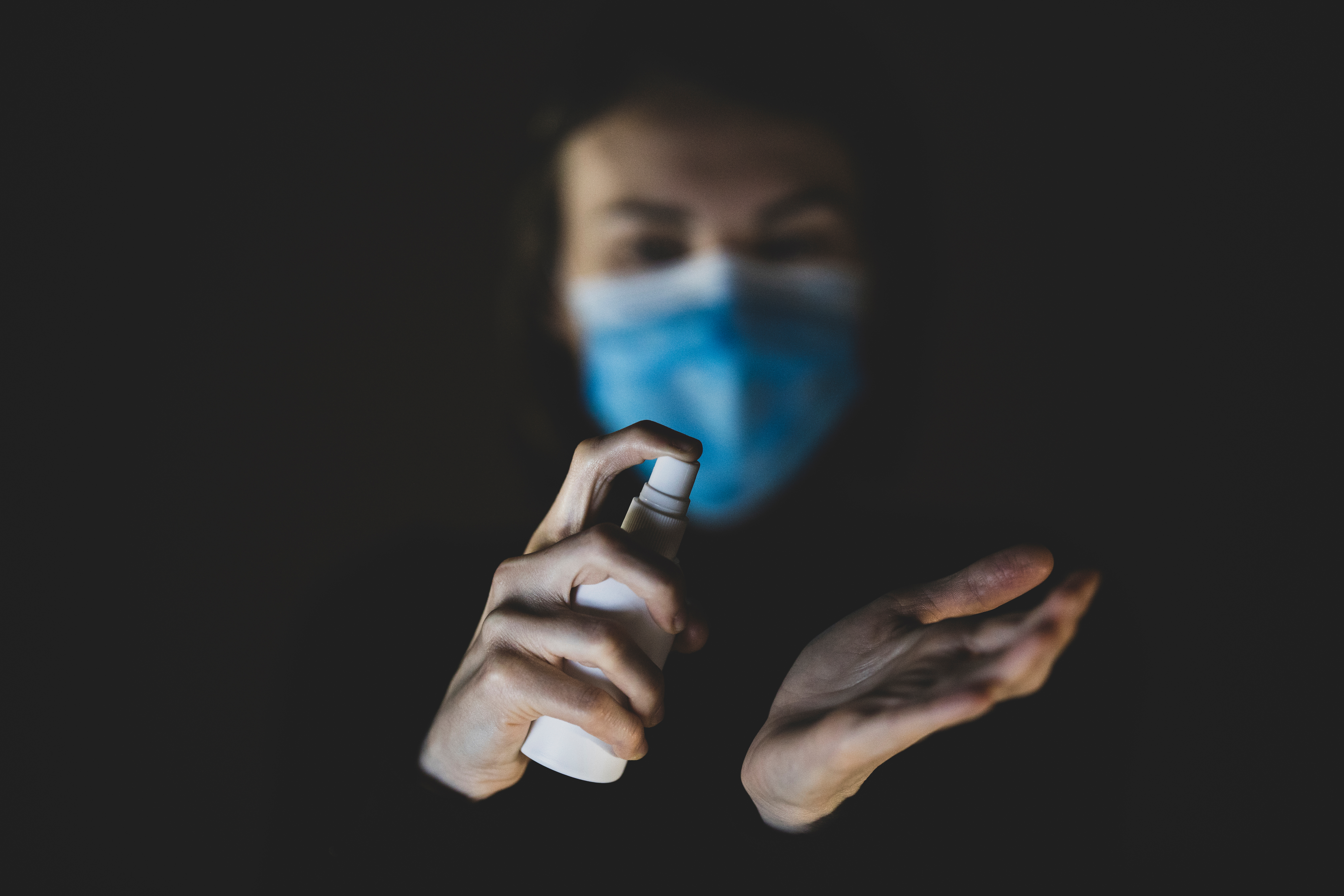
網傳「好消息!新病毒不耐高溫。冠狀病毒在56攝氏度、30分鐘就死亡了...新病毒怕酒精,醫用酒精消毒是有效的...人在家裡時,可以把暖氣和空調都開著」?
Publisher’s rating: 部分錯誤
The review examined a message circulating on chat apps that said coronavirus would die after 30 minutes at 56°C, that alcohol could disinfect against the new virus, and that people could turn on heating or air conditioning at home. Its conclusion distinguishes between claims about disinfection and a claim about indoor heating: some statements described useful ways to kill virus on surfaces, but ordinary indoor temperatures from heating would not eliminate it. The review also cautioned that disinfection does not treat someone who is already infected. Supporting evidence includes the review’s account of the message and its conclusion: “通訊軟體流傳訊息指出:「好消息!新病毒不耐高溫。冠狀病毒在56攝氏度、30分鐘就死亡了…新病毒怕酒精,醫用酒精消毒是有效的。” and “酒精、乙醚、含氯消毒劑確實可以達到殺死病毒的效果,但這些是使用於環境消毒,對已經感染的病患沒有效果。” For the heat and disinfectant claims, the center says it interviewed virologist Shih Hsin-ju and professor Wu Hung-yi. Shih said the message’s description of heat was correct; Wu also said viruses are heat-sensitive and explained that alcohol can damage the coronavirus’s outer structure. The review says 75% medical alcohol, diluted bleach, and hand sanitizer could be used for household or personal disinfection, while noting that bleach and ether are among products used in hospital disinfection. These findings concern cleaning or disinfection, not heating a room to kill virus. The review reports the interview findings and conclusion directly: “她表示傳言此段描述正確。” and “冠狀病毒的外層,主要是由蛋白質和肪質所組成,理論上酒精可以破壞蛋白質結構,因此,酒精能夠消毒。” The claim that heating or air conditioning would eliminate virus was not supported by the review’s interviews. Wu said temperatures reached by ordinary heating—roughly 20°C to 30°C—would not kill it, and that air conditioning in a room with an infection source could increase airborne virus concentration. The review says the experts instead advised ventilation; it separately notes that air conditioning may be used by people in home isolation or health monitoring who have no health concerns. The relevant evidence is: “暖氣一般是讓室溫維持在攝氏20幾度到30度,這不是可以消滅病毒的溫度” and “進行居家隔離、自我健康管理的民眾,尚無健康疑慮,可使用空調。”

網傳「武漢肺炎已經定名為SARI了,確定是SARS的強進化病毒...目前市面上所有藥物均無效...乙酸對病毒有效」?
Publisher’s rating: 部分錯誤
The review examines a social-media and messaging-app rumor that Wuhan pneumonia had been renamed SARI, was an evolved form of SARS, had no effective medicines, and could be disinfected with diluted white vinegar. It addresses these claims separately, drawing on statements from Taiwan’s health authorities and interviews with medical specialists; it does not present laboratory testing of vinegar or clinical trial results for a specific treatment. On the naming claim, the review reports that WHO temporarily named the illness “2019-nCoV” after China identified a novel coronavirus on January 7, 2020. Taiwan’s Centers for Disease Control clarified on January 25 that SARI means severe acute respiratory infection, a longstanding general term for pneumonia requiring hospitalization that can have multiple causes—not a name specific to this coronavirus. The review also notes that a claim about the virus being an advanced SARS virus was part of the rumor, but its cited naming evidence does not establish that characterization. On treatment, a coronavirus researcher told the review that no drug had yet been approved for the new coronavirus and that candidate drugs remained in experimental development. The review distinguishes the absence of a specific approved medicine from being unable to provide care: Taiwan was using supportive treatment, including oxygen and monitoring. It reports that specialists rejected using steroids as the asserted standard treatment, and that an HIV medicine being tried in China was an early approach without sufficient evidence of better outcomes. On disinfection, an infectious-disease specialist recommended diluted bleach or 75% alcohol and said white vinegar was not an effective disinfectant. Together, these findings address the rumor’s separate points rather than supporting its broad claims as a whole.
網傳「鐘院士的防病毒高招:建議各位去醫院或其他公共場合之前用淡鹽水漱一下嚥喉部位,回家後再漱一次...」?
Publisher’s rating: 錯誤
The message claimed that Zhong Nanshan recommended gargling dilute salt water before going to a hospital or other public place and again after returning home, on the theory that it would kill viruses or bacteria in the throat and prevent infection. The review examined whether Zhong’s team issued that advice and whether salt-water gargling could prevent the new coronavirus. It reports that Zhong’s team called the message an internet rumor; the hospital team’s official social-media account posted a denial on January 22, 2020. The review also reports that the hospital account distinguished cleaning the mouth and throat from protecting the respiratory tract: gargling does not clean the respiratory tract, and there was no evidence that salt water eliminated the new coronavirus. The investigation additionally consulted specialists through Taiwan’s Emerging Technology Media Center and interviewed experts in veterinary pathology, infectious diseases, and emerging-virus research. Those experts said the proposed gargling method had no demonstrated preventive effect; the review’s conclusion was that the circulating advice was false.


Vou repassar ,para as pessoas verem como faz bem a saúde os energéticos !!! Vale a pena morrer mais cedo
Publisher’s rating: Falso


ಚೀನಾದ ಲುಪ್ಪೊ, ತಮ್ಮ ಕೇಕ್ಗಳಲ್ಲಿ ಮಾತ್ರೆಗಳನ್ನು ಮರೆಮಾಡುತ್ತದೆ, ಇದು ಮಕ್ಕಳಲ್ಲಿ ಪಾರ್ಶ್ವವಾಯುವಿಗೆ ಕಾರಣವಾಗುತ್ತದೆ.
Publisher’s rating: FALSE

"You have 64 public health mental health beds in the state of Iowa."
Publisher’s rating: Correct
"I was the person who saved Pre-Existing Conditions in your healthcare."
Publisher’s rating: To know is to see the face of God

Malappuram pulse polio drive had covered only 54%
Publisher’s rating: FALSE

El Hospital La Fe (Valencia) “necesita urgentemente 12 donantes” para un “niño de 10 años con leucemia”
Publisher’s rating: Falso
Video kantong empedu yang diklaim berisi boba dalam minuman bubble tea
Publisher’s rating: Sesat

Les taches violettes et les taches vertes dans les pommes de terres sont toxiques
Publisher’s rating: Faux
Tujuh pernyataan ekstrem soal rumah sakit yang diklaim berasal dari Menkes Terawan
Publisher’s rating: Keliru

புகைப்படத்தில் இருக்கும் பூச்சிக் கடித்ததால் குழந்தையின் உடலில் இப்படி பாதிப்பு ஏற்பட்டுள்ளது.
Publisher’s rating: Fake
போலியோ தடுப்பு மருந்தை கண்டுபிடித்த டாக்டர் ஜோனஸ் சால்க் குழந்தைகளுக்கு அது இலவசமாக கிடைக்க வேண்டும் என்று அதற்குரிய பேட்டண்ட் எனக்கு வேண்டாம் என சொல்லி விட்டார். அவர் இழந்தது 700 கோடி டாலர் (45000 கோடி ரூபாய்) . மனிதகுல நன்மைக்காக பெருங்கொடையளித்த கொடையாளி.
Publisher’s rating: True
