PeakMetrics / Fact Checks
Health & medicine fact checks
Explore claims publishers have checked about health & medicine. Read their original ratings and follow the evidence.
Search fact checks
Search by text or image13,677 published reviews in this topic

Utilizar el secador de pelo sobre los productos de las tiendas para protegerse del coronavirus
Publisher’s rating: Falso

Claim: Italy people thrown money in the road due to Covid 19
Publisher’s rating: False
Sanidad tumba los respiradores que Seat está fabricando en Cataluña
Publisher’s rating: Falso
The claim was that Spain’s Health Ministry had stopped respirators being made by Seat workers in Catalonia for public hospitals, including Germans Trias, also known as Can Ruti. The review says the allegation circulated in viral WhatsApp messages and distinguishes a temporary pause in work from a rejection of the respirator project. According to the review, UGT’s Seat factory union said on April 2 that workers had been sent home while tests were conducted on the devices’ static electromagnetic effects, to check they would not interfere with other equipment in intensive care units. The union’s account also rejected the interpretation circulating online: its spokesperson said the respirator project was being conflated with messages claiming workers had been ordered not to make it. The review then describes developments on April 3. UGT said workers could resume production after contacts with administration officials, including Health Minister Salvador Illa, and shared a video showing production restarting. Germans Trias hospital also issued a statement that evening. As described in the review, it confirmed that Spain’s medicines and medical-devices agency had approved a clinical study of a ventilation device developed by Protofy.xyz with the hospital, Clínic hospital and the University of Barcelona. The review identifies that prototype as the device Seat workers had been making in Martorell with engine components. Taken together, this account supports a temporary pause for testing followed by resumed production, rather than the ministry having stopped the project.

कोरोना फैलाने के लिए मुस्लिम लोग बर्तन चाट रहे हैं
Publisher’s rating: FALSE

Photos show Italian patients on the street unable to get treatment
Publisher’s rating: Misleading - the photos show earthquake victims in Croatia

உணவு பாக்கெட்டில் வாயால் ஊதி கொரோனா வைரசை பரப்புகிறார்கள்.
Publisher’s rating: Fake

मोमबत्ती जलाने से तापमान बढ़ेगा जिससे कोरोना वायरस खत्म हो जाएगा
Publisher’s rating: FALSE

Health Secretary Duque claims drinking gin and kalamansi will prevent COVID-19
Publisher’s rating: False
اعتبار علمی و سوابق مهران توکلی کشه و ادعاهایش درباره درمان کرونا با «آب گنس»
Publisher’s rating: شاخدار


An audio on whatsapp appeared in Italy in the last few hours, it shows coronavirus deaths (Sars-Cov-2) closed in body bags abandoned in bulk in the corridors of a hospital in Bergamo. The video is only shared through whatsapp in Italy so it's impossible to give you an italian link.
Publisher’s rating: half true
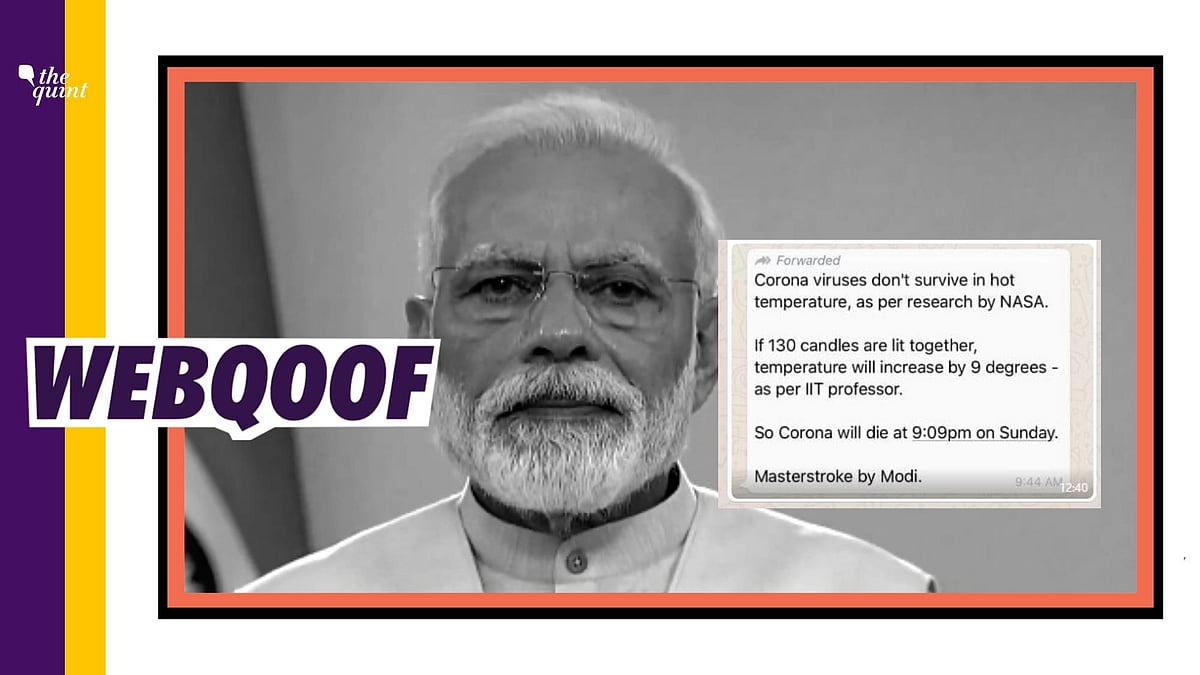
Burning 130 candles will kill COVID-19 by raising temperature by 9 degrees
Publisher’s rating: FALSE
Foto yang diklaim sebagai foto virus Corona Covid-19 yang berhasil dipotret dan diperbesar oleh ilmuwan India
Publisher’s rating: Keliru
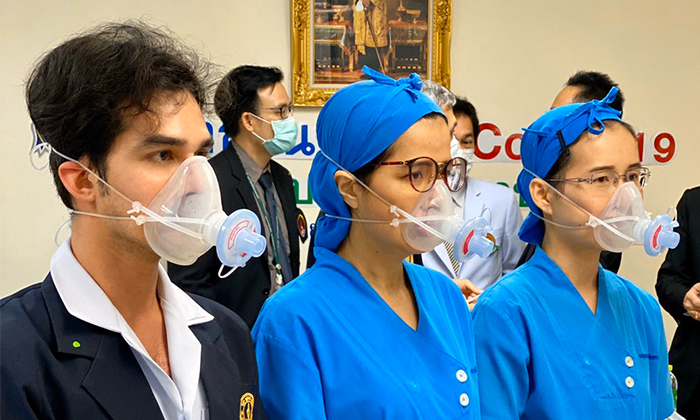

Muslim man spitting on food to infect people with COVID-19
Publisher’s rating: FALSE

Heat generated from candles can kill Coronavirus
Publisher’s rating: FALSE
The review addressed messages circulating around Prime Minister Narendra Modi’s April 5, 2020 appeal for people to light candles or use phone lights. Those messages linked the appeal to a claim that heat could kill coronavirus, including a forward asserting that lighting 130 crore candles would raise the atmosphere’s temperature enough for the virus to die. The review also described a separate video in which doctor KK Agarwal claimed that lighting a lamp would prevent coronavirus spreading in the body; the text says the government account that tweeted the video later deleted it. To assess the heat claim, the article reported statements from Rakesh Mishra, director of Hyderabad’s Centre for Cellular and Molecular Biology, and cited the World Health Organization’s “myth busters” page. Mishra said lighting lamps would not raise temperatures significantly and that the virus would not disappear as a result. The WHO statement quoted in the review said the virus could be transmitted in hot and humid areas. The article also noted that experts differed on whether sunlight and heat could limit viral growth, and quoted David Heymann saying that related viruses could spread during hot seasons. The review distinguished the candle claim from research about other conditions and other coronaviruses. It reported findings that SARS-CoV-2 could persist on some surfaces, while saying its survival outside the body remained unclear. It also described research on the SARS virus—not SARS-CoV-2—finding it could be killed above 56°C, and explicitly said scientists were still watching whether the novel coronavirus would be affected by temperature. Thus, the cited evidence did not establish that candle-generated heat would reach virus-killing temperatures or prevent transmission; the article’s conclusion rejected the claim that high temperatures would kill coronavirus.