PeakMetrics / Fact Checks
Health & medicine fact checks
Explore claims publishers have checked about health & medicine. Read their original ratings and follow the evidence.
Search fact checks
Search by text or image13,676 published reviews in this topic

En la Comunidad de Madrid tenemos la mejor sanidad de Europa, sólo precedida por la de Estocolmo
Publisher’s rating: Falso

Video of the Kenya Government using a Maasai tribe man to impose social distancing in Kenya
Publisher’s rating: FALSE
The claim concerns a video circulating during the coronavirus pandemic that appeared to show a man whipping people and telling them to keep one metre apart. It was presented as evidence that the Kenyan government had recruited Maasai men to enforce stricter distancing measures. The review’s conclusion is that the footage was not a real enforcement incident: it says the video came from an entertainment-oriented YouTube channel and that the government-recruitment claim was unsupported by reports it found. [S1]


一定要特別小心這次大降溫,千萬不能感冒...一發燒可能就不得不去醫院...完了就可能能被令隔離十四天...到了醫院就很容易被誤診...又有可能交叉感染...
Publisher’s rating: 事實釐清
The claim warned that a cold or fever during a major temperature drop could lead to hospital attendance, 14 days of isolation, misdiagnosis, and cross-infection. The review examined that specific message, which circulated on messaging and social platforms. Its central correction was that fever did not automatically mean admission or isolation: hospitals used patient-triage arrangements, and clinicians assessed whether admission was needed. The review stated that fever patients were assessed at well-ventilated outdoor screening stations and that not every fever case resulted in admission. Evidence: “通訊軟體、社群平台流傳訊息指出” and “目前醫院有設立患者分流機制,發燒患者會到通風良好的戶外篩檢站接受評估,經醫師診斷,判斷是否收治住院。並非所有發燒情況,都會被收治住院。” To describe how triage worked, the review reported interviewing Taipei City Hospital’s Renai Branch and cited physician Su Yifeng. At the hospital, patients were directed to different screening areas according to symptoms, travel or contact history, and need for medical support. Su said staff assessed symptoms and infection risk; depending on that assessment, they could admit a patient, test and recommend isolation at home, or send a patient whose fever was unrelated to respiratory symptoms to the emergency department. This evidence contradicts the message’s implication that fever by itself necessarily meant hospital admission and enforced isolation. Evidence: “查核中心採訪台北市立聯合醫院仁愛院區,醫院在急診室外設有「戶外篩檢站」,初步評估病患者狀況,將病患分流” and “如果醫護人員確定病患發燒是與上呼吸道症狀無關,會讓病患進入急診室接受治療。” On cross-infection, the review described hospital infection-control arrangements, including separating general, quarantine, and isolation wards and planning movement between areas to reduce contact. It also reported Su’s explanation that isolation depended on whether the case was related to the outbreak, and concluded that hospitals had infection-control plans intended to reduce cross-infection risk. The evidence supports a more qualified account than the claim’s warning that going to hospital or being isolated would readily cause cross-infection; it does not establish that risk was impossible. Evidence: “三個區域之間採單一動線規劃,各區病房也會有各自的分艙規劃,讓醫護人員、病患不交叉活動” and “醫院設有感染防控規劃,以降低交叉感染風險。”


La Chine aurait créé de toutes pièces le SRAS-Cov-2 pour doper son économie
Publisher’s rating: Faux

在泰國受訓的美國大兵,飲用蛇血,就去參加世界軍運會,他們是新冠病毒真正的中間宿主
Publisher’s rating: 錯誤
The claim links U.S. Marines’ snake-blood training in Thailand to their supposed later attendance at the Wuhan World Military Games, and asserts that these Marines were the true intermediate host of COVID-19. The investigation examined the South China Morning Post video cited by the circulating message and compared the timing and subject of that footage with the games. It found that the video reported jungle-survival training, including drinking snake blood and eating scorpions, but did not say that the Marines had gone to Wuhan or that they were an intermediate host. The review states: “報導中沒有提及「蛇吃蝙蝠、美國大軍飲 用蛇血又去武漢參加世界軍運會之內容」,也未提及「新冠病毒的中間宿主就是這批美國人」。” The chronology is the decisive evidence against the claim that the trainees later attended the Wuhan games. The review reports that the seventh World Military Games in Wuhan took place in October 2019, while the video was uploaded and the cited Reuters and AFP footage was recorded on March 4, 2020. The events therefore occurred in the opposite order from the claim’s account: the reported Thailand training was months after the Wuhan games, so those Marines could not have trained as described and then attended that event. The review concludes that the accompanying message fabricated that connection. The investigation also distinguishes what the footage actually showed from what the viral caption added. It describes the training as part of the Cobra Gold exercise in Thailand and notes that the training had not been cancelled because of the pandemic. Its conclusion is based on the video’s reported content and the dates of the footage and games; the supplied text does not establish any separate biological investigation of the claim about an intermediate host.

Video of a man spitting in the face of another man in the New York subway to spread the Coronavirus
Publisher’s rating: FALSE

Video shows bodies of COVID-19 infected patients being dumped in water
Publisher’s rating: FALSE
The Quint investigated a video of bodies on a beach that was being circulated as evidence that people who died of COVID-19 were being dumped in the sea. The review says the video was shared with a caption claiming that some countries threw “#COVID19 infected dead bodies” into the sea, and notes that it also received a query about the footage through its WhatsApp helpline. To identify the footage, the review reports using reverse-image search on a keyframe. That search led to links to the same video, which suggested it showed African migrants who had died while crossing the Mediterranean. The Quint then searched for reports about migrant bodies washing ashore in Europe. It found a Euronews report dated 28 August 2014 describing bodies washed onto a Libyan beach and saying more than 100 had been recovered by Libyan authorities; the report attributed the deaths to a shipwreck at sea. This provenance places the video in a 2014 shipwreck context, years before the COVID-19 pandemic, rather than supporting the claim that it shows COVID-19 patients being dumped. The evidence described in the review is the footage’s match to earlier reporting and the chronology of that report; the excerpt does not provide further identification of the people shown.
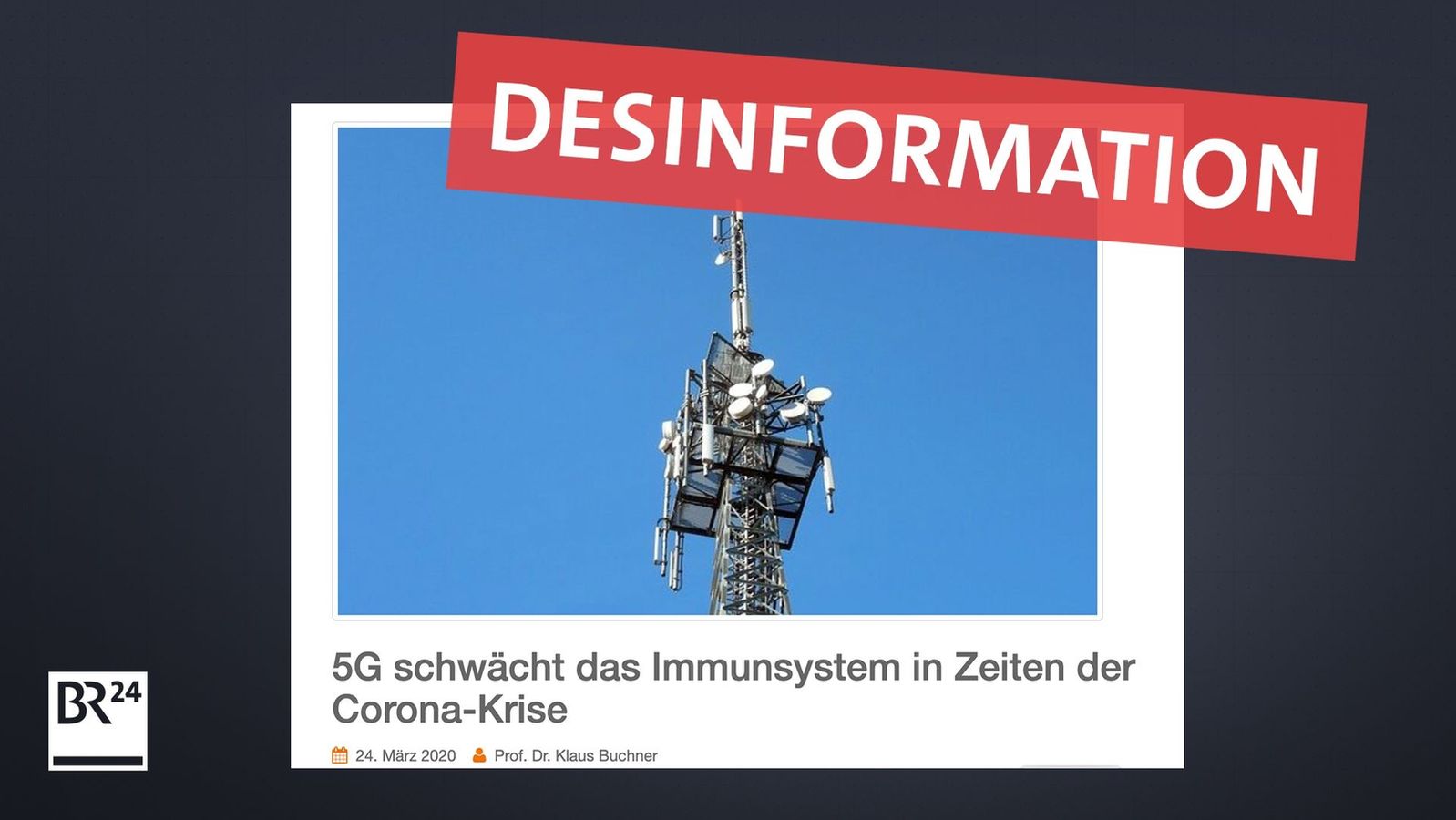
5G schwächt das Immunsystem und fördert die Verbreitung des Virus
Publisher’s rating: Falsch. Dem Bundesamt für Strahlenschutz (BfS) zufolge fehlen generell wissenschaftliche Hinweise darauf, dass elektromagnetische Felder eine Wirkung auf die Ausbreitung von Viren haben könnten. Weder aus der Biologie noch aus der Physik gibt es Anhaltspunkte für mögliche Wirkmechanismen.

அமெரிக்க விஞ்ஞானிகள் கண்டுபிடித்த தடுப்பூசி ஒரு கோவிட் -19 பாதிக்கப்பட்ட நோயாளியை 3 மணி நேரத்திற்குள் குணப்படுத்த முடியும்
Publisher’s rating: Fabricated

तेलंगाना में कोरोनावायरस संक्रमण के चलते सेना की तैनाती की जा रही है।
Publisher’s rating: False


El coronavirus se puede curar en 24 horas con el Suplemento Mineral Milagroso
Publisher’s rating: Falso

Aspirar vapor de agua hirviendo desactiva el coronavirus
Publisher’s rating: Falso