PeakMetrics / Fact Checks
Health & medicine fact checks
Explore claims publishers have checked about health & medicine. Read their original ratings and follow the evidence.
Search fact checks
Search by text or image13,676 published reviews in this topic
"We are now doing more testing than all other countries combined."
Publisher’s rating: False.
One study questioned the use of hydroxychloroquine "but there was studies that came out that say it’s very good, too."
Publisher’s rating: This is misleading.
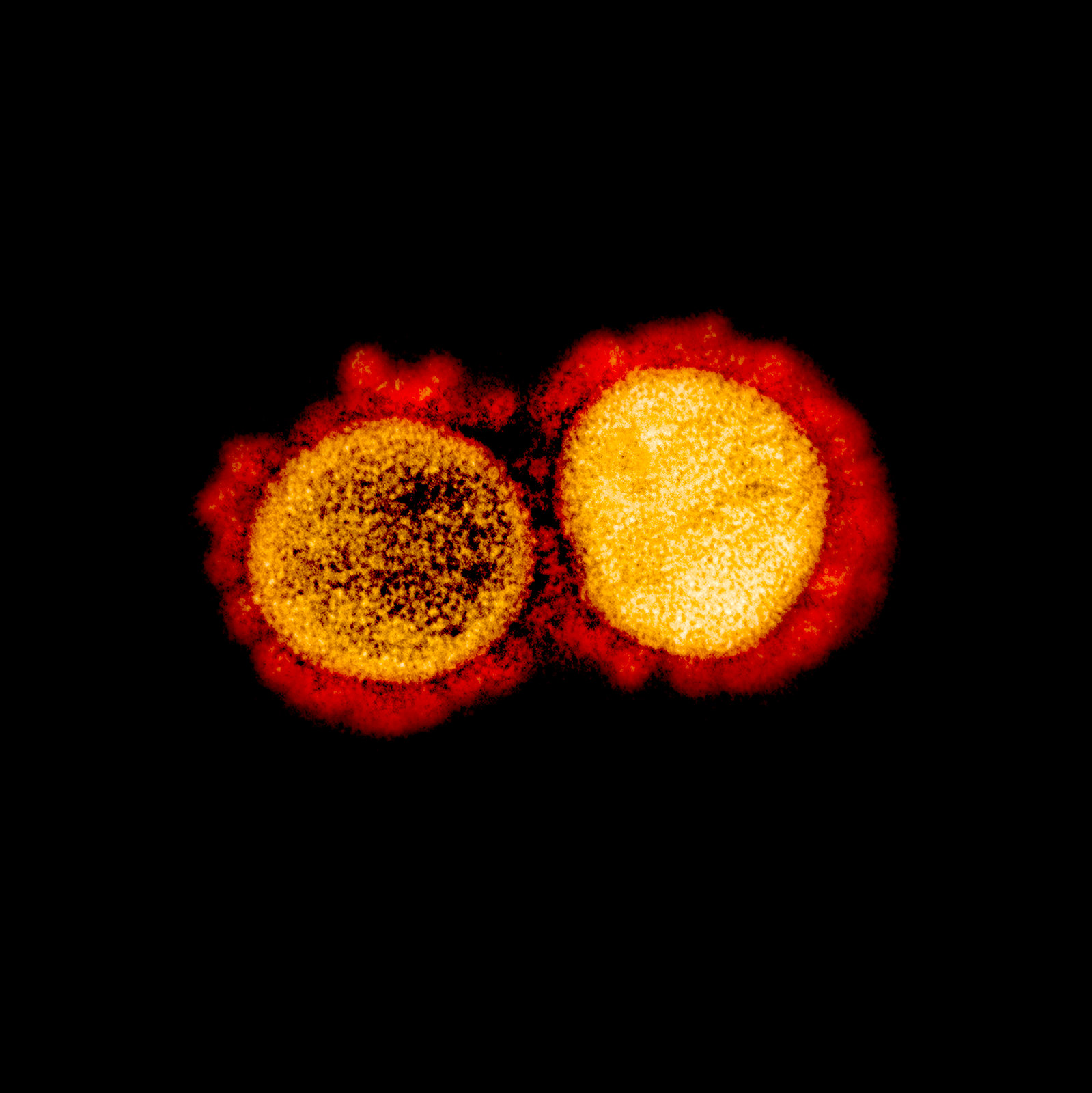
【錯誤】網傳「日本的諾貝爾醫學獎得主教授本庶佑(Tasuku Honjo)博士今天說,冠狀病毒不是天然的...我在中國武漢實驗室工作了4年...」?
Publisher’s rating: 錯誤
The claim under review was that Nobel laureate Tasuku Honjo had said the coronavirus was artificial, was not from bats, and that he had worked for four years in a Wuhan laboratory. The review describes these statements as a message circulating on social platforms and messaging apps, and says it checked whether Honjo had made the alleged remarks and whether he had worked in Wuhan. Its conclusion rests on a statement attributed to Honjo and on his documented career history. [S1: “社群平台、通訊軟體流傳訊息指出:”] [S1: “查核中心查證,根據日本京都大學網站,本庶佑(Tasuku Honjo)是日本京都大學高等研究院副院長兼榮譽教授”] The review reports that on April 27, Honjo published a statement on Kyoto University’s website, under his university title, denying the false information. In that statement, he objected to his and the university’s names being used to spread unsupported accounts of the disease’s origin, and warned that such claims diverted attention while people needed to focus on treatment and preventing further suffering. This directly addresses the attribution in the viral message; it is not evidence that Honjo endorsed its claims. [S1: “本庶佑於4月27日在京都大學官網,以「京都大学高等研究院副院長兼特別教授本庶佑」署名,發布英文及日文聲明,澄清此為不實訊息”] [S1: “散佈沒有根據的疾病起源說法,危險地模糊了焦點。”] To check the separate claim about Wuhan, the review says it examined Honjo’s biographies on Kyoto University and Nobel Prize-related websites. Those records describe research posts in the United States from 1971 to 1974, followed by work at academic institutions in Japan; the review concludes that his career history does not show work in a Wuhan laboratory. [S1: “於1971年至1973年在華盛頓卡內基研究所擔任研究員、1973年至1974年於美國國家衛生研究院擔任研究員,1974年返回日本之後,曾任職於東京大學、大阪大學和京都大學等學術單位。”] [S1: “據此簡歷,本庶佑並未在中國武漢研究室工作。”]


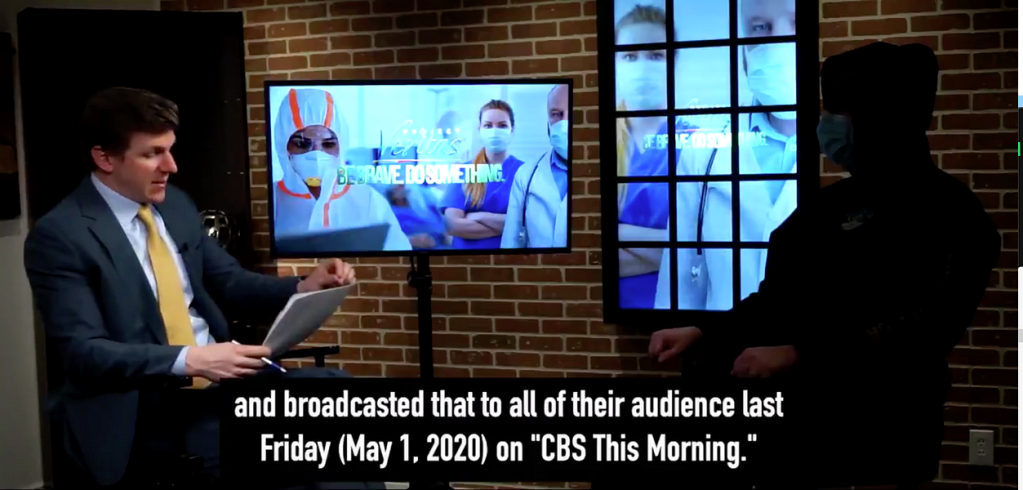
CBS News staged a fake coronavirus testing line at a Michigan hospital to make it look busy.
Publisher’s rating: Mixed.
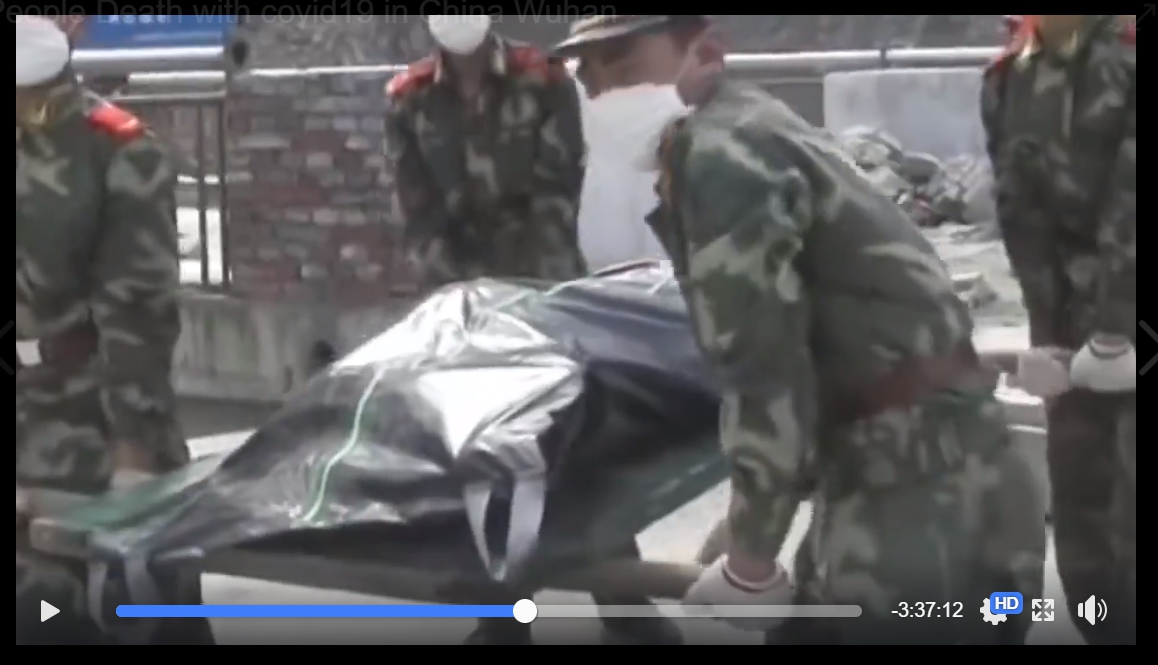
【錯誤】網傳影片宣稱「絕密視頻流出,時間不詳 染疫死的?處理屍體的軍人沒穿防護服...」、「中共軍人掩埋大批屍體視頻曝光」?
Publisher’s rating: 錯誤
The viral posts presented footage of soldiers placing bagged bodies in a large pit, spreading white powder over them and burying them as a possible recent COVID-19 event. The review traced the footage to the 2008 Wenchuan earthquake in Sichuan, not to a recent outbreak. It reports that the same video had appeared in earlier material about the earthquake and that the footage itself was marked as filmed on May 16, 2008, in Yingxiu, Wenchuan County.

Número de mortes por covid-19 reduziu no Amazonas depois da visita do ministro da Saúde
Publisher’s rating: Falso: Não é verdade que o número de mortes causadas pelo novo coronavírus tenha reduzido no Amazonas. O estado registrou recorde de óbitos pela covid-19 em um único dia quando o ministro deixou a capital

Remdesivir is the first anti-COVID-19 drug approved by the U.S. FDA
Publisher’s rating: NEEDS CONTEXT: Remdesivir got an emergency use authorization, not FDA approval
In der Diskussion um das Thema Impfpflicht verbreitet sich derzeit eine Videobotschaft des US-amerikanischen Anti-Impf-Aktivisten Robert F. Kennedy Jr. in den sozialen Netzwerken. Darin stellt Kennedy einen Zusammenhang zwischen Impfungen und Autismus sowie Krankheiten wie Asthma und Diabetes her
Publisher’s rating: Wissenschaftliche Belege für einen solchen Zusammenhang gibt es nicht. Studien haben keine Hinweise erbracht, dass Impfungen Autismus, Asthma oder Diabetes verursachen. Das Video wird zudem mit falschen Informationen über Kennedy verbreitet.
The review examines a video message from Robert F. Kennedy Jr. that circulated on social media during debate about mandatory vaccination. It reports that Kennedy claimed vaccines cause autism, asthma and diabetes, and assesses both those health claims and misleading claims about Kennedy’s connection to the U.S. government and the video’s timing. For autism, the article points to studies in Denmark that found no evidence that the measles, mumps and rubella vaccine causes autism. It also describes the origin of a prominent contrary claim: a 1998 study involving twelve children, which The Lancet later withdrew. The review reports that the study was methodologically flawed and that its author lost his medical licence in Britain, including over established conflicts of interest. It quotes Paul-Ehrlich-Institut president Klaus Cichutek as saying there was no evidence linking vaccines and autism. For asthma and diabetes, the review says studies found no evidence of increased disease risk among vaccinated people. It also clarifies that the video was not a current announcement of a trip to Germany: it was a greeting to a Berlin demonstration on 14 September 2019. The article’s account therefore distinguishes the video’s actual event context from the claims accompanying its circulation.

People outside a liquor shop in Delhi flouting social distancing and lockdown norms
Publisher’s rating: FALSE
"The other administration, the last administration, left us nothing. We didn’t have ventilators. We didn’t have medical equipment. We didn’t have testing"
Publisher’s rating: False.


గంగా నదిలో కొరోనాను నిరోధించే కణాలు ఉన్నాయా అని పరిశోధన చేస్తున్న భారత శాస్త్రవేత్తలు
Publisher’s rating: MISLEADING
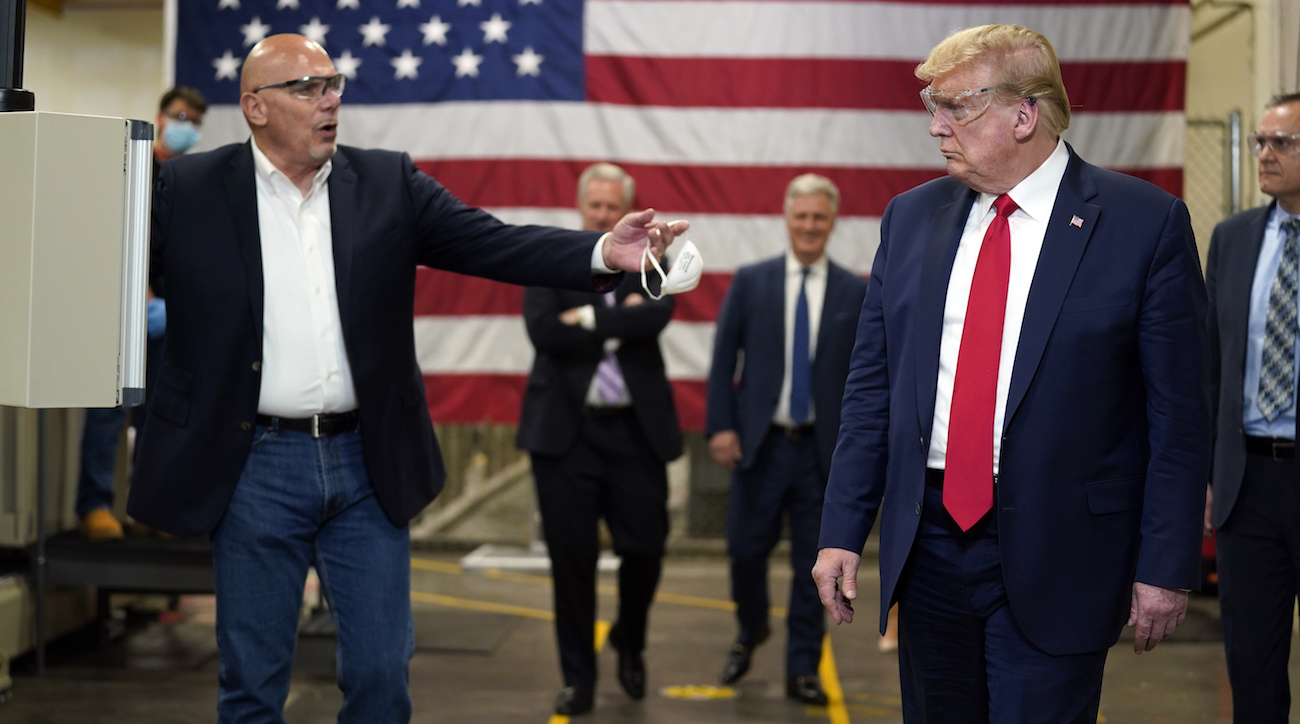
On potential deaths: "Those models that you're mentioning are talking about without mitigation."
Publisher’s rating: Mitigation included

Laut einem Posting der Johns Hopkins University ist das Coronavirus „kein lebender Organismus, sondern ein Proteinmolekül (DNA), das von einer schützenden Lipidschicht (Fett) bedeckt ist, die, wenn sie von den Zellen der Augen‑, Nasen- oder Mundschleimhaut aufgenommen wird, deren genetischen Code verändert (Mutation) und sie in Aggressions- und Vermehrungszellen umwandelt.”
Publisher’s rating: Das Posting stammt nicht von der Johns Hopkins University. Inhaltlich ist es nur teilweise richtig. Das Coronavirus ist kein lebender Organismus. Die Schutzschicht enthält Protein- und Lipidmoleküle. Das Erbgut besteht aus einem einzelnen RNA-Strang. Das Virus haftet sich an menschliche Zellen, vor allem an jene der Augen‑, Nasen- oder Mundschleimhaut. Befallene Zellen nehmen den genetischen Code des Virus auf, sie werden dazu „umprogrammiert”, das Virus zu vervielfältigen.
Bundesgesundheitsminister Jens Spahn ist ein Fehler unterlaufen, als er am Mittwoch, dem 29. April, die Zahl der akut mit Sars-CoV-2 Infizierten nannte. Ein Autor von "anonymousnews.ru" behauptet daraufhin, Spahn habe die Zahl "dreist manipuliert" und "um 48 Prozent gefälscht".
Publisher’s rating: Der Gesundheitsminister gab tatsächlich bei einer Pressekonferenz eine zu hohe Zahl an Infizierten an. Doch die Abweichung war jedoch deutlich geringer als dargestellt.
The dispute concerns Jens Spahn’s estimate of the number of people then acutely infected with SARS-CoV-2, given at a press conference on 29 April 2020. The review says he cited 157,000 reported infections and about 120,000 recoveries, then calculated 37,000 acute cases. It identifies the omission in that calculation: deaths also had to be subtracted. The Robert Koch Institute’s daily report for 29 April listed about 6,000 deaths, leaving roughly 31,000 acute cases rather than 37,000. The review traces the 48-percent allegation to a comparison of figures from different dates. Spahn acknowledged his calculation error in an ARD interview on 3 May, saying he had been about 6,000 off; in that interview he also gave a figure of 25,000 acute cases for the morning of 3 May. The anonymousnews.ru author used that later figure as the comparison for Spahn’s 37,000 figure from 29 April. Because those numbers refer to different dates, the review explains, they do not establish that the 29 April figure was overstated by 48 percent. For the date-matched comparison, the review puts the error at about 19 percent: Spahn’s 37,000 versus an estimated 31,000 on 29 April. Thus, it reports a genuine overestimate caused by omitting deaths from the calculation, while identifying the 48-percent figure as the result of comparing the 29 April estimate with a 3 May figure.