PeakMetrics / Fact Checks
Health & medicine fact checks
Explore claims publishers have checked about health & medicine. Read their original ratings and follow the evidence.
Search fact checks
Search by text or image13,676 published reviews in this topic

Vazou relatório oficial alemão denunciando o Corona como ‘Um alarme falso global’
Publisher’s rating: Falso
Tulisan yang berjudul "Cerita Unik tentang Covid-19: Indikasi bahwa Dugaan Konspirasi Bukan Isapan Jempol"
Publisher’s rating: Sesat


Une publication Facebook affirme que se gargariser avec de l'eau chaude et du sel ou du vinaigre permet d'éliminer le nouveau coronavirus. La publication affirme également que le virus reste dans la gorge pendant 4 jours avant d'atteindre les poumons, avant l'apparition des symptômes.
Publisher’s rating: À ce jour, aucun remède, qu'il soit médical ou naturel, ne s'est avéré efficace pour combattre le nouveau coronavirus. Boire de l'eau chaude avec du sel ou du vinaigre pour éliminer le virus ne constitue donc pas un remède efficace. La durée moyenne d'incubation du nouveau coronavirus est d'environ 5,1 jours. Si la toux est un symptôme commun, le mal de gorge n'apparaît pas systématiquement et tous les malades ne présentent pas de difficultés respiratoires.

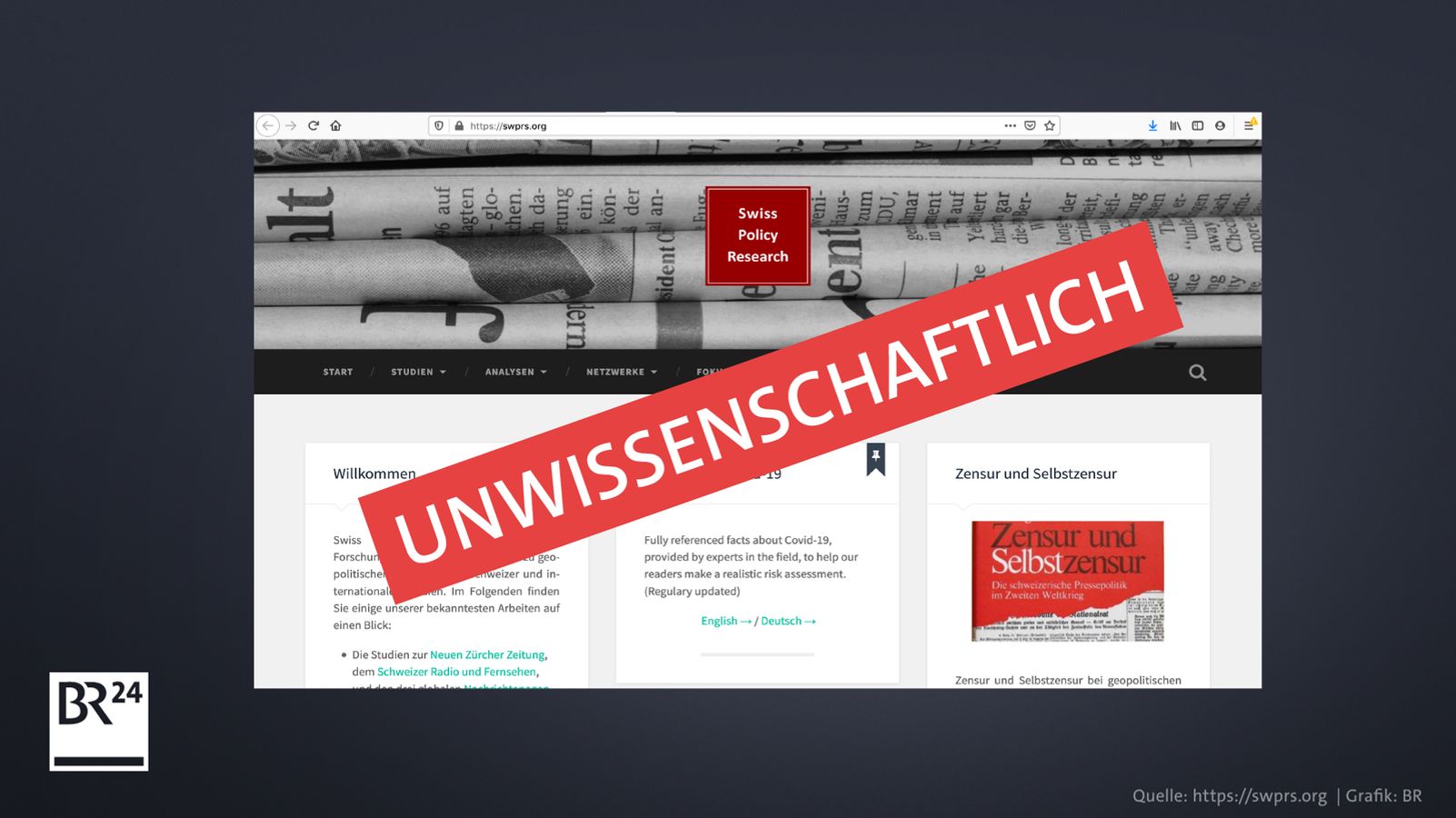
Zudem ist oftmals nicht klar, ob diese Menschen wirklich an Covid-19 starben oder an hohem Stress, Angst und Einsamkeit.
Publisher’s rating: Irreführend. Die Quellen, die angegeben werden, sind zumeist keine wissenschaftlichen Artikel und belegen die getroffenen Aussage so auch nicht. Eine neuere Untersuchung – erstellt von der obersten italienischen Gesundheitsbehörde und des italienischen Statistikamts - kommt zum Schluss, dass bei 89 Prozent der offiziellen Covid-19-Opfer in Italien das Virus die direkte Todesursache gewesen sei.
China, India and Iran are facing an attack of "killer insects" that can kill humans with one bite.
Publisher’s rating: False

Médica desmascara governadores e prefeitos e prova que o Bolsonaro sempre esteve certo com relação à cloroquina
Publisher’s rating: Enganoso: Post usa vídeo de uma médica que explica o protocolo adotado pela Prefeitura de Porto Seguro para o tratamento de casos de covid-19. Em nenhum momento a médica “desmascara” políticos ou faz referência ao presidente Jair Bolsonaro
Un message diffusé le 3 juin 2020 en Belgique sur Facebook soutient que « l’Europe et l’OMS interdisent l’Artemisia, la plante qui soigne le paludisme et la malaria ». Il est accompagné d’une photo de la plante
Publisher’s rating: L’auteur du message partage une publication qui date en réalité du 4 juin 2018 (http://dpaq.de/W8KsM). Le titre induit en erreur: l’Europe et l’OMS n’interdisent pas l’Artemisia (que ce soit dans le cadre de la lutte contre le paludisme ou, par ailleurs, du Covid-19). Mais des mises en garde ont été faites contre son utilisation sous certaines formes non pharmaceutiques, présentées comme des remèdes miracles – des tisanes, en particulier.
The review addresses a Facebook message circulated in Belgium on 3 June 2020. It said that Europe and the WHO prohibited Artemisia, described as a plant that treats malaria, and included a photo of the plant. The review traces the shared material to an article dated 4 June 2018. It concludes that the headline’s broad claim is misleading: neither Europe as a whole nor the WHO prohibits Artemisia itself, although some uses and products have prompted warnings or restrictions. The review distinguishes between medicines made from artemisinin, a compound extracted from the plant, and non-pharmaceutical Artemisia products. It reports that the WHO recommends artemisinin-based combination therapies for malaria, while opposing continued use of oral artemisinin-based monotherapies because of the risk of contributing to drug resistance. The review also says the WHO and other health authorities have warned about non-pharmaceutical preparations, including infusions and herbal products. Those specific cautions do not establish a general ban on the plant. The review also sets out the separate Covid-19 context. It reports that in a 4 May 2020 statement the WHO called for rigorous clinical trials to assess the effectiveness and safety of possible traditional treatments, including Artemisia annua. It says France’s medicines agency warned about products promoted online as Covid-19 solutions, and that the agency had previously prohibited some operators from marketing Artemisia annua products in France. These qualifications concern particular products, uses, and jurisdictions—not the blanket Europe-and-WHO prohibition asserted in the post.
Op Facebook wordt beweerd dat Italiaanse artsen in staat bleken "om Covid-19 eindelijk effectief te behandelen" door de patiënten aspirine toe te dienen. Zij krijgen lof omdat zij "met de omstreden protocollen van de WHO", de Wereldgezondheidsorganisatie, zouden hebben gebroken.
Publisher’s rating: De stelling is fout. Aspirine is nooit een effectieve behandeling van COVID-19 gebleken.
The Facebook post claimed that Italian doctors had found a way to treat COVID-19 effectively with aspirin and had done so by rejecting WHO protocols. The review distinguishes effects aspirin might have on associated problems from treatment of the disease itself: it says aspirin may help symptoms of a bacterial infection, such as fever, and may ease clotting complications because it thins blood, but neither effect treats the viral cause of COVID-19. It states: “Aspirine kan dan inderdaad helpen bij de bestrijding van de symptomen van die bacteriële infectie, zoals koorts, maar niet bij de bestrijding van COVID-19 als zodanig.” (S1) The review supports that distinction with comments from Belgian virologist Steven Van Gucht. He describes thrombosis as a possible complication, especially in severe cases, while emphasizing that it is a bodily response to the virus, not evidence that a bacterial infection is the cause. The review also notes that a patient could have both pneumonia and thrombosis. Van Gucht rejects aspirin as a treatment for COVID-19 itself: “Aspirine, paracetamol en apronax zijn eerder naar voren geschoven als middelen tegen COVID-19 als zodanig. ‘Maar ook dat is complete nonsens’, benadrukt Van Gucht.” (S1) The post also attributed the purported news to Italy’s health ministry and said Italian experts were changing their usual protocols. The review reports that ministry spokesperson Nicola Del Duce told dpa, “We hebben nooit zulke rapporten gepubliceerd,” and concludes that the cited source was wrong. It therefore finds no support in the described material for either the claimed effective aspirin treatment or the claim that Italian doctors had validated it by abandoning WHO protocols. (S1)
Ramuan herbal bernama Mio Kopi bisa mengobati Covid-19
Publisher’s rating: Tidak terbukti
"Die Angst vor einer Knappheit an Beatmungsgeräten war unberechtigt. Laut Lungenfachärzten ist die invasive Beatmung (Intubation) von Covid19-Patienten, die teilweise aus Angst vor dem Virus geschah, zudem oftmals kontraproduktiv und schädigt die Lungen zusätzlich."
Publisher’s rating: Größtenteils falsch. Thomas Irlbeck, Intensivmediziner am Klinikum Großhadern, sagte dazu: "Es kann während einer Beatmung zu zusätzlichen Infektionen der Lunge kommen." Aber Berichte aus Italien und den USA, wonach Patienten aufgrund der Beatmung häufiger stürben, können die deutschen Spezialisten nicht bestätigen. Im Gegenteil: "Man kann mit großer Sicherheit sagen, dass diese Patienten ohne die Intensivtherapie und ohne die Beatmung die Erkrankung nicht überstanden hätten", sagte Irlbeck.

ڈاکٹر نے کورونا وائرس سے متعلق ایک انٹرویو دیا تھا۔
Publisher’s rating: FALSE

HOSPITAL VAZIO São Paulo | Hospital de campanha do Anhembi está vazio. E vc aí acreditando nas mentiras do governador.
Publisher’s rating: Falso
Bis zu 50% aller zusätzlichen Todesfälle wurden nicht durch Covid-19 verursacht, sondern durch die Folgen von Lockdown, Panik und Angst
Publisher’s rating: Falsch. Es gibt keine handfesten Zahlen und nicht genug Daten, um die Auswirkungen von Corona auf Patienten zu bewerten. Die Prozentangabe "50%" ist laut Einschätzung von BR-Fachredaktion Wissen "sehr gewagt". Hier werden durch Zahlenangaben Behauptungen aufgestellt, die nicht belegt werden.

CCMB finds a dangerous strain of COVID-19 in Telangana
Publisher’s rating: MISLEADING
The claim arose from a screenshot of a Deccan Chronicle article titled “CCMB finds dangerous strain of Covid-19 in TS.” The article attributed widespread cases and deaths in Maharashtra, Tamil Nadu, Telangana and Delhi to the strain. FACTLY’s review distinguishes the reported discovery of a virus cluster from the separate assertion that it was dangerous.
"Das Medianalter der Verstorbenen liegt in den meisten Ländern (inklusive Italien) bei über 80 Jahren und nur circa 4% der Verstorbenen hatten keine ernsthaften Vorerkrankungen. Das Sterbeprofil entspricht damit im Wesentlichen der normalen Sterblichkeit."
Publisher’s rating: Irreführend. "Das heißt aber nicht, dass diese Personen so oder so gestorben wären, was ja bei solchen Aussagen (Anmerkung: Wie bei der des SPR) immer etwas mitschwingt", sagt Christian Dudel vom Max-Planck-Institut für demografische Forschung. Im Schnitt hätten an Covid-19 Verstorbene ersten Schätzungen zufolge noch etwa 11 bis 13 Jahre Leben können. Dabei werden auch Vorerkrankungen berücksichtigt. Außerdem: Experten gehen davon aus, dass die Todesfälle unterschätzt werden - dass also mehr Menschen an Covid-19 sterben werden, als offiziell gemeldet werden. Inzwischen gibt es auch aktuellere Studien zu der Todesursache Covid-19, die diese These bekräftigen. Laut einer Untersuchung von Wissenschaftlern der Universität Palermo in Jama Internal Medicine starben in Italien deutlich mehr Menschen durch Corona gestorben, als es die offiziellen Todeszahlen vermuten lassen.

Médica afirma em vídeo que a covid-19 pode ser curada com a ivermectina, remédio usado para tratar parasitas
Publisher’s rating: Enganoso: A ivermectina está registrada como medicamento contra infecções causadas por parasitas e todos os estudos sobre seu uso para tratamento da covid-19 estão ainda em estágio inicial. A Anvisa não reconhece o medicamento para o tratamento da doença