PeakMetrics / Fact Checks
Health & medicine fact checks
Explore claims publishers have checked about health & medicine. Read their original ratings and follow the evidence.
Search fact checks
Search by text or image13,676 published reviews in this topic

Nas árvores estão cheios Lonomias oblíquas. Não existe soro ainda. Pior q Cascavel.
Publisher’s rating: Falso

List of 7 biggest brain-damaging habits by WHO
Publisher’s rating: FALSE
The post attributed a list of seven “brain-damaging habits” to the World Health Organization. FACTLY says it checked that attribution and reports that, when the same claim circulated in Nigeria, the International Centre for Investigative Reporting (ICIR) contacted WHO officials. According to FACTLY, those officials clarified that the message had not originated from WHO. On that basis, the review concludes that WHO did not release the list. The review also distinguishes the false attribution from the possible health effects of the habits. It says the habits do not directly cause brain damage, while warning that some may have adverse effects when done in excess. Its discussion of the seven items does not treat them as a single scientifically established set: for example, it reports no direct link between missing breakfast and brain damage, and no research showing that wearing socks to sleep causes cognitive decay. It separately notes potential effects such as appetite changes from skipping breakfast and improved sleep quality from warming the feet with bed socks. For other items, FACTLY describes risks or qualifications rather than evidence that the listed behavior directly damages the brain. It says excessive sugar consumption has been linked in studies to reduced cognitive function, anxiety, and insulin resistance; distracted eating may lead people to eat more, but the review says no connection with cognitive function was found. It also notes that holding urine for too long may weaken bladder muscles and increase risks including urinary tract infections. The evidence presented therefore supports rejecting the claim that WHO issued this list, while giving a more qualified account of possible effects of individual habits.
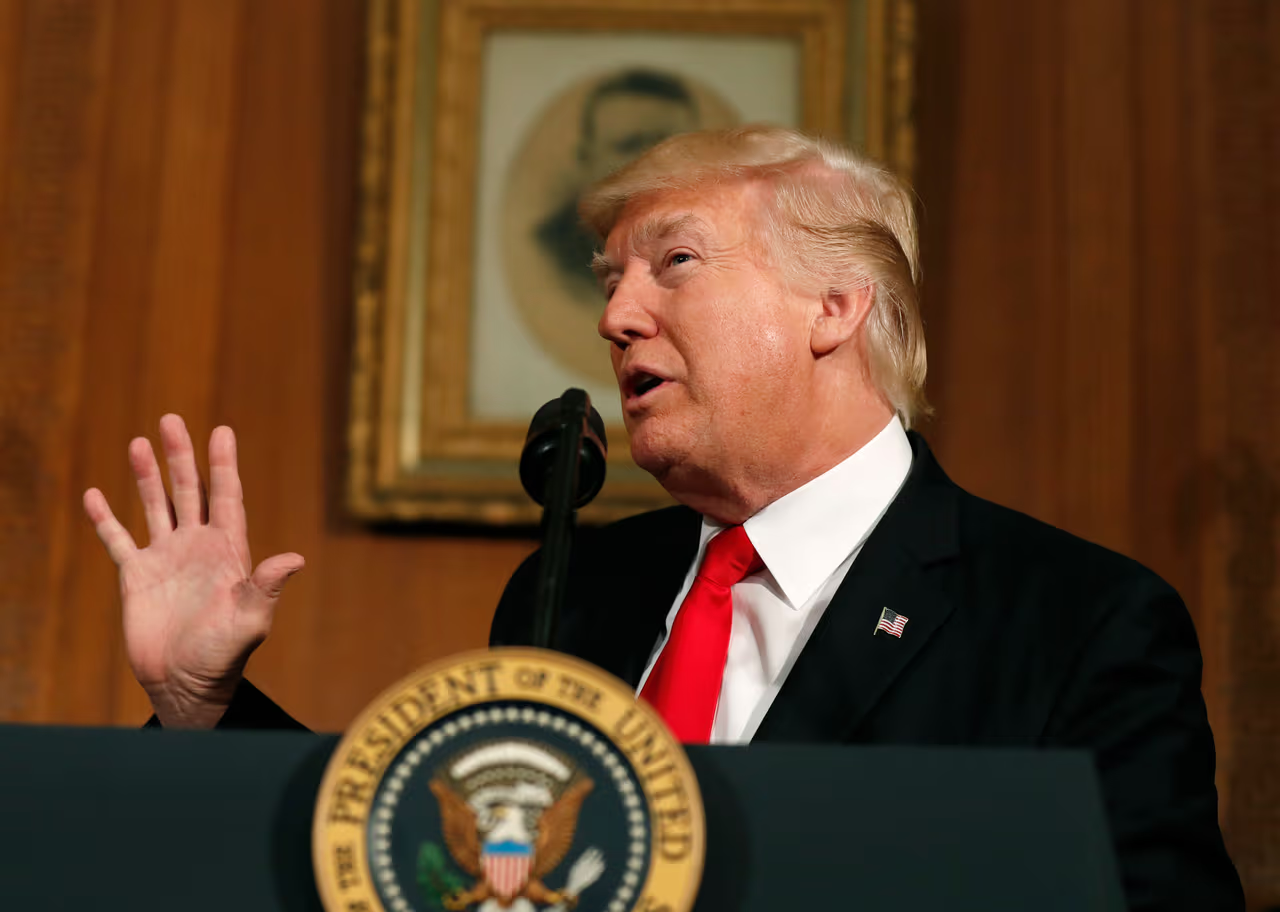
Trump hizo que la vacunación sea voluntaria, no obligatoria. El ejército comprobará la pureza y distribuirá las vacunas
Publisher’s rating: Falso
Palace Spokesperson Harry Roque claims that the Duterte administration deserves an 85 percent rating for effective COVID-19 response because it managed to minimize the number of deaths and infection, owing primarily for being the first country in Southeast Asia to impose a lockdown.
Publisher’s rating: False

Claim: VGP Dass not died in Covid 19
Publisher’s rating: False
The rumor concerned Das, a performer known for standing motionless as a “statue man” at VGP Universal Kingdom in Chennai. The review says he had done this work for many years, but the venue’s closure during the COVID-19 pandemic left him among those who had lost work. It reports that coverage of his employment difficulties used headlines about COVID-19 disrupting his life; social media users apparently read those headlines as saying he had died. The review describes that interpretation as the source of the death rumor, rather than evidence that a death had occurred. To check whether Das was alive, the review points to a video statement from Das explaining his situation. It says VGP Universal Kingdom, where he worked, officially released the video. On that basis, the investigation concludes that Das had not died and that posts saying he was dead were false. The excerpt does not provide the video itself or details of any additional independent verification, so the conclusion here rests on the evidence and account described in the review.
Trump desfinanció la Organización Mundial de la Salud 'para siempre' y quiere que se realice una investigación sobre sus operaciones
Publisher’s rating: Falta contexto
Zur Diagnose einer Corona-Infektion wird in Deutschland und anderen Ländern ein sogenannter PCR-Test eingesetzt. Der Virologe Christian Drosten hat den ersten Test dieser Art auf das Coronavirus Sars-CoV-2 entwickelt. Im Internet kursiert nun die Behauptung, die «New York Times» habe diesen Test als «größten Betrug der Geschichte» bezeichnet (hier archiviert).
Publisher’s rating: Falsch. Die «New York Times» hat dies nicht geschrieben, wie die Zeitung der Deutschen Presse-Agentur bestätigt hat. Das Zitat stammt womöglich aus einem US-Blog, in dem ein Artikel der Zeitung kommentiert wurde.
Video yang diklaim sebagai video jenazah para penghuni sebuah apartemen di Italia yang semuanya tewas akibat Covid-19
Publisher’s rating: Keliru

Bis zu 50 Prozent der Blutspender haben laut der MedUni Wien eine Immunität gegen Sars-CoV‑2.
Publisher’s rating: Das ist teilweise falsch. Sogenannte T‑Zellen lassen sich finden und können laut der „Virusepidemiologischen Information” Nr. 18/20 der Medizinischen Universität Wien unter anderem für eine schnellere Virusabwehr bei einer Infektion mit dem Coronavirus sorgen. Von einer Immunität gegenüber Sars-CoV‑2 ist jedoch nicht die Rede. Zudem müsse laut der Universität generell noch geklärt werden, ob und wie die T‑Zellen die Immunantwort auf eine SARS-CoV‑2 Infektion oder den Krankheitsverlauf beeinflussen können.

Covid-19 was created in a laboratory
Publisher’s rating: The BBC science team has looked at claims that coronavirus was released from a lab and found no credible scientific evidence. We spoke to other scientists who dismissed the scientific basis for the Chinese scientist's claims.

Obrigatoriedade do uso de máscaras é questionada após menina de 13 anos desmaiar em ônibus escolar e morrer
Publisher’s rating: Enganoso: O questionamento foi feito por uma deputada alemã de extrema-direita que chegou a ser censurada por um líder de seu partido. Ela insinuou que a morte de uma estudante de 13 anos num ônibus escolar poderia ter sido motivado pelo uso de máscara
Legislation will allow 'DNA harvesting' through Covid-19 tests
Publisher’s rating: This is false. The piece of legislation cited in the posts does not relate to samples taken for coronavirus testing.
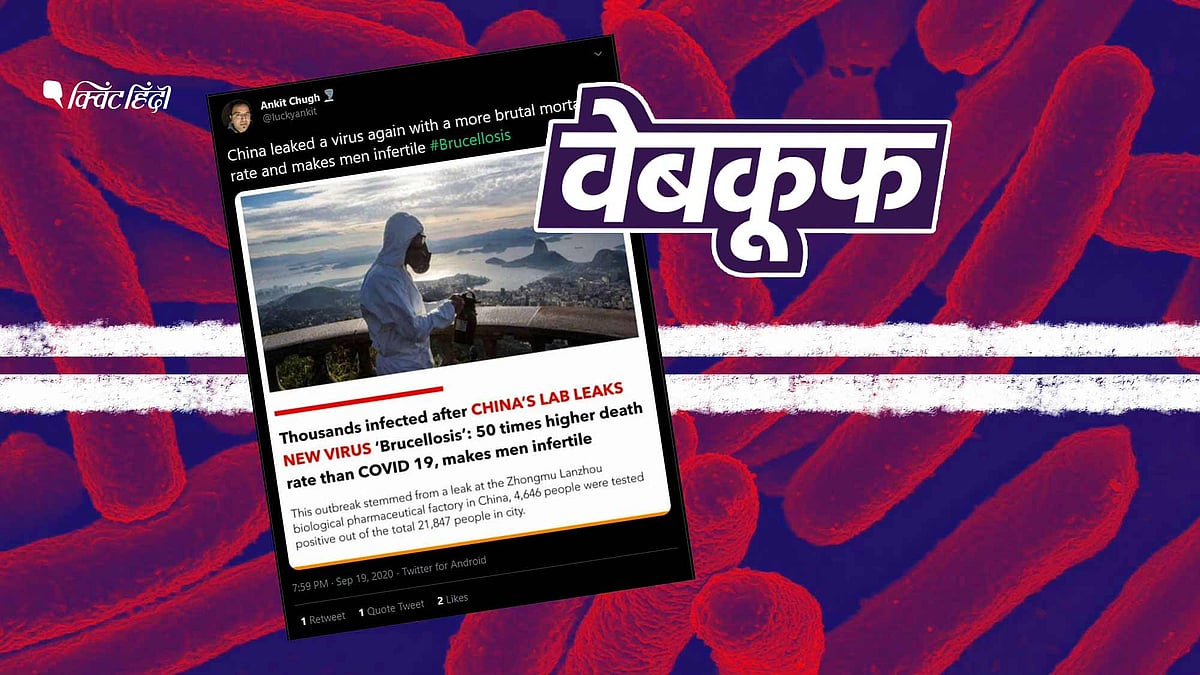

Une image prouve que les tests de COVID-19 circulent depuis 2018.
Publisher’s rating: FAUX.
Masks can give you pleurisy
Publisher’s rating: Medical experts say there is no evidence masks can cause pleurisy - an inflammation of the tissue around the lungs, sometimes caused by an infection
“HAY MUCHOS PAÍSES QUE DESPUÉS DE PROCESOS ELECTORALES TUVIERON ALZA EN LOS CONTAGIOS, REPÚBLICA DOMINICANA Y SERBIA, ENTRE OTROS”
Publisher’s rating: Verdadero

"Back in January, I wrote an article for USA Today saying, we’ve got a pandemic."
Publisher’s rating: Exaggerates
Joe Biden “didn’t think [the coronavirus] was going to be a problem until months later," after late January. "He was way late."
Publisher’s rating: False
