PeakMetrics / Fact Checks
Health & medicine fact checks
Explore claims publishers have checked about health & medicine. Read their original ratings and follow the evidence.
Search fact checks
Search by text or image13,666 published reviews in this topic

Wine, beer, and rum can help your skin by balancing its natural acidity, fighting bacteria, and keeping it youthful by restoring collagen
Publisher’s rating: Studies suggest limited skincare benefits from wine extracts, but alcohol’s overall adverse health effects outweigh these benefits
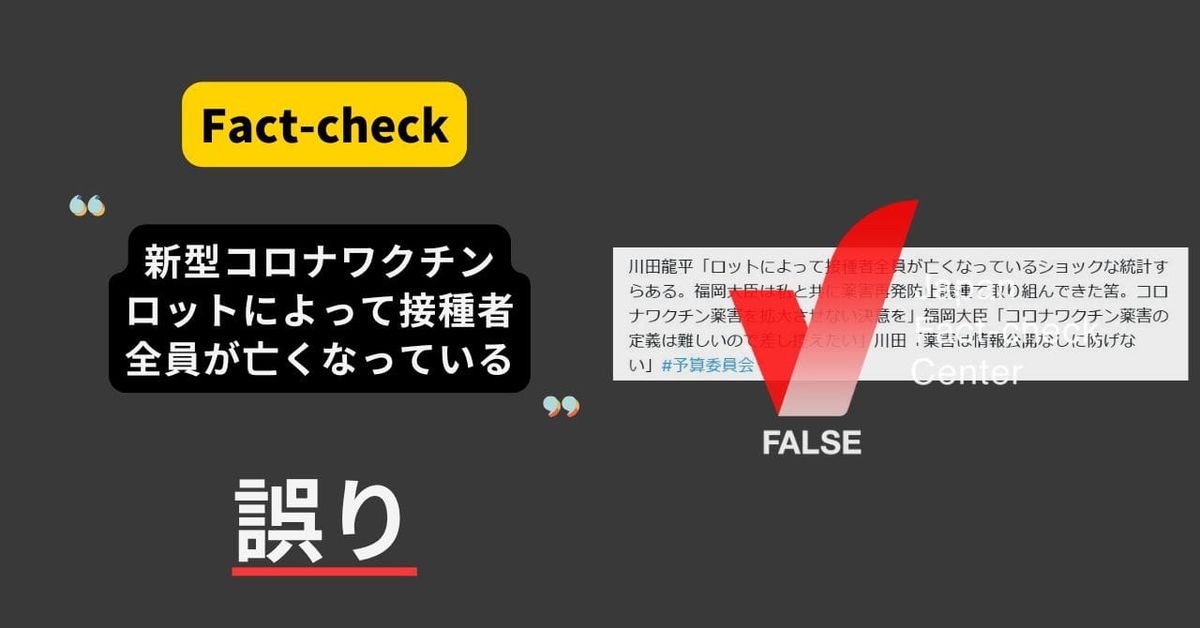
川田議員「コロナワクチンで接種者全員が亡くなったロットがある」
Publisher’s rating: 誤り
The review found no record in either the Ministry of Health’s lot-level reports or Gotemba City’s data of a lot in which every recipient died. Kawada’s office identified the city data as the claim’s basis, but the review’s analysis of that data also found no such lot.
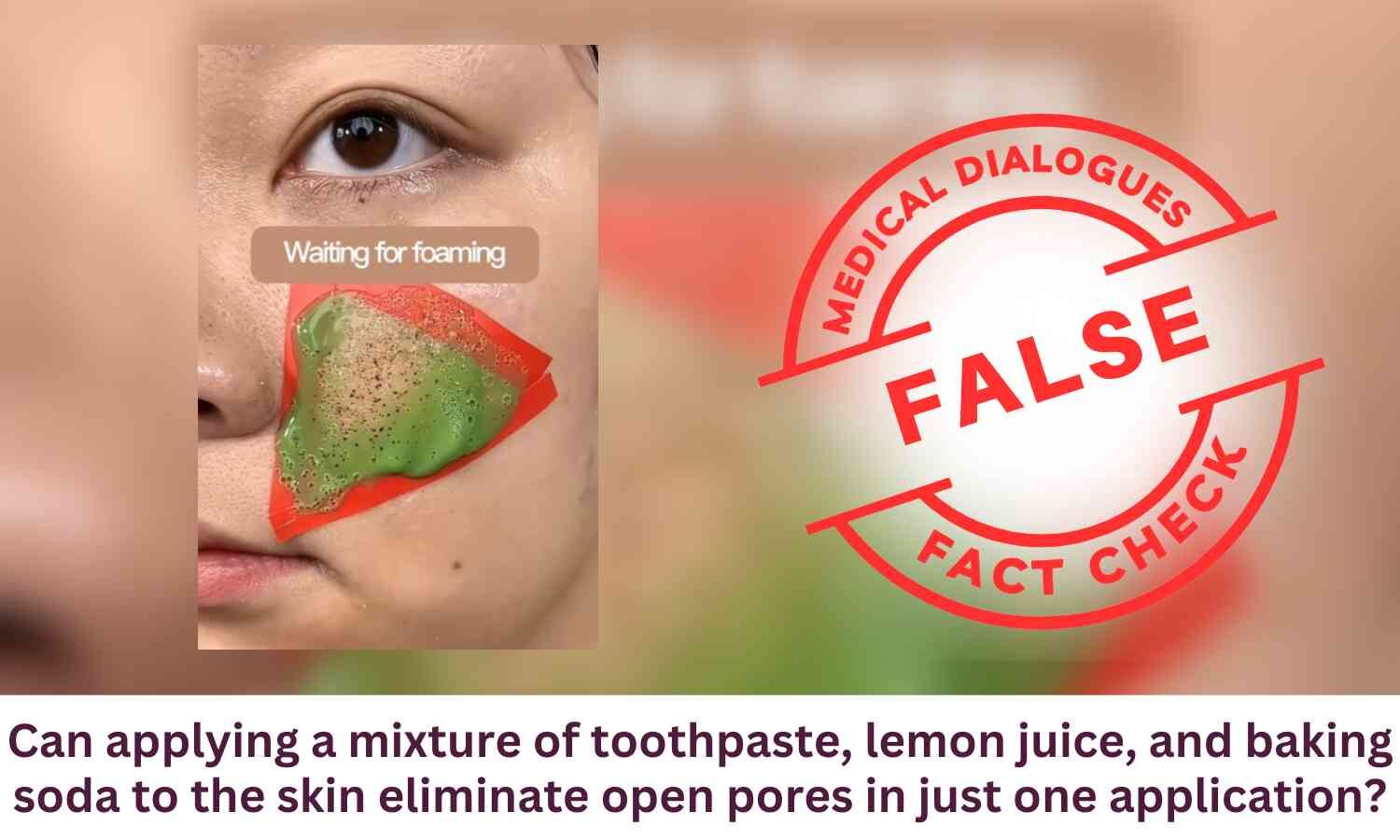
mixture of toothpaste, lemon juice, and ENO eliminate open pores in just one application
Publisher’s rating: The claim is False.
با خوردن جوشانده گیاه خارمریم نه تنها هپاتیت که بدترین بیماریهای کبدی درمان میشود.
Publisher’s rating: نادرست
A tetanus vaccine should be repeated every 10 years under normal circumstances. However, for deep wounds, it is recommended to repeat the vaccine after 5 years.
Publisher’s rating: True. WHO recommends 6 doses of tetanus-containing vaccine be given to all persons from childhood to adolescence.
Get a tetanus vaccine, no matter what the source of injury is.
Publisher’s rating: True. All wounds other than clean, minor cuts are ‘tetanus prone’. Thus, any penetrating wound and not just those caused by rusty objects, can lead to the growth of tetanus bacteria.
Related reporting discusses a puncture wound and asks whether a bee sting warrants a tetanus shot. The article asserts that a shot is recommended after a bee sting, but the supplied excerpt does not provide evidence establishing the claim’s broader guidance for all injury sources.
Refined flour (maida) is not unhealthy if consumed with fruits, vegetables, and protein.
Publisher’s rating: Expert opinions and studies agree that maida is nutritionally inferior and linked to health risks like blood sugar spikes, nutrient deficiencies, and increased risk of cardiovascular issues. Small quantities, however, may not cause significant harm, so limiting intake is crucial for better health.
Research from related reporting says parotta made with maida is not necessarily unhealthy when eaten occasionally as part of a balanced diet. It suggests pairing it with protein-rich foods and vegetables, while noting that frequent intake can pose health risks.
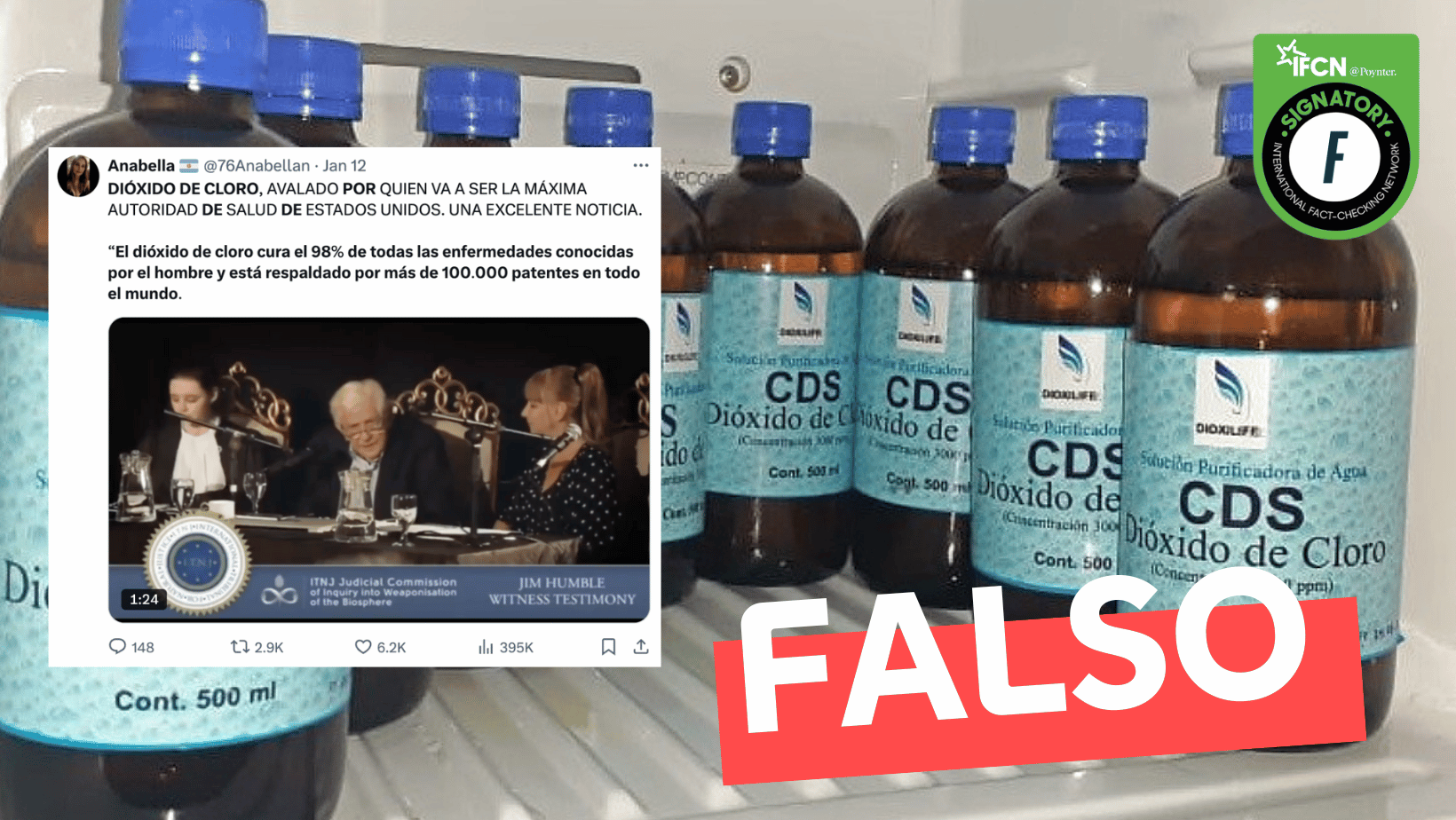
“El dióxido de cloro cura el 98% de todas las enfermedades conocidas por el hombre”: #Falso
Publisher’s rating: Falso

Can animal milk weaken your bones?
Publisher’s rating: The claim is FALSE.

Basil Flower ( Tulsi Manjari) and Nigella Seeds (Kalongi) Help Lose 5–7 kg in just 8 Days
Publisher’s rating: The claim is False

HIV is part of the composition of COVID-19 vaccines
Publisher’s rating: False. An experimental vaccine developed by Professor Keith Chappell, a molecular virologist, in 2020 incorporated a small HIV protein segment but posed no risk of HIV transmission. The vaccine never progressed beyond initial Phase 1 trials and was never distributed publicly.
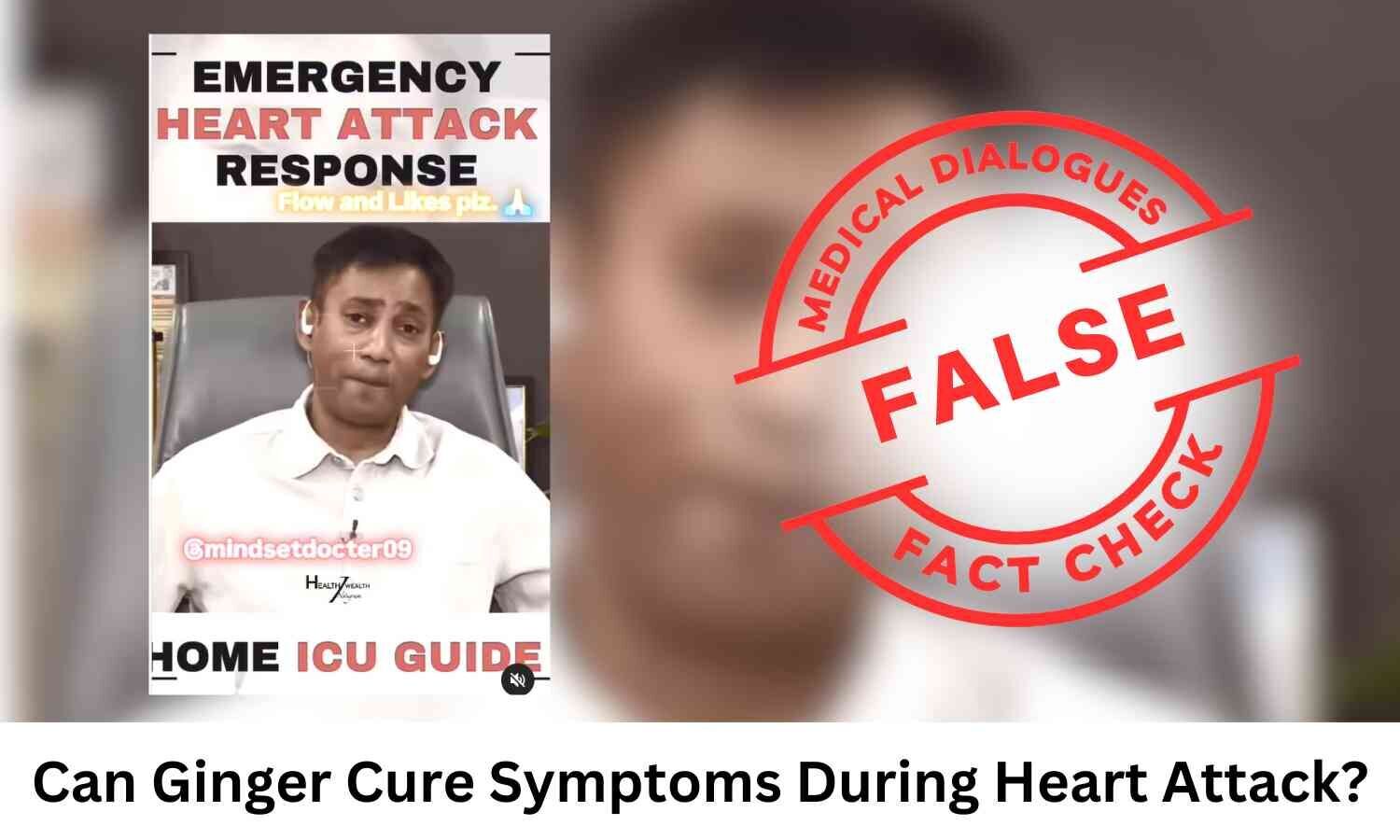
Can Ginger Cure Symptoms During Heart Attack?
Publisher’s rating: The claim by the user is FALSE.
The review says there is no scientific evidence that ginger cures heart attack symptoms and warns that relying on it could delay critical treatment. It also says the reel’s posture-change and hot-water advice is unsupported.
Hypertrophic Cardiomyopathy (HCM) is the leading cause of sudden deaths among young gym-goers during exercise
Publisher’s rating: Further studies are required to determine the true incidence of HCM-related sudden cardiac deaths and its risk factors, with no comprehensive data on HCM prevalence in India

Do pharma products mess up children?
Publisher’s rating: The claim by the user is MISLEADING.
Vidya Balan claims inflammation caused her weight gain
Publisher’s rating: Yes but experts say the interplay between inflammation and weight is complex and individualized