PeakMetrics / Fact Checks
Health & medicine fact checks
Explore claims publishers have checked about health & medicine. Read their original ratings and follow the evidence.
Search fact checks
Search by text or image13,674 published reviews in this topic

The Central Government allocated funds to the States on 05 January 2021 from the PM CARES fund, but the States failed to install the required oxygen plants
Publisher’s rating: MISLEADING
The claim concerns whether the Central Government gave States PM CARES money on 05 January 2021 to install PSA oxygen plants and whether the States then failed to install them. FACTLY reports that its review checked a January 2021 Prime Minister’s Office press release, a Central Medical Supply Store (CMSS) tender and plant-location list, and Ministry of Health and Family Welfare updates. The press release described funding for plants in public health facilities, but did not say the money had been given to States. The review says the PM CARES Fund Trust allocated Rs.201.58 crore for 162 plants to CMSS, an autonomous body of the Union health ministry, which was responsible for procurement and establishing the plants. Hospitals and States were to handle routine operations and maintenance. The tender and location list identified hospitals in Maharashtra and Delhi, but FACTLY says that did not make States responsible for establishing the plants. The review cites a ministry update stating that, by 18 April 2021, 33 of the 162 plants had been installed nationwide; 59 more were expected by the end of April and the remaining 80 by the end of May. This nationwide shortfall does not establish that States alone caused the delays. The review also reports that, when Scroll contacted successful bidders and listed hospitals, companies blamed hospitals while hospitals blamed companies. Taken together, the cited allocation and responsibility details contradict the claim’s description of the funds as allocated to States and its attribution of the installation delay solely to them.

“nanobots” — specifically nanoparticles called Morgellons — enter your brain when a COVID-19 test swab goes up your nose
Publisher’s rating: Not Legit
Getting two doses of the COVID-19 vaccine kills people.
Publisher’s rating: False

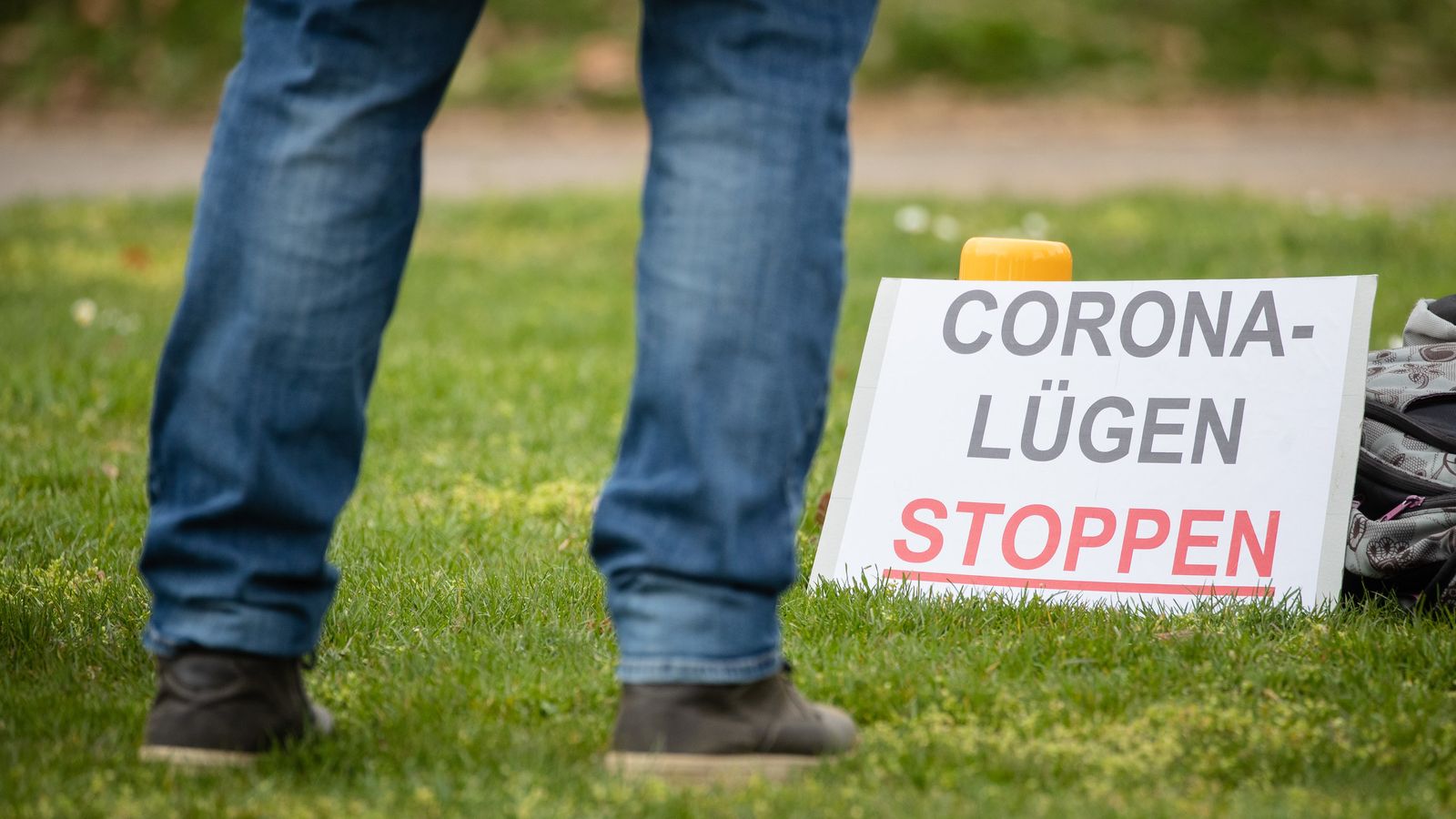
Neues Infektionsschutzgesetz bringt Impflicht mit sich
Publisher’s rating: Falsch. Im neuen IfSG steht nichts zu verpflichtenden Impfungen

Fact Check: කොරෝනා මර්දනය කිරීමට සමත් ඖෂධයක් ඉන්දියානු සිසුවෙකු සොයා ගත්තේ තැන!
Publisher’s rating: False
The post reviewed by Fact Crescendo claimed that an Indian student at Pondicherry University had discovered a COVID-19 home remedy approved by the World Health Organization (WHO). It specified a mixture of a teaspoon of pepper powder, two teaspoons of honey and some ginger juice, taken for five consecutive days, and claimed this could remove COVID-19’s effects “100%.” It also said the student had proved the remedy worked and that people around the world were beginning to use it. The review identifies the message as one circulated in India the previous year and later shared in Sinhala in Sri Lanka. [S1: “ඉන්දියාවේ පොන්ඩිචෙරි විශ්ව විද්යාලයේ ඉන්දියානු සිසුවෙකු කොවිඩ් 19 සඳහා නිවෙස් පිළියමක් සොයා ගත් අතර එය ලෝක සෞඛ්ය සංවිධානය විසින් අනුමත කරන ලද බවක්. ගම්මිරිස් කුඩු තේ හැන්දක, මී පැණි තේ හැඳි දෙකක්, ඉඟුරු යුෂ ස්වල්පයක් දින 5 ක් අඛණ්ඩව ගැනීමෙන් කොරෝනා වල බලපෑම 100% දක්වා ඉවත් කළ හැකි බව ඔහු ඔප්පු කළේය.”] To check the approval claim, the publisher says it sent the message to the WHO’s Sri Lanka representative team. That team confirmed that the WHO had not approved such a home-prepared medicine and described the message as false. The publisher also passed it through its Indian team to Supriyaa Bezbaruah, a WHO emergency technical officer, who likewise called it false and said it had circulated in India the previous year. [S1: “මෙම පණිවුඩය අප ලෝක සෞඛ්ය සංවිධානයේ ලංකාවේ නියෝජිත කණ්ඩායම වෙත යොමු කල අතර එවැනි නිවසේ සාදාගත හැකි ඖෂධයක් සඳහා ලෝක සෞඛ්ය සංවිධානය විසින් අනුමැතියක් ලබා දී නොමැති බවත් මෙය ව්යාජ පණිවුඩයක් බවත් තහවුරු කර සිටියා.”; “ඇය විසින් ද මෙය ව්යාජ පුවතක් බවත් ඉන්දියාවේ පසුගිය වසරේ හුවමාරු වූ බවත් පවසා සිටියා.”] The review also reports that Pondicherry University’s social-media coordinator had previously told AFP’s fact-checking team that the message was false. It adds that the WHO’s regional “Fact or Fiction” material said there was no scientific basis for the pepper, honey and ginger-juice mixture to relieve COVID-19. These checks address both the asserted institutional approval and the claimed efficacy; the review’s conclusion is that the remedy was not WHO-recommended and lacked a scientific basis as a COVID-19 treatment. [S1: “පොන්ඩිචෙරි විශ්ව විද්යාලයේ සමාජ මාධ්ය සම්බන්ධීකාරක ද පසුගිය වසරේ මෙය ව්යාජ පුවතක් බවට AFP කරුණු විමර්ෂණ කණ්ඩායම වෙත පවසා තිබුණු බව මෙසේ වාර්තා වෙනවා.”; “ගම්මිරිස්, මී පැණි, ඉඟුරු යුෂ මිශ්රණයක් මඟින් කොවිඩ්19 සඳහා සහනයක් ලැබෙන බවට කිසිඳු විද්යාත්මක පදනමක් නොමැති බව ලෝක සෞඛ්ය සංවිධානයේ ගිණිකොනදිග ආසියානු කලාපයේ Fact or Fiction කොටසේ ද පහත පරිදි සඳහන්.”]
Foto yang diklaim menunjukkan parahnya Covid-19 di India hingga membuat warga mesti memakai masker oksigen di jalanan
Publisher’s rating: Keliru

बिना दवा के नेबुलाइजर का इस्तेमाल करके भी बढ़ाया जा सकता है शरीर में ऑक्सीजन लेवल
Publisher’s rating: FALSE

ఆక్సిజన్ సిలిండర్ల బదులు ఖాళీ నెబ్యులైజర్ మెషిన్ల ద్వార ఆక్సిజన్ సదుపాయం పొందవచ్చు
Publisher’s rating: FALSE
2020 gab es keine Grippetoten. Grippetote werden als Corona-Tote bezeichnet. Grippe wurde ausgerottet. Grippe-Impfung gibt es seit 100 Jahren.
Publisher’s rating: Anfang 2020 hat es Grippetote gegeben. Sie werden nicht als Corona-Tote eingestuft. Die Maßnahmen gegen das Coronavirus haben auch die Verbreitung der Influenza verringert, «ausgerottet» ist die Grippe aber nicht. Die Grippe-Impfung gibt es erst seit etwa 80 Jahren.
The review examined an Austrian Facebook post claiming that there had been no flu deaths in the preceding year, that around 4,000 people had died of flu in 2017, and questioning why a disease with a vaccine available for 100 years had not been eradicated. It checked Austrian influenza mortality figures and how COVID-19 deaths were defined, and considered expert and public-health reporting on influenza activity and vaccine history. The figures do not support the post’s claim that there were no flu deaths in 2020. Austria reports influenza deaths by season rather than calendar year, and the review cites an AGES estimate of 834 deaths for the 2019/20 season, compared with 1,373 in the prior season. It also reports that influenza’s contribution to overall mortality remained visible into approximately calendar week 14 of 2020. The 2016/17 estimate was 4,436, but the review cautions that influenza deaths are estimates because influenza is often not identified or recorded as the cause of death. The review says the 2019/20 flu season ended early, in week 11, and that measures used against COVID-19 also reduced influenza spread. It reports very low influenza activity in 2020/21, but notes that influenza viruses had not disappeared. It also explains that a person who died without COVID-19 was not counted as a COVID-19 death under the cited AGES definition. Finally, the vaccine did not date back 100 years: the review describes research in the 1940s, production of a vaccine in 1942, and licensing in 1945.

Video shows maa cremation of people dies due to Covid-19 in Hyderabad
Publisher’s rating: FALSE
The investigation addressed a viral video shared with claims that it showed a roadside mass cremation in Langer House, Hyderabad. It compared features visible in the video with images of Tipu Khan Bridge from publications and Google Maps. The review reports that the bridge’s border design did not match the bridge in Langer House: “the design of the bridge borders is completely different.” The review also reports that Newsmeter contacted Langer House SHO K. Srinivas. He said the video’s audio did not sound local, there was no flyover in the area matching the scene, and the video showed a footpath on a flyover. The article quotes him: “there is no footpath on the flyover. But in this video, we can see the footpath.” The exact location shown was not confirmed. The review’s conclusion was limited to ruling out Langer House as the location: “Though the exact location of the video could not be confirmed, the video is NOT from Langer House, Hyderabad.” The excerpt does not establish where the video was filmed or that the people shown died of COVID-19.
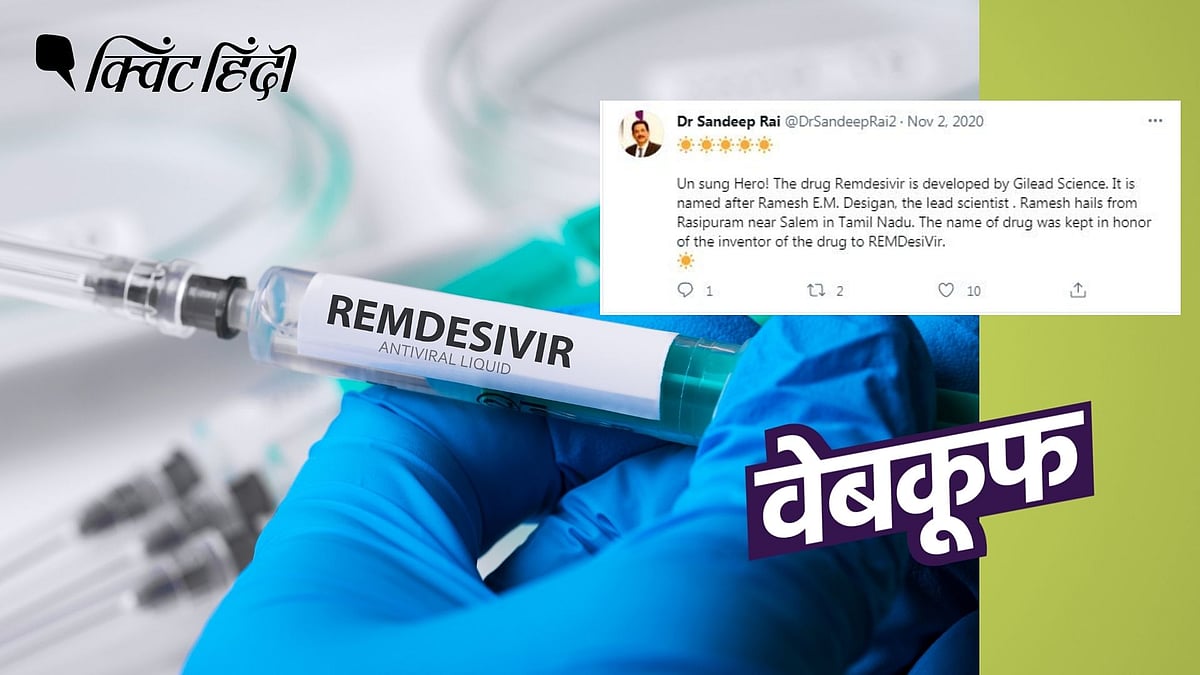
रेमडिसिविर का नाम भारतीय वैज्ञानिक के नाम पर रखा गया है
Publisher’s rating: FALSE

করোনা মহামারীতে ভারতের রাস্তায় রাস্তায় মানুষের আর্তনাদ
Publisher’s rating: Misleading


ଏକ ଛୋଟ ପିଲାଙ୍କୁ ମାସ୍କ ପିନ୍ଧି ଅରବିନ୍ଦ କେଜ୍ରିୱାଲଙ୍କ ଏହି ଭାଇରାଲ୍ ଚିତ୍ରର କୋଭିଡ୍ -19 |
Publisher’s rating: FALSE
کرونا بعد از دریافت واکسن؛ پاسخ به پنج سوال رایج
Publisher’s rating: واکسیناسیون کامل وضعیتی است که سیستم ایمنی بدن نسبت به ویروس مقاوم شده و قویتر عمل میکند. این حالت حدودا دو هفته پس از دریافت هر دو دوز واکسن که ۲۱ روز فاصله بین آنها است و یا در مواردی مثل واکسن جانسون اند جانسون که تک دوز است، اتفاق میافتد. پس افراد به محض دریافت واکسن، به طور کامل واکسیناسیون نشدهاند و در این دوران تاکید میشود که کاملا مواد پیشگیری از ابتلا به ویروس کرونا را رعایت کنند.
Garlic helps remove pain in ears and ear infections, simply put a cleaned garlic plug in your ear as an earplug
Publisher’s rating: Needs Context

Women should not take the COVID-19 vaccine before and after five days of their periods
Publisher’s rating: FALSE
The claim concerned a social-media post advising women to avoid COVID-19 vaccination around their menstrual periods. It also argued that vaccination temporarily lowers immunity, supposedly increasing the risk of infection for people vaccinated during menstruation. FACTLY checked whether official vaccination guidance or vaccine information identified menstruation as a reason to delay vaccination. [S1]