PeakMetrics / Fact Checks
Health & medicine fact checks
Explore claims publishers have checked about health & medicine. Read their original ratings and follow the evidence.
Search fact checks
Search by text or image13,672 published reviews in this topic
CNN ziet nu ook in dat Biden's gezondheid achteruit gaat.
Publisher’s rating: Wie de banner onderaan de video heeft gelezen, zal niet verrast zijn: deze video is niet zo uitgezonden op CNN. Het is een bewerking van een commentaar van Brian Stelter uit 2019. Hij had het hier niet over Biden, maar over diens voorganger Donald Trump.
The claim concerns a social-media video presented as evidence that CNN was discussing Joe Biden’s declining health. The review traces the clip to a TikTok account, noting that the account name is visible in the video and that a clearer TikTok copy makes additional text identifiable. That text includes “@reliablesources,” the CNN program associated with Brian Stelter. The banner itself contains slogans such as “CNN sucks” and calls for Trump’s return, which the review says are a conspicuous warning that the video was not broadcast by CNN in that form. (S1: “De video die op Facebook wordt gedeeld, komt van TikTok. De naam van de gebruiker @castle.a.n is onderaan te lezen. Op TikTok is de video ook van betere kwaliteit, waardoor meer tekstvlakken in de video duidelijker leesbaar zijn. Zo is er nu @reliablesources te lezen, een CNN-programma van Brian Stelter.”) The review then describes finding the original by searching YouTube for “Brian Stelter Trump getting worse.” It dates that segment to August 25, 2019, and explains that the circulating version cuts out intervening material. In the original, Stelter explicitly clarifies that he is talking about President Trump and Trump’s behavior and instability—not Biden. The review says the altered clip also replaces Trump’s image with Biden’s, changing the apparent subject of the commentary. (S1: “Door op YouTube te zoeken op ‘Brian Stelter Trump getting worse’, is het origineel te vinden. Deze dateert van 25 augustus 2019.”; “In werkelijkheid zegt Stelter direct hierna nog: ‘ik praat natuurlijk over president Trump. Over zijn gedrag, over zijn instabiliteit’ (vanaf 0.13).”; “Met wat knipwerk in de monoloog en het vervangen van het beeld van Trump voor beeld van Biden is zo doelbewust een misleidende video gecreëerd.”) The review separately notes that CNN does report on Biden’s physical and mental condition, but says the doctored clip is not evidence of such reporting: Stelter’s source commentary was about Trump. It also reports that Biden’s doctor considered him fit to serve after his first annual physical as president, and that the doctor described a detailed neurological test as reassuring. (S1: “CNN bericht overigens wel over de fysieke en mentale gesteldheid van de Amerikaanse president. Eind vorig jaar bijvoorbeeld, toen Biden zijn eerste jaarlijkse fysieke controle kreeg als president. De dokter oordeelde toen dat Biden 'fit genoeg is om zijn plicht te vervullen'. Ook een 'extreem gedetailleerd neurologische test' was volgens de arts geruststellend.”)

החליפו את החיסון המחומש בחיסון שאין לו אישור FDA ושיש בו פורמלדהיד
Publisher’s rating: מטעה
The review examined a viral post claiming that Israel had switched the pentavalent vaccine given to babies to Pentaxim, which allegedly was not used in the United States, Canada, or several European countries, lacked FDA approval, and contained formaldehyde. It reports that Israel’s Ministry of Health confirmed a switch in 2019. The ministry attributed it to the manufacturer’s Canadian plant being unable to meet North American demand, after which Israel was offered the European-produced vaccine. The two products were made by the same company.
Pfizer krijgt geen permanente goedkeuring voor coronavaccin.
Publisher’s rating: De passage waarnaar de Facebookberichten verwijzen laat niet zien dat het coronavaccin van Pfizer/BioNTech geen goedkeuring zal krijgen. Sterker nog, in de Verenigde Staten hebben ze die definitieve goedkeuring al gekregen. Het BioNTech-document is bedoeld voor investeerders en wijst alleen op de mogelijke investeringsrisico’s.


അപകടത്തിൽ മരിച്ച സുധീറിന്റെയും ഭാര്യയുടെയും’ വൃക്കദാനത്തെക്കുറിച്ചുള്ള സന്ദേശം
Publisher’s rating: FALSE
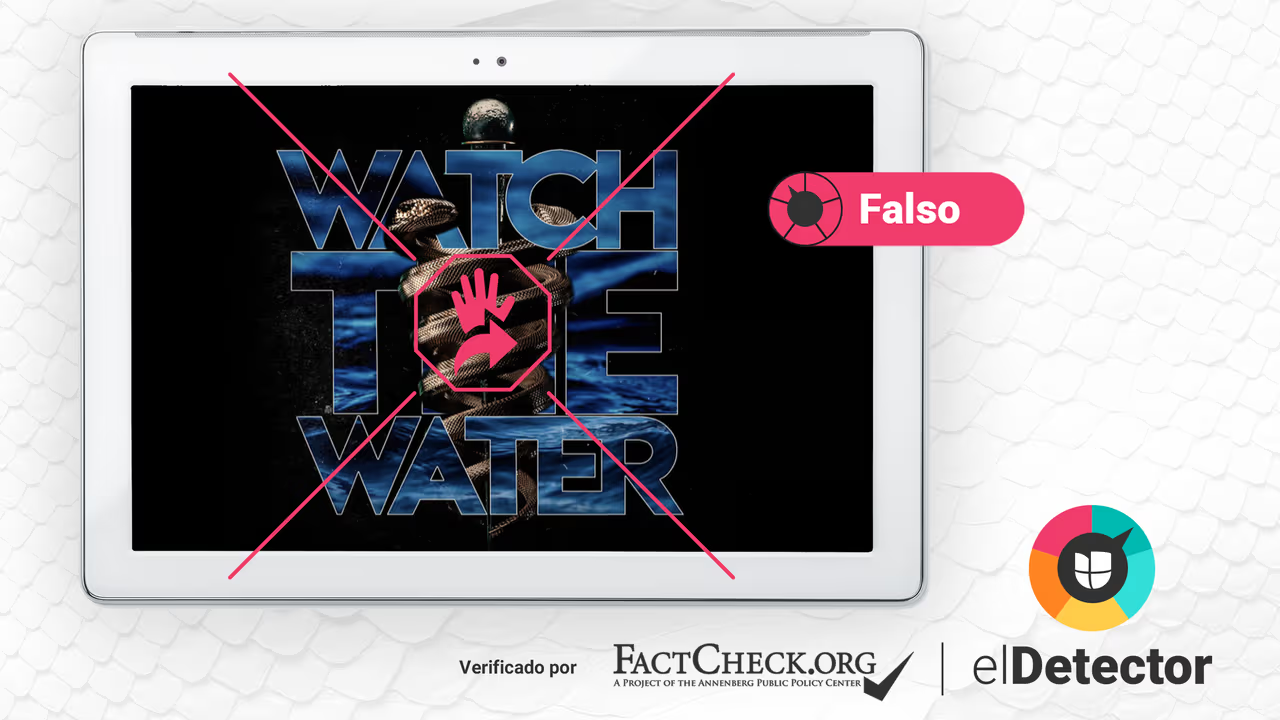
La pandemia del covid-19 es un complot para envenenar a las personas con veneno de serpiente.
Publisher’s rating: Falso
Les Etats abandonnent à l'OMS l'obligation vaccinale.
Publisher’s rating: Erreurs. D’une part, le traité international est toujours en cours de négociation et ne sera pas prêt le 12 mai ; d’autre part, l’Organisation mondiale de la santé (OMS) est depuis toujours investie par la communauté internationale d’une mission de coordination dans le domaine de la santé.
The post under review claimed that states were handing the WHO the power to impose vaccination, and that this would be decided at an international COVID-19 conference on 12 May. It circulated a video of European Parliament member Christine Anderson discussing a pandemic treaty. The review distinguishes the negotiations over a possible international instrument from that conference, rather than treating the post’s predicted decision as an event already scheduled to occur. A spokesperson for the Council of the European Union told dpa that the treaty process and the 12 May conference were separate: negotiations were taking place within the WHO, while the conference was organized by the United States and Germany, among others. The spokesperson said negotiations would not be completed by 12 May. The review also reports that the Council had authorized the opening of negotiations on 3 March 2022, and that a WHO intergovernmental negotiating body had been established to develop and negotiate a possible instrument. Those steps describe a process still underway, not a decision transferring vaccination powers to the WHO. The review says that the proposed instrument’s legal status—whether a treaty or another form of instrument—was still to be decided. It reports that a later negotiating-body meeting was expected to consider a draft, with the instrument due for examination at the 2023 World Health Assembly and possible adoption in 2024. It also cites the Council’s description of the WHO as an international coordinating authority for health and concludes that states would retain the final say. The review therefore finds the post’s claim misleading both about the timing and about the WHO’s role.

Vacina contra Covid-19 está causando nova hepatite em crianças
Publisher’s rating: Falso

মূৰৰ বিষৰ প্ৰতিকাৰ। আপোনাৰ কেতিয়াবা মূৰৰ বিষ হ’লে দুটা এছপিৰিণৰ সমান কামত দিয়া 10-12টা আমণ্ড খাব।
Publisher’s rating: FALSE

యూపాటోరియం పెర్ఫోరియం 200 అనే ఒక ఔషధము డైల్యూట్ చేసి 2 రోజులు తీసుకుంటే, అది డెంగ్యూను తగ్గిస్తుంది. డెంగ్యూను 48 గంటలలో తగ్గించవచ్చు.
Publisher’s rating: MISLEADING
BioNTech vient de déclarer qu'ils ne sont pas en mesure de démontrer l'efficacité et l'innocuité du vaccin COVID-19.
Publisher’s rating: Trompeur
Frankincense oil can cure cancer
Publisher’s rating: Mostly False
Related reporting—not THIP Media’s original investigation—makes claims about frankincense and cancer, but the supplied excerpt does not establish that frankincense oil cures cancer. It says frankincense has been used to “cure diseases. Yes, even cancer!” and attributes cancer-cell effects to a compound called AKBA. The excerpt does not provide clinical evidence that using the oil cures cancer in people. The article’s own qualification is important: it says the cited 2013 study “has not, however, been published in a peer-reviewed scientific journal.” It describes the findings as promising, but does not supply study results or show that they demonstrate a cure. The excerpt therefore supports that such claims have been made, not that the claim is proven.
Magnesium Gummies can make diabetes vanish at a glance
Publisher’s rating: Mostly False
cannabis can treat Alzheimer’s disease
Publisher’s rating: False
Related research addresses whether cannabis can treat Alzheimer’s disease, but the supplied excerpt does not establish a clinical treatment benefit. A systematic review of cannabis’s neurocognitive effects in older adults notes that animal studies have reported possible neuroprotective effects: “Recent in vivo and in vitro studies have shown that chronic low doses of THC paradoxically reverse age-related cognitive dysfunction in old mice, promote hippocampal neurogenesis, and prevent neurodegenerative and neuroinflammatory processes in animal models of AD.” These are findings in animals, not evidence that cannabis treats Alzheimer’s in people. The review draws that distinction explicitly, stating that “Clinical evidence of the neuroprotective benefits of cannabinoids in older adults and in dementia, however, is lacking.” It also says that evidence for cannabis’s efficacy in common conditions affecting older adults is limited. The excerpt therefore supports caution about claiming cannabis is an established Alzheimer’s treatment; it does not rule out every possible use of cannabis-derived medicines or address particular formulations, doses, or symptoms.

CT-700, EECP అనే రెండు ఆధునిక యంత్రాలను ఉపయోగించి గుండెను రీసైకిల్ చేయొచ్చు
Publisher’s rating: MISLEADING
Keto diet alleviate the issue with the spike protein produced by Covid-19 Vaccine
Publisher’s rating: False
دسترسی به پزشک در تهران بیش از ده برابر استان سیستان و بلوچستان است.
Publisher’s rating: نادرست

Vaccinated people most likely to die of COVID-19
Publisher’s rating: A tweet claiming that “Government of Canada data shows the triple vaccinated are over 5x more likely to die of COVID-19 than the unvaccinated” is based on inaccurate data and unscientific methodology.

ఆల్కహాల్ మరియు ధూమపానం కలిపితే వచ్చే నష్టాల కంటే పామ్ ఆయిల్ వల్ల వచ్చే నష్టాలే ఎక్కువ
Publisher’s rating: MISLEADING