PeakMetrics / Fact Checks
Health & medicine fact checks
Explore claims publishers have checked about health & medicine. Read their original ratings and follow the evidence.
Search fact checks
Search by text or image13,672 published reviews in this topic
Sa clinical trial, 6 sa 10 tao na nabakunahan ng Dengvaxia ang dumaranas ng malalang epekto.
Publisher’s rating: Nakapanlinlang
Ang clinical trial na kinasasangkutan ng 10,025 bata na may edad 2 hanggang 14 na taong gulang, ay nagpahiwatig ng "napakababang" 56% na efficacy rate para sa Dengvaxia vaccine.
Publisher’s rating: Nangangailangan ng konteksto
Willie Ong is endorsing a hemorrhoid cream called Hemocare
Publisher’s rating: Fake
Applying ginger oil on belly button help in weight loss
Publisher’s rating: False
Monkeypox, unlike the coronavirus diseases 2019, is "not particularly fatal."
Publisher’s rating: Needs context
Hindi katulad ng sakit na coronavirus disease- 2019, ang Monkeypox, ay "hindi partikular na nakamamatay.”
Publisher’s rating: Kailangan ng konteksto
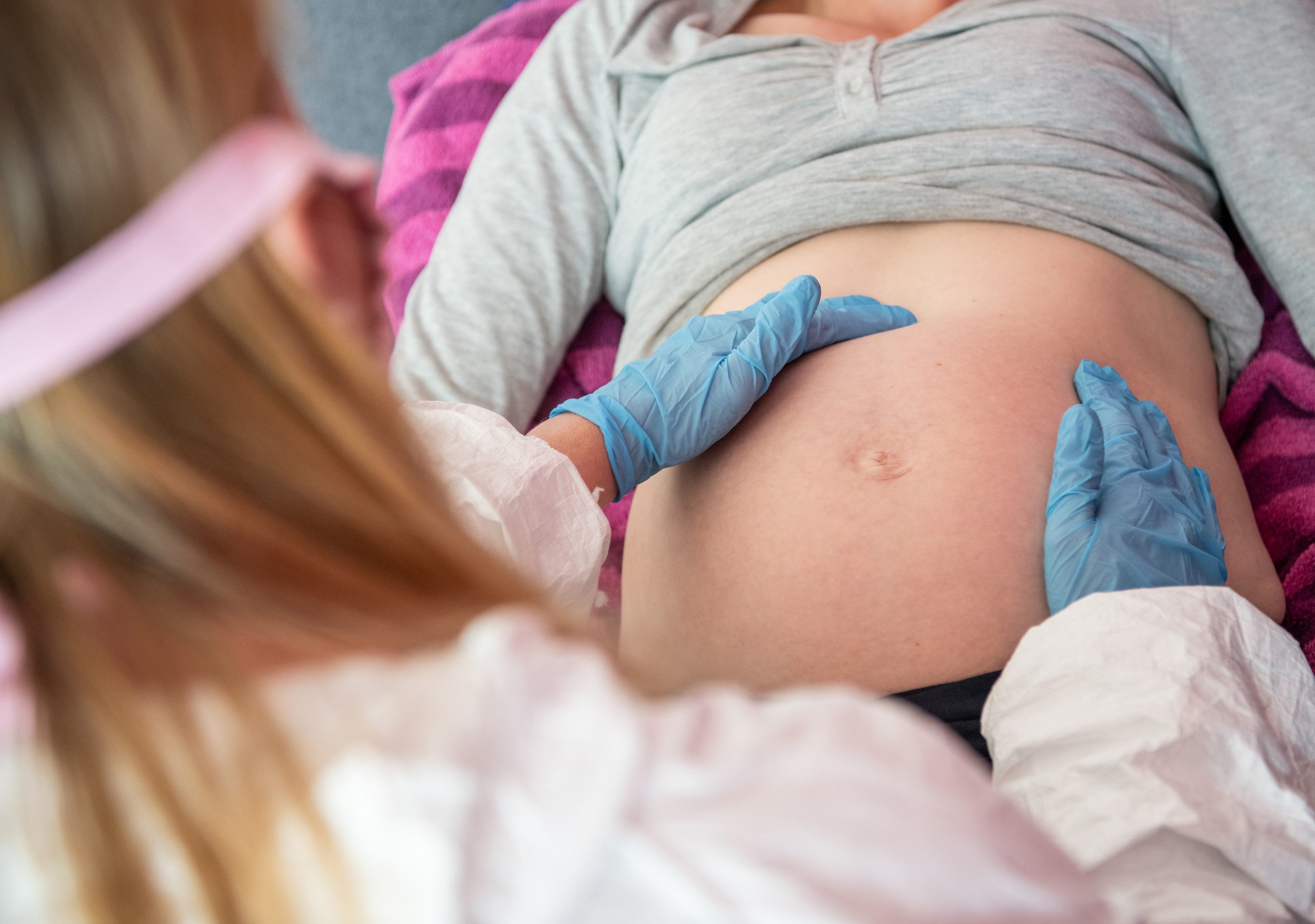
Es gibt einen Zusammenhang zwischen einem Anstieg an Totgeburten und der Corona-Impfung
Publisher’s rating: Weltweit lässt sich seit der Corona-Pandemie ein Trend zu mehr Totgeburten feststellen. Das liegt an einem Rückgang in der medizinischen Versorgung. Es gibt keinerlei Belege dafür, dass die Corona-Impfung schädliche Effekte auf Schwangere oder deren Babys hat. Im Gegenteil: Die Impfung reduziert Studien zufolge das Risiko schwerer Corona-Krankheitsverläufe sowie einer Totgeburt. Schwangere Frauen erleiden zudem häufiger als Nicht-Schwangere schwere Verläufe.
The claim concerns whether COVID-19 vaccination is connected to an increase in stillbirths. APA examined a blog article and social-media posts that proposed such a link. Its review compared Austrian stillbirth figures before and during the pandemic and considered when vaccination began, alongside studies and information about changes in prenatal care. The evidence it reports shows higher counts in the first two pandemic years than in the two preceding years, but does not establish that vaccination caused the increase. APA cites Austrian figures of 277 stillborn babies in 2018, 261 in 2019, 317 in 2020 and 309 in 2021. The corresponding rates per 1,000 were 3.23, 3.06, 3.78 and 3.58. The review says the average count from 1995 to 2021 was 305, making the 2020 and 2021 counts only slightly higher. Crucially, it notes that the highest of the four counts was recorded in 2020, before vaccination was used in Austria; the first dose there was administered on 27 December 2020. Those figures document a pandemic-period increase, not a vaccine-caused increase. For context on the broader pandemic trend, APA reports that a review of 40 studies by St George’s University in London associated increased stillbirths with reduced access to prenatal medical care from 2020, including fewer visits because of infection fears or lockdowns. On vaccine safety and outcomes, APA cites a May 2022 study in Nature Communications that reported about a 15% reduction in stillbirth risk for mothers given mRNA vaccines and no increased risks, and a May 2022 Lancet study that found no more pregnancy complications among vaccinated pregnant women. The review also cites the Austrian Society for Gynaecology and Obstetrics, which said COVID-19 infection during pregnancy was associated with a doubled stillbirth risk. Taken together, the evidence APA presents does not support the proposed vaccine link; it points instead to reduced prenatal care as an explanation for the pandemic-era trend and reports evidence of vaccination benefits.

De directeur-generaal van de WHO is niet gevaccineerd tegen COVID-19.
Publisher’s rating: De bewering is onjuist. Tedros Adhanom Ghebreyesus kreeg zijn eerste vaccinatie tegen COVID-19 op 12 mei 2021. In het videofragment legt de directeur-generaal wel uit dat hij hier wel even mee wachtte, als protest tegen de oneerlijke verdeling van de vaccins over de wereld.
The claim concerns WHO Director-General Tedros Adhanom Ghebreyesus and a video presented as proof that he had not received a COVID-19 vaccine. The review identifies the video as an authentic excerpt from the HBO documentary *How to Survive a Pandemic*. It says the documentary shows Tedros explaining that he had waited because he wanted vaccination to begin in Africa and other lower-income countries; that explanation describes a delay, not a refusal or absence of vaccination. The review reports that interviewer Jon Cohen’s separate article for *Science* included parts of their conversation omitted from the documentary. Asked when he was vaccinated, Tedros answered “12 mei” (12 May); he then explained his decision to wait. The review also says he described 12 May 2021 as the time when COVID-19 vaccination became available to medical personnel in African countries, which he considered the appropriate time for his own vaccination. As corroboration, the review points to Tedros’s Twitter post on 12 May 2021, which it says included a photograph of his vaccination and the message: “Vandaag was het mijn beurt om te worden gevaccineerd tegen COVID-19” (“Today it was my turn to be vaccinated against COVID-19”). The video’s account of waiting, taken alone, could suggest he remained unvaccinated; the reported interview answer and dated post show why that inference is misleading.
La myocardite d'une petite australienne de 5 ans pourrait avoir été causée par la vaccination COVID.
Publisher’s rating: Faux
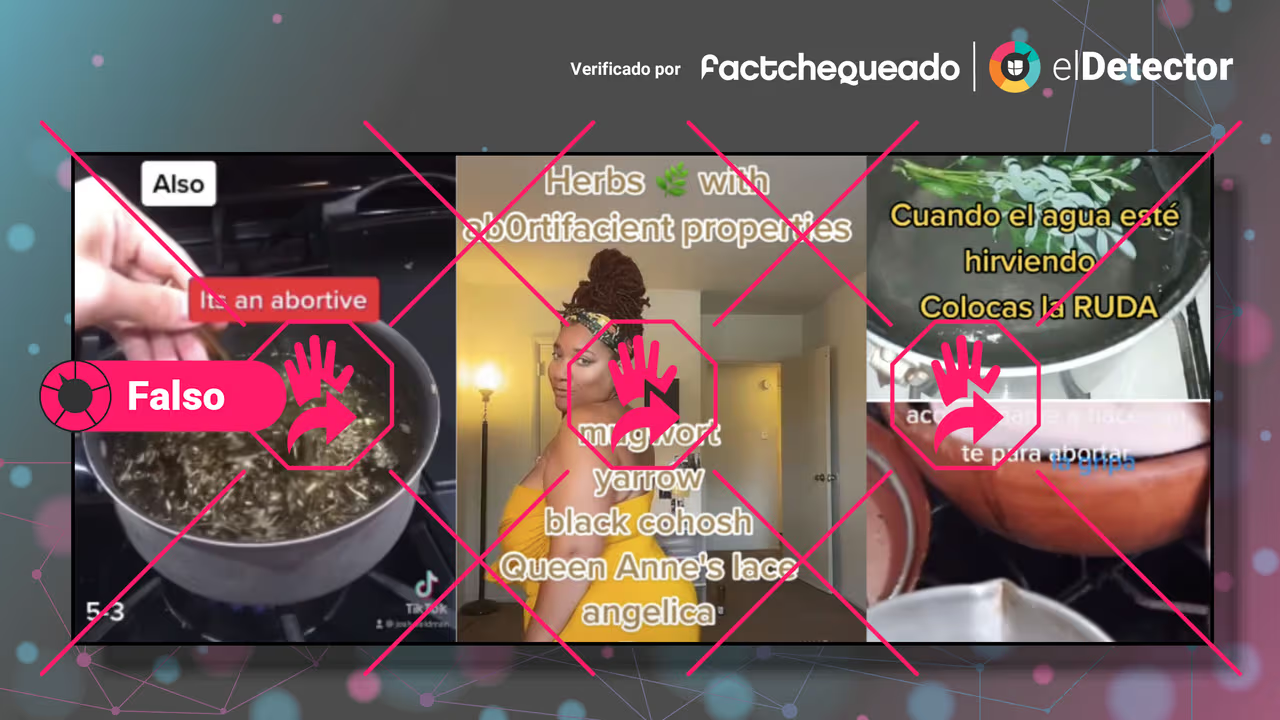
Remedios caseros e infusiones a base de hierbas son un método seguro y efectivo para "provocar un aborto”
Publisher’s rating: Falso
The review addresses social-media posts recommending herbal remedies and infusions to induce abortion, which circulated after the U.S. Supreme Court overturned Roe v. Wade on June 24, 2022. It concludes that botanical products are not an established safe and effective way to induce abortion, and warns that they can be dangerous. The review reports that the posts gained wide circulation, including more than 756 million views for related videos on TikTok, but popularity does not establish that the methods work or are safe. (S1: “Luego de que la Corte Suprema de Estados Unidos revocara el pasado 24 de junio la sentencia Roe vs. Wade de 1973 -que durante casi medio siglo garantizó en todo el país el derecho de las mujeres al aborto hasta la semana número 20 del embarazo-, comenzaron a circular en redes sociales varios contenidos que recomiendan remedios caseros e infusiones a base de hierbas para supuestamente ‘provocar un aborto’. Sin embargo, esto es falso.”; “No hay evidencia que respalde el uso de productos botánicos como un método seguro y efectivo para inducir un aborto. Además de ser ineficaz, los expertos aseguran que puede ser peligroso para la salud.”; “Los videos relacionados con el aborto a base de hierbas acumularon más de 756 millones de visitas en TikTok”) The review supports its warning with comments from named medical and health sources. It reports that Trebach described poleo as containing an agent that can form toxins and cause severe health effects, and quotes gynecologist Jen Gunter saying there are no safe and effective botanical methods for inducing abortion. It also cites the U.S. National Institutes of Health (NIH): evidence is insufficient that these recipes cause abortion, while poleo oil may cause serious harm. The distinction matters: a substance that can injure someone or affect a pregnancy is not thereby a safe or reliable method. (S1: “En una entrevista con Rolling Stone, Trebach explicó que el poleo -una de las hierbas que aparecen en los contenidos virales- contiene un agente que forma toxinas en el cuerpo y puede causar necrosis hepática, vómitos, dolor abdominal, convulsiones, insuficiencia hepática y la muerte.”; “no existen métodos seguros y efectivos para inducir el aborto con productos botánicos”; “Además, no hay evidencia suficiente de que este tipo de recetas realmente pueda causar un aborto, según los Institutos Nacionales de Salud de Estados Unidos (NIH, por sus siglas en inglés).”) The evidence presented therefore challenges both parts of the claim: the review says herbal recipes lack sufficient evidence of effectiveness and documents risks that contradict the claim of safety. It also distinguishes these recipes from clinically tested medication: the article says the FDA determined that mifepristone, used with misoprostol, is safe and effective for ending an early pregnancy. Its broader safety comparison is qualified: it describes abortion as extremely safe when done with a World Health Organization-recommended method appropriate to pregnancy duration and with someone who has the necessary information or qualifications. (S1: “La Administración de Alimentos y Medicamentos de Estados Unidos (FDA, por sus siglas en inglés) aprobó por primera vez la mifepristona en el año 2000. La FDA determinó que este medicamento es seguro y efectivo para interrumpir un embarazo temprano en combinación con misoprostol.”; “Cuando el aborto se realiza con un método recomendado por la Organización Mundial de la Salud (OMS), adecuado a la duración del embarazo y asistido por alguien con la información o las cualificaciones necesarias, es un procedimiento sencillo y extremadamente seguro.”)

"O Rio é o lugar onde mais morreu gente por Covid"
Publisher’s rating: Verdadeiro
Face masks are mandatory because of monkeypox
Publisher’s rating: Mostly False

"Хэрэв биед сахар байхгүй бол хорт хавдрын эсүүд байгалийн жамаар устдаг"
Publisher’s rating: Худал
masks are ineffective and vaccines unnecessary for most of the people
Publisher’s rating: Mostly False

llamada de Sanidad para la cuarta dosis contra la Covid-19
Publisher’s rating: False
lemon juice is a powerful home remedy for Acne
Publisher’s rating: Mostly False
Related reporting does not support describing lemon juice as a powerful acne remedy. In its discussion of back and chest acne, one source advises avoiding harsh ingredients such as lemon juice, warning that it can cause photosensitivity and skin damage. This directly challenges the idea that applying lemon juice is a reliably beneficial home treatment, although the excerpt does not report a clinical test of lemon juice or quantify its effects. A separate skincare article addresses lemon juice on facial skin rather than acne treatment. It says direct application is not recommended because the acidity can irritate skin and increase sensitivity, and points readers toward a properly formulated exfoliating product instead. That supports caution about putting lemon juice on the face, but it is not evidence about acne outcomes specifically. Taken together, these excerpts provide reasons not to promote lemon juice as a powerful remedy, but they do not establish a comprehensive medical conclusion about all acne or treatments. The supplied material is related reporting, not an original THIP review, and does not document the fact-check publisher’s research methods or testing.