PeakMetrics / Fact Checks
Health & medicine fact checks
Explore claims publishers have checked about health & medicine. Read their original ratings and follow the evidence.
Search fact checks
Search by text or image13,669 published reviews in this topic
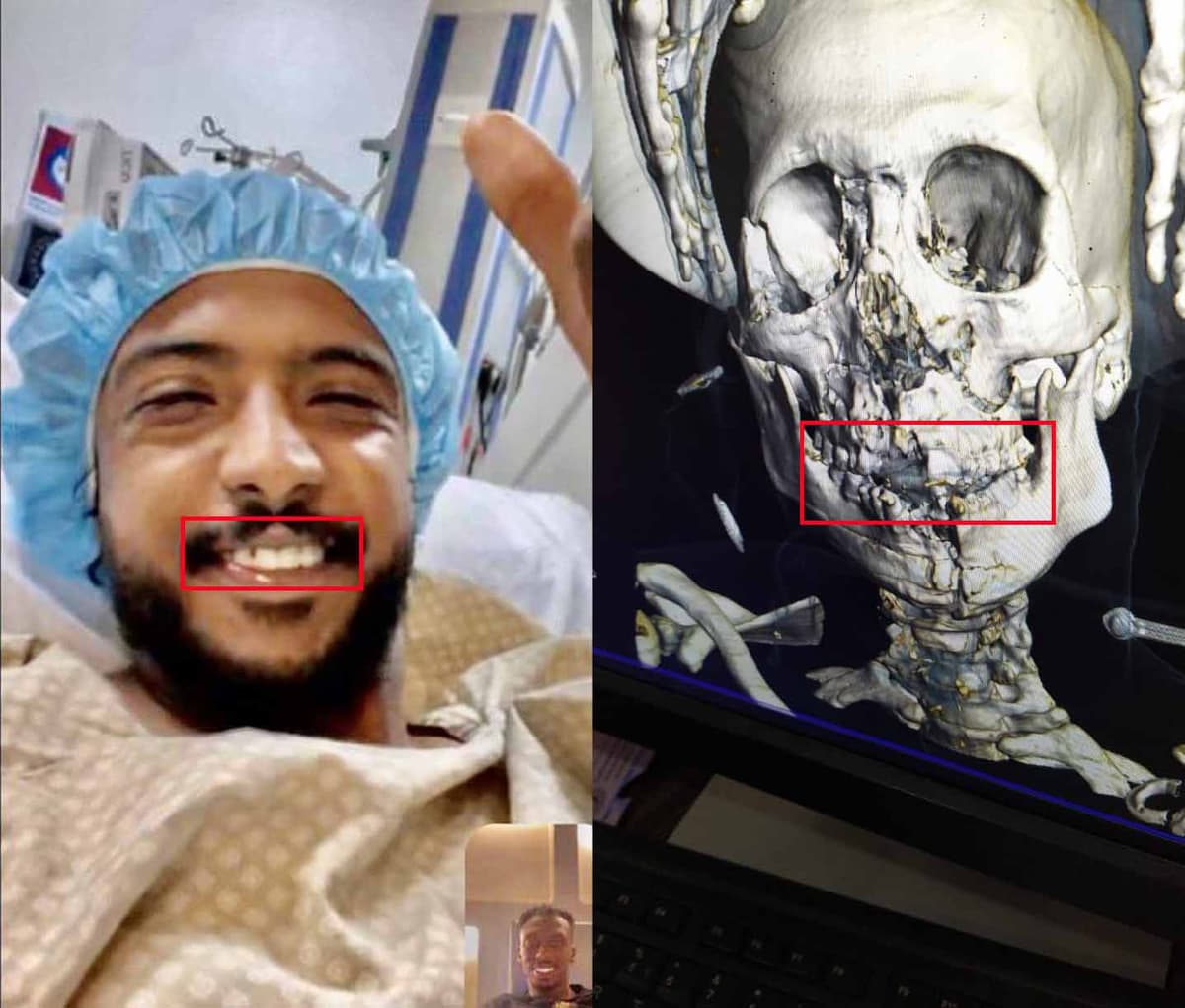
صور شعاعية ل "ياسر الشهراني" بعد تعرضه لكسر في الفك و عظام الوجه مع حاجته لتدخل جراحي سريع بسبب النزيف الداخلي
Publisher’s rating: تضليل
Wearing a mask cause cancer due to exposure to titanium dioxide
Publisher’s rating: Mostly False

Ultrasonic neck band aids weight loss by reducing fat
Publisher’s rating: FALSE
FACTLY examined a social-media video claiming that an ultrasonic neckband helps people lose weight by reducing fat. The review says it checked whether the device was approved for weight-loss or weight-management use and consulted consumer warnings about purported miraculous weight-loss products. It concludes that the claim is unsupported by the evidence it describes. The review reports that it checked the US Food and Drug Administration’s list of approved weight-loss and weight-management devices and found no ultrasonic neckband listed. It also notes that the FDA advises that treatment does not replace ongoing healthy habits: its account says patients may need better nutrition and increased physical activity before, during and after treatment, and some may still be unable to lose or maintain weight loss. For consumer-advertising context, FACTLY cites warnings from the Federal Trade Commission against false claims of miraculous weight loss. The review quotes the FTC as saying that nothing worn or applied to the skin will cause weight loss and emphasizes sensible diet and regular exercise. The excerpt does not identify the video’s uploader, the product’s model, or any clinical test of the specific band; its stated support is the absence of the device from the FDA list and the FTC’s warning about such claims.

ගංජා ශාකයේ ගුණ සහ විශේෂ වාසිදායක ලක්ෂණ ලෙස හුවමාරු වන සටහන් පිලිබදව කරුණු විමසීමක්!
Publisher’s rating: Explainer
Santino Godoy Blanco, un garçon argentin, est mort suite à une vaccination (contre le Covid-19).
Publisher’s rating: Santino Godoy Blanco est mort des suites d’une double pneumonie. C’est ce qu’a démontré une autopsie rapportée dans plusieurs médias argentins. Rien ne laisse penser que son décès soit lié à une quelconque vaccination.
The claim concerns Santino Godoy Blanco, a four-year-old Argentine boy whose image had appeared in a vaccination campaign, and suggests that vaccination caused his death. The review says that social-media posts circulated his campaign photos with captions such as “shameful” and “it’s murder,” and that some comments implied a vaccination link. It distinguishes those allegations from what was known about his death. (The review describes these posts and comments in the passages beginning “Sur Facebook” and “Dans le cas de Santino Godoy Blanco”; see the cited excerpts.) The campaign in which Santino appeared was a national Argentine campaign launched in October 2022 for vaccines against measles, rubella, mumps and polio—not Covid-19. The review says the type of vaccination allegedly blamed in some posts was unspecified, and that the child’s own vaccination status had not been disclosed. It also notes that children aged three and four in Argentina could receive only the Sinopharm Covid-19 vaccine. These details do not establish whether Santino received any vaccine; they clarify why his appearance in a campaign does not support the claim that a Covid-19 vaccination caused his death. The review reports that Argentine media said an autopsy confirmed death from double pneumonia. It adds that Santino’s mother told media the hospital had given two incorrect diagnoses and had not provided timely care for his lung infection. The review found no mention of a possible vaccination link in the accounts it describes, and says pneumonia is generally caused by a bacterium or virus and is not a known vaccine side effect. Thus, the evidence presented supports pneumonia as the reported cause of death, while the claim of vaccine causation is not substantiated by the review.
घिउकुमारी, नीम र कपूरले छालाको दाद निको पार्छ
Publisher’s rating: Half True
ਤਾਂਬੇ ਦੇ ਭਾਂਡਿਆਂ ਦਾ ਪਾਣੀ ਪੀਣ ਨਾਲ ਬਿਮਾਰੀਆਂ ਠੀਕ ਹੋ ਸਕਦੀਆਂ ਹਨ
Publisher’s rating: Half true
Angel Underarm Whitening Serum is an FDA-approved product
Publisher’s rating: Fake

A young man drank his own donated blood out of anger as he was not given a juice packet after the blood donation
Publisher’s rating: FALSE
The claim concerns a story that a young man drank his own donated blood because he was not given a juice packet after donating blood. FACTLY traced the image circulating with the story to a Pehchan Faridabad article dated 24 July 2020. That article named the man as Chuttan Pandey and said he had agreed to donate blood in exchange for Parle-G biscuits and juice, then drank his blood after feeling cheated when no juice was provided. The investigation followed the story to an earlier article on The Fauxy and reports that the Pehchan Faridabad story originated there. The decisive evidence is the original source’s disclaimer: The Fauxy describes itself as a satirical web portal and says its material is based on fiction, warning readers not to treat its articles as factual. FACTLY therefore concluded that the story being shared as real was not a real event. The review also identifies the image’s earlier provenance: it shows medical students donating blood during a blood donation drive in Amritsar in May 2013. This supports the review’s account that the image was reused in the later story, rather than documenting the alleged incident involving Chuttan Pandey. The evidence presented thus challenges both the story’s factual basis and the implication that the image depicts the claimed event.
ਨਾਰੀਅਲ ਤੇਲ ਅਤੇ ਐਲੋਵੇਰਾ ਵਾਲਾਂ ਨੂੰ ਲੰਬੇ, ਮੋਟੇ ਅਤੇ ਚਮਕਦਾਰ ਬਣਾ ਸਕਦੇ ਹਨ
Publisher’s rating: Half True
Personal hair dye use increases cancer risk.
Publisher’s rating: No strong evidence of a link between personal hair dye use and cancer. Some evidence of a link when working with hair dyes, according to expert agencies.
applying egg white, milk, and apple eliminate wrinkles and age lines
Publisher’s rating: Mostly False

G20-leiders verplichten wereldwijde vaccinatiepaspoorten.
Publisher’s rating: Dat is fout: de G20 maakte geen dergelijke beslissing.
The claim concerns the G20 leaders’ meeting in Bali and whether it decided to introduce vaccine passports for international travel. The review says the leaders met on November 15 and 16 and issued a declaration at the end of the two-day meeting. It describes the online claim as linking a proposed QR-code vaccine passport to point 23 of that declaration. [S1: “De regeringsleiders van de G20, een verzameling van de negentien grootste economische landen en de EU, kwamen op 15 en 16 november samen in Bali. Op het einde van die tweedaagse bijeenkomst publiceerde ze een verklaring met hun bevindingen.”; “Het zogenaamde vaccinatiepaspoort door middel van een QR-code zou volgens de online blogs in punt 23 aan bod moeten komen”] The review’s account of that passage is that it addressed improving regional and local production of health products and international research exchange, particularly for developing countries—not adopting travel-passport requirements. It adds that the passage referred to sharing technical standards and verification methods, including vaccination certificates. [S1: “Het gaat hier over de noodzaak om regionale en lokale productiecapaciteiten voor gezondheidsproducten te verbeteren, alsook het internationaal uitwisselen van onderzoek. Dat specifiek om ontwikkelingslanden ten goede te komen.”; “Een aspect daarvan is het delen van technische standaarden en verificatiemethodes, waaronder vaccinatiebewijzen.”] The review also gives two qualifications to the claim’s interpretation: it connects those standards to the WHO’s International Health Regulations, which it says have been legally established since 2005, and notes that even a reference to COVID-19 passports would not itself make the declaration binding. The review says the G20 has no inherent legislative power and describes its main purpose as coordinating members’ financial and fiscal policies. [S1: “Dit gaat terug op de Internationale Gezondheidsregeling van de WHO, die al sinds 2005 wettelijk verankerd is.”; “En zelfs al zou het wél over de coronapandemie en de invoering van een vaccinatiepaspoort gaan, zou het nog niet bindend zijn. De G20 heeft geen inherente wetgevende macht.”; “Het hoofddoel is het coördineren van het financieel en fiscaal beleid van de deelnemende landen.”] Finally, the review cites an October G20 health-ministers’ meeting summary as noting countries’ autonomy to make such decisions independently. Taken together, its description distinguishes cooperation on health standards and certificates from a G20 decision requiring international vaccine passports. [S1: “In een meeting voor gezondheidsministers van de G20 eind oktober kwam de autonomie van individuele landen om zulke beslissingen onafhankelijk te nemen nog naar voren (punt 23 van de samenvatting).”]
ਆਲੂ ਮੁਹਾਸੇ ਦੇ ਦਾਗ ਤੋਂ ਛੁਟਕਾਰਾ ਪਾਉਣ ਵਿੱਚ ਮਦਦ ਕਰ ਸਕਦੇ ਹਨ
Publisher’s rating: Mostly False
Biryani diminishes male sex drive
Publisher’s rating: The claims made by the Indian politician are misleading and don’t have any scientific backing.
La subvariante de ómicron XBB es más mortal y grave que delta.
Publisher’s rating: Falso
The review examined a message circulating on Facebook and submitted through elDetector’s WhatsApp chatbot. It claimed that “covid-ómicron XBB” was five times more virulent than Delta and had a higher death rate. The review’s central finding was that the evidence available at the time did not support the claim that XBB was more deadly or severe than Delta. To assess the claim, elDetector cited the World Health Organization’s assessment that there was no epidemiological evidence of a substantially greater risk of death from XBB compared with other variants. It also described an Institute for Health Metrics and Evaluation analysis of hospitalizations associated with XBB in Singapore, where XBB became dominant in October. That analysis characterized Omicron subvariants as more than ten times less severe than earlier pandemic waves. The review further reported that IHME found no data suggesting XBB had a higher death rate than Delta. The review also interviewed epidemiologist Dadilia Garcés, who said the evidence indicated XBB could be more transmissible, but not more aggressive or lethal. She pointed to lower hospitalizations and deaths in Singapore compared with Delta, and said no XBB-related deaths had been reported in the United States through November 16. Singapore’s health ministry reported that 65% of local COVID-19 cases in October were associated with XBB, while severe cases remained low. The review noted that Singapore’s reported XBB wave had declined by October 29 and that the ministry reported no increase in COVID-19 deaths during the preceding month.
Melbourne suffered the world's longest lockdown
Publisher’s rating: Not clear cut
Las vacunas causan autismo
Publisher’s rating: Es falso que las vacunas causen autismo

බිළිඳෙකුගේ ජාන විකෘතිතාමය තත්ත්වයක් බව හඟවමින් හුවමාරු වූ ඡායාරුපයේ ඇත්ත කතාව!
Publisher’s rating: False