PeakMetrics / Fact Checks
Health & medicine fact checks
Explore claims publishers have checked about health & medicine. Read their original ratings and follow the evidence.
Search fact checks
Search by text or image13,667 published reviews in this topic
नूडल्स खाने से पाचन तंत्र को नुकसान पहुंचता है
Publisher’s rating: Mostly false
you can lose weight with cumin, ginger and lemon
Publisher’s rating: Mostly False

Rainwater causes cough
Publisher’s rating: False
The review addresses whether rainwater itself causes coughing. Its reasoning is that coughing can have several causes, including respiratory infections, allergies, and environmental irritants, but rainwater has no properties that directly cause a cough. The review therefore distinguishes a direct effect of rainwater from possible effects of contaminants in it. [source quotation supports the paragraph]

खीरा, सेब, धनिया व नींबू का मिश्रण मोटापा कम कर सकता है
Publisher’s rating: False
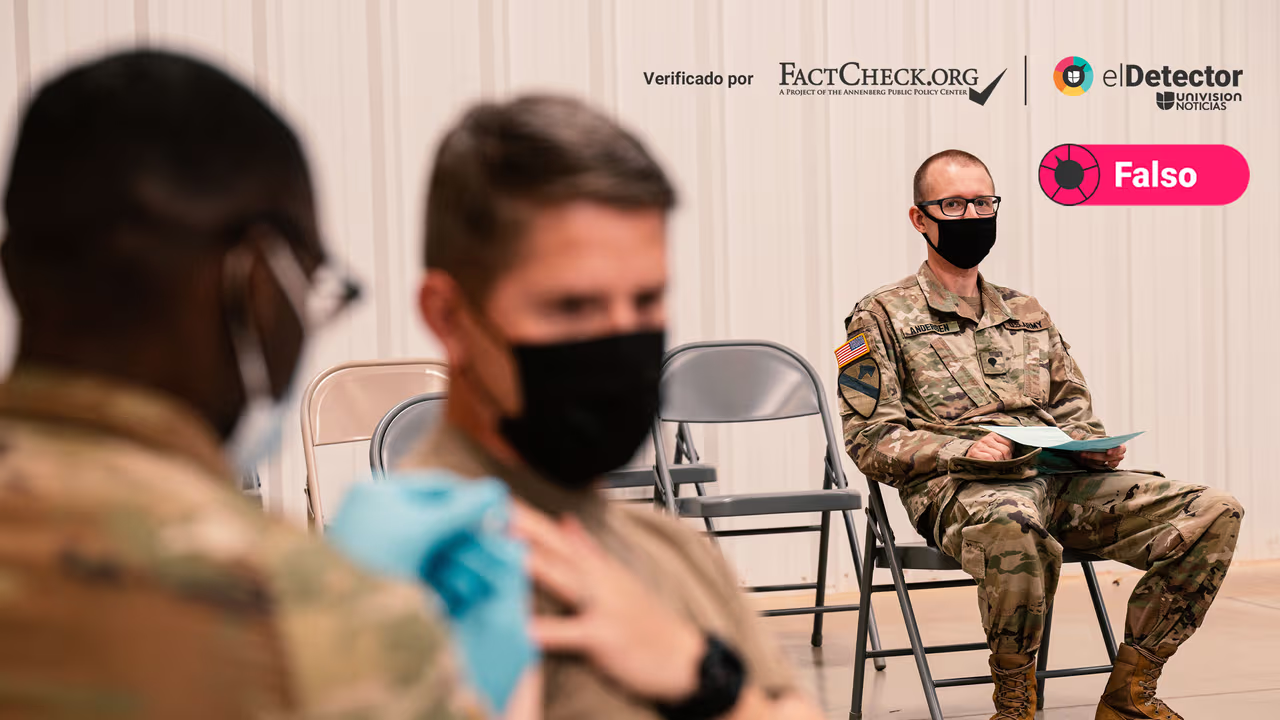
Aumentaron en 500% los casos de VIH en el ejército con las vacunas contra el covid-19
Publisher’s rating: Falso
Hun Sen was seriously ill and urgently admitted to a hospital's ICU in Singapore.
Publisher’s rating: False

Please forward it to all friends Information has been given by Hyderabad Police all over India. Please do not drink any cold drink like Maaza, Fanta, 7 Up, Coca Cola, Mountain Deo, Pepsi, etc. for the next few days because one of the company’s workers has mixed the contaminated blood of dangerous virus named Ebola in it. This news was told in NDTV channel yesterday. Please help by forwarding this message as soon as possible. Forward this message to your family. Share this as much as you can 07:12 Thank you.
Publisher’s rating: False

O රුධිර කාණ්ඩය ඇති අය මදුරු දෂ්ඨනයට ලක්වීමේ වැඩි ප්රවණතාවයක් පවතිනවා ද?
Publisher’s rating: Explainer
The review examines whether having O blood type makes a person more likely to be bitten by mosquitoes, a claim it says was circulating on social media. It considers research on mosquito attraction and blood groups, while noting that the studies described do not all establish the same thing: some concern mosquitoes landing on blood or fluids, while another concerns susceptibility to malaria. The article also reports that mosquito attraction can be affected by factors other than blood type. Among the studies it describes, a 1974 study of 102 people found that people with O blood type were more prone to malaria, while a 2004 study reported mosquitoes landing on fluids from people with O blood type more often than on those from people with A blood type: 83.3% versus 46.5%. The review qualifies the latter result: it says the notable difference was between O and A, and that no comparable notable difference was seen between O and the other blood groups. It also describes a 2019 study by University of Sri Jayewardenepura researchers that found greater attraction to people with O blood type, but says that this did not give mosquitoes a special benefit for egg-laying. The article does not present these findings as conclusive proof that O blood type is an established risk factor for being bitten. It reports that research on the topic is limited and that scientists have not reached agreement. A Health Ministry entomologist is quoted as accepting that some research finds greater attraction to people with O blood type, while stressing that the effect may vary with geography, mosquito species and other environmental factors. A dengue-control specialist likewise says blood type is not considered an established risk factor and that many factors together influence mosquito bites.

Dit zijn medicijnen/vaccinaties die in kinderen gaan tegenwoordig.
Publisher’s rating: De foto toont medicatie die nodig was om de baby op de foto te verwekken en op de wereld te zetten. Het zijn dus geen medicijnen die het kind zelf krijgt, laat staan dat het medicijnen of vaccinaties zijn die kinderen standaard krijgen.
Chillies can lower the risk of lung cancer
Publisher’s rating: Mostly False


Deze cijfers over borstkanker zijn accuraat.
Publisher’s rating: De cijfers zijn een samenraapsel die kankerprojecties bij verschillende leeftijdsgroepen tonen en dus niet vergeleken kunnen worden. Het is onmogelijk om op basis van deze cijfers iets over de impact van coronavaccins te zeggen, want dit zijn geen reële cijfers maar projecties op basis van data van voorgaande jaren, waarvan het meest recente 2019 is.
The figures circulating on social media came from annual reports on the American Cancer Society website and concerned the United States. The review explains that the figures were estimates of expected cases, not counts of cases that had actually occurred. They also did not use the same population group each year, so comparing the numbers as a single trend gives a misleading impression of a sharp increase. For example, figures cited for 2019, 2020 and 2021 refer to women under 45. The 2022 figure instead covers women under 50, a larger group, while the 2023 figure covers women of all ages. The review gives a 2023 estimate of 48,780 cases for women under 50 and notes that estimates for breast cancer among all women in 2019–2022 were of a similar order to the 2023 estimate. Those different age groups make the apparent jump in the social-media graphic unsuitable as a like-for-like comparison. The estimates were based on data from earlier years, and the latest estimate discussed in the review used data only through 2019. The review therefore says these figures cannot show an effect of vaccines introduced later. It distinguishes these projections from actual case data, noting that the most recent real figures available at the time were for 2020. It also reports a longer-term rise in breast-cancer cases, but says that the increase was not as dramatic as the social-media figures suggest and was mainly attributed to changing lifestyles.
Black cumin seed oil provides sun protection
Publisher’s rating: False
یک میلیون و ۶۰۰ هزار مورد از عوارض واکسن فایزر در یک سند محرمانه فاش شده است.
Publisher’s rating: نادرست