PeakMetrics / Fact Checks
Health & medicine fact checks
Explore claims publishers have checked about health & medicine. Read their original ratings and follow the evidence.
Search fact checks
Search by text or image13,667 published reviews in this topic



“The major vectors for [hepatitis B] are it’s sexually transmitted or by needles. Why would you give that [vaccine] to a one-day-old child?”
Publisher’s rating: Misleading
Vaccine companies get immunity “no matter how negligent they are … no matter how reckless the behavior, no matter how shoddy their manufacturing and testing process is.”
Publisher’s rating: False
The review addresses a statement Robert F. Kennedy Jr. made in an interview with Bill Maher: that vaccine companies receive immunity “no matter how negligent they are” or how reckless their conduct and how poor their manufacturing and testing are. The central issue is what the 1986 National Childhood Vaccine Injury Act and the Supreme Court’s 2011 decision in *Bruesewitz v. Wyeth* actually bar. The review reports that the law generally directs vaccine-injury claims first to a compensation program, rather than giving manufacturers blanket protection from every lawsuit. To assess Kennedy’s interpretation of *Bruesewitz*, FactCheck.org describes consulting law professor and vaccine-law expert Dorit Reiss. Reiss explained that the case concerned whether a person could sue in state court for an alleged vaccine design defect. The Court rejected that route. The majority’s mention of the phrase “unavoidably unsafe,” the review says, was part of an argument the majority rejected—not a ruling that manufacturers are immune from all liability. Reiss’s explanation is that the majority mentioned the phrase to say it was not the correct interpretation of the law. The review’s decisive distinction is between design-defect claims and other claims. It reports that claims involving manufacturing defects, negligence, or fraud can still be brought against manufacturers. A claimant must first go through the vaccine compensation program; the review says a state-court claim can then proceed if the program takes more than 240 days to respond or the claimant rejects its decision. That account contradicts the assertion of immunity regardless of negligence or manufacturing conduct. The review also notes that Kennedy himself has brought lawsuits against Merck over its HPV vaccines, which it cites as an example inconsistent with his blanket-immunity claim.
“Fewer than 1 in 100 vaccine injuries are ever reported because it’s voluntary."
Publisher’s rating: Misleading
“Vaccines are the only medical product that is not safety-tested prior to licensure."
Publisher’s rating: False
using a herbal spray can cure hemorrhoids
Publisher’s rating: Mostly False
Activated charcoal can be used for treating ‘any poisoning or diarrhea’
Publisher’s rating: Misleading
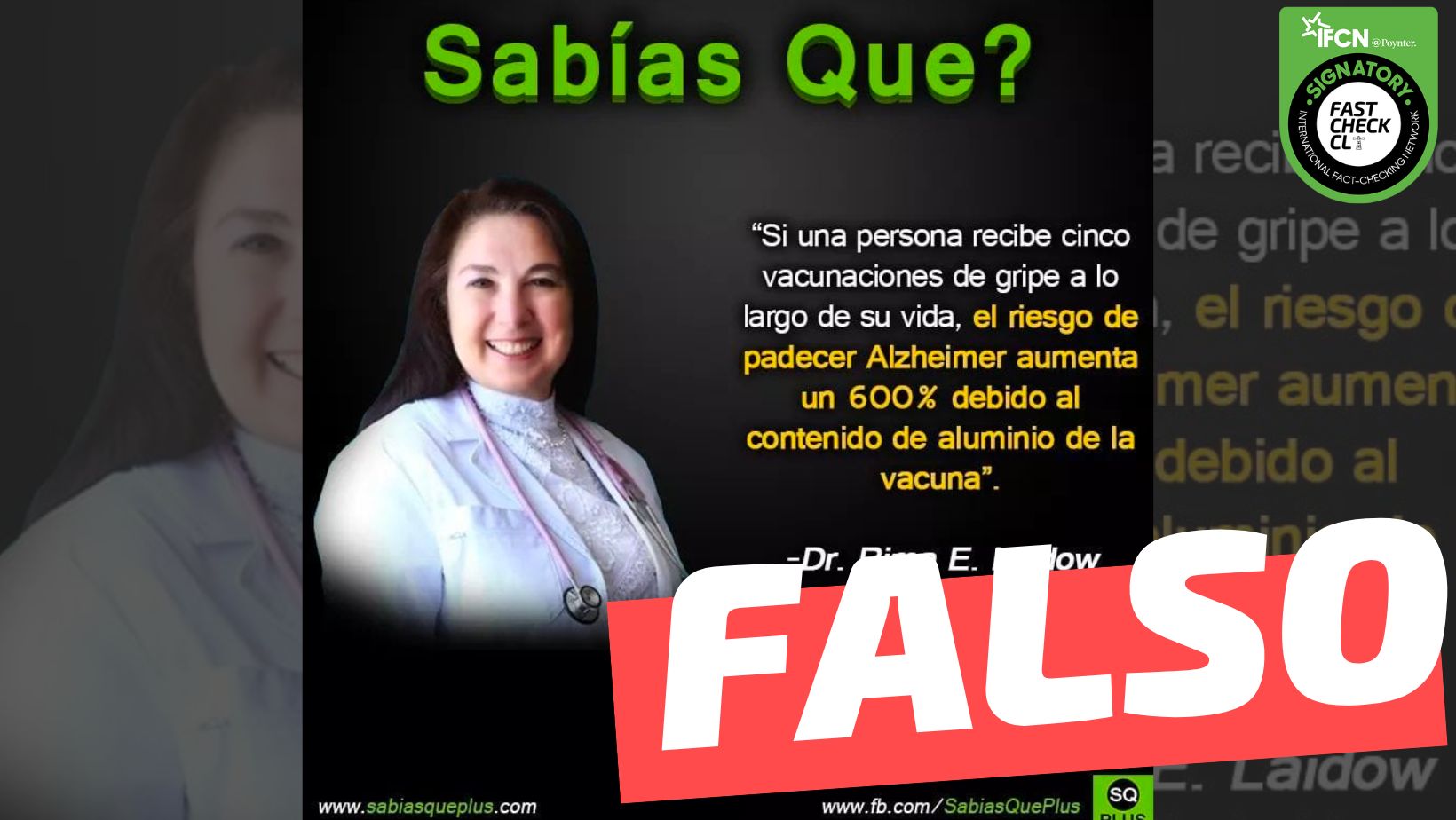
“Si una persona recibe cinco vacunaciones de gripe en su vida, el riesgo de padecer Alzheimer aumenta en un 600%”
Publisher’s rating: Falso
curd and rose water remove pimples and spots
Publisher’s rating: Missing Context
Vaccine critic Rashid Buttar died from ‘vaccine shedding’
Publisher’s rating: FALSE

කොවිඩ් එන්නතේ භයානක ප්රතිඵල ඇති බවට පැවසූ සටහන් පිළිබඳ පැහැදිලි කිරීමක් !
Publisher’s rating: Explainer
एक स्प्रे कुछ दिनों में कमर दर्द को खत्म कर सकता है
Publisher’s rating: Mostly False
Listening to these sound frequencies can ‘heal’ health issues
Publisher’s rating: Misleading
Apeel use heavy metals in their food coatings
Publisher’s rating: False
Research from related reporting addresses the allegation that Apeel’s food coating contains heavy metals. A Science-Based Medicine article describes the coating as made from plant-based mono- and diglycerides extracted from fruit and vegetable peels, pulp, and seeds. It says the manufacturing process uses solvents, but that they remain at trace levels well below cautious safety limits. The excerpt does not report laboratory testing of a particular Apeel-coated product, so it should not be read as a description of a test performed for this fact-check. On the heavy-metals allegation, the article characterizes claims that Apeel coatings contain heavy metals as false. It says the metals discussed are present in produce at levels comparable to those in other produce, where they are absorbed from soil, and that processing removes some. This distinction matters: the presence of a metal in produce does not, by itself, establish that it is an ingredient in Apeel’s coating. The supplied excerpt gives no metal names, measured concentrations, or test results, so it does not support a more specific quantitative comparison. A separate supplied excerpt repeats an allegation that Apeel contains heavy metals, but attributes it to a Telegram post and provides no underlying test or documentation. The related reporting therefore supports the publisher’s “False” rating, while the available excerpts do not establish that every coated item is free of naturally occurring metals; they address whether heavy metals are ingredients or a demonstrated feature of the coating.
Fasting-induced autophagy guarantees illness reversal.
Publisher’s rating: Misleading
Lyme disease originated as a bioweapon
Publisher’s rating: FALSE
Related reporting describes allegations that Cold War tick experiments contributed to Lyme disease, but the excerpts do not establish that Lyme disease originated as a bioweapon. One report says Robert Malone based his allegation on declassified documents, historical records and research on tick-borne diseases. It describes experiments involving radioactive ticks in Virginia and research at Plum Island, near where Lyme disease was first identified. That is evidence of tick research and geographic proximity as reported—not, on its own, evidence that the disease-causing bacterium was released or created in those experiments. The same report says the Department of Homeland Security has repeatedly stated Lyme disease was never studied at Plum Island. Other supplied reporting makes an important distinction between investigating Cold War weapons research and proving the origin claim. Kris Newby, author of *Bitten*, says her book “did not prove that Lyme disease was a bioweapon” and describes its narrower focus as questions about a second microbe found during the Lyme investigation. A separate report attributes to Malone a 45 percent likelihood that experiments and the alleged omission of the “Swiss Agent” contributed to Lyme becoming epidemic; that is presented as his conclusion, not as a demonstrated finding. The excerpts therefore document allegations and disputed historical questions, but do not provide evidence sufficient to establish the claim that Lyme disease originated as a bioweapon.

ලියුකේමියා තත්ත්වයක් හේතුවෙන් ආධාර ලබාදෙන ලෙසට හුවමාරු වන සටහනේ දැක්වෙන වෛද්යවරයා මීට වසර 4 කට පෙර ජීවිතක්ෂයට පත්වී ඇත!
Publisher’s rating: Misleading