PeakMetrics / Fact Checks
Health & medicine fact checks
Explore claims publishers have checked about health & medicine. Read their original ratings and follow the evidence.
Search fact checks
Search by text or image13,667 published reviews in this topic
Zonnecrème is kankerverwekkend en door zonnecrème neem je niet genoeg vitamine D op.
Publisher’s rating: Onwaar
Acupunctuur is effectiever dan orale antidepressiva als behandeling van depressieve symptomen.
Publisher’s rating: Geen bewijs

De meeste droogshampoos bevatten benzeen, een kankerverwekkende stof.
Publisher’s rating: Eerder waar
1 op de 10 vrouwen neemt ontslag door de menopauze.
Publisher’s rating: Eerder waar
Roken is honderden keren ongezonder dan alcohol drinken.
Publisher’s rating: Geen bewijs
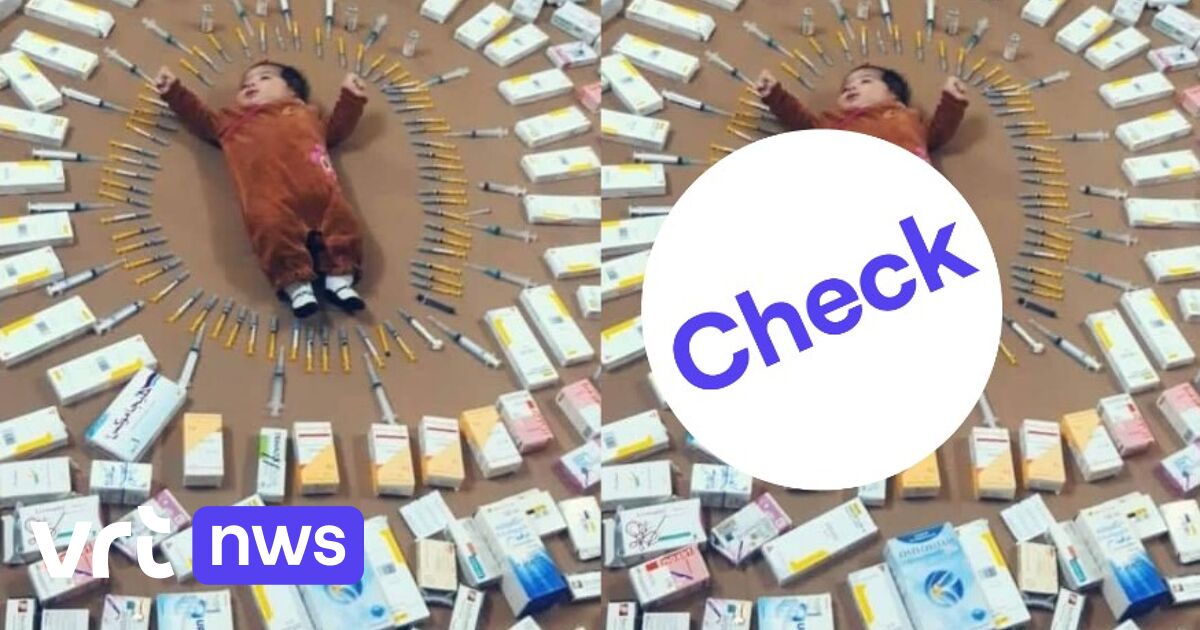
Deze foto toont de hoeveelheid vaccins die baby's krijgen.
Publisher’s rating: Onwaar
The claim concerns a photograph of a baby surrounded by syringes and medicine packages, presented as evidence of the number of vaccines babies receive. VRTNWS reports that the image circulated with anti-vaccination messages, including claims that the items showed what was being put into children. The investigation instead identifies the photograph as one of a child whose mother had undergone fertility treatment: “Op de bewuste foto zijn de verpakkingen te zien van alle vruchtbaarheidsmedicatie die de moeder van de baby gebruikte om zwanger te kunnen worden.” To investigate the image, the article says it used reverse image search to find other places where the photograph appeared. It also examined readable packaging and Arabic writing visible in the image. One readable product, Uroday, was identified as an antibiotic rather than a vaccine. Searching for the Arabic packaging led to a post by BMC TV, described as a television station in the Kurdistan Region of northern Iraq, and to posts on the Iraqi Facebook page Baghdad Model. Those posts attributed the photographs to a person in Kirkuk and described the medicines as treatments used before the family was blessed with a daughter: “De afgebeelde medicijnen zijn dus geen vaccinaties, maar behoren tot de vruchtbaarheidsbehandeling van de moeder.” The article places the image in a wider pattern: it says parents have shared photographs of babies surrounded by fertility medicines as a way of showing the treatment involved in conception. It also reports that the same image was later reused by anti-vaccination advocates to suggest it depicted childhood vaccines. The investigation’s evidence about the packaging and the image’s earlier circulation therefore contradicts the interpretation attached to the photograph; it does not establish that the pictured medicines were vaccines.
De coronavaccins zorgden in de zomer van 2022 voor een hoge graad van oversterfte in Europa.
Publisher’s rating: Onwaar
Cafeïne heeft een positief effect op mensen met ADHD.
Publisher’s rating: Geen bewijs

Leukemie is een zinvol biologisch speciaalprogramma is om jou te helpen. Circulerende leukoblasten zijn een teken van herstel van het beenmerg.
Publisher’s rating: Onwaar
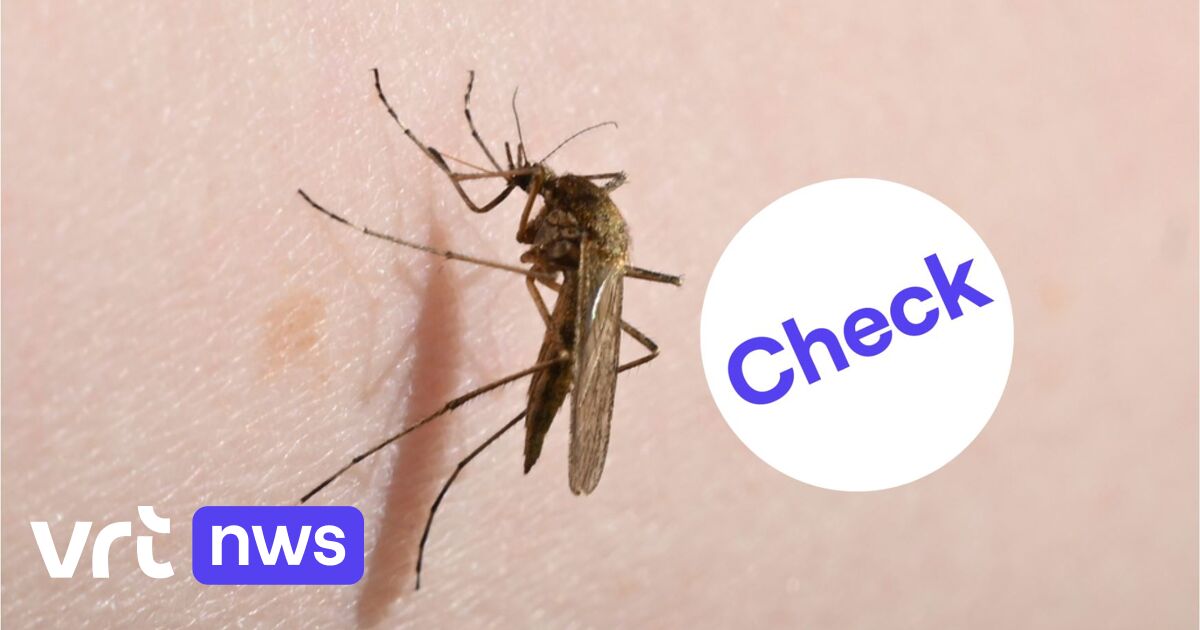
Warm water helpt tegen de jeuk van een muggenbeet.
Publisher’s rating: Eerder waar
The review assesses several popular TikTok remedies for mosquito-bite itch, including applying heat. It reports that infectious-disease specialist Steven Van Den Broucke of the Institute of Tropical Medicine considers heat capable of easing the itch, but says this is not for the reason given in the video. The review describes the effect as temporary: intense heat or cold can overstimulate skin nerve cells so that itch signals are not properly transmitted to the brain. Once the heat or cold stops, the itch may return. The article also explains the biological context. Entomologist Wim Van Bortel says mosquito saliva prevents blood from clotting, while Van Den Broucke explains that the body’s response to the saliva releases histamine and triggers inflammation. Heat might reduce itch signals or affect histamine and other inflammatory proteins, but the review says the possibility of longer-lasting relief has not been established by good studies. It therefore distinguishes temporary relief from evidence that heat prevents itch over the longer term. The claim is about warm water, while the review’s specific example is a warm spoon held against a bite. It concludes that heat can help temporarily, but says there is no evidence yet that this approach works in the long term. Its conclusion supports the claim as a limited, short-term possibility rather than a guarantee or a proven lasting remedy.
Honden die veganistisch dieet volgen, hoeven minder vaak naar de dierenarts.
Publisher’s rating: Geen bewijs

Intermittent living kan de klachten van de ziekte van Lyme verminderen.
Publisher’s rating: Geen bewijs
De Amerikaanse gezondheidsdienst CDC wil het coronavaccin verplicht maken voor baby’s vanaf 6 maanden.
Publisher’s rating: Eerder onwaar

Pfizer overweegt om het coronavirus zelf te muteren.
Publisher’s rating: Geen bewijs
Een te lage cholesterolwaarde zorgt voor deze reeks negatieve effecten op de gezondheid.
Publisher’s rating: Geen bewijs
De Amerikaanse bijsluiters van de mRNA-coronavaccins worden met opzet blanco gelaten.
Publisher’s rating: Waar