PeakMetrics / Fact Checks
Elections & voting fact checks
Explore claims publishers have checked about elections & voting. Read their original ratings and follow the evidence.
Search fact checks
Search by text or image5,415 published reviews in this topic
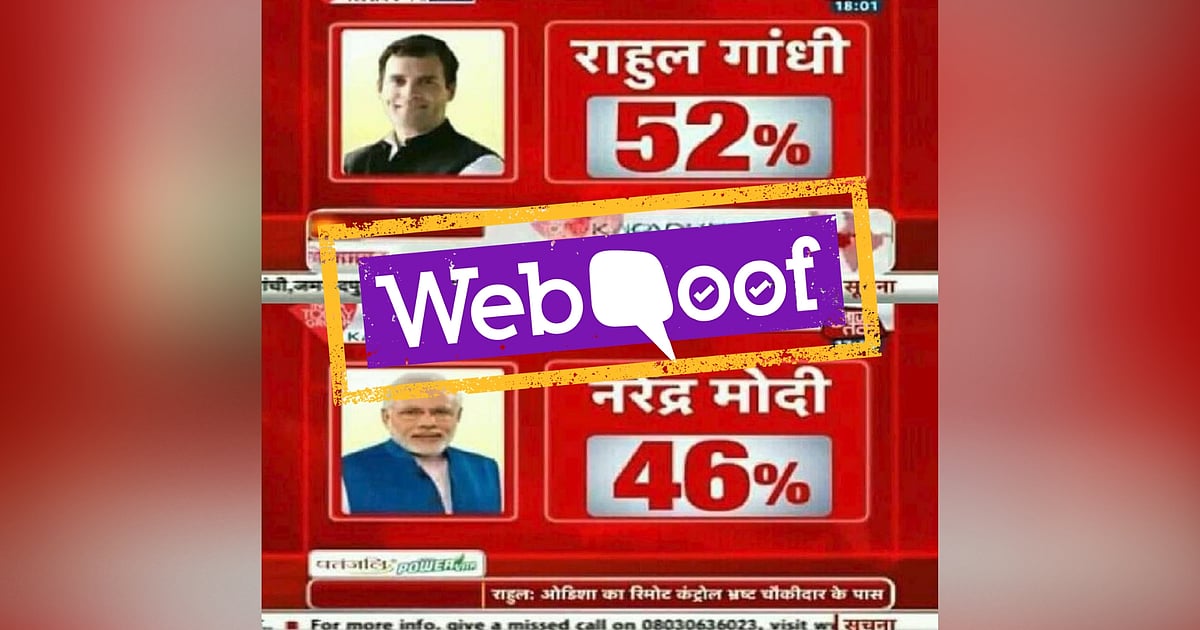
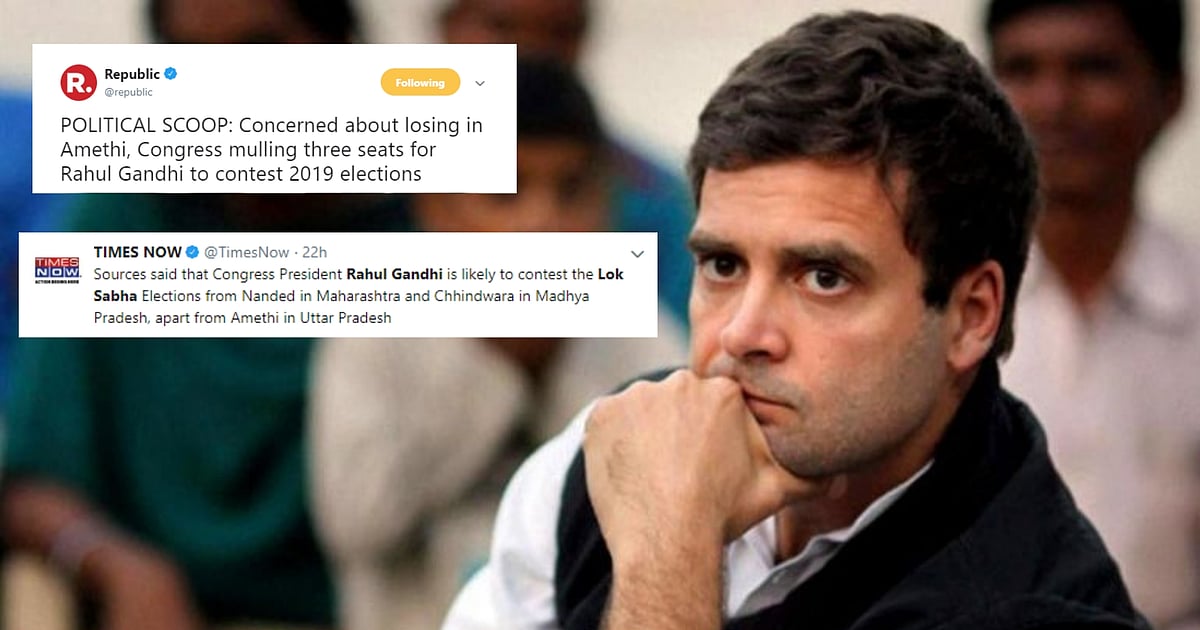
Congress' Rahul Gandhi will contest on 3 seats in the 2019 Lok Sabha Elections.
Publisher’s rating: FALSE
A claim that says Nigeria’s Independent National Electoral Commission [INEC] ban phones at polling stations
Publisher’s rating: The claim that INEC has banned the use of phones and cameras at polling stations is NOT ENTIRELY FALSE. While you are not banned from going to the polling unit with your phones, you just wouldn’t be allowed to take your phones or similar photographic devices into the cubicle to vote!

A claim that Oby Ezekwesili said she will support gay rights if elected President
Publisher’s rating: This claim is False
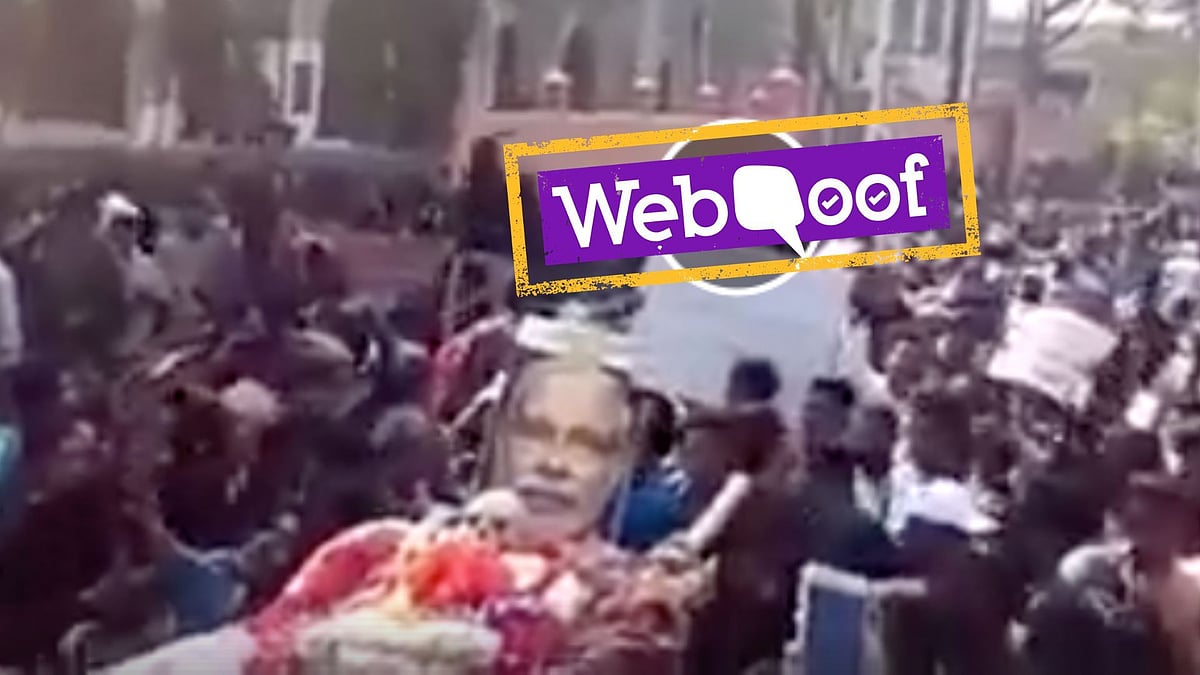
चुनाव हारने पर पाक में निकली मोदी की ‘शवयात्रा’
Publisher’s rating: FALSE
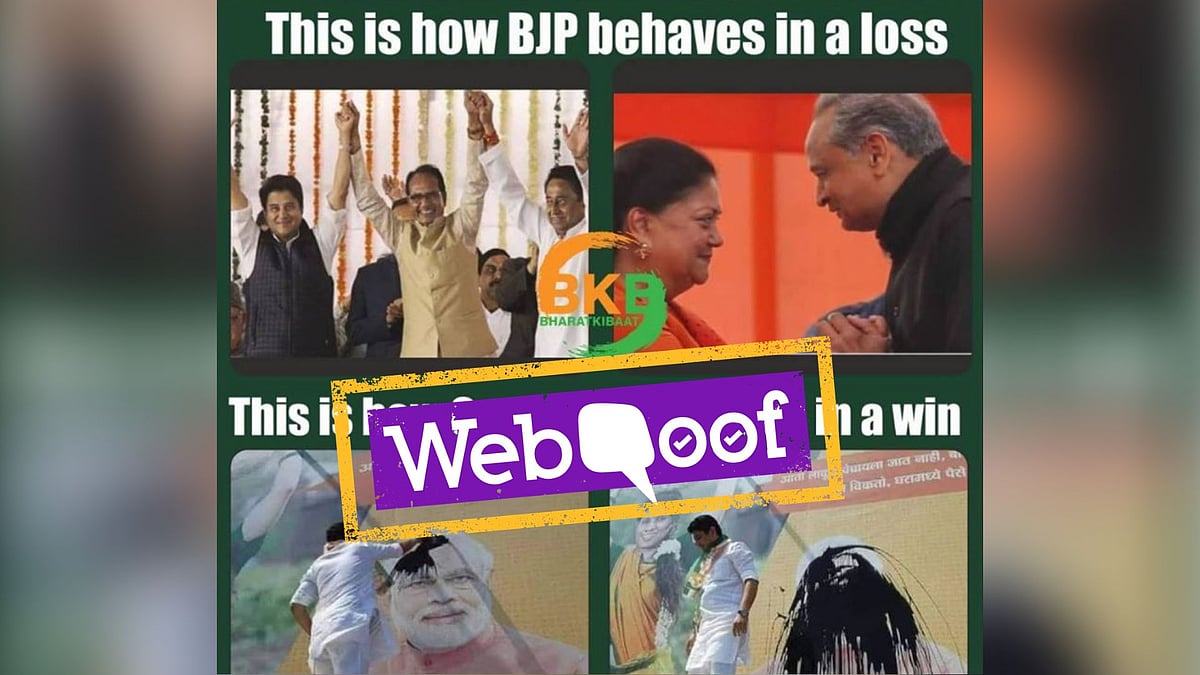
कांग्रेस की जीत के बाद PM मोदी के पोस्टर पर कालिख पोती गई
Publisher’s rating: FALSE
3 राज्यों में चुनाव जीतने के बाद राहुल गांधी मस्जिद गए.
Publisher’s rating: FALSE
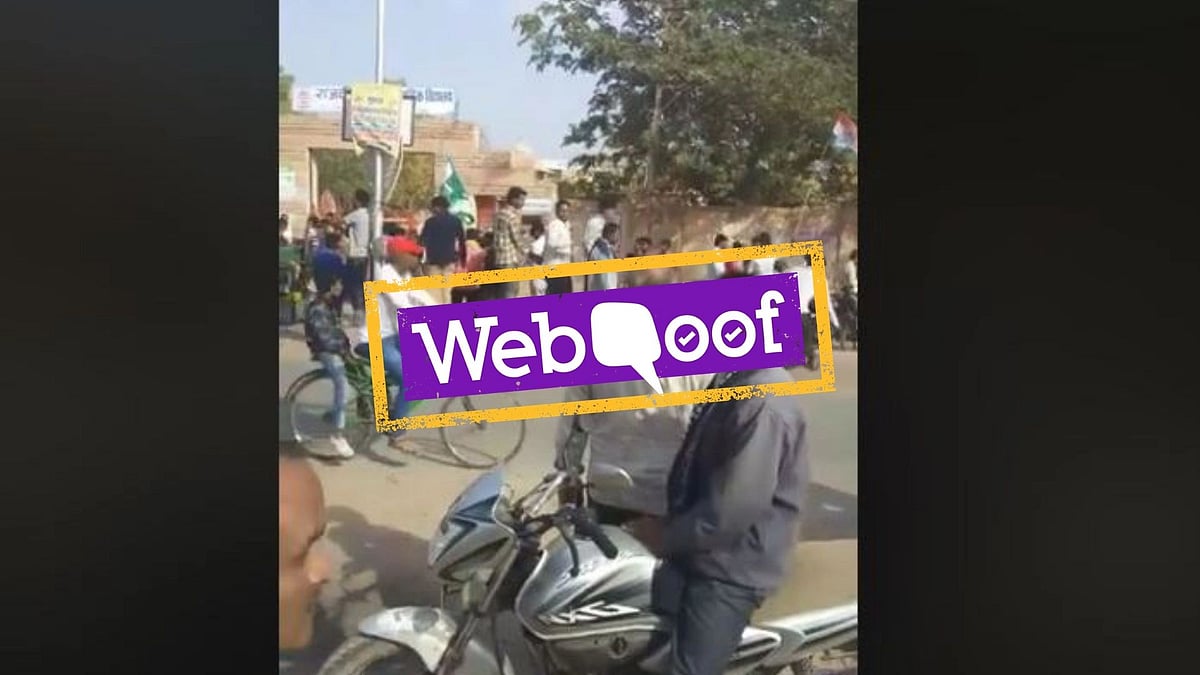
जोधपुर में कांग्रेस के विजय जुलूस में लहराया गया पाकिस्तान का झंडा.
Publisher’s rating: FALSE


「公投白忙? 等同15億元民調」?
Publisher’s rating: 錯誤
The review explains that under Article 30 of Taiwan’s Referendum Act, passed referendum proposals impose duties on government, with effects depending on the proposal type. It concludes that the results were not merely advisory polling and that the absence of penalties does not eliminate their binding force.

「台灣的公投結果否決了同性婚姻的權利」?
Publisher’s rating: 錯誤
The claim arose after Taiwan’s November 24, 2018 election, when Referendum No. 14—asking whether the Civil Code’s marriage provisions should enable two people of the same sex to marry—failed to meet the approval threshold. The review examined whether that result removed same-sex couples’ right to marry, rather than simply whether the proposal to amend the Civil Code had passed. It assessed the Constitutional Court’s Interpretation No. 748 and the Executive Yuan’s opinion on Referendum No. 12.
آیتالله احمد جنتی با در دست داشتن لیست انتخاباتی اصولگرایان هنگام رایگیری مرتکب تخلف نشده است.
Publisher’s rating: نادرست

「今日選舉到下午四點截止時間,投開票所會關門讓民眾無法再投票了」?
Publisher’s rating: 錯誤
The claim concerned whether polling stations would shut at 4 p.m. and prevent people who had arrived but were still waiting from voting. The review places the message amid Taiwan’s nine-in-one election and 10 referendums, when long queues were reported at polling places. The specific issue it examined was whether someone who had reached the polling place before the deadline but had not yet voted would lose the opportunity to vote. (“九合一選舉與10案公投今日登場,因本次各類選票複雜而量多、各投票所一早即大排長龍”; “爭議點一:下午四點前已到達投票所,投票時間截止時都尚未投票,則無法投票?”) To check the rule, the Taiwan FactCheck Center says it contacted Central Election Commission Deputy Chairperson Chen Chao-chien on Nov. 24. Chen cited Article 19 of the election and recall law: people who had arrived at the polling place by 4 p.m. could still vote. The review specifies that this included voters already in line and says staff would be placed at the end of the queue at 4 p.m. to establish who had arrived in time. (“台灣事實查核中心於11月24日10時55分求證中選會副主委陳朝建,陳副主委表示,根據選罷法第19條的規定,已經「抵達投票所的選舉人」仍可以投票”; “四點一到也會指派警衛或其他工作人員站於隊末,以為確認。”) The review also reports that the commission’s announcement expressly allowed people who had reached a polling place before 4 p.m. but had not yet voted to cast their ballots. The statutory wording quoted in the review draws the relevant distinction: late arrivals could not enter after the deadline, but people who had arrived within the permitted time could still vote. Thus, the message’s claim that those already present would be unable to vote omitted the rule applying to voters who arrived on time. (“中選會同時發布新聞稿(見下圖4)表示:今日選舉及公投投票截止時間為下午4時,於下午4時前已到達投票所尚未投票的選舉人及投票權人仍可投票。”; “逾時不得進入投票所。但已於規定時間內到達投票所尚未投票者,仍可投票。”)

Los militantes del PP votaron por primera vez en elección directa a su presidente
Publisher’s rating: Engañoso

11/14開始禁止用(line),臉書,傳任何選舉有關之訊息。切勿觸法。 請大家注意。 罰500萬。
Publisher’s rating: 錯誤
The Taiwan FactCheck Center examined a message claiming that, from November 14, people were forbidden to use LINE or Facebook to send any election-related messages and could face a fine of up to NT$5 million. Its review distinguishes two rules that the message conflated: restrictions beginning ten days before voting applied to election-poll information, while the ban on campaigning or helping candidates applied on election day. For the November 14 restriction, the review checked the news link attached to the rumor, consulted the election law and an announcement from the Central Election Commission (CEC), and sought confirmation from CEC Deputy Chair Chen Chao-jian. It reports that the law and CEC notice did not prohibit all election-related messages from that date. Instead, they prohibited publishing, reporting, distributing, commenting on, or citing election-poll information from November 14 until voting ended. The review separately explains that November 24, 2018, was election day. Under Article 56, campaigning, assisting a campaign, or conducting recall activity was prohibited on that day; the review says using social media or messaging apps to solicit votes or assist a campaign also fell within that prohibition. It cites Article 110 for fines of NT$500,000 to NT$5 million for violations of Articles 53 or 56, with repeated penalties possible for continuing violations of Article 56. Thus, the message attached the election-day campaign restriction and its maximum fine to the broader, earlier restriction on poll information.

選務說明...投票人身上有彩虹意象的圖案會被當作影響投票,而不讓你進入投票所
Publisher’s rating: 部分錯誤
The message examined by the Taiwan FactCheck Center claimed that election instructions treated rainbow imagery on a voter’s face, clothing, or flag as an influence on voting and would prevent that person from entering a polling place. The review reports that the Central Election Commission said its election manuals, announcements, and official documents had not mentioned rainbow imagery or set a special rule about it. The claim that officials had issued such a blanket instruction therefore was not supported by the materials and response described in the review. [S1: “中選會法政處處長賴錦珖回應:中選會提供之選務手冊、公告和公文,都沒有提及任何「彩虹意象」字詞。皆無針對「彩虹意象」之特別規定。”] The review distinguishes a plain rainbow design from clothing or accessories bearing referendum-related words, symbols, or images, such as a referendum case number, the text of a proposal, or “agree” or “disagree.” It says the latter would violate the referendum law and prevent entry to the polling place. A plain rainbow design, by contrast, was not described as an automatic bar: officials would assess the overall circumstances and intervene if the conduct reached the level of disrupting or influencing voting. [S1: “投票人身上若僅有單純的彩虹圖樣,而沒有相關「公投案號、主文」或是「同意、不同意」等文字、符號或圖像:”] The review cites provisions of the Referendum Act and reports that it sought responses from election officials, including Central Election Commission Deputy Chair Chen Chao-jian. Its conclusion is that the circulating message exaggerated the rule: the decisive distinction was between referendum-related campaign material and a simple rainbow image, with intervention for the latter dependent on conduct and circumstances—not the image alone. [S1: “投票人身上若僅有單純的彩虹圖樣,則需依整體情狀綜合判斷,若達到喧嚷、干擾或勸誘他人投票或不投票之程度,才會被勸止或制止。”]
