PeakMetrics / Fact Checks
Elections & voting fact checks
Explore claims publishers have checked about elections & voting. Read their original ratings and follow the evidence.
Search fact checks
Search by text or image5,415 published reviews in this topic

"In Philadelphia, observers are kept far away, very far away. So far that people are using binoculars. There's been tremendous problems caused, paper on all of the windows so you can't see in, and the people that are banned are very unhappy and have become somewhat violent."
Publisher’s rating: Partly false
"It's amazing how all those mail-in ballots are so one-sided."
Publisher’s rating: Actually, it couldn't be more logical
"We were ahead in the vote in North Carolina by a lot, a tremendous number of votes, and we’re still ahead by a lot, but not as many, because they’re finding ballots all of a sudden."
Publisher’s rating: Biden led N.C. most of Election Night
"A lot of votes came in late."
Publisher’s rating: Late counting, not late ballots
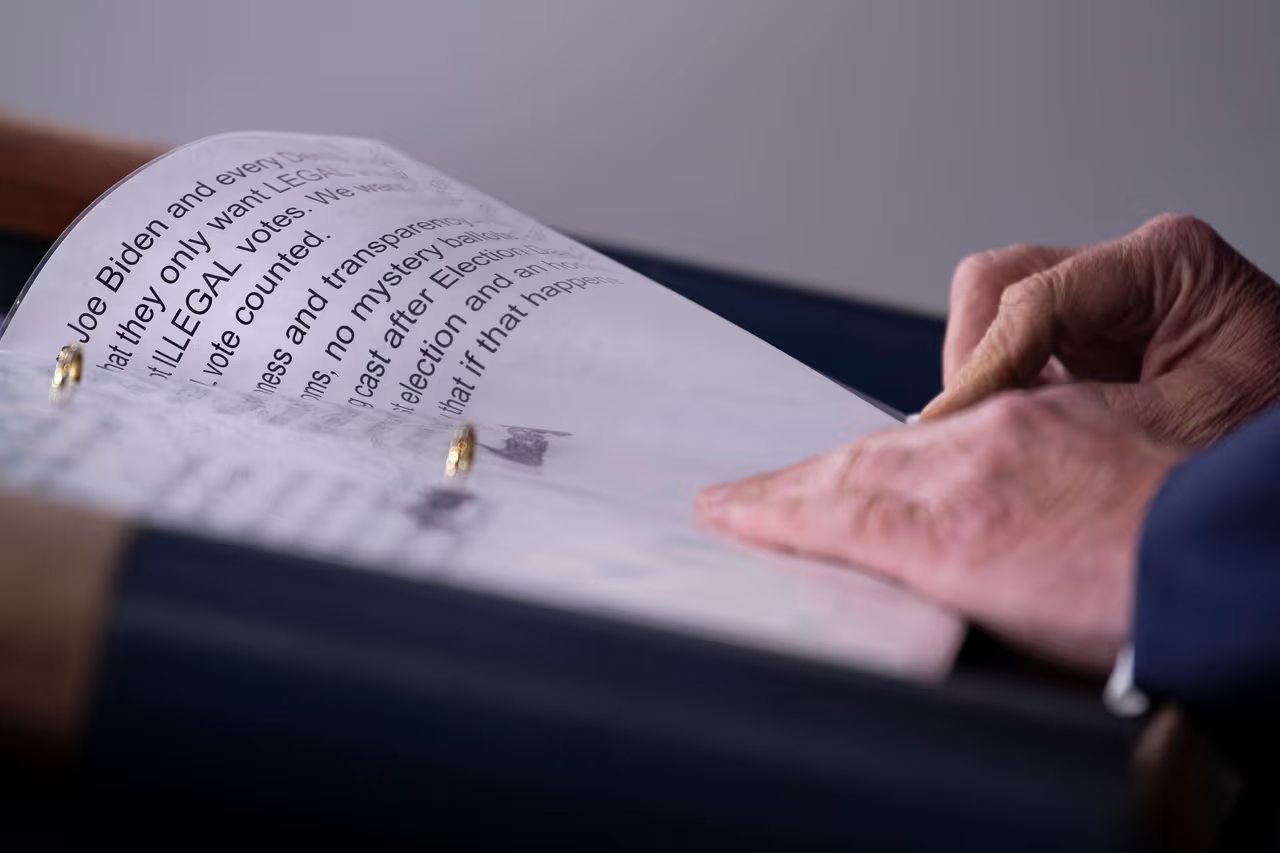
Estábamos ganando por mucho en todos los lugares clave, y luego nuestros números comenzaron a reducirse milagrosamente en secreto
Publisher’s rating: Falso
Muchos votos llegaron demasiado tarde. Ya he ganado de manera decisiva muchos estados críticos, incluyendo victorias masivas en Florida, Iowa, Indiana, Ohio, por nombrar solo algunos. Logramos esas y muchas otras victorias
Publisher’s rating: Engañoso

"One major hub for counting ballots in Detroit covered up the windows again with large pieces of cardboard, and so they wanted to protect and block the counting area."
Publisher’s rating: This is not why windows were covered up. The City of Detroit's principal attorney, Lawrence Garcia, said in a statement: "Some - but not all - windows were covered, because poll workers seated just inside those windows expressed concerns about people outside the center photographing and filming them and their work.

Prevendo possíveis fraudes na eleição, o presidente Trump ordenou que as cédulas de votação tivessem uma marca d’água.
Publisher’s rating: Falso
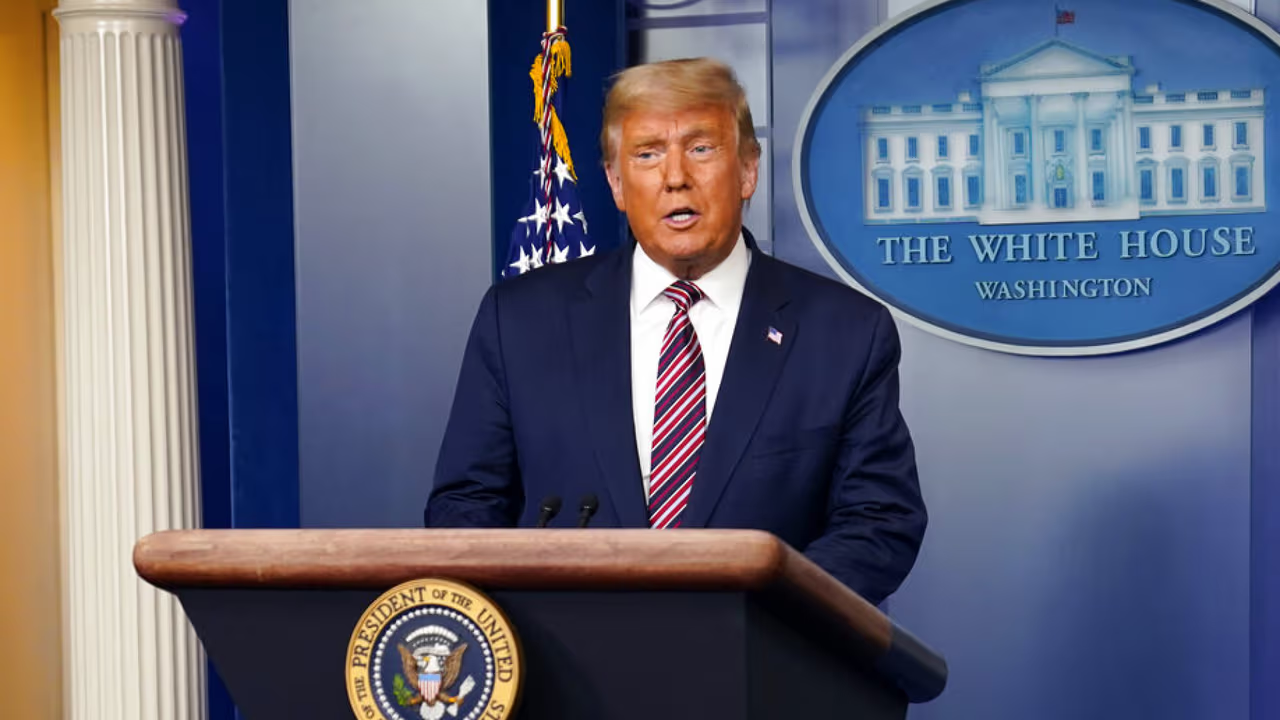
Hay votos "legales" y votos "ilegales" que se están contando y solo así puede ganar Biden
Publisher’s rating: Falso

2020 ರ ವಿಧಾನಸಭಾ ಚುನಾವಣೆಯ ಹಿನ್ನೆಲೆಯಲ್ಲಿ ಬಿಹಾರದಲ್ಲಿ ‘ಗೋ ಬ್ಯಾಕ್ ಮೋದಿ’ಎಂದು ಹೇಳುವ ರಸ್ತೆ ಬರಹದ ಚಿತ್ರ.
Publisher’s rating: FALSE
Nuestro partido ganó cuatro millones de votantes más, la mayor participación en la historia del Partido Republicano
Publisher’s rating: Engañoso
Ahora sólo quedan unos pocos estados por decidir en la contienda presidencial. El aparato de votación de esos estados está dirigido en todos los casos por demócratas
Publisher’s rating: Falso

"They mailed out tens of millions of unsolicited ballots without any verification measures."
Publisher’s rating: This is misleading. Mr Trump refers to the nine state where registered voters were automatically sent mail-in ballots without having to ask for them.All forms of postal voting have safeguards - such as authorities checking that ballots have come from a voter's registered address and requiring signatures on envelopes.

Trump wants to stop counting votes in some states and not others
Publisher’s rating: Needs Context
El voto por correo durante mucho tiempo. Realmente ha destruido nuestro sistema. Es un sistema corrupto y corrompe a las personas, aunque no lo sean por naturaleza, pero se vuelven corruptas.
Publisher’s rating: Falso

Numbers of projected votes for few States in US Presidential Election 2020 is greater than registered voters
Publisher’s rating: FALSE
The claim concerned a viral image comparing registered-voter counts with projected votes in several US states, and alleging turnout above 100%. FACTLY checked figures for states named in the post against information it attributed to the relevant state election commissions. Its central finding was that the image’s figures were not official registration statistics and that official registration totals exceeded projected votes in each state examined. The review gives specific examples. Wisconsin had 3,684,726 active registered voters as of November 1, 2020, according to a state election commission tweet; Pennsylvania’s official figures listed 9,091,371 registered voters by county. It also cited 2,032,450 registered voters in Nevada, 7.36 million in North Carolina, and 7,748,541 in Michigan. For North Carolina, it contrasted those registrations with 5.49 million ballots cast. The comparison also had a qualification: registration totals could change because some states permitted election-day registration. FACTLY specifically noted this for Wisconsin, Nevada, Michigan, and Minnesota, and described some county-reported figures as unofficial or tentative. The evidence therefore addresses the viral comparison by distinguishing it from official registration data and by noting that reported counts could change; it does not treat the image’s projected-vote numbers as authoritative statistics.
The New York Times gave Hillary Clinton very high odds of winning in 2016
Publisher’s rating: Legit