PeakMetrics / Fact Checks
Elections & voting fact checks
Explore claims publishers have checked about elections & voting. Read their original ratings and follow the evidence.
Search fact checks
Search by text or image5,414 published reviews in this topic

Vídeo insinua que candidata a governadora Marília Arraes (SD) é a favor da legalização do aborto e do uso recreativo de drogas.
Publisher’s rating: O vídeo que circula nos grupos foi recortado e teve seu significado distorcido pelos que repassam. Na gravação original, é possível entender que Marília Arraes é a favor da flexibilização das leis sobre legalização do aborto no País, a fim de garantir mais segurança para as mulheres que precisam realizar o procedimento. A candidata também ressalta a importância da regulamentação do Estado em relação a liberação do uso de drogas ilegais.
Outros falavam que apertavam 1 [na urna] e aparecia a cara do Haddad e acabava a votação
Publisher’s rating: Falso
RN lidera número de candidaturas femininas nas eleições?
Publisher’s rating: Verdadeiro

“Lula usou ponto eletrônico pra receber " fila" no debate , o que é proibido pelas regras”.
Publisher’s rating: Falso
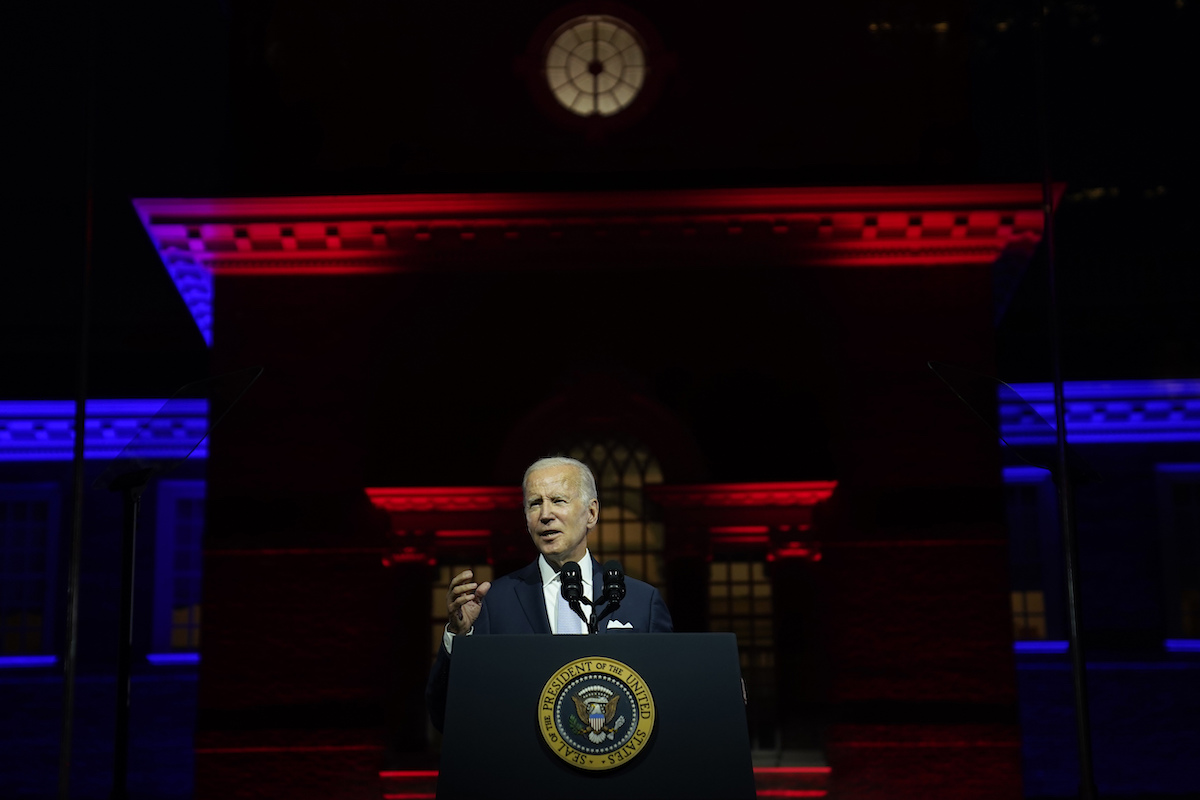
"MAGA Republicans … refuse to accept the results of a free election. And they’re working right now, as I speak, in state after state to give power to decide elections in America to partisans and cronies, empowering election deniers to undermine democracy itself."
Publisher’s rating: Election deniers on ballot
“A maioria do TSE votou para excluir Lula das eleições deste ano”
Publisher’s rating: Falso

Globo anunciou que candidatura de Lula foi impugnada pelo TSE em 2022
Publisher’s rating: Falso
Afirmação de que votos brancos ou nulos são computados para algum candidato durante as eleições
Publisher’s rating: Falso
A última pesquisa Datafolha mostrou que a gente, no segundo turno, começa a passar o Cláudio Castro
Publisher’s rating: Verdadeiro, mas...

Vocês acreditam que o marketing do PT clonou um evento em taperoá -PB dizendo que era um evento deles?
Publisher’s rating: Falso
Policiais militares afirmam que, no DF, urnas eletrônicas tiveram problemas técnicos durante as eleições de 2018
Publisher’s rating: Falso
The claim concerns a video recorded by two Federal District military police officers in 2018. The officers said an electronic voting machine had votes stored in its memory before voters cast their ballots. The article reports that the video circulated again in 2022 with claims that machines had technical problems and that officers had checked machines delivered to a polling place. The article states that the Tribunal Superior Eleitoral (TSE) had already addressed the video and points to the court’s public explanation of the incident. (S1: “O mesmo conteúdo voltou a circular este ano com a falsa informação sobre problemas nas urnas.”; “No texto, o autor da publicação afirma que os PMs em questão verificaram, em 2018, as urnas que chegaram ao local de votação e diz que elas estavam ‘carregadas com votos e a ordem era de as usar assim assim mesmo’.”) The account described by the TSE was narrower: the police officers were accompanying an elector who went to the Federal Police to report an alleged problem. According to the court’s statement as quoted in the article, the officers recorded their video outside the building while the elector spoke with federal police. The Federal Police investigated, but the article says the investigation did not substantiate fraud. (S1: “A Corte ainda esclarece que os dois integrantes da corporação militar brasiliense estavam acompanhando um eleitor levado à Polícia Federal que queria, sem provas, denunciar suposto problema na urna.”; “Enquanto o eleitor conversava com os policiais federais, os PMs gravaram o vídeo na porta do prédio.”; “Porém, a própria PF informou que, após colhido o depoimento, não houve comprovação de fraude.”) The article also gives the explanation recorded by the Federal Police: the elector had misinterpreted the zerésima and the ballot report, which it describes as standard procedures. The TSE’s account therefore distinguishes an allegation made by an elector from a verified fault in an election machine; the excerpt reports no evidence substantiating fraud. The article says its team consulted the TSE’s published explanation and notes that the court said the Federal Police had investigated the incident. (S1: “‘O eleitor apenas fez uma interpretação errada acerca da emissão da zerézima e do boletim de urna, procedimentos padrão e necessários à transparência e lisura do pleito’, explica o texto.”; “O vídeo já é de conhecimento do Tribunal Superior Eleitoral (TSE). No site da Corte, há um texto desmentindo o conteúdo.”)
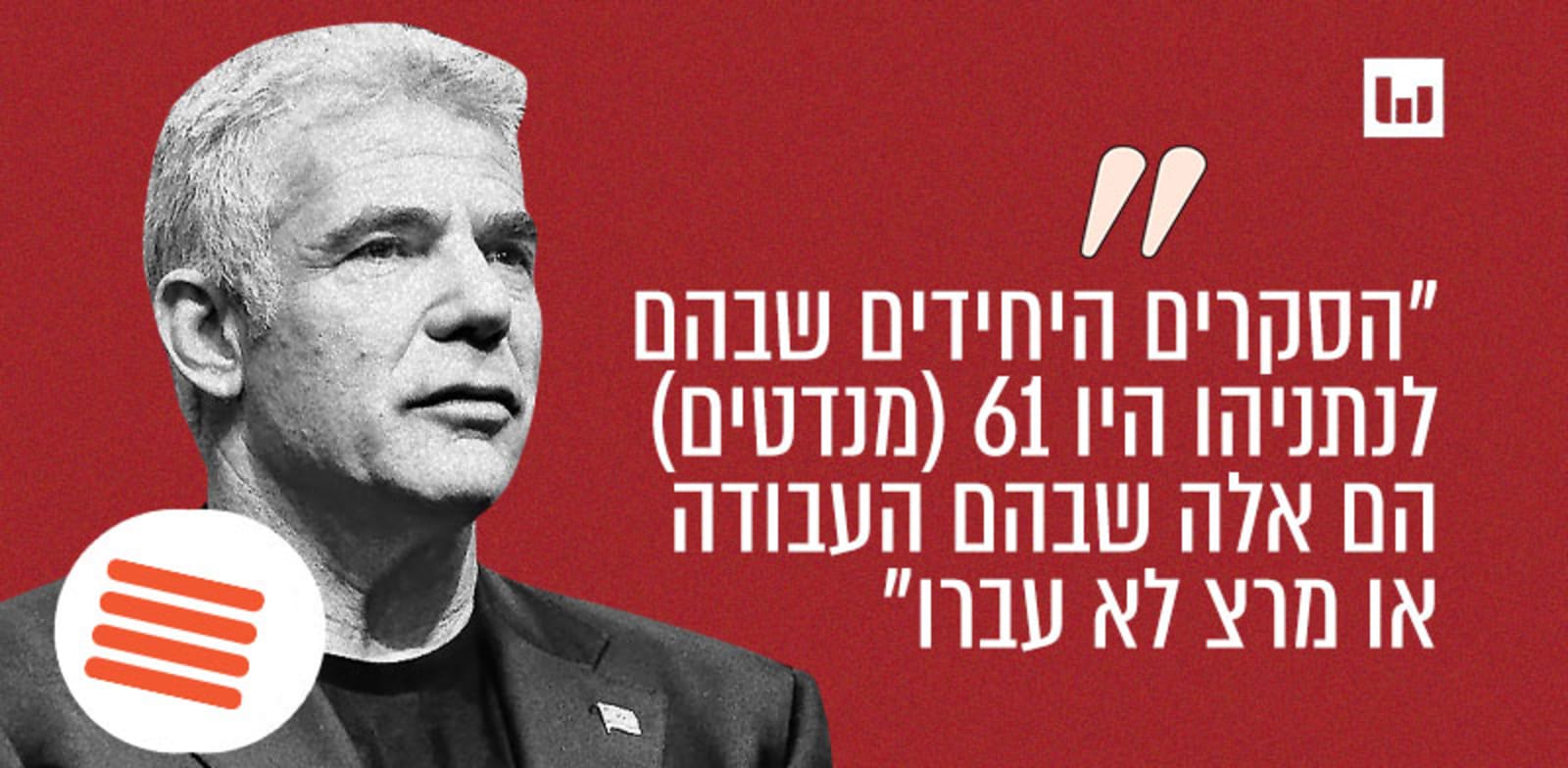
"הסקרים היחידים שבהם לנתניהו היו 61 (מנדטים) זה סקרים שבהם אחת מהמפלגות האלה, העבודה או מרצ, נפלו מתחת לאחוז החסימה"
Publisher’s rating: לא נכון
Um comentário no perfil da candidata ao Governo de Pernambuco Marília Arraes (SD) afirma que o ex-presidente Lula teria recebido parte dos R$ 7 bilhões do Fundo Eleitoral. O comentário responsabiliza a candidata a governadora pois ela teria quebrado o veto presidencial.
Publisher’s rating: Apesar de Marília Arraes ter votado a favor da derrubada do veto do presidente Jair Bolsonaro, o valor mencionado pela conta @itamarribeiro72 é falso.
Imagem afirmando que o homem que ficou conhecido como Alexandre do Guará seria candidato à deputado distrital
Publisher’s rating: Sátira
The claim concerned an image circulating on WhatsApp that presented Alexandre Leal Silva, a Guará resident known after audio from an ex-girlfriend went viral, as a candidate for the Distrito Federal legislature in the 2022 elections. The article says the image included his photograph and five purported campaign proposals. The report could not establish who made the image or exactly when it began circulating; it says Metrópoles received questions about it around August 15. [S1: “Logo após o caso vir à tona, em 10 de agosto último, uma imagem em que Alexandre é apresentado como candidato a uma vaga na Câmara Legislativa do DF (CLDF) começou a circular no aplicativo de mensagens WhatsApp. A imagem em questão tem uma foto do morador do Guará e cinco supostas propostas de campanha atribuídas a ele. Não foi possível identificar a origem da imagem nem a data exata em que começou a circular. Mas o Metrópoles recebeu denúncias questionando a postagem por volta de 15 de agosto.”] To check the claim, the report says it contacted Alexandre, who denied being a candidate and said he had neither made the image nor knew its origin. It also checked with Brazil’s Superior Electoral Court (TSE) whether a party had registered him as a candidate. The report states the answer was no and that the registration deadline for that year’s election had passed on August 15 without his name appearing among registered candidates. [S1: “O morador do Guará afirmou que não é candidato a deputado distrital nestas eleições. Ele disse não ser o autor e não saber a origem da imagem. A reportagem também verificou junto ao Tribunal Superior Eleitoral (TSE) se algum partido havia registrado o nome de Alexandre como candidato. A resposta foi negativa. O prazo para os partidos políticos registrarem os nomes dos candidatos que concorrem no pleito deste ano terminou no dia 15/8 e o nome de Alexandre não está entre os inscritos.”] Thus, the investigation’s stated evidence does not support the image’s suggestion that Alexandre was running: he denied candidacy, and the TSE check found no registration under his name. The article characterizes the image as humor rather than an attempt to deceive, while also noting that such posts can be taken as true. [S1: “Por isso, embora não seja verdadeira, a postagem foi considerada uma sátira. Quando o assunto é desinformação e fake news, as postagens podem ser, além de verdadeiras ou falsas, enganosas ou sátiras. As sátiras não têm a intenção de causar mal, mas têm grande potencial para enganar.”]
