PeakMetrics / Fact Checks
Education fact checks
Explore claims publishers have checked about education. Read their original ratings and follow the evidence.
Search fact checks
Search by text or image1,862 published reviews in this topic
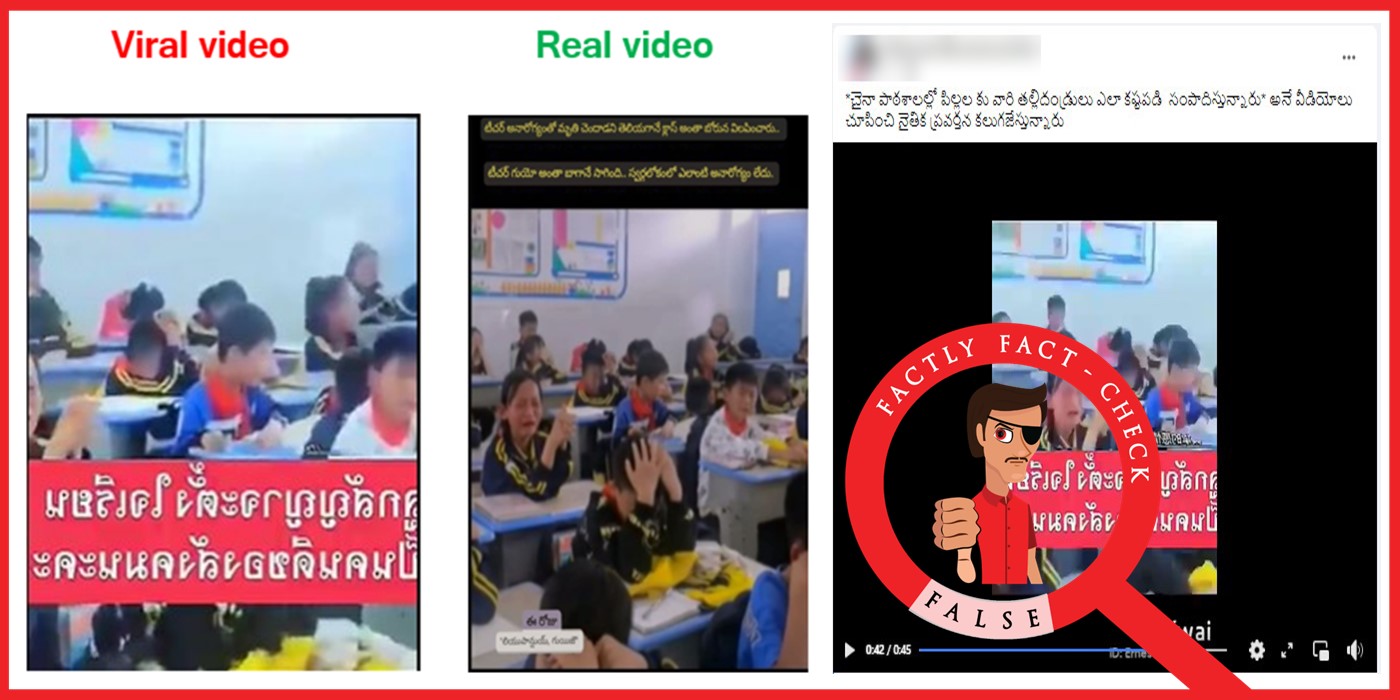
दिल्ली के बाद अब पंजाब के सरकारी स्कूलों को आम आदमी पार्टी की सरकार ने स्मार्ट स्कूल बनाया।
Publisher’s rating: False


ההתקשרויות החיצוניות של משרד החינוך מהוות כאלפית האחוז מתקציב החינוך
Publisher’s rating: לא נכון
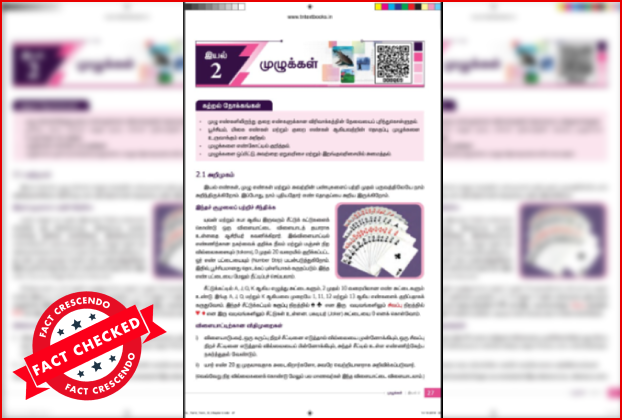
Claim: This gambling topic for tn school students not included by the dmk govt
Publisher’s rating: Missing Context

This is the category of Delhi’s Jawaharlal Nehru University which has problem with Brahmins and Baniyas…!!
Publisher’s rating: Fake
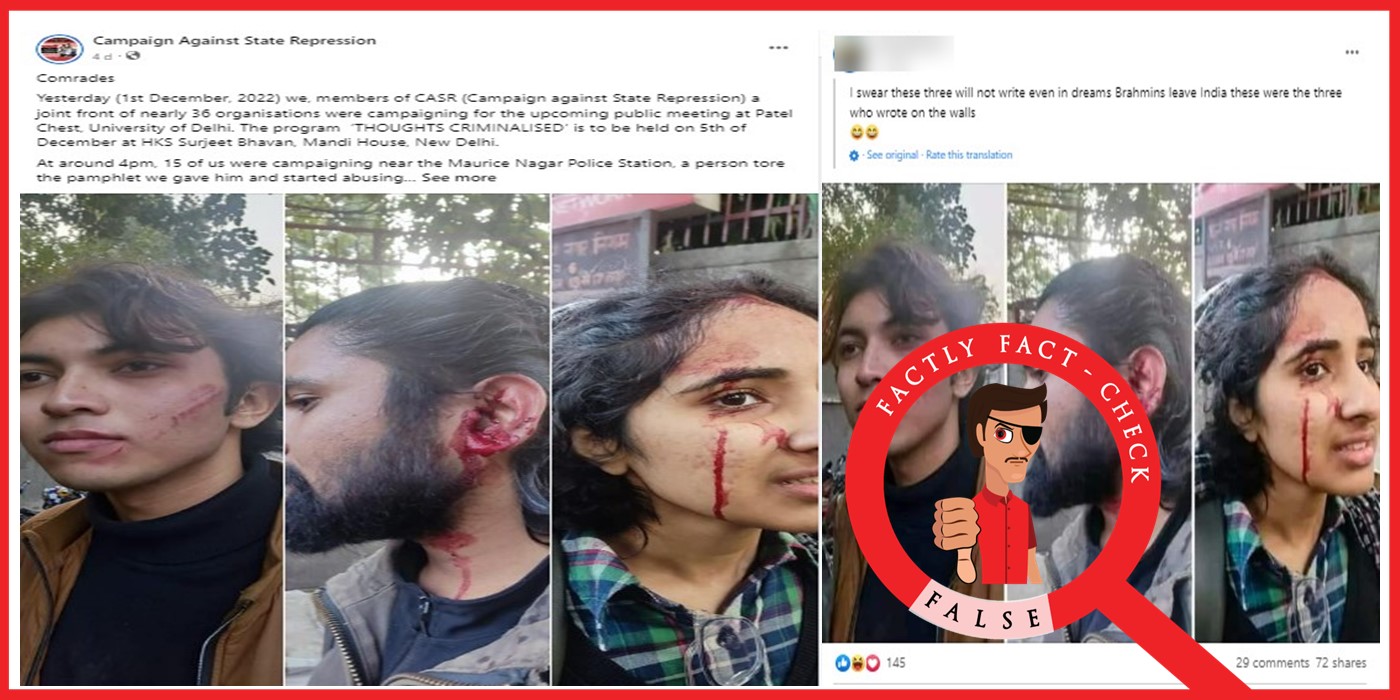
Images of people who made the anti-brahmin slogans on JNU walls recently
Publisher’s rating: FALSE
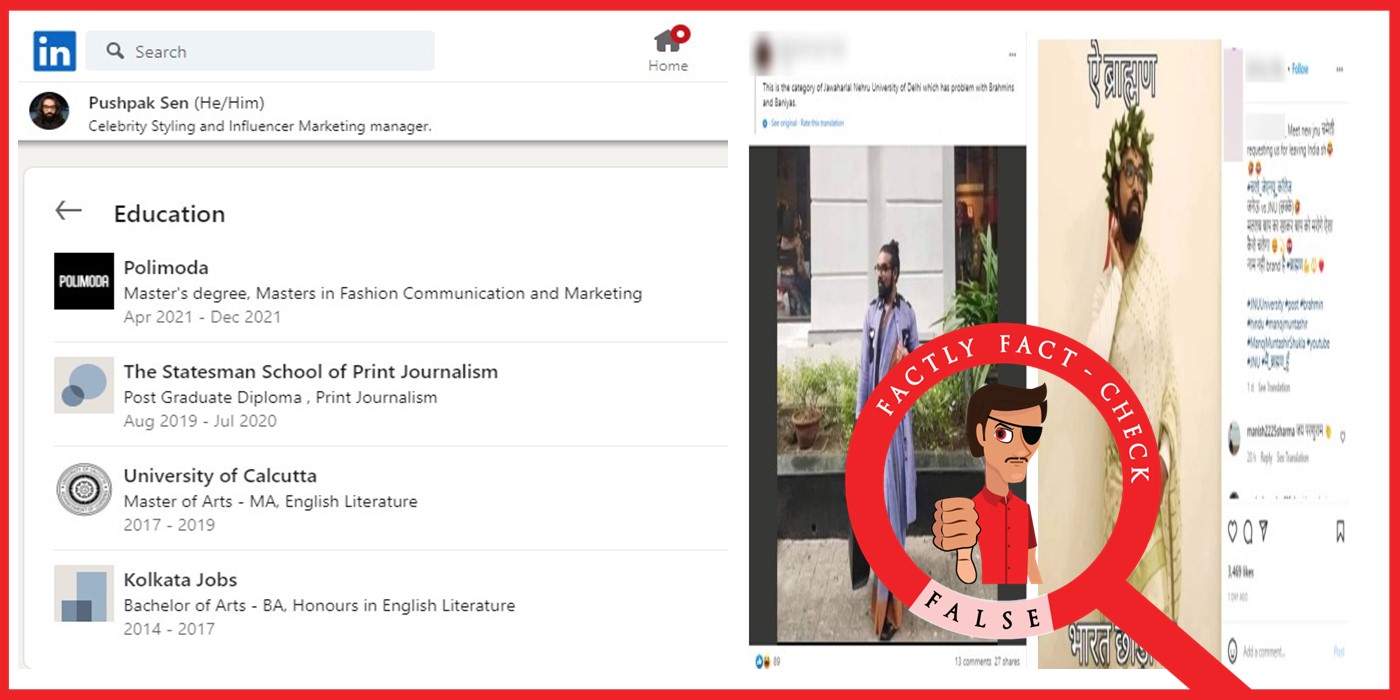
Images of the students in JNU who support the anti-Brahmin slogans in JNU
Publisher’s rating: FALSE

Na konferencji zorganizowanej na Uniwersytecie Pedagogicznym w Krakowie poruszono temat edukacji włączającej, co spowodowało kontrowersje wśród sympatyków osób z niepełnosprawnościami.
Publisher’s rating: Nieweryfikowalne
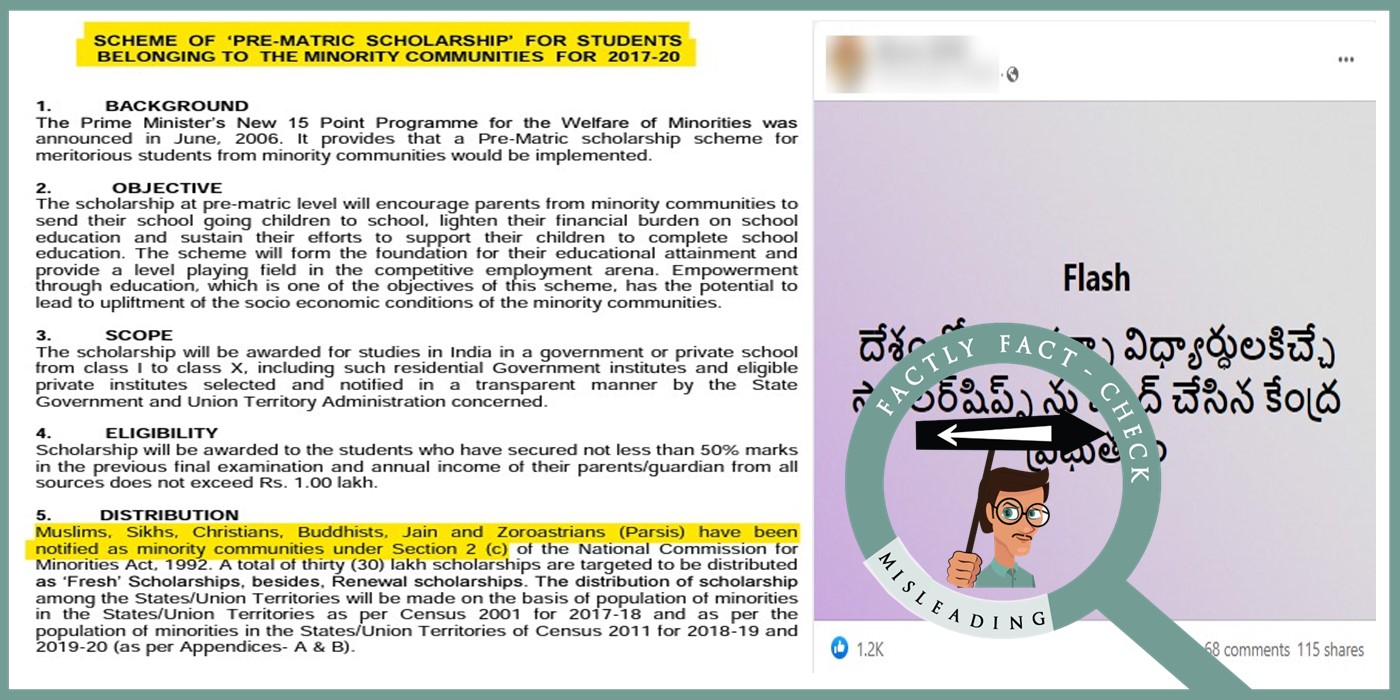
దేశంలో మాదర్సా విద్యార్ధులకు ఇచ్చే స్కాలర్షిప్స్ ను కేంద్ర ప్రభుత్వం రద్దు చేసింది
Publisher’s rating: MISLEADING
പ്രിയ വര്ഗീസിന്റെ കണ്ണൂര് സര്വകലാശാലയിലെ നിയമനം തടഞ്ഞ കോടതി വിധിക്കെതിരെ പ്രിയ വര്ഗീസും കുടുംബവും പ്രതിഷേധിക്കുന്ന വീഡിയോ
Publisher’s rating: FALSE
यह कर्नाटक के रायचूर की एक सरकारी स्कूल का दृश्य है। वहाँ हिंदु वेदों, गीता, रामायण, महाभारत व हिंदु ग्रंथों के हिसाब से बच्चों को पढ़ाया जाता है।
Publisher’s rating: Partly False
এইচ.এস.সি পরীক্ষার হলে বৃষ্টির জন্য ১০ মিনিট দেরি করে পৌঁছালে শিক্ষার্থীকে পরীক্ষা দিতে দেয়নি, স্কুল গেটে শিক্ষার্থীর আর্তনাদ
Publisher’s rating: মিথ্যা
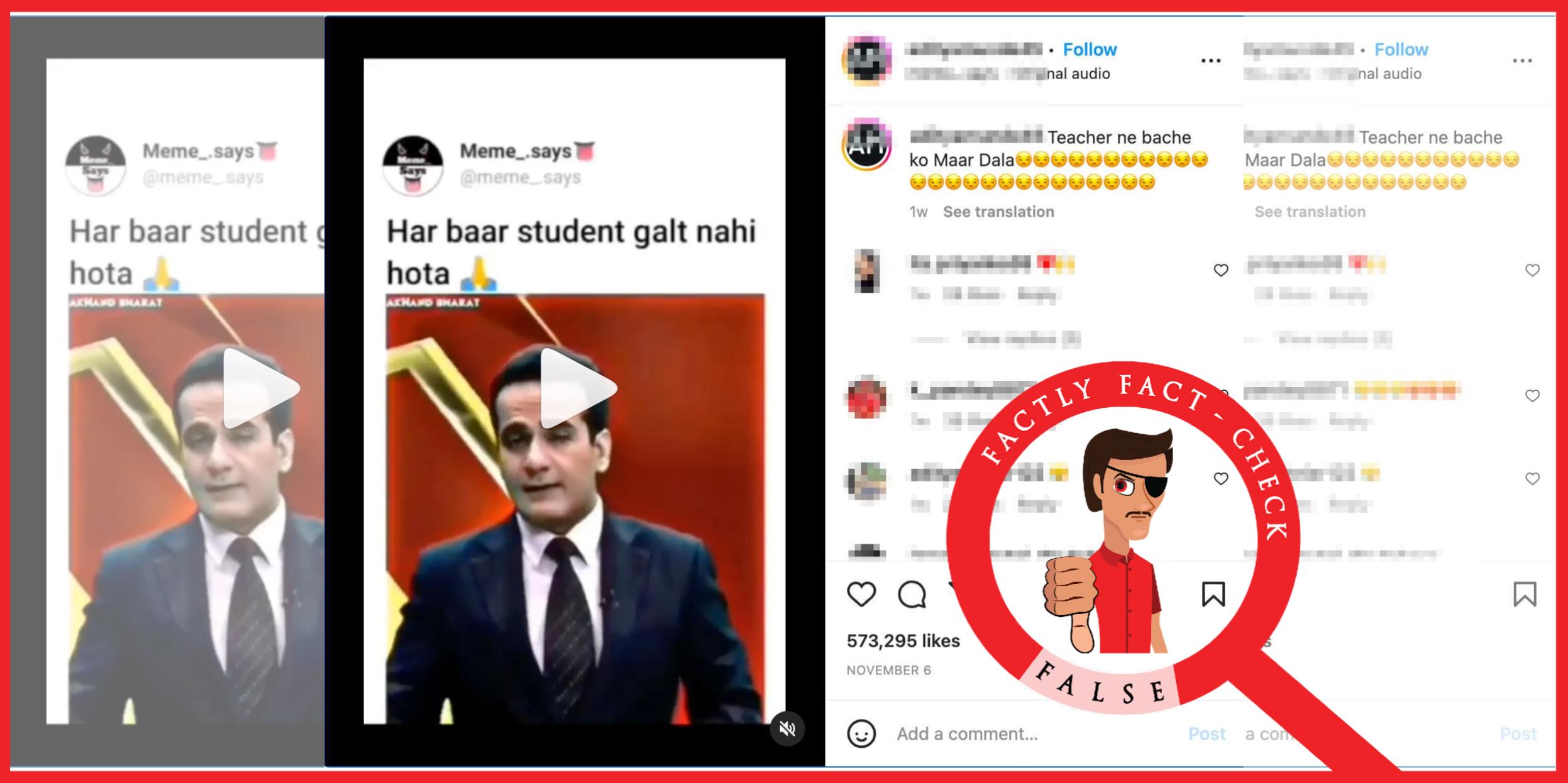
News report on the death of a student who lost his life after a teacher slapped him forty times
Publisher’s rating: MISLEADING

Video of Christ University students dancing to ‘Jai Shri Ram’ song
Publisher’s rating: FALSE

Florida International University
Publisher’s rating: The fear of missing out (FOMO), defined as “a pervasive apprehension that others may be having rewarding experiences from which one is absent” (Przybylski et al., 2013), has been seen as a motivator for individuals to take action. This paper focuses on consumers’ experiential purchase decisions motivated by FOMO. More specifically, we explore the situational factors that can lead to higher levels of FOMO including the social group (i.e., close vs. distant) and type of experiences (i.e., ordinary vs. extraordinary). We also distinguish FOMO from anticipated regret. Given that there is little empirical consumer research on FOMO, it is important to clearly identify FOMO’s antecedents in order to further understand this phenomenon. The results of two empirical studies showed that purchase intent is higher when participants imagined that their close, rather than their distant, social group will attend an event. Findings further demonstrate that FOMO mediates the relationship between social group and purchase intent.
University of Pennsylvania
Publisher’s rating: Our findings strongly suggest that limiting social media use to approximately 30 minutes per day may lead to significant improvement in well-being.