PeakMetrics / Fact Checks
Education fact checks
Explore claims publishers have checked about education. Read their original ratings and follow the evidence.
Search fact checks
Search by text or image1,862 published reviews in this topic
“Sınıftaki LGBT bayrağını indiren anne” videosunun gerçek olduğu iddiası
Publisher’s rating: Yanlış
Karnataka government has made Quran recital mandatory in schools.
Publisher’s rating: False
The hoisting of the Vietnamese flag in line with the Cambodian flag in a school
Publisher’s rating: Altered
En skola i Sverige har förbjudit svenska flaggan
Publisher’s rating: Vilseledande
The Swedish flag was banned at an elementary school by the principal in Sweden.
Publisher’s rating: Misleading
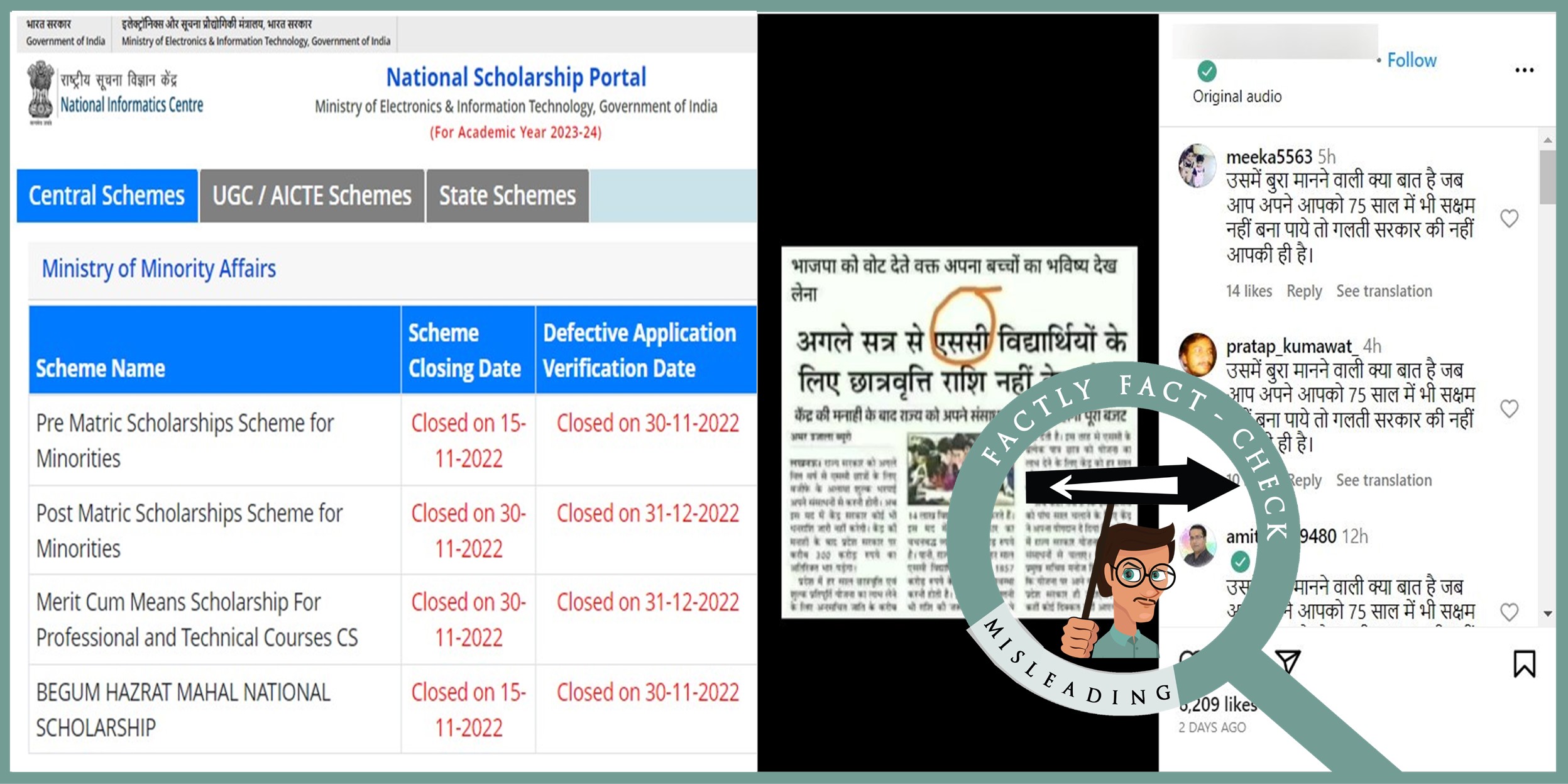
The central government is going to stop providing scholarships for SC students from the next term
Publisher’s rating: MISLEADING
President Ferdinand Marcos Jr. and Vice President Sara Duterte have given orders to shut down UP Diliman
Publisher’s rating: False
A purported public notice of IIT Roorkee prohibiting their students from masturbating at the showers
Publisher’s rating: FALSE
طی دو سال اخیر هیچ موردی مبنی بر اخراج هیات علمی در دانشگاه تهران رخ نداده است.
Publisher’s rating: شاخدار
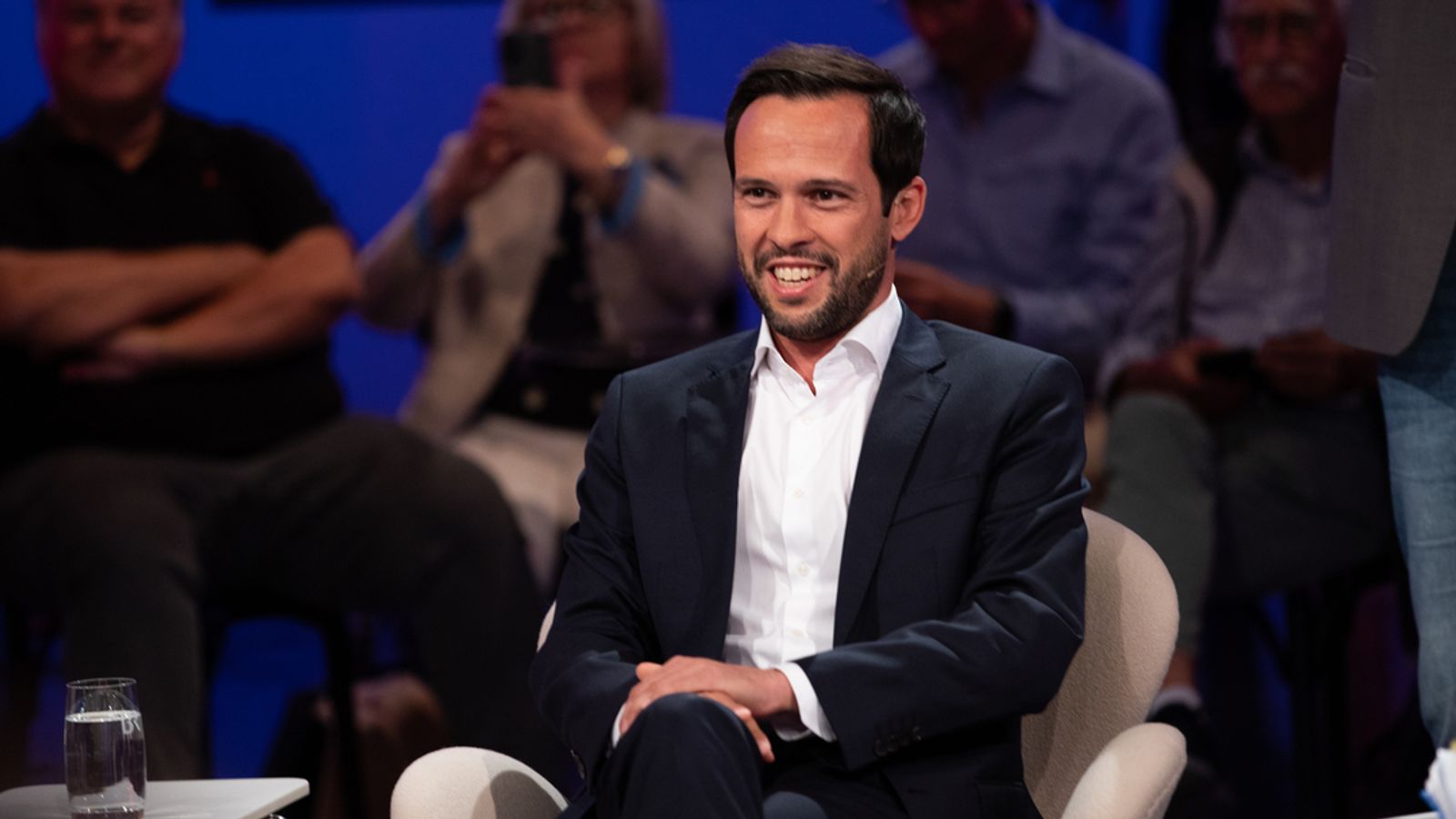
“Es würde Eltern in Bayern helfen, wenn wir hier nicht diesen akuten Kitaplätzemangel hätten. Es würde Eltern und Familien in Bayern helfen, wenn wir nicht in Bayern mit die geringste Quote an Fachpersonal in den Kitas hätten. Es würde den Menschen in Bayern helfen, wenn wir hier nicht die geringste Quote von Ganztagsschulplätzen hätten.”
Publisher’s rating: Hagen stellt in diesem Zitat drei Behauptungen auf - und er liegt bei allen drei richtig. Bei der Fachpersonal-Quote hätte er sich "mit" sogar sparen können. Bayern weist auch hier die geringste Quote auf.
The quote comes from a BR24 election-talk fact-check that reproduces Martin Hagen’s three claims about childcare shortages, specialist staff in day-care centres and all-day school places in Bavaria. The review assesses each separately and concludes that all three are correct. It says it relies on a 2022 federal-family-ministry study for childcare demand and provision, and on the Bertelsmann Stiftung’s Länder-Monitor for the staffing and school comparisons. For children under three, the review compares Bavaria’s 2022 childcare attendance rate of 30.5% with the 42.4% of parents who said they needed care: a gap of nearly 12 percentage points. It reports that the same gap was 10.2 points in 2021. For children over three, it gives a six-point difference in 2022, comparing 91.7% provision with 97.7% parental demand, and notes that this gap had been nearly three points in 2021. These figures support the review’s finding of a shortfall while showing that the comparison is between provision and reported need, not simply the share of children enrolled. On staffing, the review says that in 2021 Bavaria had the lowest proportion of Kita employees with a relevant professional qualification among the German states: 48.3%, compared with 67.5% nationwide. For all-day primary-school places, it reports that Bavaria also ranked lowest in the 2020/21 school year, with 17.5% of pupils in all-day primary schools versus 44.1% nationwide. The excerpt supplies these comparisons and names the reports behind them, but does not include the underlying reports’ tables or further methodological detail.
"Also nochmal zum Thema der Kitabetreuung: Wenn Sie sagen, in Bayern sei die Betreuungsquote der Ein- bis Dreijährigen sehr niedrig: Ja, weil wir eben in Bayern noch häufig Drei-Generationen-Familien haben, wo die Omi noch sagt: Ich geb das Kind mit einem Jahr noch nicht in die Kita, sondern das bleibt noch zu Hause. Das heißt ja nicht automatisch, dass jedes Kind mit zwölf oder 13 Monaten an eine Kita gegeben würde, wenn sie eine Kita hätten. Die sagen gezielt: Das soll noch zu Hause bleiben."
Publisher’s rating: Die Behauptung ist überwiegend falsch. Richtig ist, dass nicht "jedes" Kind in eine Kita kommen würde, wenn es einen Platz hätte. Aber: Drei-Generationen-Haushalte machen in Bayern nur einen sehr kleinen Teil der Lebensformen aus. Und Auswertungen zeigen eindeutig, dass sich mehr Eltern einen Kitaplatz wünschen, als ihn derzeit bekommen.
В Беларуси не сокращается количество беларусскоязычных классов
Publisher’s rating: В 2020-2021 учебном году на белорусском языке учились около 108 тыс. детей из более чем миллиона беларусских школьников. То есть, около 10%. В 2016 году таких было 13%, а в 2010-м — 19%.
"فقش الدبيبة كتابات الصف التاني الابتدائي في حكومة الدبيبه . الله المستعان الموضوع معش ينسكت عليه"
Publisher’s rating: مضلل
The claim concerned a circulated image presented as a page from Libya’s second-grade curriculum under the Dbeibah government, with the post objecting to its alleged content. The review says it traced the post to a Facebook page on September 4, 2023, and investigated whether the image really came from that curriculum. (“انتشر خبر مضلل على موقع التواصل الاجتماعي فيسبوك، مفاده احتواء منهج الصف الثاني الابتدائي في حكومة الدبيبة على درس خادش للحياء.”; “والذي نُشر في 4 سبتمبر 2023”) The investigation reports that a reverse-image search on TinEye led to a blog by writer Suheil al-Isawi. The blog identified the image as coming from a book published in June 2015 by Palestinian author Maysoun al-Asadi, titled *Do Boys Know?*, rather than from a Libyan school textbook. The review describes that book as containing stories for children aged six to thirteen. (“البحث العكسي عن الصورة على محرك بحث Tineye الى مدونة الاديب سهيل العيساوي”; “عن كتاب صدر عام 2015 في شهر يونيو للأديبة الفلسطينية ميسون الاسدي بعنوان \" هل الأولاد يعرفون\".”; “من هذا الكتاب الذي يتضمن قصص للاطفال من سن السادسة إلى الثالثة عشر.”) As a further check, the review says it consulted the Libyan second-grade Arabic-language curriculum on the Al-Muallim educational site, and reports that the curriculum did not contain the circulated material. It concludes that the image was taken from another book and circulated out of its original context, so the post’s identification of it as a page from the curriculum was misleading. (“وقمنا أيضا في أنير بالاطلاع على منهج اللغة العربية للصف الثاني - ليبيا”; “المقرر لا يحتوي على ما تم تداوله في مواقع التواصل الاجتماعي.”; “لأنه تداول صورة من كتاب اخر في غير سياقها الأصلي.”)
Fake permission letters claim MD, MS seats increase at 3 medical colleges, NMC issues clarification
Publisher’s rating: False
மாணவர்களின் பசியை அறிந்து காலை சிற்றுண்டி திட்டத்தை முதல்வர் செயல்படுத்தினார், நடுநிலை பத்திரிகை என நாங்கள் நினைத்துக்கொண்டிருந்த பத்திரிகையின் முதல் பக்கத்தில் மிகவும் வருத்தத்திற்குரிய செய்தியை வெளியிட்டிருக்கின்றனர் நடுநிலை என்று சொன்னாலும், அவர்கள் தலையில் இருக்கும் கொண்டையை காட்டிவிட்டார்கள் – அமைச்சர் அன்பில் மகேஷ் பேச்சு
Publisher’s rating: False
Jill Biden was heckled by students during her visit to a school in Washington, DC.
Publisher’s rating: False
The Prime Minister’s Youth Programme (PMYP) has launched a programme in collaboration with the German Academic Exchange Service for Pakistani students to get the chance to study at universities in Germany on scholarship.
Publisher’s rating: False
The claim concerns a PMYP post inviting Pakistani students to apply for fully funded scholarships at German universities, and whether those opportunities were part of an ongoing collaboration between PMYP and the German Academic Exchange Service (DAAD). The review traced the post to a tweet published by PMYP on 3 July 2023. It reports that the tweet linked to a DAAD form titled “Application for Research Grants and Study Scholarships”; the accompanying poster displayed PMYP’s name and social media accounts. The review’s key distinction is between publicizing a DAAD application opportunity and having a government-backed collaboration with DAAD. To check the collaboration claim, Soch Fact Check says it contacted the DAAD Press Office, whose spokesperson referred it to the DAAD’s Islamabad office. That office said, “Currently we do not have any ongoing collaboration linked to the PMY Programme.” On that evidence, the review concluded that PMYP’s post gave a misleading impression of an ongoing Government of Pakistan–DAAD collaboration. The evidence addresses that specific collaboration claim; it does not say that the DAAD application form or scholarships themselves were not genuine.