PeakMetrics / Fact Checks
Economy & business fact checks
Explore claims publishers have checked about economy & business. Read their original ratings and follow the evidence.
Search fact checks
Search by text or image7,099 published reviews in this topic


SEGUNDO RETIRO DE AFP EQUIVALE A ENTRE SEIS Y OCHO LAGUNAS PREVISIONALES
Publisher’s rating: Impreciso

Multiple Agri based companies were set up by Adani in 2019 ahead of the introduction of the new Farm Bills
Publisher’s rating: MISLEADING
The claim concerned a circulated post listing Adani Group agri-based companies and alleging they were all registered in 2019, linking their incorporation to the new Farm Bills and contract farming. The review checked the specific companies named in that post against information from the Ministry of Corporate Affairs (MCA). It reports that none of those companies was incorporated in 2019, and that some had been incorporated much earlier. The review describes a separate check into the director details shown in the post. It says a search of InstaFinancials, which it describes as a company that aggregates Indian company data, found that the director’s association with other Adani Group subsidiaries and appointment dates matched the information in the post. The review’s explanation is that those director-association and appointment details were misread as evidence that Adani had incorporated multiple agri-based companies in 2019. Thus, the evidence addresses the post’s specific 2019-incorporation assertion: the MCA information cited by the review did not show any of the listed companies incorporated that year, while the matching director details concerned appointments and associations rather than incorporation. The review also notes that Adani had other agri-based companies incorporated well before 2019; it does not provide company names or individual incorporation dates in the supplied excerpt.

Additional 15% Tax Introduced On Women’s Sanitary Napkins?
Publisher’s rating: Missing Context

Nilgiri Mountain Train has been privatised.
Publisher’s rating: FALSE
The claim concerned viral pictures of hostesses beside a train, which social-media users said showed that the Nilgiri Mountain Train had been sold to a private company. The posts also linked the alleged change to fares said to have risen from Rs 400 to Rs 3,000. Vishvas News reports that its investigation found no authentic Railway source confirming privatisation and that Southern Railways identified the pictures as showing a chartered service, not a transfer of railway operations to a private owner. (S1: “Many pictures of a train and hostesses are shared with a claim that Nilgiri Mountain Train has been sold to a private company. The exorbitant fares led to an outrage on social media where many users alleged that fares have been hiked from Rs 400 to Rs 3,000.”; “we did not find any authentic sources from the Railways confirming the viral claim.”) The review says Southern Railways’ official Facebook page had issued an alert about the rumours and clarified that it had operated a chartered service. Vishvas News also says it contacted G Maria Michael, the Southern Railways PRO for the Salem Division, who denied that the railway had been privatised. Michael described the service as a charter for tourists on 5 and 6 December and said regular Nilgiri Mountain Railway services were then suspended because of the pandemic. (S1: “The post clarifies that the Railways Department has operated only a chartered service.”; “The viral claim is fake. NMR has not been privatised. We operated only a chartered service on 5th and 6th December for tourists. Southern Railways is currently not operating regular NMR services due to the pandemic,”) The reported charter explains how a private company could be involved without the railway being privatised: according to the New Indian Express account quoted in the review, the company hired the train and ran a weekend service, while railway employees remained in key operating roles. The review says the company paid the tariff for the service and that regular fares differed from the reported charter fares. Thus, the evidence distinguishes a privately hired, specially operated train from a sale or privatisation of the railway. (S1: “A private company had hired the train and run the services on the NMR route…on the weekend, charging a whopping Rs 3,000 per seat, for a single journey. The regular fare is Rs 600 for a first class ticket, and Rs 295 for second class”; “The loco pilot and the guard were railway employees, but the support staff were engaged by the company.”)

அரசு துறைகளை தனியாரிடம் ஒப்படைத்தால் என்ன நடக்கும் என்பதற்கு உதாரணம் இது. நீலகிரி மலை இரயில் தனியாரிடம் ஒப்படைக்கப்பட்டு முதல் பயணம் நேற்று நடந்தது …. பயண கட்டணம் 400ரூபாயிலுருந்து 3000 ரூபாய் வசூலிக்கப்பட்டது .2014 ல் 25 ரூ மற்றும் 100 ரூ . இப்போது???இது ஆரம்பம் தான். சங்கிகள் இந்த தேசத்தை அழிக்க ஆரம்பம் தான் இது .இன்னும் நிறைய இருக்கு.#காங்கிரஸ் உருவாக்கிய எல்லாவற்றையும் #தனியாருக்குவிற்றுஅழிப்பதை தவிர பாஜக வேறெதுவும் செய்வதில்லை…
Publisher’s rating: FALSE
The post said the Nilgiri Mountain Railway had been handed over to a private party, that its “first journey” under private operation had taken place, and that passengers were charged ₹3,000 rather than fares of ₹25 and ₹100 in 2014. The review examined the railway’s status and the high-fare journey behind the post. It reports that Southern Railway denied the privatization claim and identified the photographs as showing a chartered trip, not a railway transferred to private ownership or operation.

2021 ஜனவரி முதல் அமலுக்கு வருகிறது..! கூகுள் பே, போன் பே மூலம் பணம் அனுப்பவும் 30% கட்டணம்
Publisher’s rating: FALSE
The viral post claimed that a 30% charge would apply to money transfers made through Google Pay and PhonePe from January 1, 2021. Vishvas News says its investigation found that the post confused a limit on third-party payment apps’ share of UPI transactions with a fee charged to users. It reports that NPCI clarified that users would not be charged for transfers; the 30% measure was a cap on transactions handled by third-party providers. The newspaper image and the date in the claim therefore refer to the cap taking effect, not to a new per-transfer charge. (S1: “ஜனவரி 1, 2021 முதல் கூகுள் பே மற்றும் போன் பே மூலம் மேற்கொள்ளப்படும் பண பரிவர்த்தனைகளுக்கு, 30 சதவிகித கட்டணம் வசூலிக்கப்படும் என்ற கூற்றுடன், ஒரு செய்தித்தாளின் புகைப்படத்துடன் கூடிய ஒரு வைரல் இடுகை, சமூக வலைத்தளங்களில் பகிரப்பட்டு வருகிறது.”; “30 சதவிகித கேப் (CAP) மட்டுமே விதிக்கப்பட்டுள்ளதாகவும், பண பரிவர்த்தனைகளுக்காக பயனர்களிடத்தில் கட்டணம் எதுவும் வசூலிக்கப்பட மாட்டாது என்றும் அவர்கள் நமக்குத் தெளிவுபடுத்தினர்.”) The review describes searching online for reports using the terms “UPI” and “30 percent,” and says it found a November 7 Dainik Jagran article about NPCI’s decision to cap third-party providers. Its example explains the measure as a limit on the number of monthly transactions: if there were 200 crore UPI transactions, third-party apps could handle 60 crore, or 30%, collectively. That is a limit on providers’ transaction volume, not a charge of 30% on an individual payment. (S1: “அவ்வாறு தேடியதில், 7 நவம்பர் அன்று டைய்னிக் ஜாக்ரானில் வெளியிடப்பட்ட ஒரு கட்டுரையினைக் கண்டோம்.”; “இதன் பொருள் ஒவ்வொரு மாதமும் நாட்டில் 200 கோடி UPI பரிவர்த்தனைகள் இருந்தால், அடுத்த ஆண்டு முதல் அதன் முப்பது சதவீதம், அதாவது 60 கோடி பரிவர்த்தனைகள் மட்டுமே எந்த மூன்றாம் தரப்பு செயலியிலும் ஒரு மாதத்தில் நடைபெற முடியும்,”) Vishvas News also says it checked NPCI’s website and found a November 5 press release describing a 30% cap on the total number of UPI transactions for all third-party app providers, effective January 1, 2021. The review says it then contacted NPCI by email, and NPCI again clarified that users would not be charged for transfers. These findings address the specific claim’s date, apps, and alleged fee: the date marked the start of a provider-volume limit, while the review found no user transaction charge of the kind alleged. (S1: “அவ்வாறு தேடியதில், நவம்பர் 5 தேதியிட்ட செய்திக்குறிப்பைக் கண்டறிந்தோம், அதில் “UPI வழியாக செய்யப்படும் பண பரிவர்த்தனைகள், ஒரு மாதத்திற்கு 2 பில்லியனை எட்டியுள்ளதாலும், எதிர்காலத்தில் இந்த எண்ணிக்கை அதிகரிக்கக்கூடிய வாய்ப்புகள் இருப்பதாலும், UPI இல் செய்யப்படும் மொத்த பரிவர்த்தனைகளின் எண்ணிக்கைக்கு 30% கேப் விதிக்கப்பட்டுள்ளது.”; “சமூக ஊடகங்களில் பகிரப்படும் வைரல் கூற்றுக்களை மறுத்த அவர்கள், பயனர்களின் பண பரிவர்த்தனைகளுக்கு கட்டணம் வசூலிக்கப்படுவதில்லை என்றும், பண பரிவர்த்தனைகளுக்கு 30 சதவீத கேப்பினை மட்டுமே தாங்கள் அறிமுகப்படுத்தியுள்ளதாகவும் நமக்குத் தெளிவுபடுத்தினர்.”)

GPay, Phonepay payments will cost 30 per cent transaction charges
Publisher’s rating: FALSE
The viral post claimed that sending money through Google Pay and PhonePe would incur a 30% transaction charge from January 1, 2021. It circulated alongside a newspaper clipping, and one Facebook user questioned whether sending Rs 1,000 would therefore cost an extra Rs 300. The review found that the claim confused a limit on the share of UPI transactions handled by third-party apps with a fee charged to users. To investigate, Vishvas News says it searched online for reporting using the terms “UPI” and “30 per cent,” then checked NPCI’s website for a notification. It found that the cap concerned the volume of transactions processed by third-party app providers, not the amount users would pay. The review quotes NPCI’s November 5 press release as saying the cap was 30% of total UPI transaction volume for those providers, effective January 1, 2021. The review also reports that NPCI, contacted by email, rejected the viral interpretation and clarified that users are not charged for transactions. It says it found no news reports supporting the claimed 30% transaction fee. On that evidence, the review concluded that the post was false: the 30% figure referred to a cap on app providers’ transaction volume, not a 30% charge on payments.

Modi government to waive off the farm loans up to two lakh rupees from 01 December 2020
Publisher’s rating: FALSE

Natal Premiado Brahma – Ganhe uma Choppeira e 20L de Chopp! Já tá sabendo dessa promoção da Brahma?????
Publisher’s rating: Falso
Die Corona-Krise trifft die Wirtschaft hart - das wirkt sich auch auf den Arbeitsmarkt aus. Durch Maßnahmen zur Eindämmung der Corona-Pandemie sollen weltweit 300 Millionen Menschen ihre Arbeit verloren haben, heißt es in einem Tweet, der auch auf Facebook verbreitet wird (hier archiviert). Als Quelle wird die Internationale Arbeitsorganisation (ILO) genannt.
Publisher’s rating: Die ILO hat keine absoluten Zahlen zu weggefallenen Arbeitsplätzen oder arbeitslos gewordenen Menschen veröffentlicht, sondern lediglich eine Schätzung zu der in der Krise weggefallenen Arbeitszeit. Ende April 2020 befürchtete die Organisation für das zweite Quartal des Jahres einen Wegfall von Arbeitsstunden, der einem Verlust von rund 305 Millionen Vollzeitstellen entspräche. Zahlen zum tatsächlichen Verlust von Arbeitsplätzen in der Corona-Krise hat die ILO nicht erhoben.
Terjadi obral batu bara ke Cina di tengah ribut-ribut kasus pemimpin FPI Rizieq Shihab
Publisher’s rating: Keliru

DOAÇÃO DE 700 AR CONDICIONADO Campanha Solidária da MAGAZINE LUIZA em apoio a famílias de todo o Brasil!
Publisher’s rating: Falso
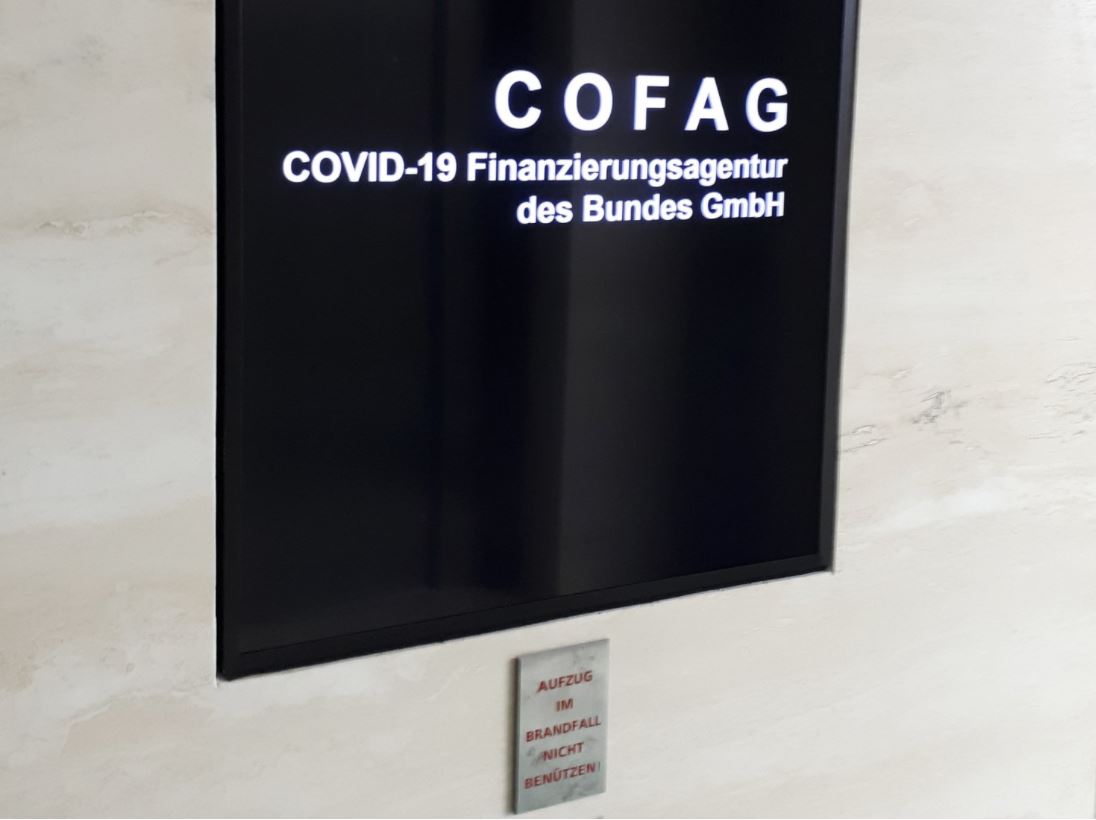
Die Covid-19- Finanzierungsagentur GmbH (COFAG) wurde am 10. Februar 2020 gegründet.
Publisher’s rating: Der Eintrag im FirmenABC stimmt zwar, das frühe Gründungsdatum der Finanzierungsagentur ist aber auf eine zuvor gegründete Vorratsgesellschaft zurückzuführen, die mit Corona noch nichts zu tun hatte. Erst am 27. März 2020 – also eineinhalb Wochen nach Beginn des ersten Lockdowns (16. März) – wurde diese von der ABBAG gekauft und am 31. März 2020 in „COVID-19 Finanzierungsagentur des Bundes GmbH” (COFAG) umbenannt.

Facebook page advertising jobs at Sarova Hotels Kenya
Publisher’s rating: False.

Los programas de recuperación económica de la administración (Obama-Biden) ayudaron a reducir el desempleo entre los latinos de un 13% en el 2009 a un 5.9% en 2016
Publisher’s rating: Falta contexto

DOAÇÃO DE 700 SOFÁS Campanha Solidária da Carrefour em apoio a famílias de todo o Brasil!
Publisher’s rating: Falso
“Millones de familias estadounidenses enfrentan hambre debido a la crisis económica causada por COVID-19”
Publisher’s rating: Falta contexto

දුම්රිය මැදිරි දේශීයව නිශ්පාදන කටයුතු ආරම්භ කිරීම සම්බන්ධයෙන් නොමඟ යවන සුළු සටහනක්! | Misleading claims about local production of train compartments
Publisher’s rating: Missing Context