PeakMetrics / Fact Checks
Economy & business fact checks
Explore claims publishers have checked about economy & business. Read their original ratings and follow the evidence.
Search fact checks
Search by text or image7,096 published reviews in this topic

Claim: a misinformation being shared that Rs 40 lakh insurance coverage for every LPG consumer
Publisher’s rating: Partly False

Tata Motors contest gives people a chance to win Tata Safari
Publisher’s rating: FALSE
The claim concerned a social-media post saying Tata Motors was celebrating sales exceeding 30 million and offering a chance to win a Tata Safari by completing a questionnaire. FACTLY examined the linked offer and checked whether Tata Motors had announced such a contest. The review reports that Tata Motors Cars’ official Facebook and Twitter accounts warned about posts impersonating contests and free merchandise. Those posts, according to the review, described the links as potentially intended to enable data theft and phishing, said Tata Motors had announced no such contest, and urged people not to engage with or share the messages. FACTLY also reports finding no corresponding contest on the company’s official website or in recent news articles. The review further says it opened the circulating link and found its web address was fraudulent, contrasting it with Tata Motors Cars’ official website, cars.tatamotors.com. It also checked the sales figure used in the post: Tata Motors’ press release reported 26,661 vehicles sold in domestic and international markets in May 2021, and did not say sales had exceeded 30 million. Together, the reported company warning, suspicious link, and sales information undermine the post’s contest and celebration claims.

A MOOEDA DO BRASIL X EUA É HOJE O PAR DE MOEDAS MAIS NEGOCIADO DO MUNDO PORQUE TEMOS UN GOVERNO E UMA ECONOMIA CONFIÁVEIS
Publisher’s rating: Falso
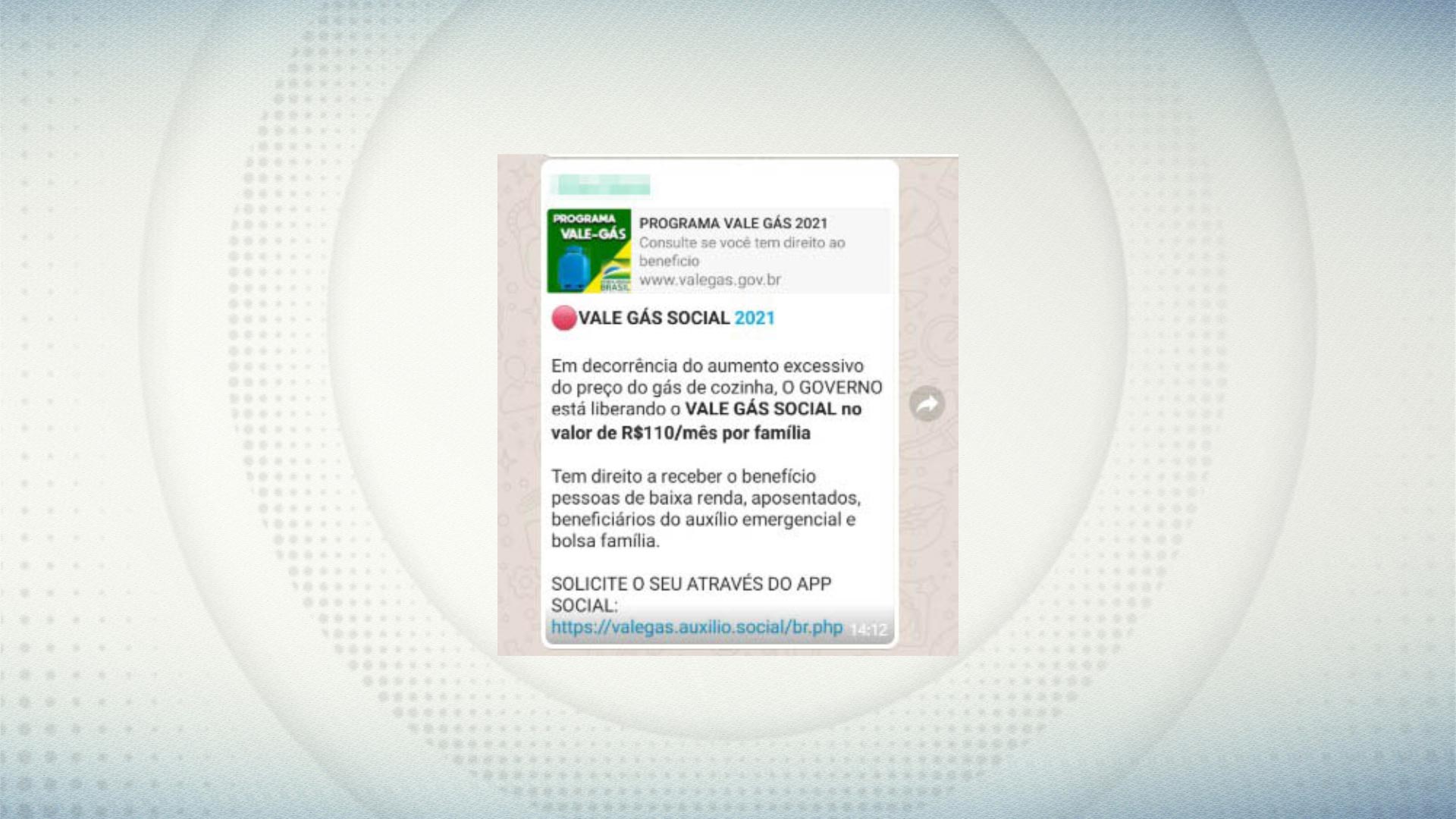
Em decorrência do aumento excessivo do preço do gás de cozinha, O GOVERNO está liberando o VALE GÁS SOCIAL no valor de R$110/mês por família.
Publisher’s rating: Falso
طبق آمار رسمی نرخ تورم سال گذشته ۴۹/۵ درصد بود که در تاریخ ایران بیسابقه است.
Publisher’s rating: نادرست

కేంద్ర ప్రభుత్వం ఎల్పీజీ సిలిండర్ల ధరలని వంద రూపాయిలు తగ్గించింది
Publisher’s rating: MISLEADING


Novo GOLPE do cartão do Itaú personalite. Cuidado galera com esse novo golpe ,tudo é de perfeita qualidade
Publisher’s rating: Falso

యోగీ ప్రభుత్వం రాష్ట్ర ఆదాయాన్ని 2.5 నుండి 5 లక్షల కోట్లకు పెంచింది
Publisher’s rating: MISLEADING

Claim: This ICF jobs announcement not made by DMK government
Publisher’s rating: Partly False
" ... we know that the economic impact on the global economy means that this pandemic recession is 30 times worse than what we saw in the global financial crisis (GFC)."
Publisher’s rating: Apples and oranges

"I know there’s been a lot of discussion ... that people are being paid to stay home rather than go to work. Well, we don’t see much evidence of that."
Publisher’s rating: Experts Divided
“So the president continues to say, ‘It’s not the enhanced unemployment benefits keeping people home,’ well, yes, folks, it is."
Publisher’s rating: Experts Divided



«Bisogna sbloccare i turisti americani, che sono il nostro mercato principale»
Publisher’s rating: Nì
The claim comes from Matteo Renzi’s May 31 newsletter, in which he argued that American visitors needed to return to Italy and called them “our main market.” The review also notes an earlier, related statement by Renzi on May 18: that American tourists were worth more than all the others combined, including Europeans. These are related but distinct assertions: the review tests whether Americans were Italy’s main tourism market and also assesses the comparison with European visitors. To test the claim, the review compares tourist arrivals, overnight stays, and estimated visitor spending, drawing on a Bank of Italy report and Istat data. It uses 2019 figures for the main comparisons, before pandemic restrictions affected travel. The review reports that Germany led in arrivals, with 16.2 million visitors, while the United States ranked sixth with 4.4 million; among visitors who stayed at least one night, the United States ranked fifth with 3.9 million. It also compares regional totals: arrivals from the euro area were 52.3 million, versus 5.7 million from North America. The other measures point in the same direction. In 2019, American visitors accounted for 16 million nights in Italy, while German visitors accounted for nearly 59 million. Estimated total spending was €5.5 billion for American visitors and €7.6 billion for German visitors; visitors from the euro area spent €19.2 billion, compared with €7.5 billion from North America. On these measures, the evidence does not support describing Americans as Italy’s principal tourism market or as worth more than European visitors collectively. The review cautions that 2020 figures are not a fair comparison because pandemic-related travel restrictions affected them.
(Gráfico) “Pobreza disminuyó drásticamente en 30 años”
Publisher’s rating: Incompleto