PeakMetrics / Fact Checks
Economy & business fact checks
Explore claims publishers have checked about economy & business. Read their original ratings and follow the evidence.
Search fact checks
Search by text or image7,096 published reviews in this topic

Employees regularized after 3 months only under Marcos
Publisher’s rating: MISLEADING
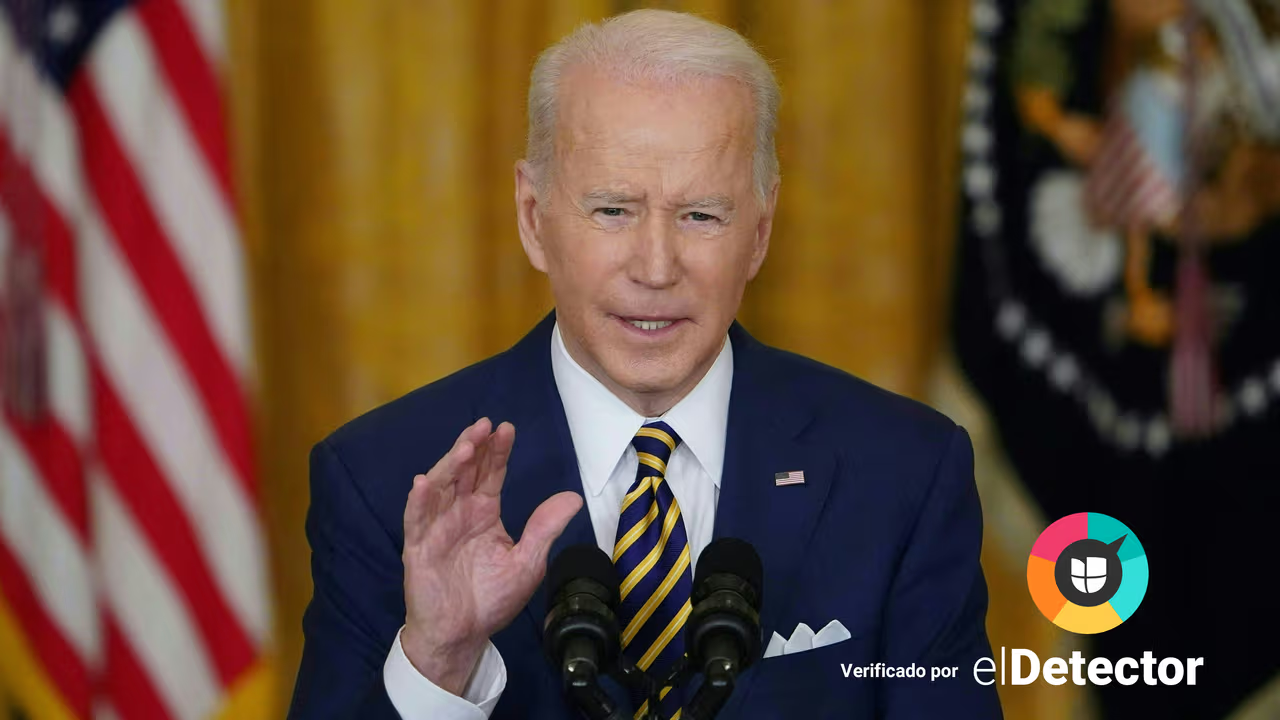
"A pesar de las recientes tormentas que han impactado muchas partes de nuestro país, la cuota de bienes en el inventario en las tiendas es de 89% ahora, lo cual ha cambiado apenas desde el 91% de antes de la pandemia”.
Publisher’s rating: Falta contexto

יוניליוור איבדה 20% מערכה בגלל החרם של בן אנד ג'ריס
Publisher’s rating: מטעה
“Creamos 6 millones de empleos nuevos, más puestos de trabajo en un año que en cualquier otro momento anterior”.
Publisher’s rating: Engañoso/ Falta contexto
طبق آمار صندوق بینالمللی پول ایران در جایگاه نخست تولید ناخالص داخلی منطقه و بالاتر از عربستان و ترکیه است.
Publisher’s rating: گمراهکننده

රජයේ සේවකයන්ට ජනවාරි සිට ගෙවීමට නියමිතව තිබු රුපියල් පන්දහසේ දීමනාව අත්හිටුවා ඇද්ද ?
Publisher’s rating: Missing Context

India owes USD 1,31,100 million to the world bank
Publisher’s rating: FALSE
The review examines a social-media post claiming that India owed USD 1,31,100 million to the World Bank and blaming Modi for the debt. To assess the amount, it reports figures from a Lok Sabha reply and World Bank data, distinguishing the outstanding World Bank loan figure from amounts due under IBRD and IDA development-project loans and credits. A Lok Sabha reply dated 20 July 2018 put India’s outstanding World Bank loan at $34,285.16 million as of March 2018. For a later comparison, the review cites World Bank data showing that, as of 31 December 2021, outstanding amounts for IBRD and IDA were approximately $18,581.96 million and $722.4 million, respectively—a combined $19,304.36 million. Both totals are substantially below the viral post’s $131,100 million figure. The review also gives an intermediate comparison: World Bank data for 2019 showed borrower obligations due to IBRD and IDA totaling $28,006.83 million. It notes that India borrowed from the World Bank during the COVID-19 pandemic, but says the cited outstanding-debt data still does not support the much larger claim. On the evidence described in the review, the claimed amount is not substantiated.
ایران سه و نیم میلیون کارمند دولتی دارد که در مقایسه با کشورهای دیگر با این تعداد میتوان، تمام آسیا را اداره کرد.
Publisher’s rating: شاخدار

Website offering PhonePe cash back through scratch coupouns
Publisher’s rating: FALSE
FACTLY investigated a social-media post linking to a site that purported to offer PhonePe scratch-card coupons. It reported that the page imitated PhonePe’s scratch-coupon interface, but the link was not PhonePe’s official web address: the article identifies it as “phoneqe.com.get-creadit.xyz/home,” compared with “Phonepe.com.” FACTLY also says the purported URL was registered in December 2021 under the domain get-credit.xyz. The review describes several checks supporting its conclusion. It says a Google search led it to a PhonePe warning about fraudulent links promising cashback rewards, and it reports that Thane Police had warned about similar links in April 2021. It also notes that PhonePe offered its financial services through its mobile app, not its website. Together, these points distinguish the lookalike link from PhonePe’s official service and place it alongside warnings about fraudulent cashback links. The article’s direct examination of the specific linked page is described mainly through its URL and resemblance to PhonePe’s interface; the supplied excerpt does not report a test transaction or detail what happened after users opened that specific link. The separate testing described later in the article concerns a Paytm scratch-card site, not this PhonePe link, so it does not establish what happened on the PhonePe page.

“সাৱধান: অনলাইনযোগে ধন পৰিশোধৰ প্ৰৱঞ্চনাৰ এটা নতুন উপায়, শেষলৈকে ভিডিঅ’টো চাওক আৰু ইয়াক আনলৈও শ্বেয়াৰ কৰক!”
Publisher’s rating: MISLEADING
صادرات غیرنفتی ایران با وجود تحریم و FATF به نسبت پارسال ۴۰ درصد رشد کرده است.
Publisher’s rating: گمراهکننده

ముందస్తు అమ్మకాలు” ప్రారంభించింది అని క్లెయిమ్ చేస్తోంది. ఈ స్క్రీన్ షాట్ లో ఒక లింక్ కూడా ఉంది AMZTOKENSALES.NET
Publisher’s rating: FALSE
Das ist ein Gewinnspiel des Discounters Penny
Publisher’s rating: Falsch


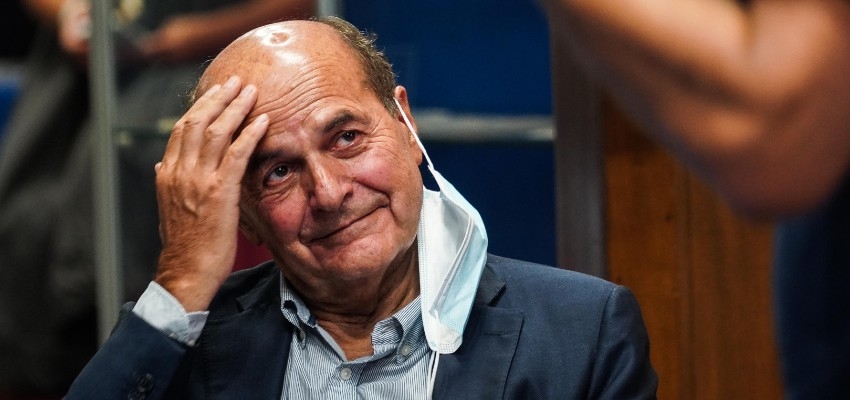
«Da novembre del 2020 a quello del 2021 su 494 mila nuovi occupati 448 mila sono a termine»
Publisher’s rating: Vero
The claim concerns a specific year-on-year comparison in Italy: Bersani said that between November 2020 and November 2021 employment increased by 494,000, including 448,000 fixed-term employees. Pagella Politica checked the statement against the latest Istat employment figures available at the time, which it describes as provisional data for November 2021 published on 10 January. The figures in the review support both parts of the claim. It reports that total employment rose by 494,000 over the period; 490,000 of that increase was among employees and 4,000 among self-employed people. Of the new employees, 448,000 were on fixed-term contracts. The review therefore says that more than 90 per cent of the increase in employment was not in permanent jobs. The article also gives context for interpreting the headline figures: despite the recent increase, total employment remained below pre-pandemic levels. It notes that Istat’s definition of an employed person includes someone who worked at least one hour in the survey week, as well as someone temporarily absent from work for less than three months.
Lidl et Amazon vendent des téléviseurs Samsung 4K à moins de 3 Euros.
Publisher’s rating: Il s'agit ici de fraude en ligne. Aucun téléviseur Samsung 4K n'est vendu par Lidl à ce prix. Le porte-parole de Lidl Belgique l'a confirmé.
The review examined Facebook-group claims that major retailers, including Lidl and Amazon, were selling Samsung 4K televisions for amounts ranging from €1.95 to €3. It reports that Julien Wathieu, spokesperson for Lidl Belgium, confirmed to dpa that the offers did not exist in Belgium. This directly contradicts the claim that Lidl was genuinely selling the televisions at those prices. The review describes Amazon-themed versions of the same type of offer, including a story that the company had seized Samsung televisions and was reselling them for €3 after a court authorized the sale. It characterizes these offers as phishing lures and explains that the retailer’s name was being used to attract people to fraudulent offers. The excerpt says Amazon was contacted, but does not give a response from the company; it therefore supports the conclusion about Lidl with a named spokesperson’s confirmation, while not documenting an Amazon response.

ל־20% מהחברה הערבית אין חשבון בנק ואין כרטיסי אשראי
Publisher’s rating: נכון ברובו
The review examined a statement by Knesset member Osama Saadi during a discussion in the Knesset Economic Affairs Committee about bank credit limits. Saadi said that more than 20% of Arab citizens had no credit card and that perhaps more than 20% had no bank account. The review checked figures from a long-term Central Bureau of Statistics survey, which Saadi had referred it to. The survey began in 2012, and the review compared figures published for 2019 with the previous survey round, published in 2015. For bank accounts, the 2019 figures did not support the “more than 20%” estimate: 13% of Arab respondents lacked an account, compared with less than 1% of Jewish respondents. The 2015 figure for the Arab population was 15%, indicating some improvement. For credit cards, however, the measured share was much higher than Saadi’s estimate: in 2019, 51% of Arab households reported that nobody in the household had a credit card, versus 11% of Jewish households. The corresponding Arab figure in 2015 was 47%, so the review described the gap in card ownership as worsening. The review’s conclusion therefore rests on two different comparisons: Saadi overstated the share without bank accounts, but understated the share of Arab households with no credit card. It also reported an explanation from Ziad Abu Hable, head of the Economic Development Council for Arab Society: he cited what he described as discriminatory treatment by banks, limited bank branches in Arab localities, and household cash-flow challenges. These were his explanations, not separate findings established by the survey. The review concluded that Saadi’s statement was mostly accurate overall.

आज से 9 फरवरी तक हर ज़िले में कर्जमाफी शिबीर लगाकर किसानों का कर्ज माफ किया जायेगा।“
Publisher’s rating: Missing Context