PeakMetrics / Fact Checks
Economy & business fact checks
Explore claims publishers have checked about economy & business. Read their original ratings and follow the evidence.
Search fact checks
Search by text or image7,093 published reviews in this topic
Hoje temos o terceiro melhor salário [de policiais] do Brasil
Publisher’s rating: Falso

Barril de Chopp Brahma 5 Litros Puro Malte Lançamento, Pague 1, Leve 2.
Publisher’s rating: Falso
Temos 845 obras paradas em São Paulo, [ou] em atraso
Publisher’s rating: Verdadeiro

De MediaMarkt geeft voor haar 25-jarig bestaan goodiebags weg.
Publisher’s rating: Het is geen echte winactie van de MediaMarkt. Er wordt niets verstuurd. Het gaat hier om een voorbeeld van phishing.
The claim concerned a Facebook post saying that MediaMarkt would send a goodiebag to anyone who shared the post and commented “Klaar,” supposedly for the company’s 25th anniversary. The review reports that the post had already been shared by about a hundred people, but found signs that the page was not an official company account: it was called “MediaMarks Fans,” had been created on 10 September 2022, and the giveaway was its only post. The page had fewer than 30 followers, unlike MediaMarkt NL’s verified official page, which the review says had more than half a million likes and followers. The review also checked what happened to people who responded. At the time described, they were not yet sent to another website to enter information; instead, they received a private message instructing them to share the post, follow the page, and distribute it in seven Facebook groups. The review explains that this mechanism could spread the post quickly, while noting that the page might later direct people to a site to collect further details. The anniversary premise was also inconsistent with the company’s Dutch history: the review says MediaMarkt opened its first Dutch store in 1999, so its 25th anniversary was not imminent in September 2022. Finally, a reverse image search traced the pictured bags to Indonesian news sites. The review identifies the image as showing rice bags intended for Indonesians badly affected by the coronavirus pandemic in 2020—not MediaMarkt giveaway bags.
[O PIB de] São Paulo cresceu cinco vezes mais do que o Brasil [durante a gestão Doria]
Publisher’s rating: Verdadeiro
Nós estamos gerando mais de 33% dos empregos do Brasil
Publisher’s rating: Falso
Só em 2020 pagamos [o Auxílio Emergencial] (...) para 68 milhões de pessoas
Publisher’s rating: Verdadeiro
Porque, com o Bolsa Família, (...) se ele conseguisse o emprego, ele perdia o Bolsa Família
Publisher’s rating: Falso
O nosso governo, via Banco Central, teve a ideia de criar o PIX
Publisher’s rating: Falso

Rajesh Meena, a Delhi man, has won prize money of 70 lakh rupees after gambling on a casino mobile app
Publisher’s rating: FALSE
FACTLY examined a social-media video claiming that a Delhi man named Rajesh Meena won 70 lakh rupees on a mobile casino app and used the money to buy a car and a house. The review reports that searches for news coverage of the alleged win found no relevant reports, including none from India Today, whose logo appeared on the video. The absence of reports was one part of the investigation; the review also checked the identities and origins of the visuals used in the video. A reverse-image search of the person presented as Rajesh led to a 2017 article identifying him as Hormazd Patel, an assistant manager at Bajaj. FACTLY says it compared that article’s photograph with the viral video and checked Patel’s LinkedIn profile and Facebook pictures to confirm the identification. The video also included footage of an older couple buying a Mercedes-Benz. A keyword search traced that footage to reports about a man in Tamil Nadu buying a Benz as his childhood dream—not to a casino-app winner in Delhi. On that evidence, the review concluded that the video combined unrelated material and that its account of Rajesh Meena winning the money was fictional. Its finding rests not just on the lack of news reports, but on the mismatch between the video’s purported subject and the person pictured, and the unrelated provenance of the car-purchase footage. The supplied excerpt does not identify the app or provide independent records of a gambling transaction or prize; the investigation described instead tests the video’s claims against its visuals and the reporting it could locate.

Central Government is planning to end the insurance guarantee for the money deposited in banks
Publisher’s rating: MISLEADING
The review examines social-media posts using newspaper clippings to claim that the Indian government planned to end insurance guarantees for bank deposits. It reports that the clippings concerned the Financial Resolution and Deposit Insurance Bill (FRDI), introduced in the Lok Sabha on 10 August 2017, rather than a newly announced plan to end deposit insurance. The review says the clippings focused on the bill’s proposed “bail-in” provision, which prompted concerns that depositors could lose repayment of their money or receive securities instead. The review checked the clippings through reverse-image searches and examined clearer versions, which it says showed that both concerned the 2017 bill. It also reports that, on 7 December 2017, the Finance Ministry said the bill did not adversely change existing depositor protections and would provide additional protections. After widespread criticism, the government withdrew the bill in August 2018. The review further says the government clarified in July 2020 that it had not decided to reintroduce it. The claim omits this history and presents old clippings as evidence of a current plan. The review’s account also notes a later change in the opposite direction: in February 2020, the deposit-insurance limit for depositors in insured banks rose from ₹1 lakh to ₹5 lakh, effective 4 February. On this evidence, the review concludes that the posts are misleading.

राजनाथ सिंह मंहगाई को लेकर प्रधानमंत्री मोदी की असफलता के बारें में बात कर रहे है।
Publisher’s rating: misleading
(...) foram gerados 20 milhões de emprego com carteira profissional assinada
Publisher’s rating: Verdadeiro
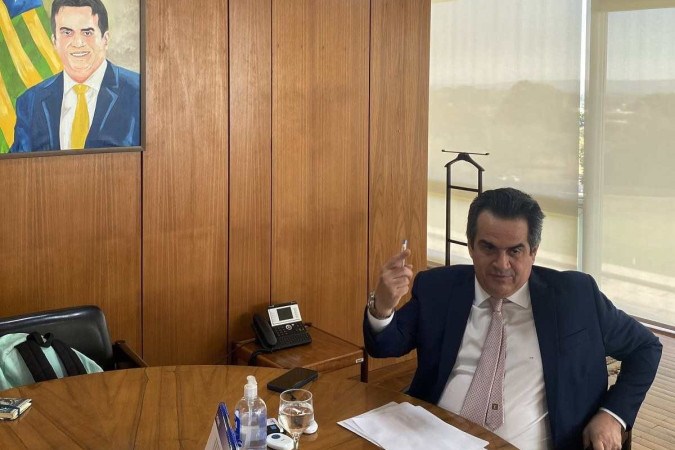
Bolsonaro subiu, o gás caiu, o povo aplaudiu, melhor para o…BRASIL!!!!
Publisher’s rating: Falso: postagem mente ao relacionar Bolsonaro com a queda no preço do gás de cozinha
Quando ganhei eleições em 2002, a inflação estava em 12%
Publisher’s rating: Verdadeiro
Dünya Bankası’nın Ukrayna’nın yeniden inşasının en az 128 milyar dolara mal olacağını açıkladığı iddiası
Publisher’s rating: Yanlış