PeakMetrics / Fact Checks
Economy & business fact checks
Explore claims publishers have checked about economy & business. Read their original ratings and follow the evidence.
Search fact checks
Search by text or image7,093 published reviews in this topic


Carrefour fechou seis lojas e demitiu 5 mil funcionários
Publisher’s rating: Falso

CITROEN FECHA AS PORTAS, E DEIXA 13 MIL DESEMPREGADOS NO BRASIL.. E AS EMPRESAS ESTÃO DEIXANDO O BRASIL..
Publisher’s rating: Falso
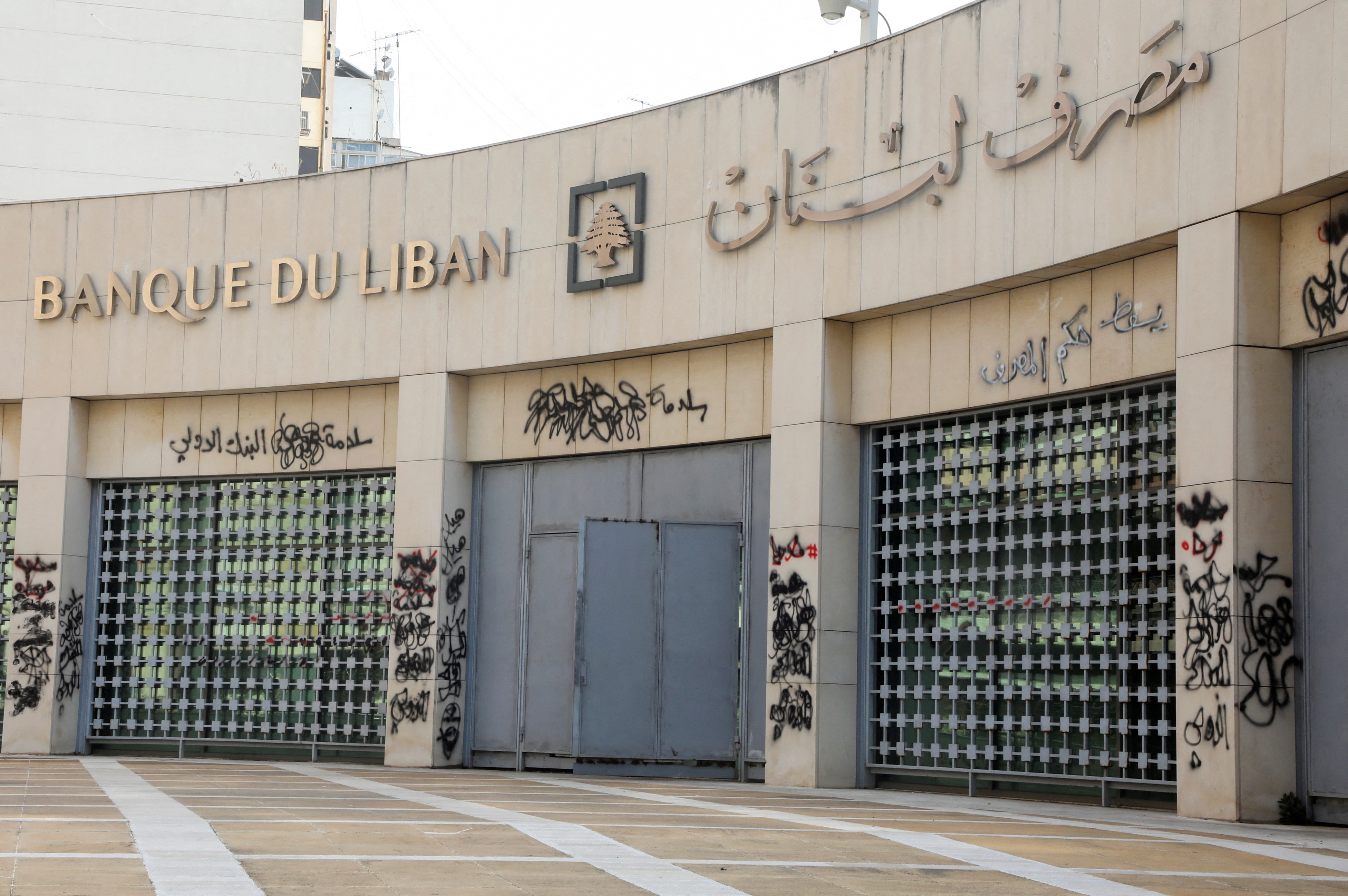
هل تؤدّي خطة اعادة التوازن المالي إلى شطب أموال المودعين؟
Publisher’s rating: صحيح
The review examines a Lebanese draft law for financial rebalancing, introduced by MPs Ahmad Rustom and George Bouchikian on 16 December 2022. It describes the proposal as a version of the government’s financial plan, intended to distribute losses and recover deposits. The article’s central concern is that the proposal’s mechanisms could reduce or eliminate depositors’ claims, even though the effects would vary by deposit type and repayment conditions. It also notes that the draft removed an earlier provision calling for depositor protection “to the greatest extent possible.” For deposits classified as ineligible, the review says the proposal would cover funds converted into foreign currency after 17 October 2019. It reports that these deposits could be converted back to Lebanese pounds at specified rates of 8,000 or 15,000 pounds per dollar, under a mechanism set by the Higher Banking Commission. The article cites lawyer Karim Daher, who argues that this could erase a large share of such deposits and describes the distinction as unfair, including for people paid in dollar-denominated cheques after the cutoff. Eligible deposits would also not necessarily be repaid in full or directly, according to the review. It says deposits below $100,000 were to be repaid in full, while larger eligible deposits would receive $100,000 under the proposal’s stated terms; the Higher Banking Commission could determine conversions to pounds and set terms for amounts above that threshold. The review further says recovery depended on the bank being viable. On that evidence, it concludes that the proposal could write off depositors’ money indirectly, while documenting that the treatment would depend on eligibility, conversion rules, administrative discretion, and bank viability.


భారత దేశంలో ప్రతిరోజూ 14 కోట్ల లీటర్ల పాలు ఉత్పత్తి అవుతుంటే, 50 కోట్ల లీటర్ల పాలను రోజూ ప్రజలకి అమ్ముతున్నారు
Publisher’s rating: MISLEADING
Доллар США в 2022 году терял статус мировой валюты
Publisher’s rating: Это неправда. Прошлый год, наоборот, был для доллара успешным. До 2022 года 59% мировых резервов хранилось в долларовых активах.

RBI issued new guidelines to banks to treat scribbled notes as invalid
Publisher’s rating: FALSE
FACTLY examined a social-media post claiming that the Reserve Bank of India had issued new guidelines requiring banks to treat notes with writing as invalid. Its review says it searched the RBI website for such guidelines and found none. It reports that the RBI’s frequently asked questions instead state that banknotes with writing or colour stains remain legal tender if they are decipherable, and can be deposited or exchanged at a bank branch. The review distinguishes that rule from a separate restriction: notes bearing extrinsic words or visible representations intended to convey, or capable of conveying, a political or religious message—or to further the interests of a person or entity—can be rejected under the Note Refund Rules. That qualification does not amount to a general rule invalidating scribbled notes. As further evidence, FACTLY cites the RBI’s Clean Note Policy, which urges the public not to write on currency and instructs banks to provide exchange facilities for soiled and mutilated notes. It also reports that the policy had not been amended. A Press Information Bureau post on 8 January 2023 likewise said that scribbled notes remain legal tender, while explaining that writing defaces notes and reduces their life. The review concludes that the claim of new RBI guidelines invalidating scribbled notes is unsupported.


De doos toffifee is van 15 naar 12 stuks gegaan zonder dat de verpakking kleiner is geworden.
Publisher’s rating: Toffifee komt in Nederland nog steeds in een verpakking van 15 stuks. Ook in andere landen waar de chocolade wordt verkocht, is de hoeveelheid per verpakking onveranderd gebleven.
The Bangko Sentral ng Pilipinas newly released a P500 bill bearing the face of Ferdinand Marcos Sr.
Publisher’s rating: Fake

“ATENÇÃO :estão enviando Guias do IPTU falsas, o número da guia e o código de barras são falsos, e o visual.EU JÁ RECEBI!”
Publisher’s rating: Falso

Luciano Hang, da Havan, abandona golpistas e veste terno vermelho
Publisher’s rating: Falso


Agora quem atrasar o IPVA A CNH vai ser cancelada Tô gostando de ver Parabéns para os envolvidos Faz o L
Publisher’s rating: Falso


In “two years’ time” the Democrats were responsible for “record inflation.”
Publisher’s rating: False

De ECB wil de bestaande euro vervangen door de digitale euro (CBDC) die restricties krijgt, waardoor sparen onmogelijk wordt en de gebruiker niet meer zelf kan bepalen waaraan die geld uitgeeft.
Publisher’s rating: De beweringen zijn onwaar. De ECB wil de huidige euro niet vervangen, maar geeft juist aan dat de digitale euro daar een aanvulling op kan worden. De digitale euro krijgt volgens de ECB geen vervaldatum. Ook geeft de ECB aan niet van plan te zijn het geld zo te programmeren dat het slechts aan vooraf bepaalde zaken kan worden uitgegeven.