PeakMetrics / Fact Checks
Disasters & emergencies fact checks
Explore claims publishers have checked about disasters & emergencies. Read their original ratings and follow the evidence.
Search fact checks
Search by text or image3,262 published reviews in this topic

It is heavy rains in 1000 years of China’s history. The video footage shows aeroplanes, helicopters, trucks, buses and cars being swept away in floodwater. This seems to be the punishment to China from the almighty for planning to destroy the world.
Publisher’s rating: Fake
កម្មហើយប្រទេសចិន! ជាង ៦០ឆ្នាំហើយមិនដែលកើតមានគ្រោះទឹកជំនន់ខ្លាំងបែបនេះពីមុនមកទេ ទើបតែចុងឆ្នាំ២០២១នេះ ដោយកូវីដ១៩ មិនទាន់ស្រាកស្រាន្តផង ឥឡូវមានភ្លៀងធ្លាក់ខ្លាំងបណ្ដាលឱ្យមានមនុស្សយ៉ាងហោចណាស់ ២៥នាក់បានស្លាប់ ហើយនិងខូចខាតទ្រព្យសម្បត្តិប្រជាពលរដ្ឋស្ទើរខ្ទេចខ្ទី
Publisher’s rating: False


Die Überschwemmungen seien absichtlich künstlich ausgelöst worden und das Wetter mit HAARP oder Geoengineering / geimpften Wolken manipuliert worden.
Publisher’s rating: Die Behauptung ist nicht wahr. Es ist technologisch nicht möglich, mit HAARP oder Geoengineering solche Unwetter auszulösen.

Image of a waterlogged garment showroom in Mumbai
Publisher’s rating: FALSE
ARD-«Tagesthemen»-Sprecher verhöhnt angeblich einige Opfer der Hochwasser-Katastrophe als «rechtsradikale Querdenker».
Publisher’s rating: Falsch
The allegation concerns remarks in the ARD-«Tagesthemen» after reporting about possible activity by far-right groups and the «Querdenker» scene in the western German flood zone. The review distinguishes the presenter’s subject from the people harmed by the floods: it says he was discussing people who went to the disaster area presenting themselves as helpers, not flood victims. The police had warned that extremists were posing as local helpers and exploiting the emergency for political purposes. The review quotes the police describing people who “under the appearance of helping” were misusing the situation for political ends. [S1]

చైనా దేశంలో వరదలు భీభత్సం సృష్టిస్తున్న దృశ్యాలు
Publisher’s rating: FALSE
Feuerwehr, THW und Bundeswehr brauchten nach der Flutkatastrophe fünf Tage, bis sie zum Helfen im Ahrtal waren
Publisher’s rating: Falsch
The claim was that the fire service, the Technical Relief Agency (THW) and the German armed forces did not appear in the Ahr valley for five days after the floods, even though a bus offering vaccinations had been arranged quickly. The review examined the timeline of emergency response in the Ahrweiler district, where the Ahr valley is located. It reports that the THW and fire services were already working there on 14 July 2021, the day the disaster began, and the Bundeswehr joined on 15 July—not five days later. [S1]

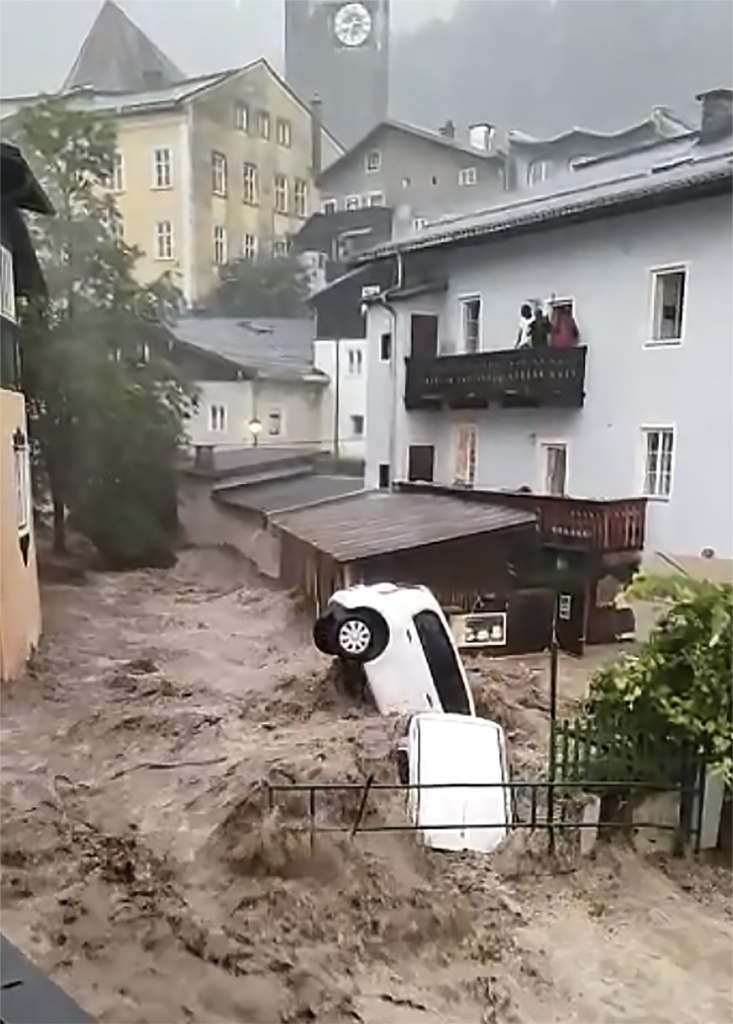
Videos von verheerenden Unwettern in Deutschland und Österreich sind manipuliert und alt.
Publisher’s rating: Der Großteil des Bild- und Videomaterials ist echt. Ein Foto, das ein untergehendes Auto zeigt, auf dem angeblich die Aufschrift „Fuck you Greta!” steht, wurde manipuliert. Ein anderes Bild, das eine überflutete Straße in Deutschland zeigt, wurde einem falschen Ort zugeordnet. Die Videos aus Hallein sind aktuell.
ദേ… രണ്ടാഴ്ചയായി നെതർലാൻറുകാർ പ്രളയ ദുരിതത്തിലാണ്..
Publisher’s rating: PARTLY FALSE
Im Atomkraftwerk EdF Tricasting-Tihange2 wurden Risse in allen vier Reaktoren gefunden, es wurden Millionen Jodtabletten verteilt.
Publisher’s rating: Diese Darstellung ist teilweise falsch und aus dem Zusammenhang gerissen.
The post’s “Tricasting-Tihange2” wording merges two separate nuclear plants: EDF’s Tricastin station in France and Tihange in Belgium, which includes the Tihange-2 reactor. The review says the plants have different operators and locations and “haben nichts miteinander zu tun.” The claim that all four reactors at Tricastin had cracks therefore conflates the plants and is not supported by the evidence described in the review. The review reports that a French nuclear-safety authority identified 33 indications of material defects in reactor pressure vessels at nine plants since 1993. Twenty were at Tricastin’s reactor 1; the other 13 were at other sites. The authority concluded that the defects did not affect reactor safety. The review also says it found no evidence for cracks in all four Tricastin reactor units, and that Greenpeace’s French section did not make that claim. The iodine-tablet claim likewise draws on information about the wrong plant. The review says thousands of fine cracks were found in Tihange-2 in 2012 and that iodine tablets were distributed as a precaution in the Aachen region, near the Belgian plant. That does not support the post’s assertion that millions of tablets were distributed, nor does it establish cracks in all four Tricastin reactors. The post also used a Greenpeace Luxembourg graphic depicting a simulated, potential accident scenario—not an accident that had occurred.
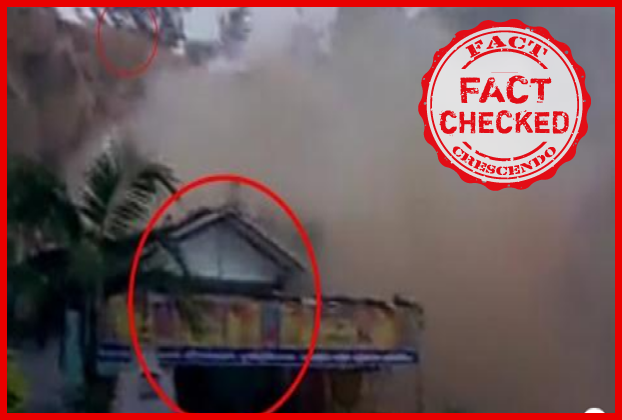
நுவரெலியா டன்சினன் நீர்வீழ்ச்சி வெள்ளத்தில் இருந்து கோயிலை காத்த அம்மனா?
Publisher’s rating: False
The claim concerned a video shared as a live view of Amman protecting a temple from flooding at Dunsinane Falls, Nuwara Eliya. The investigation says a Facebook account posted it on July 14, 2021, with that description, and that others also shared it. The fact-check examined the video and searched for its earlier history and reporting about it. [S1: “மலைநாடு என்ற பேஸ்புக் கணக்கில் ” மலையகத்தில் பேரதிசியம் நுவரெலியா டன்சினன் நீர்வீழ்ச்சி வெள்ளத்திலிருந்து கோயிலை காத்த அம்மன். 🔴நேரடி காட்சி https://youtu.be/8yVSaVHY0s0 “ என இம் மாதம் 14 ஆம் திகதி (14.07.2021) பதிவேற்றம் செய்யப்பட்டிருந்தது. இது போன்று மேலும் பலர் பகிர்ந்துள்ளமை காணக்கிடைத்தது.”] The decisive finding was that the same video had first appeared online in December 2015, years before the 2021 post. The review also describes audio in the video: a person speaking Sinhala on the phone about rain and flooding in Pundaluoya. It reports finding no 2015 news coverage that said Amman had protected the temple. [S1: “நாம் குறித்த வீடியோவை ஆய்விற்கு உட்படுத்திய போது, இது 2015 ஆம் ஆண்டு டிசம்பர் மாதம் இணையத்தில் முதலில் பதிவேற்றம் செய்யப்பட்டிருந்தமை கண்டறியப்பட்டது. அதில், சிங்களத்தில் ஒரு நபர் தொலைபேசியில் உரையாடும் குரல் பதிவும் பதிவாகி இருந்தது, அதில் எப்படி மழை, பூண்டுலோயாவில் வெள்ளப்பெருக்கு என்று அவரின் வீட்டுக்கு சொல்கின்றார்.”] [S1: “நாம் கூகுளில் 2015 ஆம் ஆண்டு குறித்த வீடியோ தொடர்பாக தேடியபோது, அம்மன் காத்ததாக எவ்விதமான செய்தியும் பதிவாகி இருக்கவில்லை.”] The review notes that the temple is near Dunsinane Falls, but says the video was recirculated with a false description that attributed the flooding shown to that location and claimed divine protection. Its conclusion was that the video did not substantiate the claim that Amman saved the temple. [S1: “மேலும், குறித்த கோயிலுக்கு அருகாமையில் டன்சினன் நீர்வீழ்ச்சி இருப்பதால், அதில் வந்த வெள்ள நீர் வீடியோவை எடுத்து தவறான கருத்தினை பயன்படுத்தி மக்கள் மத்தியில் பகிர்ந்துள்ளமை காணக்கிடைத்தது.”] [S1: “நாம் மேற்கொண்ட தேடல் முடிவில், நுவரெலியா டன்சினன் நீர்வீழ்ச்சி வெள்ளத்திலிருந்து கோயிலை காத்த அம்மன் என பகிரப்படும் வீடியோ போலியானது என கண்டறியப்பட்டுள்ளது.”]
Auto met 'FUCK YOU GRETA'-sticker zinkt tijdens overstromingen.
Publisher’s rating: De foto is getrukeerd. De oorspronkelijke foto van de drijvende auto is afkomstig uit de Duitse krant Bild, maar daarop is geen ‘FUCK YOU GRETA’-sticker te zien.
The claim concerned a circulating image of a car in floodwater, said to have been taken during the recent flooding in Belgium, Germany, and the Netherlands. The image showed a “FUCK YOU GRETA” sticker on the car’s rear window, and a social-media post framed the scene as ironic. The review traced the car image to a photograph published by German newspaper Bild and reported that the sticker did not appear in that original image. The review identifies the scene as a BMW in a flooded street in Wuppertal, Germany, and names David Young as the photographer. Comparing the circulating version with the original photograph, it reports that the sticker was absent from the Bild image. That difference is the evidence the review gives for concluding that the circulated image had been altered. The article also explains why the image attracted attention: the sticker was directed at climate activist Greta Thunberg, and the post connected the flooded car with her climate activism. It says that the sticker was not present in the original photograph, so the viral image’s apparent message was added rather than part of the photographed scene.
Dam bij Wuppertal doorgebroken!
Publisher’s rating: Het bericht klopt niet. De video is inderdaad gelieerd aan de recente overstromingen in België, Duitsland en Limburg, maar inwoners van Wuppertal hoeven hier (voorlopig) niet te vrezen dat hun dam is doorgebroken. Dat bevestigt de lokale brandweer op Twitter. De beelden tonen een ondergelopen kolenmijn bij Inden, vlakbij Aken.

ਦਿੱਲੀ ਦੇ ਮਿੰਟੋ ਬ੍ਰਿਜ ਤੇ 13 ਜੁਲਾਈ, 2021 ਨੂੰ ਡੀਟੀਸੀ ਦੀ ਬੱਸ ਡੂਬੀ
Publisher’s rating: Misleading

छायाचित्रात पाण्यात डुबलेल्या गाड्या दिसतात. सोबत लिहले होते कि हे छायाचित्र नागपूरचे आजचे २:३० वाजताचे आहे
Publisher’s rating: FALSE

హిమాచల్ ప్రదేశ్ రాష్ట్రంలో భారీ వరదలు భీభత్సం సృష్టిస్తున్న దృశ్యాలు
Publisher’s rating: FALSE
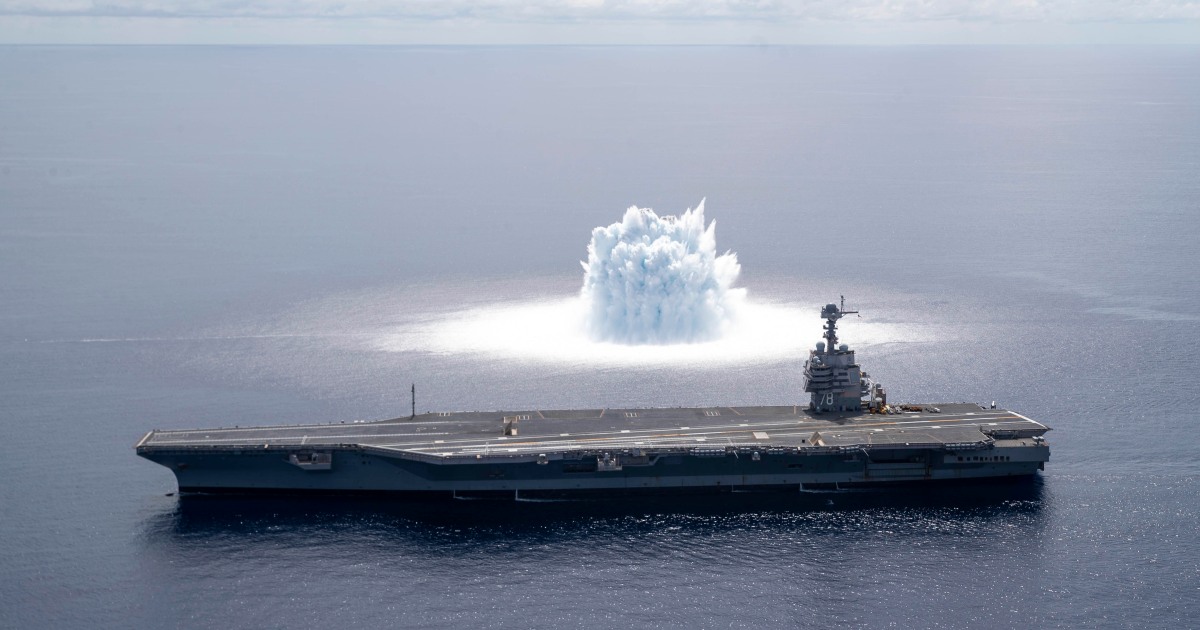
¿Colapsó un condominio en Surfside, Florida por las explosiones que provocó la Marina cerca de la costa, para probar un portaaviones?
Publisher’s rating: Falso

ALERTA MÁXIMO DE FRIO EXTREMO! Atenção! A partir do dia 04 e principalmente de 05 a 07/07 uma potente massa de ar polar avança pelo Sul do Brasil, como não se via a mais de 50 anos.
Publisher’s rating: Falso
The warning claimed that a powerful polar air mass would move across southern Brazil from July 4, especially July 5–7, bringing the region’s coldest conditions in more than 50 years. It named locations in Rio Grande do Sul and Paraná, forecast temperatures as low as −15°C in one locality and −19°C in the Serra Gaúcha and Santa Catarina, and urged people to prepare for severe cold. The review identifies the message as a recurring seasonal rumor and notes that similar texts had circulated in previous years: it says an identical text had been debunked the year before and similar extreme-cold warnings had been addressed twice in 2018. The review describes several checks. It says the warning was vague and alarmist, contained writing errors, and cited no reliable source. The publisher also reports searching for an announcement of the cold alert and finding none; its account says the most popular result was its own 2020 debunking. It then compares the warning with forecasts for the dates and places it names: the lowest forecast temperatures cited for the named Rio Grande do Sul and Paraná cities were 8°C, rather than the extreme subzero readings in the message. The review distinguishes an ordinary forecast of winter cold from the message’s much stronger claims. It acknowledges that southern Brazil experiences low temperatures and that cold was forecast for that winter, but says the specific record-breaking and −19°C predictions were not supported by the forecasts it checked. It also observes that −19°C would exceed the country’s prior cold record, putting the message’s dramatic number in context. The conclusion concerns the circulated warning and its forecasts, not whether cold weather would occur at all.