PeakMetrics / Fact Checks
Culture & entertainment fact checks
Explore claims publishers have checked about culture & entertainment. Read their original ratings and follow the evidence.
Search fact checks
Search by text or image3,169 published reviews in this topic

Claim: Fake news circulating that actor vijay exposed his bald head
Publisher’s rating: FALSE
Dieses Video ist von der britischen Rundfunkanstalt BBC.
Publisher’s rating: Der Videoausschnitt ist manipuliert und nie so gesendet worden. Die BBC hat die Attacke nicht der Ukraine zugeschrieben. Auch vermeintliche Beweise aus russischen Kanälen stützen nicht die im manipulierten Video aufgestellte Behauptung, die Attacke sei von der Ukraine ausgegangen.
The claim concerns a video bearing the BBC’s logo that purported to show the broadcaster attributing the 8 April 2022 attack on Kramatorsk’s railway station to Ukraine. The review says the BBC had reported extensively on the attack, but that the circulating clip was not an authentic BBC broadcast. It also distinguishes the clip’s false attribution from the question of who carried out the attack: the BBC report described in the review said responsibility was unresolved, while noting indications pointing to Russia. [S1: “Die Attacke auf den Bahnhof in der ukrainischen Stadt Kramatorsk am 8. April hat weltweit schockiert. Auch die britische öffentlich-rechtliche Rundfunkanstalt BBC hat umfassend über den Angriff berichtet.”; “Vielmehr sagt der Reporter, es sei offen, wer den Angriff gestartet habe. Es gebe jedoch Hinweise darauf, dass Russland dafür verantworlich sei.”] To check whether the clip was genuinely from the broadcaster, the review reports that the BBC said it did not originate from the BBC and was a forgery. The review also says it could not be found on the BBC’s website or its official Facebook, YouTube, or Twitter accounts, and that a BBC producer working in Ukraine called it fake. These provenance checks directly address the video’s claimed source, rather than relying only on what the clip says. [S1: “Die BBC hat erklärt, dass das Video nicht von ihr stamme und eine Fälschung sei. Der manipulierte Clip ist auf keinen anderen Kanälen der Rundfunkanstalt zu finden – weder auf der Website noch auf dem offiziellen Facebook-, YouTube- oder Twitter-Account.”; “Auch ein Produzent der BBC, der aktuell in der Ukraine arbeitet, hat das Video als Fake bezeichnet.”] The review describes additional signs of manipulation: scenes from Kramatorsk had been edited together, the audio cut out abruptly more than once, and the clip lacked source labels that the review says are usually shown for footage not filmed by the BBC itself. It also points to an awkward English sentence as evidence against the clip being genuine BBC material. The review notes, however, that the origins of some scenes could not be established clearly. [S1: “Im manipulierten Video sind unterschiedliche Szenen aus Kramatorsk zusammengeschnitten. Auffällig ist, dass der Ton mehrmals abrupt abbricht und für Sekunden ausbleibt.”; “Die Herkunft der verwendeten Szenen ist nicht immer eindeutig geklärt.”; “Bei solchen, die kein eigenes Videomaterial sind, wird bei echten BBC-Beiträgen die Quelle meist in der oberen rechten Ecke des Videos genannt. Das ist im manipulierten Video nicht der Fall.”; “Auffällig sind auch sprachliche Fehler, die eine Person mit der Muttersprache Englisch nicht machte - etwa bei diesem Satz: «Ukraine has often started using fake news.»”]

‘కచ్చా బాదం’ పాటకు పోలీసులు స్టెప్పులేస్తున్న దృశ్యాలు
Publisher’s rating: MISLEADING
یک اثر هنری به شکل ربات به گونهای طراحی شده که برای بقای خود، روغنهایی را که نشت کرده، جمعآوری میکند.
Publisher’s rating: نادرست

Karan Johardonated Rs. 5 crores while the actors Ranbir Kapoor and Ali Butt donated Rs. 1 core each to help flood-hit Pakisthan
Publisher’s rating: FALSE
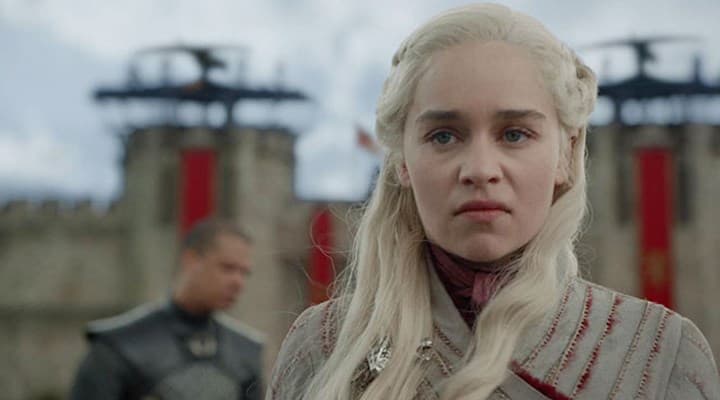
الممثلة الإنكليزية إيميليا كلارك تطلب من متابعيها التوقف عن إرسال صورة الملحن المصري عمرو مصطفى لها
Publisher’s rating: خطأ
Kris Aquino borrowed and wore one of the sequestered jewelry of Imelda Marcos
Publisher’s rating: False
മലയാള സിനിമ നടനും സംവിധായകനുമായ ശ്രീനിവാസൻ നിര്യാതനായി
Publisher’s rating: FALSE
Zelensky en zijn vrouw zingen 'Endless Love'.
Publisher’s rating: De mensen in de video zijn niet Zelensky en zijn vrouw Olena. Het is de Amerikaanse coverband Boyce Avenue en zangeres Connie Talbot.
The review investigates a social-media video showing a man and a woman performing Lionel Richie and Diana Ross’s “Endless Love.” It says Facebook posts identified them as Ukrainian president Volodymyr Zelensky and his wife, Olena Zelenska. The review instead identifies the performers as the American cover band Boyce Avenue and singer Connie Talbot. [S1: “Op sociale media komen veel ontroerde reacties op een video van een man en vrouw die het nummer Endless Love van Lionel Richie en Diana Ross spelen. Het zouden volgens Facebookberichten de Oekraïense president Zelensky en zijn vrouw Olena Zelenska zijn.”; “Dan blijkt het te gaan om de Amerikaanse coverband Boyce Avenue en zangeres Connie Talbot.”] The review describes comparing the man’s appearance with Zelensky’s, focusing on a profile view near the start of the video: it says the performer’s nose has a pronounced curve, whereas Zelensky’s is straight. It also compares the woman with Olena Zelenska, noting differences in their teeth and that Talbot was 21. These comparisons support the review’s conclusion that the people shown are not the couple named in the posts. [S1: “Zo is in het begin, wanneer de man van de zijkant wordt gefilmd, te zien dat hij een andere neus heeft. De neus van de man heeft een duidelijke kromming, terwijl die van Zelensky in een rechte lijn loopt.”; “Zo verschilt hun gebit. Connie is bovendien pas 21, terwijl Olena Zelenska daar al een aantal jaar voorbij is.”] For identification, the review says it searched YouTube for the song title and found that Boyce Avenue and Talbot had posted their version in February 2022. It does not describe the video as showing Zelensky and Olena singing to each other or their country; it attributes the performance to those musicians instead. [S1: “Die vraag is snel beantwoord door de songtitel 'Endless Love' in YouTube op te zoeken. Dan blijkt het te gaan om de Amerikaanse coverband Boyce Avenue en zangeres Connie Talbot. Zij plaatsten hun versie van de klassieker uit de jaren ’80 in februari 2022 op YouTube.”; “In de video is dus niet de Oekraïense president en First Lady te zien die hun 'eindeloze liefde' aan elkaar en hun land betuigen.”]

Claim: sri lankan singer yohani not holded this banner against gotabaya
Publisher’s rating: FALSE
The claim concerned a circulated image that appeared to show Sri Lankan singer Yohani holding a banner against then-president Gotabaya Rajapaksa. Fact Crescendo says the image was shared alongside other pictures of Yohani speaking with Rajapaksa, including in a composite screenshot sent to the outlet through its WhatsApp chatbot. The review describes the banner image as the subject of its investigation. (S1: “இலங்கை அதிபர் கோத்தபய ராஜபக்சவை கண்டித்து பதாகை ஏந்திய பாடகி யோஹானி,” என்று கூறி சமூக வலைதளங்களில் பரவும் புகைப்படம் ஒன்றின் நம்பகத்தன்மை பற்றி ஆய்வு செய்தோம்.) To check the image, the investigators searched Yohani’s official Instagram account, identified in the article as “yohanimusic.” They report finding a recently posted photograph there, but no image like the circulated banner picture. Based on that comparison, the review says the viral image had been edited using a photograph Yohani posted on Instagram. It concludes that the claim was not reliable. The excerpt does not provide image files or further technical details about the comparison, so it supports the publisher’s reported check and conclusion, not an independent examination of the images. (S1: “அப்போது, அவர் சமீபத்தில் வெளியிட்ட ஒரு புகைப்படத்தைக் கண்டோம். ஆனால், இப்படியான புகைப்படம் எதுவும் காணக் கிடைக்கவில்லை.”; “யோஹானி அவரது இன்ஸ்டாகிராம் பக்கத்தில் வெளியிட்ட புகைப்படம் ஒன்றை எடுத்து மேற்கண்ட வகையில் எடிட் செய்து, வதந்தி பரப்பியுள்ளனர் என்று சந்தேகமின்றி தெளிவாகிறது.”)

Video clip from the ‘The Kashmir Files’ movie
Publisher’s rating: FALSE
The review examines a social-media post claiming that a circulated video clip came from the recent film The Kashmir Files. It identifies the clip instead as footage from Mudda 370 J&K, a 2019 film also set against the social environment of Kashmir. The review says the clip is old and unrelated to The Kashmir Files. For its comparison, the review reports that reverse-image searches of screenshots from the viral video led to a YouTube video containing similar visuals. It identifies that video as a full-movie upload titled “Mudda Article-370, 35A J&K / Full Hindi Movie / Latest Movie 2020,” whose description says the film was directed by Rakesh Sawant and concerns communal tensions in Kashmir. The review also cites a Times of India article reporting that Mudda 370 J&K was released on 13 December 2019 and was set in Kashmir in the late 1980s and early 1990s. Taken together, the matching visuals and the reported earlier film release support the review’s conclusion that the circulated clip was not from The Kashmir Files.

Rihanna named her baby after Indian farmer protestor Rakesh Tikait
Publisher’s rating: FALSE
The claim concerned a purported screenshot of a tweet attributed to the UK-based news agency The Independent, saying Rihanna had named her baby after Indian farmer protestor Rakesh Tikait. FACTLY reports that Rihanna made no such announcement and that it found no reports supporting the story. Its investigation also examined the screenshot itself, rather than relying only on the absence of other coverage. The review compared the viral image with The Independent’s actual post about Rihanna. It says that the real tweet accompanied an article titled “Rihanna reflects on rebellious pregnancy style,” and that the text in the viral version had been edited to make it appear to report a Tikait baby-naming story. FACTLY also points to a visual discrepancy: the verified symbol in the viral image was darker than in the actual tweet. The review places the story in context: Rihanna had tweeted about farmers protesting India’s farm laws on 02 February 2021, which it says was the connection used to link her baby news to a farmers’ leader. That earlier tweet does not establish the naming claim. The evidence described in the review instead identifies the purported Independent screenshot as digitally edited and reports that no announcement or supporting news reports were found.

Video of a chopper showering flowers on the crowd gathered to celebrate the ‘Hindu New Year’ festival in Uttar Pradesh
Publisher’s rating: FALSE
The claim concerns a video presented as showing a helicopter showering flowers on a crowd celebrating the Hindu New Year in Uttar Pradesh. FACTLY’s review says the footage instead shows celebrations in Ranchi, Jharkhand, and concludes it has no connection to the recent Uttar Pradesh celebrations. Its account identifies the event as the 2018 Ram Navami festival and describes the helicopter footage as old, rather than contemporaneous with the event named in the claim. The review describes several checks used to establish the footage’s provenance. A reverse-image search of screenshots led to a longer, clearer version of the video posted on YouTube in April 2019, described there as showing Ram Navami celebrations in Ranchi. FACTLY also reports finding similar footage posted on Facebook from March 2018, with descriptions identifying the location as Firayalal Chowk in Ranchi. The review then describes visual and local-reporting corroboration. The extended video shows “Ranchi” written in Hindi on a billboard; comparison with buildings and temples at Albert Ekka Chowk or Firayalal Chowk led the review to identify the filming location as Albert Ekka Chowk. FACTLY also reports that the Ranchi Dainik Jagran chief reporter confirmed the footage was shot in 2018 during a Shobha Yatra in Ranchi. Together, the reported age, location, and event provenance contradict the claim that the video depicts the Uttar Pradesh Hindu New Year celebrations.

यूजर्स एनडीटीव्ही च्या एका ट्विट चा स्क्रीनशॉट शेअर करत आहे. ह्यात लिहले आहे, ‘किंग खान यानी की शाहरुख खान की अपील’
Publisher’s rating: FALSE
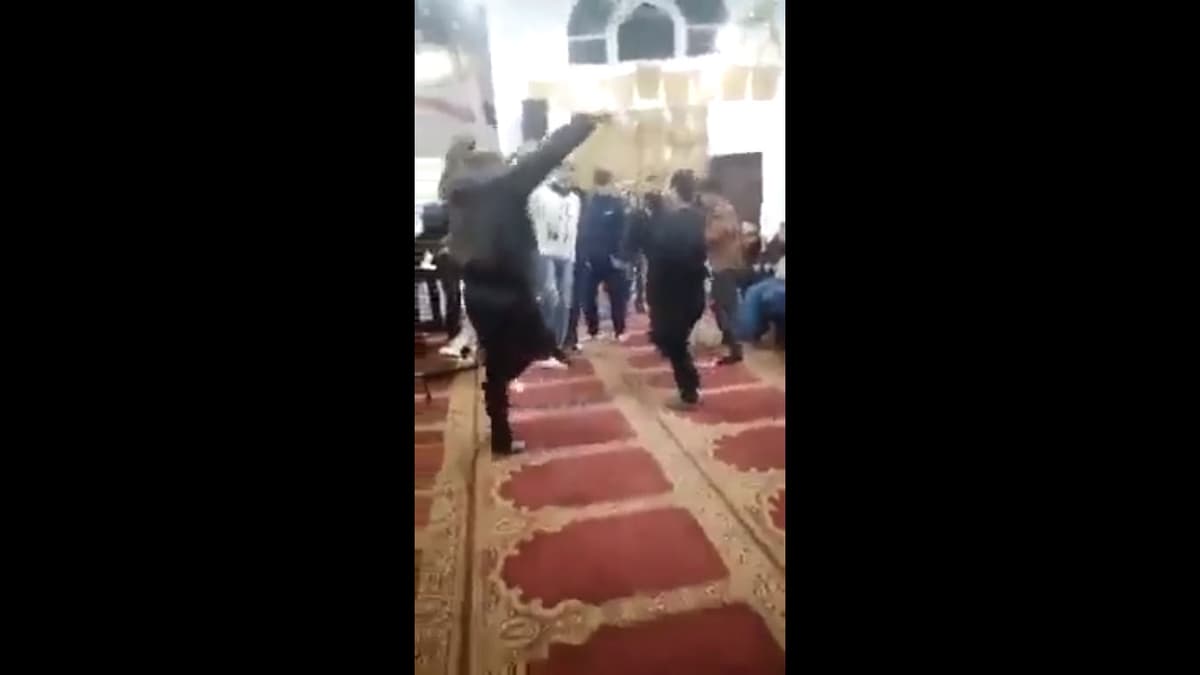
حفل راقص نظمته حماس في أحد مساجد مدينة الخليل في فلسطين المحتلة
Publisher’s rating: تضليل
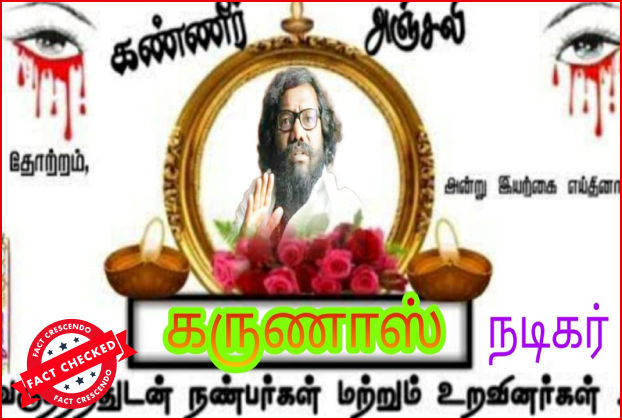
Claim: fake news spreading that actor karunas passes away
Publisher’s rating: FALSE
Le récent voyage de Bernard-Henri Lévy est une mise en scène.
Publisher’s rating: L’image partagée en ligne a été manipulée. Il s’agit d’un photomontage truqué qui circule depuis 2014. La visite de Bernard-Henri Lévy en Ukraine au cours du mois de mars 2022 a été largement documentée.
The claim arose from a circulating photograph said to show Bernard-Henri Lévy posing in a studio, supposedly revealing that he had staged his recent trip to Ukraine and never visited the country. The review identifies the relevant trip as his March 2022 visit, including to Odesa, and distinguishes it from an earlier Ukraine visit that was also accused of being staged. It reports that the image used to make the accusation was manipulated and had already circulated in 2014, accompanied by the same allegation. (S1: “Plus récemment, un cliché relayé en ligne prouverait que sa dernière visite en Ukraine serait en réalité une mascarade.”; “Celle-ci circule d’ailleurs depuis 2014, et était déjà accompagnée du même texte à l’époque.”) The review traces the image’s source to a photograph taken by Emeric Fohlen in Kyiv in 2014. A studio backdrop was added to that original image to create the altered version shared online. Thus, the photo does not document Lévy staging his March 2022 visit: it is an edited image based on an earlier photograph. (S1: “Le cliché qui a servi de base à la photo truquée a été immortalisé par le photographe Emeric Fohlen en 2014 à Kiev.”; “Un décor de studio a été ajouté à l’image originale, ce qui a donné la photo retouchée vue sur les réseaux sociaux.”) The review also points to evidence about the later trip: it says the March 2022 visit to Odesa was documented by photographs showing Lévy in the city, as well as by a report he wrote for Paris Match and an editorial for Le Point. It further reports that image-analysis software revealed edits to the circulated photograph, and that the Monde and AFP had examined it. These reported findings address the specific image and trip behind the claim, rather than establishing that every image or account of the visit was authentic. (S1: “Quant au voyage du philosophe à Odessa en mars 2022, celui-ci a lui aussi été documenté ; plusieurs photos (exemples ici et ici) le montrent arpenter les rues de la ville ukrainienne.”; “Plusieurs logiciels d’analyse de photos permettent en outre de révéler les différentes retouches apportées au cliché partagé en ligne, soulignent Le Monde et l'AFP.”)