PeakMetrics / Fact Checks
Culture & entertainment fact checks
Explore claims publishers have checked about culture & entertainment. Read their original ratings and follow the evidence.
Search fact checks
Search by text or image3,169 published reviews in this topic

बॉलीवुड एक्टर गोविंदा ने बागेश्वर धाम पहुंच कर पंडित धीरेंद्र शास्त्री का आशीर्वाद लिया और वो वहां पर भावुक हो गए।
Publisher’s rating: False

මංජු නිශ්ශංක, නාලක ගොඩහේවා සහ Express Pearl ගැන හුවමාරු වන සටහන් පිලිබඳ කරුණු පැහැදිලි කිරීමක්!
Publisher’s rating: Explainer
The review examines social-media posts suggesting that Manju Nishshanka was the same person as Chamara Gunasekara, whose name arose after Justice Minister Wijeyadasa Rajapakshe said in Parliament that US$250 million had allegedly been credited to a person named Gunasekara in connection with the X-Press Pearl compensation issue. It also addresses posts linking Nishshanka to former state minister Nalaka Godahewa. The review says the claim of shared identity came from Lanka e News posts and was presented there as a possibility, alongside speculation about a bank account and political payments. The review notes that the alleged payment to Godahewa could not be independently verified in the material it describes. [S1: “අධිකරණ අමාත්ය විජේදාස රාජපක්ෂ පවසා තිබුනේ නැව් සමාගම මගින් විශාල වන්දි මුදලක් ශ්රී ලංකා රජයට ගෙවීමෙන් වැලකීමට, අදාළ පාර්ශවයන්ට බලපෑම් කිරීමේ අරමුණින්, ඩොලර් මිලියන 250ක මුදලක්, චාමර ගුණසේකර නම් පුද්ගලයෙකුගේ ගිණුමට බැරකර ඇති බවත්”] [S1: “එහි සඳහන්ව තිබෙනවාටත් වඩා තමන්ට අධ්යාපන සුදුසුකම් ඇති බවත් නිශ්ශංක අප සමග පැවසුවා.”] [S1: “නමුත් එය ස්වාධීනව සත්යාපනය කිරීමට අපහසු කරුණක්.”] To check the identity allegation, Fact Crescendo says it contacted Nishshanka. He denied being Gunasekara, said his name was Manju Nishshanka, and said he did not know Gunasekara, had not sent him money, and had no NatWest account in England. The review reports that Nishshanka supplied copies of his national identity card and passport, which showed the name Manju Nishshanka; it also says he explained that he had legally changed his name from Manjula Nalin Nishshanka. These are the checks and statements the review reports, rather than independent proof of who received the alleged funds. [S1: “ඔහු පැවසුවේ තමාට එල්ලවන චෝදනා සම්පුර්ණ අසත්ය බවයි . එමෙන්ම සිය නම මංජු නිශ්ශංක බවත්, එහි වෙනත් කොටස් නොමැති බවත් ඔහු පැවසුවා.”] [S1: “ඔහුගේ ජාතික හැදුනුම්පතේ සහ ගමන් බලපත්රයේ පිටපත් ලබාගැනීමට ද අපට ලබාදුන් අතර අතර එහි සඳහන්ව ඇත්තේ ද මංජු නිශ්ශංක යන නම පමණයි.”] [S1: “මංජු නිශ්ශංක ගේ නම මුලින් තිබී ඇත්තේ මංජුල නලින් නිශ්ශංක ලෙසයි. ඉන්පසුව තමන් සිය නම “මංජු නිශ්ශංක” ලෙස නිත්යානුකූලව වෙනස් කල බව ඔහු අප සමග අනාවරණය කළා.”] The review distinguishes Nishshanka’s acknowledged political support for Godahewa during an election from the unverified claims about Gunasekara and money. It concludes that it had found no evidence sufficient to establish that Nishshanka and Gunasekara were one person, and says it lacked official information establishing whether a person named Chamara Gunasekara existed. It also cautions that the Lanka e News account relied substantially on assumptions. The review therefore does not establish who received the alleged transfer or settle the underlying compensation allegations. [S1: “කෙසේ වෙතත් තමන් හිටපු රාජ්ය අමාත්ය නාලක ගොඩහේවාට මැතිවරණ සමයේ උදවු උපකාර කල බව මංජු නිශ්ශංක පිළිගත්තා.”] [S1: “සත්ය වශයෙන් ම චාමර ගුණසේකර නමැති පුද්ගලයෙක් සිටිනවා ද නැද්ද යන්න පැවසීමට අපට ප්රමාණවත් තොරතුරු නොලැබුණත්”] [S1: “ඉහත කරුණු පැහැදිලි කිරීමෙන් අප පෙන්වා දී ඇත්තේ මෙතෙක් මංජු නිශ්ශංක සහ චාමර ගුණසේකර යන අය දෙදෙනා එක් අයෙකු බවට පිළිගත හැකි පිළිගත හැකි කිසිඳු සාක්ෂියක් නොමැති බවයි.”]
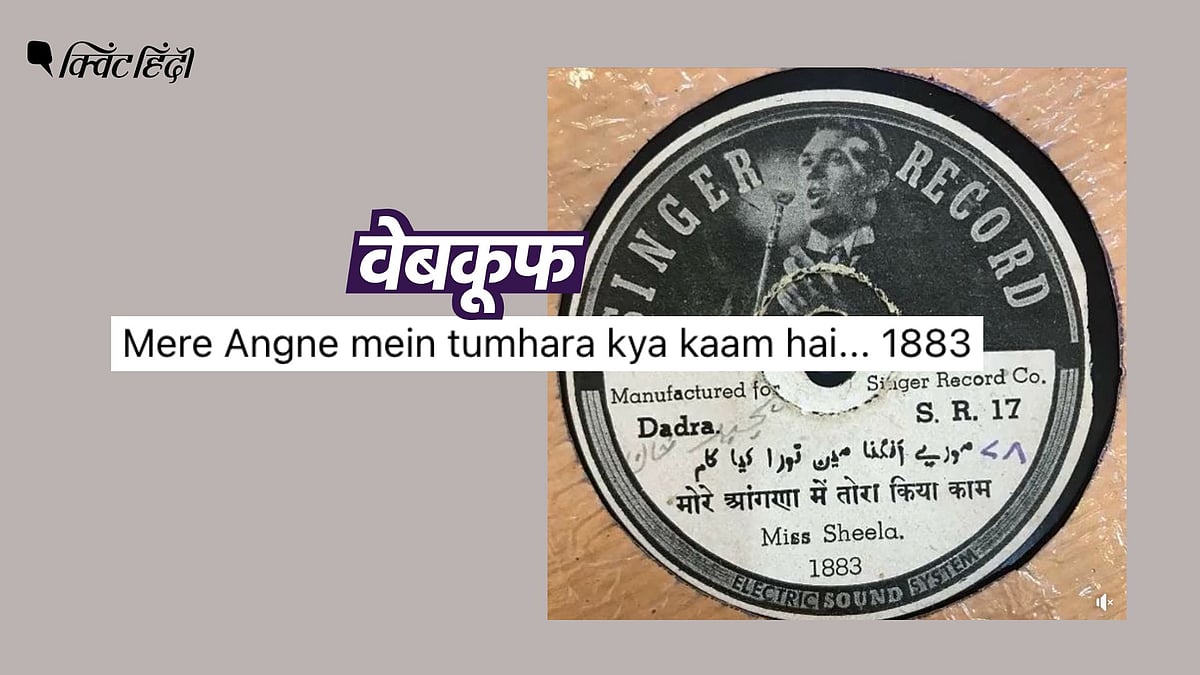
मेरे अंगने में' गाना सबसे पहली बार 1883 में मिस शीला ने रिकॉर्ड किया था
Publisher’s rating: FALSE

A woman with ten kids from ten different men was buried in a Phallus-shaped coffin in Ghana, Africa
Publisher’s rating: MISLEADING
‘সাধুর নগরে বেশ্যা মরেছে’ কবিতা্টি কবি কাজী নজরুল ইসলাম লিখেছেন
Publisher’s rating: মিথ্যা

Céline Dion no casamento do filho oremos por el
Publisher’s rating: Falso

සිය නිදහස ඉල්ලා ජිවිත තර්ජන නොතකමින් නැගී සිට ගීත ගායනා කරනා අරාබි කාන්තාවක්ද?
Publisher’s rating: Explainer

The song “Mere Angane Mein” was originally from a 19th-century movie called ‘Miss Sheela’ (1883)
Publisher’s rating: FALSE
The claim under review is that “Mere Angane Mein” originated in a film called “Miss Sheela,” supposedly released in 1883. FACTLY says it searched film-related websites for a Hindi film by that name and found no evidence that such a film was released in 1883. The review also places the date in the context of Indian film and recording history: it identifies “Alam Ara” as India’s first talkie, released in 1931, and says the gramophone patent came in 1887, while India’s first gramophone voice recording took place in 1902. On that chronology, an 1883 film with songs recorded on gramophone records is implausible. For the song’s provenance, the review reports that “Mere Angane Mein” appeared in “Bombay Talkie” (1970), “Maze Le Lo” (1975), and “Laawaris” (1981), and that sources it consulted describe it as a traditional folk song popular in Uttar Pradesh and other regions. It does not identify a specific original folk performer or establish when the song first existed, so those details remain unresolved in the excerpt. The review also offers a possible explanation for the “Miss Sheela” and “1883” association: it says the name may refer to the singer and the number to a record’s matrix number, rather than a film title and release year. This is presented as a likelihood, not a confirmed identification. FACTLY says it had contacted gramophone-record experts for further information; the supplied text does not include their response. Its central conclusion is therefore that the alleged film origin is unsupported, while the folk-song account is the explanation the review reports from its research.

Origami Hearts Display at Angkor Wat.
Publisher’s rating: False

Damitha Abeyaratne Extending Avurudu Wishes To Mahinda Rajapaksa!
Publisher’s rating: False
The claim concerns a photograph of a woman greeting former president Mahinda Rajapaksa for Avurudu. The review says the image circulated on WhatsApp, Facebook and some websites with the claim that the woman was actress Damitha Abeyratne, an activist during the “GotaGoGama” protests. Its investigation found the photo in an album showing people visiting Rajapaksa’s residence during Sinhala and Tamil New Year; the excerpt does not specify the year of that visit. To check who was pictured, the publisher reports contacting Manoj Gamage, identified as the Presidential Legal Director and visible in the photograph’s background, and Rajapaksa’s official photographer, who said he took the picture. Both identified the woman as someone other than Abeyratne; the photographer described her as a lawyer and said Abeyratne did not attend. The review also says Abeyratne confirmed she had not visited Rajapaksa’s premises for the New Year and said the woman pictured was someone else. The investigation therefore distinguishes the actual visit shown in the photograph from the viral identification: a woman did greet Rajapaksa, but the sources cited by the review say she was not Abeyratne. The publisher’s conclusion is that the photograph does not show Abeyratne extending those wishes.
A photo shows Cambodians throwing water on passengers during Khmer New Year Festival in the past years.
Publisher’s rating: Misleading
The National Gallery is removing a van Eyck painting from 1434 following complaints that its subject “resembles Vladimir Putin”.
Publisher’s rating: False: Jan van Eyck’s 1434 painting The Arnolfini Portrait remains on display in room 28 of the National Gallery in London and there are no plans to remove it. The National Gallery is also unaware of any complaints over the painting.

Het woord wentelteefjes mag niet meer worden gebruikt.
Publisher’s rating: Het gedeelde bericht komt van een satirische website en moet dus niet serieus worden genomen. De bron die in het artikel wordt aangehaald is bovendien verzonnen.
The review examined a social-media claim that “wentelteefjes” was considered offensive and that the dish would be renamed. It traced the claim to a screenshot of a Nieuwspaal article originally dated 5 May 2022. The review identifies Nieuwspaal as a satire site and says its purpose is to entertain or prompt thought; it also points to jokey headlines on the site as an indication of that satirical character. The review checked the article’s named source, the “Feministisch Platform Nederland” (FPN), and the purported spokesperson, “Wimmelien Ruch.” It reports that it could not find an online platform under that name, that similarly abbreviated feminist organizations it found were not Dutch organizations, and that Ruch and FPN appeared only in an earlier Nieuwspaal article. The review notes that the earlier article gave Ruch a different first name, Willemien. These checks support its conclusion that the article’s cited initiative and spokesperson were invented, rather than evidence of an actual decision to rename the dish. The review separately addresses the word’s possible connection to “teef,” a term for a female dog that can also be used disparagingly about women. It says the word “wentelteefje” is attested at least as early as 1623 and that etymological dictionaries describe “teef” in the dish’s name as a distortion of a type of pastry; it gives “appelteef” as another historical example. It also notes a separate Frisian name for the dish, but does not present that as evidence of a current renaming proposal.

The child from the movie Jerry Maguire now looks older than Tom Cruise in their latest photo together
Publisher’s rating: FALSE
The claim concerns a viral collage said to show the child actor from Jerry Maguire reunited with Tom Cruise as an adult, now appearing older than Cruise. The investigation found that the two images do not show the same person: the 1996 film still shows child actor Jonathan Lipnicki, while the other image shows filmmaker Christopher McQuarrie. The apparent comparison therefore rests on a mistaken identification, not a recent photo of Lipnicki with Cruise. To check the images, the review says it used a reverse image search on Yandex. The search for the upper image led to an article featuring the same photo; the review also notes that Lipnicki shares current pictures on Instagram. It then identifies the man in the lower image as McQuarrie, who directed two Mission: Impossible films and was directing two further instalments starring Cruise. The review traces the lower photo to the 2018 world premiere of Mission: Impossible—Fallout in Paris and says the image is available on Getty Images. That provenance supports its identification of the man as McQuarrie, rather than Lipnicki. The claim’s key premise—that the adult in the bottom photo is the child from the film—is thus contradicted by the review’s identification of the two different people.
រូបថតការលេងជះទឹកនៅកម្ពុជាអំឡុងពិធីបុណ្យចូលឆ្នាំថ្មីកាលពីអតីតកាល។
Publisher’s rating: Misleading

Pakistani-American actress and model Saeeda Imtiaz died.
Publisher’s rating: False
The claim concerned Pakistani-American actress and model Saeeda Imtiaz, after posts on her verified Facebook and Instagram accounts said she had died. The review reports that those posts appeared on 18 April 2023 and purported to announce that she had been found dead in her room. Their wording was signed “Admin,” rather than by family members, and the posts were later deleted. The review says that, as news of the apparent death spread, reports also emerged that Imtiaz’s accounts had been hacked. Her legal advisers then debunked the claim, and Imtiaz made a video statement saying she was alive and well. She attributed the false announcement to the hacking and described waking to calls and messages from people worried about her. The account in the review therefore links the death report to unauthorized posts, not to a confirmed death. The review also notes that multiple outlets repeated the death report after seeing the Instagram story. It says some outlets and media pages still had those reports available when the fact-check was published, even after Imtiaz and her team clarified the situation. The excerpt supports the conclusion that the original death announcement was false and explains how it spread; it does not provide technical details about how the accounts were compromised.
Pakistani-American actress and model Saeeda Imtiaz died.
Publisher’s rating: False
The claim was that Pakistani-American actress and model Saeeda Imtiaz had died. The review traces the rumour to posts on her verified Facebook and Instagram accounts on 18 April 2023, which said she had been found dead in her room. It notes that the announcement was signed “Admin,” not by Imtiaz’s family, and says the posts were later deleted. The review reports that the accounts had been hacked and that the death announcement was false. (S1: “On 18 April 2023, Pakistani actress Saeeda Imtiaz’s verified Facebook and Instagram accounts shared news claiming that Imtiaz had passed away. The post reads, ‘With a heavy heart, we are saddened to inform you that Saida Imtiaz passed away this morning as she was found dead in her room. Rest in peace.’ The post was signed ‘Admin’, not Imtiaz’s family members. The post was later deleted”) The review describes two direct responses to the rumour: Imtiaz’s legal advisors debunked it, and Imtiaz later made a video statement saying she was alive and well. In that statement, she attributed the false death announcement to the hacking of her social-media accounts. The review also recounts that she said she woke to calls and messages from concerned people and that the rumour caused panic among her mother and siblings. (S1: “Later in the day, Imtiaz’s legal advisors debunked the claim. Then, in a video statement, Imtiaz debunked the false news, stating she is alive and well and said the announcement of her death was the result of her social media accounts being hacked. She describes waking up on Tuesday morning to an onslaught of calls and text messages from people concerned for her well-being, adding that the circumstance put her in a state of shock. The rumours also sent her siblings and mother, who do not live with her, into a state of panic.”) The review’s conclusion is that Imtiaz did not die: hackers used her accounts to post the false story. It also says some outlets reported her apparent death after seeing the Instagram story, and that several outlets’ reports remained available even after Imtiaz and her team clarified the news. (S1: “Conclusion: Actress Saeeda Imtiaz did not die. Her Instagram account was hacked and the hackers posted a false story claiming she passed away.”)

99 साल की आयु में अदाकारा वैजयंती माला डांस कर रही हैं।
Publisher’s rating: False

Bollywood actor Akshay Kumar supported Palestine through multiple video messages
Publisher’s rating: FALSE
The claim concerns several videos circulated as messages in which Bollywood actor Akshay Kumar supports Palestine. The review examines three such videos and reports that each uses footage from a different, non-Palestine source, with dubbed audio substituted to make it appear that Kumar is speaking in support of Palestine. It also notes that, in all three, the audio does not match his lip movements. The reported findings therefore address the videos themselves, rather than establishing that Kumar made the statements attributed to him in them. For the first video, the review says a reverse image search of keyframes led to a June 2022 news article. It identifies the source footage as an Instagram video in which Kumar wished the team of the film *Jugg Jugg Jeeyo* well. The review reports that the circulated version had a filter and added text, as well as replacement audio. For the second, reverse image searches led to 2020 articles containing screenshots of a video Kumar reportedly posted about drugs in Bollywood; the review says that footage was cropped, overlaid with text, and dubbed. For the third, the review says it found an unedited version on Twitter and traced the original to the Mumbai Traffic Police’s official Twitter account, which posted it in January 2023. In that footage, Kumar gives five road-safety pointers. The review’s account of the different original subjects, along with its observation about audio and lip movements, explains how the videos could misleadingly present him as making statements he did not make in the original recordings.