PeakMetrics / Fact Checks
Culture & entertainment fact checks
Explore claims publishers have checked about culture & entertainment. Read their original ratings and follow the evidence.
Search fact checks
Search by text or image3,169 published reviews in this topic

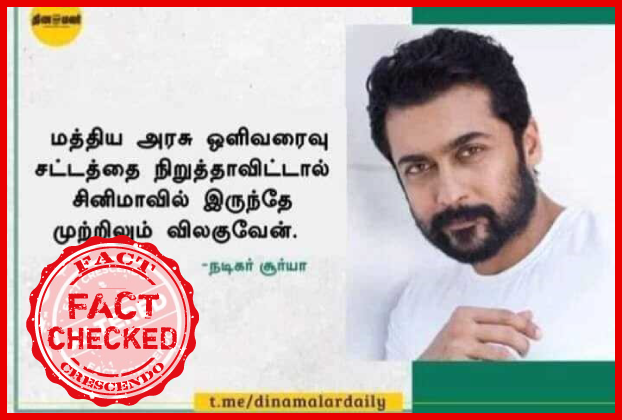
Claim: Actor Surya not warned to quit from acting
Publisher’s rating: False

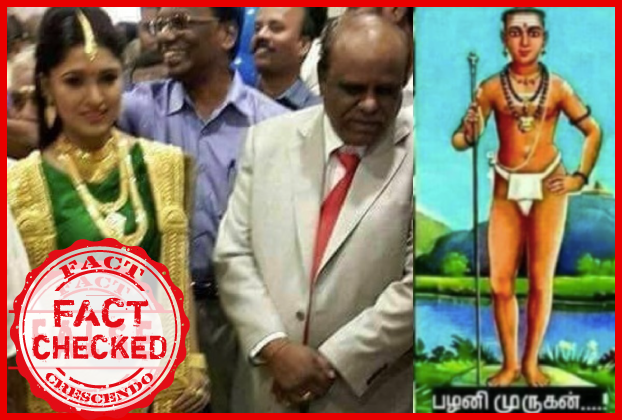
Claim: Actress Vani Bhojan picture shared as Palani Panchamirtha dealer daughter
Publisher’s rating: False
The claim concerned a photo circulating as the daughter of a Palani Panchamirtha dealer. Fact Crescendo says the post paired images of Palani Murugan and the supposed dealer’s daughter, with text accusing someone of profiting from a deity. The review examined the image rather than accepting the caption as its provenance: it noted that the woman appeared beside Justice C. S. Karnan and that the setting looked like an opening ceremony.
ഒരു ദിവസം ഷൂട്ടിംഗ് ലൊക്കേഷനില് പാര്ക്ക് ചെയ്തിരുന്ന തന്റെ വണ്ടി ഒരു കൊച്ചു കുട്ടി തുടയ്ക്കുന്നത് അക്ഷയ് കുമാര് കണ്ടു. അക്ഷയ് കുട്ടിയെ വിളിച്ച് അടുത്തിരുത്തി അവന്റെ അച്ഛനമ്മമാരെ കുറിച്ച് അന്വേഷിച്ചു. പക്ഷെ കുട്ടിക്ക് അവരെ കുറിച്ച് ഒരു ഓര്മ്മയും ഇല്ലായിരുന്നു. അക്ഷയ് ആ കുട്ടിയെ ഒരു ബോര്ഡിങ്ങില് ആക്കി അവന്റെ പഠനം നടത്താനുള്ള ഏര്പ്പാടുകള് ചെയ്തു.
Publisher’s rating: MISLEADING

India got its name from the British, after Independence and its full form is ‘Independent Nation Declared In August’
Publisher’s rating: FALSE
The claim reviewed is that the British named India after Independence and that “India” is an acronym for “Independent Nation Declared In August.” The review rejects both parts, giving a historical account of the name’s origin and noting evidence of its use before Independence. The review traces “India” to the Indus, called Sindhu in Sanskrit. It says Iranians and Greeks familiar with the river called it “Hindos” or “Indos,” and that the land east of the river came to be called India. It also describes the Greeks’ adoption of the name through Persian knowledge of “Hind,” and says that by Alexander’s invasion in the third century BCE, India was associated with the region beyond the Indus. This account is incompatible with the claim that the name was coined by the British after Independence or derived from the proposed acronym. For the British-era chronology, the review cites historian Ian J. Barrow’s account that British maps increasingly used “India” from the late 18th century. It further points to British Parliament legislation from the 19th and 20th centuries, before Independence, as evidence that the term was already in use. The review also notes that Article 1 of the Constitution says, “India, that is Bharat, shall be a Union of States.”
This quote is from Kenyan author Ngugi wa Thiong'o
Publisher’s rating: FALSE

ସୀତା-ଅବତାରରେ ସୀତାଙ୍କ ଭୂମିକା ପାଇଁ କରୀନା କପୁରଙ୍କ ନିକଟକୁ ଯାଇଥିଲେ
Publisher’s rating: FALSE

బ్రిటీషర్లు టిప్పు సుల్తాన్ వీరత్వం గురించి తెలుపుతూ తీసిన షార్ట్ ఫిలింలోని దృశ్యాలు
Publisher’s rating: FALSE

కడప జిల్లా తవ్వకాలలో బయటపడ్డ పురాతన నంది విగ్రహం యొక్క ఫోటోలు
Publisher’s rating: FALSE
পরীমনি ইস্যুতে চলচ্চিত্র শিল্পীদের জরুরী বৈঠক ও সিনেমা করার নিষেধাজ্ঞা
Publisher’s rating: Misleading
Felix Orinda also known as Dj Evolve is not dead
Publisher’s rating: FALSE

పోర్చుగీస్ నావికుడు వాస్కోడగామా కంటే ముందే గ్రీసు రాజు అలెగ్జాండర్ భారతదేశంకి మార్గం కనుగొన్నాడు
Publisher’s rating: MISLEADING
A photo claiming that Mr Bean is dead.
Publisher’s rating: FALSE
ইত্যাদি’র জনপ্রিয় অভিনেতা নাতি মারা গেছেন
Publisher’s rating: Misleading