PeakMetrics / Fact Checks
Crime & justice fact checks
Explore claims publishers have checked about crime & justice. Read their original ratings and follow the evidence.
Search fact checks
Search by text or image6,854 published reviews in this topic

Va llevar a Rodrigo Rato a la cárcel por 90.000 euros
Publisher’s rating: Falso
The claim came from Esperanza Aguirre’s comments in an interview on Telemadrid. She said the sentence might send Rodrigo Rato to prison “por 90.000 euros,” referring to what she said he had spent on his opaque bank card. The review says that this misstates both the amount and the basis of his conviction. According to the review’s account of the Supreme Court ruling on the Caja Madrid and Bankia “black” cards, Rato was sentenced to four and a half years in prison for continued misappropriation. His card spending was 99,054.59 euros—not 90,000 euros. The review also says the judges attributed greater responsibility to Rato because he led the institution and maintained and expanded the irregular card-spending system. Thus, the review’s explanation is not simply that the quoted amount was imprecise: it says Rato was not convicted on the basis Aguirre described, and that the actual amount was different. It cites the Supreme Court judgment on the cards as its source.

நீங்கள் வண்டி ஓட்டும் போது உங்களிடம் ஓட்டுநர் உரிமம் மற்றும் வண்டியின் ஆவணங்கள் இல்லையென்றால் அபராதம் கட்ட தேவை இல்லை . சட்டப்படி உங்கள் ஆவணங்களை சமர்ப்பிக்க பதினைந்து நாட்கள் அவகாசம் உள்ளது. ஆவணங்களை சமர்ப்பித்த பிறகு உங்கள் அபராத செலுத்துச் சீட்டு ரத்து செய்யப்படும்.
Publisher’s rating: Fake
குழந்தையை கடத்தி செல்வதாக நினைத்து 2 வயது மகளுடன் சென்ற தந்தையை பொதுமக்கள் பிடித்து சரமாரியாக தாக்கி உள்ளனர்.
Publisher’s rating: True
என்னை ஆஜராக உத்தரவிடும் அதிகாரம் சென்னை உயர் நீதிமன்றத்திற்கு இல்லை- ஹெச்.ராஜா
Publisher’s rating: Mix
இந்தோனேசியாவின் பாலி விமான நிலைய அலுவலகத்தில் வட இந்திய பெண் ஒருவர் பணியில் இருந்த அதிகாரி ஒருவரை கன்னத்தில் அறைந்ததால் 3 ஆண்டுகள் சிறைத்தண்டனை பெற்றுள்ளார். விமானத்திற்கு சரியான நேரத்திற்கு செல்ல அதிகாரிகள் அனுமதிக்காத காரணத்தினால் கோபத்தில் அதிகாரியை அறைந்துள்ளார். அவருக்கு ஜாமீனும் மறுக்கப்பட்டுள்ளது.
Publisher’s rating: Mix
"While we have more people in jail than any country, we are beginning to make progress on criminal justice reform"
Publisher’s rating: True.
Chemnitz: Neben Daniel H. zweiter Mann durch Messerstiche getötet
Publisher’s rating: Falsch. Es gab keinen zweiten Todesfall. Auch wies die Polizei Gerüchte zurück, dass Daniel H. durch deutlich mehr Messerstiche als bekannt getötet worden sei.
Chemnitz: Plakat zeigt deutsche Frauen, die Gewaltopfer von Ausländern wurden
Publisher’s rating: Falsch. Das Plakat zeigt bis auf eine Ausnahme tatsächlich Gewaltopfer, allerdings ist kein einziges deutsches Opfer von Ausländergewalt dabei.

The Philippine National Police (PNP) on Wednesday, August 22, announced in a press briefing that Naga City is the top 5 city in terms of crime volume.
Publisher’s rating: Asked for the data that PNP chief Albayalde cited, the PNP spokesperson Senior Superintendent Benigno Durana supplied Rappler with the data on murder, homicide, rape, robbery, and theft. Upon examination, the PNP's data on cities turned out to be unsorted. They were not arranged based on crime volume but by region. Naga City is in Bicol or Region 5. This is why Albayalde read as supposed top 4 the cities of regions southward from Cagayan Valley: Santiago is in Region 2, Angeles and Zambales are in Region 3, and Puerto Princesa is in Region 4-B.
சமீபத்தில் ஆஸ்திரேலியாவில் நடந்த கொலை சம்பவத்தில் இந்தியப் பெண் தன் கணவருக்கு ஆப்பிள் விதைகளை பொடியாக்கி கொடுத்து கொன்றுள்ளார். இந்த வழக்கில் கைதாகிய பெண் மற்றும் அவரது காதலருக்கு 22 மற்றும் 25 ஆண்டுகள் சிறைத்தண்டணை அளிக்கப்பட்டுள்ளது. ஆப்பிள் விதைகள் பற்றி தகவல் தேடுகையில் அதில் சயனைடு இருப்பது தெரியவந்துள்ளது. நாம் உடலுக்கு நல்லது என்று உண்ணும் ஆப்பிள் விதையில் உடனடியாக உயிரைப் பறிக்கும் சயனைடு கலவை உள்ளது என்ற தகவல் பலரும் அறியாமல் உள்ளனர்.
Publisher’s rating: Fake
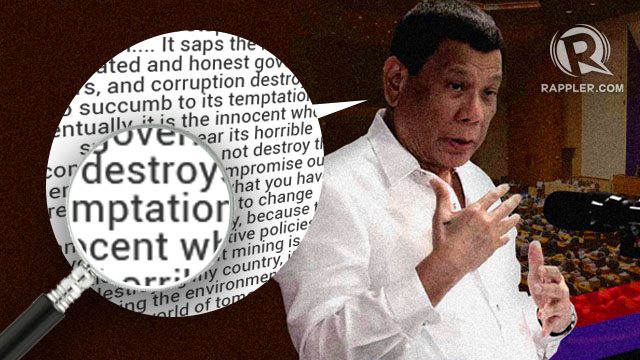
Time and again, I have stressed that corruption must stop. Corruption is like a leech that it bleeds the government of funds programmed for its infrastructure and other social development projects. It saps the morale or the morale of dedicated and honest government workers. Corruption destroys those who succumb to its temptation and eventually it is the innocent who will suffer and bear its horrible consequences. The love of money is corrosive. And sadly, the desire to make the easy kind by being imaginative and manipulative, corrupts absolutely. Stolen wealth does not make the thief respectable. Neither will the trappings of wealth mask [nor] cap the stink that thievery exudes. One day, justice will catch up with those who steal government funds. And when that day comes, it will be the public who will have its retribution.
Publisher’s rating: Duterte's tough stance on corruption has cost many government officials their jobs but at least 16 officials who have been accused of corruption or abuse of public funds were reappointed, retained in another capacity, or promoted within the government.
Sadly, I have yet to hear really howls of protest from the human rights advocates and church leaders against drug-lordism, drug dealing and drug pushing as forceful and vociferous as the ones directed against the alleged errant [law] enforcers in the fight against this social scourge... Your concern is human rights, mine is human lives. The lives of our youth are being wasted and families are destroyed, and all because of the chemicals called shabu, cocaine, cannabis, and heroine.
Publisher’s rating: Various rights groups, including the Commission on Human Rights, aren't dismissing the problem of illegal drugs in the Philippines. What they outright condemn is the bloody drug war which has led to the death of at least 4,540 drug suspects in anti-drug operations. CHR Chairperson Chito Gascon said: “These calls and other public protestations are not meant to stop government from doing its job to serve and protect the people but rather are appeals for our public authorities to always adhere to law and the highest standards of professionals." Caloocan Bishop Virgilio Pablo David, meanwhile, said Duterte's statement "implies that the victims of drug-related killings are not human lives! Is not the right to life the most basic human right?"
Our re-energized relations with China has also led to an unprecedented level of cooperation between our nations on the war against transnational crimes. Our shared intelligence led to the discovery and dismantling of the clandestine shabu laboratories and the arrest of Chinese chemists [connected] with the Dragon organization called Wu Syndicate.
Publisher’s rating: During his state visit to Beijing last October 2016, President Duterte signed a Memorandum of Understanding (MOU) on the cooperation between the Philippine Drug Enforcement Agency and the Office of the Narcotics Control of the Ministry of Public Security of China. The MOU states that both parties “agree to enhance exchange of intelligence, know-how and technology-sharing on fighting against drug crimes, preventive education and rehabilitation facilities.” In April, joint elements of the Philippine Drug Enforcement Agency (PDEA), the Philippine National Police (PNP), and the Armed Forces of the Philippines (AFP) nabbed members of the notorious Dragon Wu International Drug syndicates in Malabon, Marikina, and Batangas. The syndicate had set up shabu laboratories in these areas, equipped with various laboratory equipment and manned by chemists. According to PDEA Director General Aaron Aquino, the raids marked the first time in Philippine history “that a clandestine ecstasy laboratory was closed down.”
சோரபுதீன் கொலை வழக்கில் 2010-ல் அன்றைய உள்துறை அமைச்சர் அமித் ஷாவும், வன்சாரா, ராஜ்குமார் பாண்டியன் போன்ற ஐ.பி.எஸ் அதிகாரிகளும் கைது செய்யப்பட்டனர். குஜராத்தில் உள்துறை அமைச்சராக இருந்த போது இதற்காக பதவி விலகிய அமித் ஷா உடனடியாக மத்திய புலனாய்வு துறையினரால் கைது செய்யப்பட்டு மூன்று மாதம் சபர்மதி சிறையில் இருந்தார்.
Publisher’s rating: True