PeakMetrics / Fact Checks
Crime & justice fact checks
Explore claims publishers have checked about crime & justice. Read their original ratings and follow the evidence.
Search fact checks
Search by text or image6,854 published reviews in this topic



Claim woman arrested for kidnapping children at Pali, Rajasthan
Publisher’s rating: FALSE

Claim video claiming Delhi police arresting Shehla Rashid recently for speaking against BJP Govt.
Publisher’s rating: FALSE
An der Oberschule «An der Schanze» in Luckau (Brandenburg) soll eine 20-köpfige Gruppe ein Mädchen «ins Gebüsch gezogen, geschlagen und in Gesicht getreten» haben. Das wird in einem Facebook-Beitrag behauptet. Ein 16-Jähriger sei zudem so schwer verletzt worden, dass er im Krankenhaus behandelt werden musste, heißt es weiter.
Publisher’s rating: Unterschiedliche Vorfälle werden hier miteinander vermischt. Eine Attacke auf ein Mädchen in einem Gebüsch hat es laut Polizei nicht gegeben.

Video of a Hindu girl who was brutally beaten by her Muslim husband
Publisher’s rating: FALSE
The claim attached to the circulating video was that it showed a Hindu girl brutally beaten by her Muslim husband. FACTLY’s review identifies the woman in the video as a Pakistani-Italian woman who experienced domestic violence, rather than as the Hindu girl described in the post. The accompanying social-media caption framed the footage as a warning to Hindu women about relationships with Muslim men, but the review’s identification of the woman does not support that framing. To trace the footage, the review says it used the InVid plugin to obtain keyframes and then performed reverse-image searches. One keyframe led to the same video in a post by Twitter user Aurora Borealis. The review also followed a comment thread to journalist Iqrar ul Hassan Syed’s earlier posts, which identified the woman as Italian of Pakistani origin and named her husband as Ali Jaber Moti. These steps connect the viral footage to reporting about the woman’s case, rather than establishing the religious identity asserted in the caption. The review further reports that Syed’s post included a copy of an FIR filed against the husband at Darakhshan Police Station in Karachi. It says Samaa TV reported that the incident had been brought to light by Syed and had come to the attention of Italian Ambassador Stefano Pontecorvo. According to the review, Pontecorvo said the Italian Consulate was handling the matter and had rescued the woman, while her husband remained at large. Taken together, the reported identification and case details show why the video’s caption misidentified the woman and the setting.
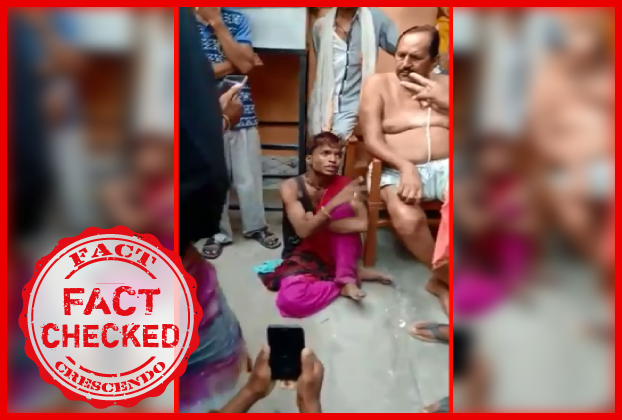
Claim child kidnapper caught in Mauranipur Uttar Pradesh
Publisher’s rating: FALSE
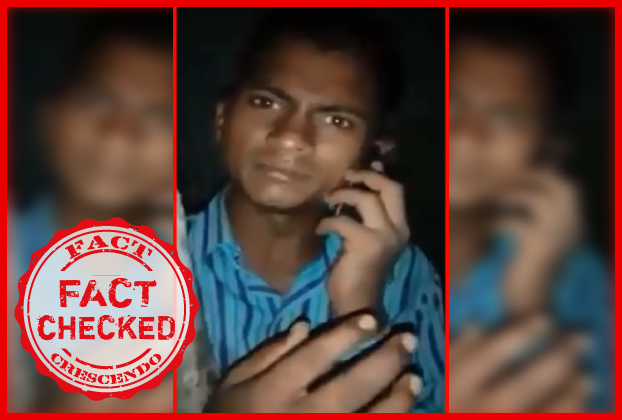
Claim video of teenager claiming that he is a child lifter
Publisher’s rating: FALSE

Claim video claiming torture on Muslims in India
Publisher’s rating: FALSE

సీబీఐ దాడులలో NDTV చీఫ్ ప్రణయ్ రాయ్ అసలు పేరు పర్వేజ్ రాజా అని, జన్మస్థలం కరాచీ అని పత్రాలు దొరికాయి.
Publisher’s rating: FALSE
Der Fall einer angeblich verschwundenen 45-Jährigen aus dem thüringischen Ilmenau wird derzeit im Netz verbreitet. Es heißt, die Polizei habe die Frau aus dem Orsteil Manebach bisher noch nicht gefunden - und bitte um Hinweise.
Publisher’s rating: Die Frau war im Dezember 2018 nach wenigen Tagen wieder aufgetaucht. Es gibt keinen Suchaufruf der Polizei mehr.
Veronica Koman disebut telah menyebarkan informasi tentang penculikan mahasiswa di Asrama Papua di Surabaya
Publisher’s rating: Sesat

Claim gang accused of child kidnapping in transport nagar
Publisher’s rating: FALSE
Polres Kabupaten Tangerang menyebarkan pesan tentang modus penggunaan obat Progesterex dalam pemerkosaan
Publisher’s rating: Keliru

網傳最新犯罪手法,在中油加油時收下廣告名片後不醒人事?
Publisher’s rating: 錯誤
The warning described a young driver accepting an advertising card from a stranger at a CPC gas station, then becoming dizzy and unconscious. It attributed this to “BURUNDANGA” on the card and claimed the substance could be spread by touch. The review checked whether Taiwan’s police had issued the warning or received reports of such cases, traced the story’s earlier circulation, and consulted drug-related sources and experts about the substance and alleged exposure route. Taiwan’s National Police Agency told the review that the 165 anti-fraud hotline had not sent the message and had received no similar cases. The review also traced the account to a rumor circulating in the United States in May 2008, rather than identifying it as a documented incident in Taiwan. It reports that Snopes found no contemporaneous US news reports of the described event and judged the account untrue; its investigation also found that the claimed effects did not match the substance’s reported properties. The review’s pharmacological evidence further undermines the card-touch explanation. A pharmacist said “BURUNDANGA” is not a formal drug or ingredient name, and that the claim’s description of a strong-smelling substance as odorless was contradictory. Another pharmacist said scopolamine can cause drowsiness in large oral doses, but would not cause instant unconsciousness or act immediately through touching a card. The review therefore concludes that the alleged exposure and effects do not fit the substance described, and that the warning is false.

Claim video claiming Dy. CM Keshav Maurya's nephew beating a Sikh
Publisher’s rating: FALSE