PeakMetrics / Fact Checks
War & conflict fact checks
Explore claims publishers have checked about war & conflict. Read their original ratings and follow the evidence.
Search fact checks
Search by text or image5,848 published reviews in this topic

9/11 ట్విన్ టవర్స్ పేలుళ్లతో లాడెన్ కు ఎటువంటి సంబంధం లేదని తేల్చి, అమెరికా క్షమాపణ చెప్పింది
Publisher’s rating: FALSE
Video of ISIS terrorist with kidnapped woman shot dead by Spanish police sharp shooters
Publisher’s rating: FALSE
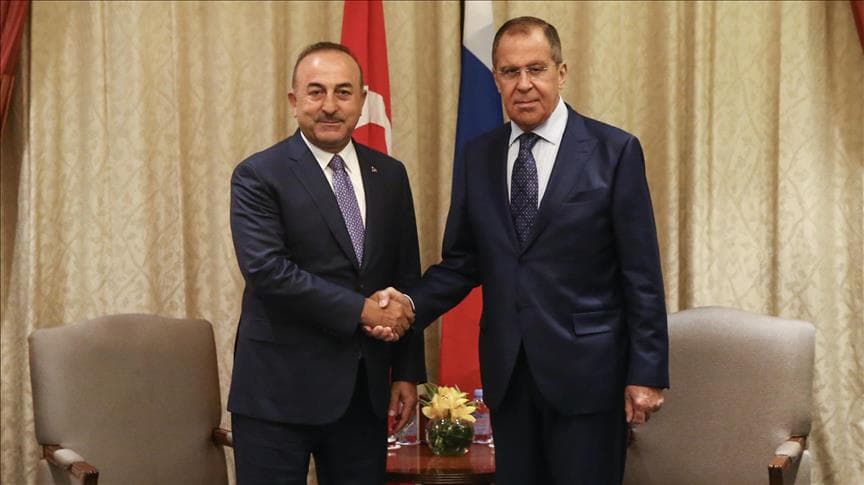
وزير الخارجية الروسي قال إنه اتفق مع نظيره التركي على "تأسيس منطقة خالية من الوجود العسكري في إدلب"
Publisher’s rating: خطأ
মুসলিম সেজে ১০ বছর ISIS কে পরিচালনা করেছেন এই CIA কর্মকর্তা
Publisher’s rating: False
“El conflicto mapuche no es de los últimos 20 años, lleva más de 500 años”
Publisher’s rating: Impreciso

Video of Werewolf hit by Pakistan Army near India-Pakistan border
Publisher’s rating: FALSE
The claim concerned a video said to show a werewolf hit by the Pakistan Army near the India-Pakistan Sialkot border. FACTLY investigated the video and concluded that the creature was not real: it was a practical-effects sculpture made by artist Joseph-Rob Cobasky for the film *Unsanctified*. The review describes a reverse-image search of screenshots from the video. That search found an Instagram post by robcobasky published on 27 November 2020, showing the same visuals. FACTLY also reports that Cobasky’s account contained several posts featuring the werewolf. This links the circulating video’s imagery to the artist’s work rather than to a real border incident. The review further cites a YouTube video in which Cobasky discusses making monster sculptures and special effects, and a statement from the production studio Tremulous Motion Pictures identifying him as the creator of the werewolf for *Unsanctified*. The evidence presented identifies the creature as a film effect; the excerpt does not describe independent verification of a Pakistan Army encounter.

FACT CHECK: අනුර සමඟ පාස්කු ප්රහාරයේ බෝම්බකරුවෙක්?
Publisher’s rating: False
The allegation concerned a photograph of a man with JVP leader Anura Kumara Dissanayake. Social media posts identified the man as a suicide bomber in the 2019 Easter attack on Colombo’s Shangri-La hotel. The review says the image had circulated since 2019 and was shared again in 2021. The question it investigated was whether the pictured man was actually one of the attackers. The investigation identified the man as S. Pajeer, a JVP activist from Muttur. The party’s media secretary told the publisher that Pajeer had been a JVP organizer in Thoppur in 2019. The review also reports that Pajeer himself said the image was his, had been misused after the Easter attack, and was taken with Dissanayake at an event in Trincomalee. He said he complained to Muttur police in April 2019 after the image was used to portray him as a terrorist. The review contrasted this identification with the attackers identified for the Shangri-La bombing: Mohamed Kasim Mohamed Zahran and Mohamed Ibrahim Ilham Ahmed. It also says the pictured man was not mentioned in photographs of the suicide bombers shown at a police media briefing. Together, the reported identification of Pajeer, his account of the photograph and complaint, and the review’s account of the identified bombers rebut the social-media claim that he was the Shangri-La bomber.

గల్వాన్ నది పై బోర్డర్ రోడ్స్ ఆర్గనైజేషన్ నిర్మించిన 600 మీటర్ల పోడువైన వంతెన యొక్క ఫోటో
Publisher’s rating: MISLEADING
An image posted on Facebook claiming to show a three-year-old girl killed during airstrikes in Gaza.
Publisher’s rating: FALSE

"It is very strange that there are dozens of news [stories] that began to escalate about Ethiopia's readiness to launch a nuclear strike on Egypt, especially after the escalation of the Renaissance Dam crisis at unprecedented rates"
Publisher’s rating: Ethiopia doesn't possess nuclear weapons.

మోదీ ప్రధానమంత్రి అయిన తర్వాత దేశంలో ఒక్క బాంబ్ బ్లాస్ట్ కూడా జరగలేదు
Publisher’s rating: FALSE
Video shows Israel’s Iron Dome missile defense system engaged in military combat.
Publisher’s rating: False
Foto yang diklaim menunjukkan Masjid Al Aqsa yang dibom oleh Israel
Publisher’s rating: Keliru

ಪ್ಯಾಲೆಸ್ಟೀನಿಯಾದವರು ಮಾಧ್ಯಮಗಳಿಗೆ ‘ಶವಗಳು’ ಎಂದು ಬಿಂಬಿಸುವ ವಿಡಿಯೋ.
Publisher’s rating: FALSE

ಇಸ್ರೇಲ್ ಸೈನ್ಯ ಜೆರೂಸೆಲಂ ನಗರದಲ್ಲಿನ ಅಲ್ –ಅಕ್ಸಾ ಮಸೀದಿಯನ್ನು ವಶಪಡಿಸಿಕೊಂಡಿರುವ ದೃಶ್ಯಗಳು.
Publisher’s rating: FALSE
Video yang diklaim sebagai video sistem persenjataan Israel bekerja saat mencegat serangan Hamas
Publisher’s rating: Keliru

Recent photos of a Palestinian man who has survived a bullet shot from the Israeli forces at Al-Aqsa Mosque in Jerusalem
Publisher’s rating: FALSE
The claim concerns a collage presented as recent photos of a Palestinian man who survived a bullet shot by Israeli forces during clashes at Al-Aqsa Mosque in Jerusalem. FACTLY’s review identifies the man in the photos as Sheikh Mohammed Obaid Al-Rawi of Fallujah, Iraq, and says he was shot during 2014 clashes between clan revolutionaries and Iraqi government troops—not during the recent Israel-Palestine clashes referenced in the post. The review describes its image check: a reverse image search found similar photos in a 2014 Al Arabiya article. According to FACTLY’s account of that article, Al-Rawi was hit in the head while returning from evening prayers in Fallujah. The bullet did not penetrate his head, and the photos were taken while he was receiving treatment at Fallujah General Hospital. These details place the images in Iraq and in a different incident from the one claimed. FACTLY concludes that the photos are real but falsely linked to the clashes at Al-Aqsa Mosque. The mismatch is not that the images depict no bullet injury; rather, the review’s account traces them to a different person, location and event, years before the alleged recent setting.
ভিয়েতনামের ছবিকে ভুষণছড়া গণহত্যা বলে প্রচার
Publisher’s rating: Misleading
Il est plus sécuritaire d'être terroriste comme Salah Abdeslam qu'un homme bien pour notre pays comme Jürgen Conings.
Publisher’s rating: Cette comparaison est plus que douteuse car les affirmations reprises pour comparer les deux personnes ne sont pas correctes.
The review examines a Facebook post dated 24 May 2021 that compares the treatment of Salah Abdeslam, convicted for his role in terrorism, with that of Jürgen Conings, a Belgian soldier who had gone missing. The post concludes that it is safer to be a terrorist than a “good man” serving the country. The review challenges the factual claims used to construct that comparison, rather than treating the slogan as a straightforward comparison of the two men’s circumstances. The review describes the post as asserting that there was an authorization to kill Conings, and says that assertion was false. To address the alleged authorization, the review cites federal prosecutor’s spokesperson Wenke Roggen, who told RTL Info that Belgium has no “permit to kill” and that police would act appropriately and respond in self-defence. It also quotes Article 416 of the Belgian Penal Code on self-defence, explaining that this does not justify shooting someone who is fleeing or not posing a threat. The review further notes that Conings had expressed opposition to health measures, but says the post omitted other relevant information: he was known for far-right sympathies, was listed by the threat-analysis body OCAM as a potentially violent extremist, and had threatened virologist Marc Van Ranst. The comparison also misstates or omits facts about Abdeslam, according to the review. It says he was not the sole actor in the Paris attacks, in which 130 people died on 13 November 2015, and that the claim he had “never been punished” was false: in 2018, Abdeslam and Sofien Ayari were sentenced to 20 years in prison for attempted murder in a terrorist context. Finally, the review says the comparison overlooks that authorities had also pursued Abdeslam intensely, who had become “Europe’s most wanted man,” and that terrorism is punishable under Belgian law. These points undermine the post’s premise that one man was protected from consequences while the other could simply be killed.