PeakMetrics / Fact Checks
War & conflict fact checks
Explore claims publishers have checked about war & conflict. Read their original ratings and follow the evidence.
Search fact checks
Search by text or image5,847 published reviews in this topic
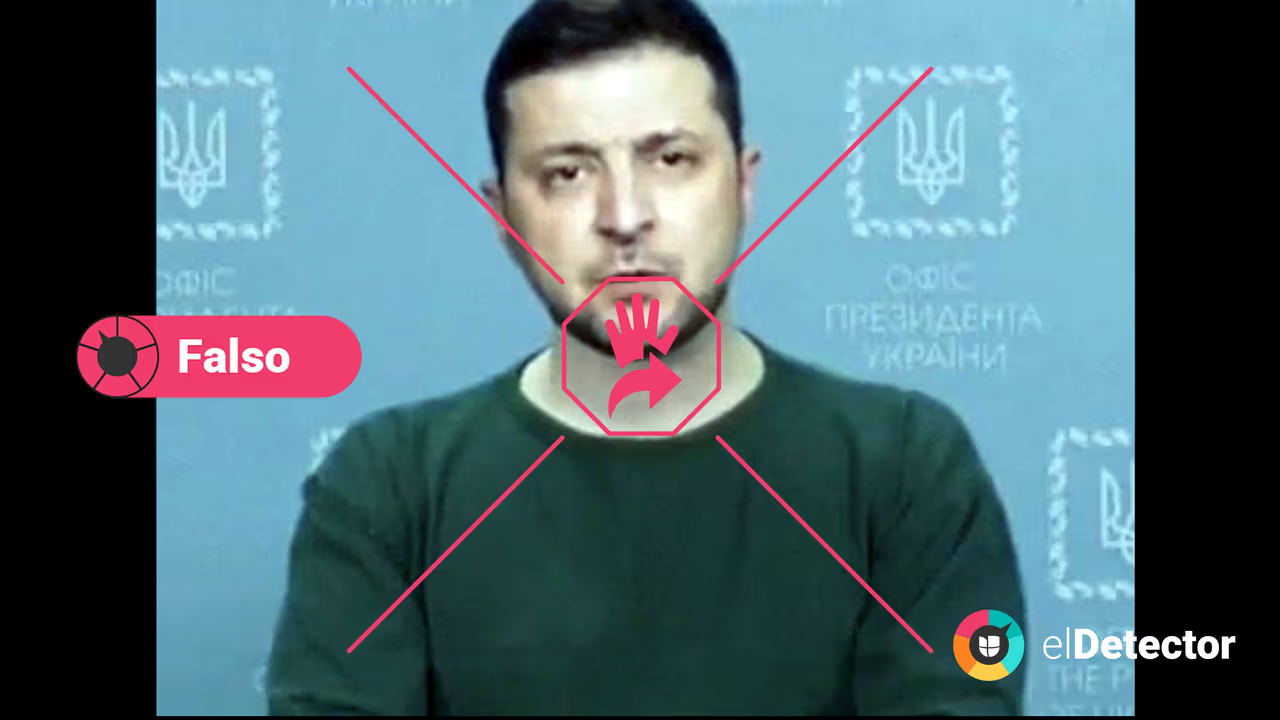
¿El presidente Volodymyr Zelensky llamó a los ucranianos a dejar las armas y se despidió de su población?
Publisher’s rating: Falso
La foto del presidente Volodymyr Zelensky en traje de campaña no corresponde a la invasión de Rusia a Ucrania
Publisher’s rating: Fuera de contexto
La imagen de una mujer con una metralleta de madera retrata un entrenamiento militar a civiles en Ucrania
Publisher’s rating: Auténtico
El video de una mujer que muestra cómo arrancar un tanque no tiene relación con la invasión de Rusia a Ucrania
Publisher’s rating: Fuera de contexto
The review examined a viral Twitter video presented as showing a Ukrainian woman teaching viewers how to drive abandoned or captured Russian military vehicles. It says the clip was originally posted on TikTok in February 2021—before Russia’s invasion of Ukraine—and that it does not mention the conflict between the two countries. Those details directly address the implication that the video documented or was made in connection with the invasion: the review describes it as older material recirculated with a misleading framing. The review also reports that the creator identifies as Russian on her social-media accounts, contrary to the viral post’s presentation of her as Ukrainian. Taken together, the stated original posting date, the absence of any reference to the conflict, and the creator’s self-identification support the review’s conclusion that the video was shared without relevant context. The excerpt does not include further details about how the original TikTok was located or independently verified, so no additional checking method can be established from the supplied text.
Un tanque aplastó un vehículo, con una persona dentro, en Ucrania
Publisher’s rating: Auténtico
Dieses Video zeigt ein inszeniertes Propagandavideo aus der Ukraine.
Publisher’s rating: Der Clip entstand am Rand des Drehs eines Musikvideos. Das Video eines russischen Rappers erschien bereits im September 2020. Es hat keinerlei Bezug zur Situation in der Ukraine.
The claim concerns a video circulated during Russia’s invasion of Ukraine as supposed evidence of an “Ukrainian fake film factory.” The footage shows a truck carrying plastic-wrapped bodies; when the camera zooms in, one person’s head is visible and the person appears to be smoking. The review identifies the clip as footage from the making of a music video, rather than a video documenting events in Ukraine. (Source: S1.) To trace the clip, the review reports finding it on TikTok on the account of Vasiliy Ivanov, the production designer involved in the music video. The Russian-language description labels the footage as a video shoot, and mentions a rapper, Husky and behind-the-scenes material; the review says the post makes no connection to Ukraine. (Source: S1.) The review identifies Husky as a Russian rapper and says he released a music video in September 2020 that includes the truck. It reports that the agency checked the song lyrics and verified that the truck appears in the video. Together, the reported production footage, account description and earlier release establish the clip’s music-video context and do not support presenting it as footage of the situation in Ukraine. (Source: S1.)
Canadese elite sluipschutter Wali werd gedood door Russische troepen na 20 min aan de Oekraïense frontlinie.
Publisher’s rating: De Canadese Wali is levend en wel. Hij is momenteel in de regio van Kiev, niet Marioepol. Dat bevestigde hij zelf op zijn sociale media en in twee interviews met Canadese media. Tenslotte heeft hij dat wereldrecord niet op zijn naam staan.
The claim combines two assertions: that Wali was killed by Russian troops after only 20 minutes at the front in Mariupol, and that he held the record for the longest confirmed sniper kill. The review examined the death report and Wali’s location, as well as the record attribution. It reports that Wali was alive in the Kyiv region, not Mariupol, and that he did not hold the cited record. [S1: “Geruchten dat Wali zou gedood zijn aan het front begonnen midden maart te circuleren.”; “Hij zei ook dat hij zich in de regio van Kiev bevindt.”] The review says Wali confirmed on his own Facebook page on March 14 and March 22 that he was alive. It also reports that he spoke in interviews with Canadian media, joking, “I was the last person to hear that I was dead.” The review therefore presents direct statements from Wali, alongside his reported social-media posts, as evidence against the death claim. [S1: “Op zijn eigen Facebookpagina bevestigde hij zowel op 14 maart als op 22 maart dat hij levend en wel is.”; “Wali stond ook meerdere Canadese media te woord in interviews om te bevestigen dat hij het goed stelt. ‘Ik was de laatste persoon om te horen dat ik dood was’, grapte hij.”] The claimed record was also misattributed. The review says a different Canadian military sniper, from Joint Task Force 2, killed an ISIS militant in Iraq in 2017 with a shot from 3.45 kilometres. It distinguishes that sniper from Wali, who had served in the Royal 22e Régiment. The review attributes the account of Wali’s unit to both Wali and the Norman Brigade, his volunteer unit in Ukraine. [S1: “In 2017 schoot een sluipschutter van de Canadese elite-eenheid Joint Task Force 2(JTF2) vanop 3,45 kilometer een militant van ISIS dood in Irak.”; “Wali daarentegen behoorde tijdens zijn militaire dienst tot het Royal 22e Régiment, ook wel de ‘Van Doos’ genoemd.”]
यूक्रेन से युद्ध में मारे गए रूसी सैनिकों के लिए खोदी जा रहीं बड़ी संख्या में कब्रें
Publisher’s rating: FALSE

ំមូលហេតុពីក្រោយនៃការផ្ទុះសង្គ្រាមនៅអ៊ុយក្រែន
Publisher’s rating: Altered
The review investigates a viral image of Ukrainian President Volodymyr Zelenskyy making a V sign above Russian President Vladimir Putin. Social media posts presented the image as “the real reason for the war” in Ukraine. The image’s implication is the focus of the fact-check; the review does not establish a broader cause of the war.
রাশিয়া বানান ইউক্রেনের যুদ্ধ প্লিজ সবাই শেয়ার করেন
Publisher’s rating: False
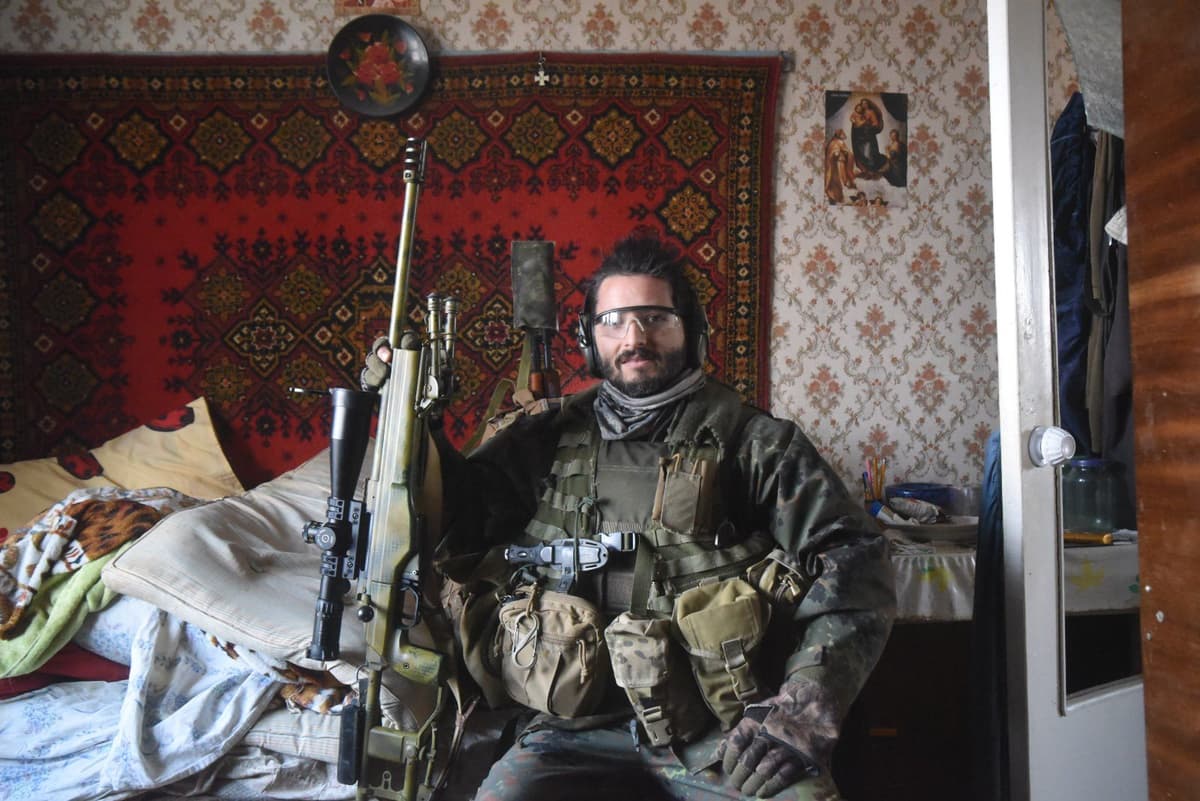
القناص الكندي Wali الذي سافر إلى أوكرانيا للمشاركة في صد الغزو الروسي قتل بعد 20 دقيقة فقط من دخوله المعركة
Publisher’s rating: كذب

La desactivación con agua de una bomba que cayó sobre Ucrania fue una “actuación”
Publisher’s rating: Falso
Das Video zeigt, wie ein russischer Soldat 1999 in Tschetschenien Zivilisten tötet.
Publisher’s rating: Das Video stammt aus dem 2014 erschienen Spielfilm «Die Suche». Die Szene wird schon seit Jahren in falschem Kontext verbreitet.
The claim concerned a social-media post presenting a video as archival footage from Chechnya in 1999 and saying it showed a Russian soldier shooting civilians. The investigation identifies the video as a scene from the 2014 feature film «Die Suche», which is set during the Second Chechen War in 1999. The review says that the scene from the post appears in a YouTube video of the film from minute 4:02. Thus, the setting depicted in the film is not evidence that the recording itself is an authentic 1999 archive.

Putin bombardeia a vila de Joe Biden na Ucrânia junto com Biolabs e anéis de pedofilia!
Publisher’s rating: Falso

Visuals comparing the situation in Kashmir, before and after 2014
Publisher’s rating: FALSE
কিয়েভ শহরে নতুন কৌশলে আক্রমন শুরু করছে রুশ সেনারা
Publisher’s rating: False
রাশিয়া আকাশ পথে আক্রমন করল ইউক্রেনকে। ইউক্রেনের মুসলমানদের সবাইকে হেফাজত করো
Publisher’s rating: False

ಮಾಜಿ ಮಿಸ್ ಉಕ್ರೇನ್ ಅನಸ್ತಾಸಿಯಾ ಲೆನ್ನಾ ರಷ್ಯಾದ ಸೈನ್ಯದ ವಿರುದ್ಧ ತನ್ನ ದೇಶವನ್ನು ರಕ್ಷಿಸಲು ಸೈನ್ಯಕ್ಕೆ ಸೇರಿದರು.
Publisher’s rating: MISLEADING