PeakMetrics / Fact Checks
War & conflict fact checks
Explore claims publishers have checked about war & conflict. Read their original ratings and follow the evidence.
Search fact checks
Search by text or image5,840 published reviews in this topic
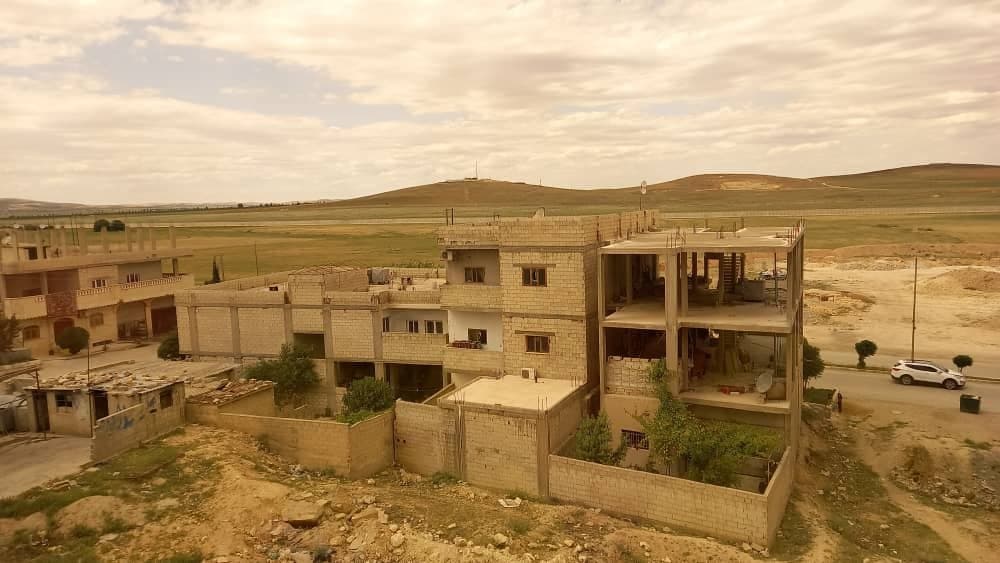
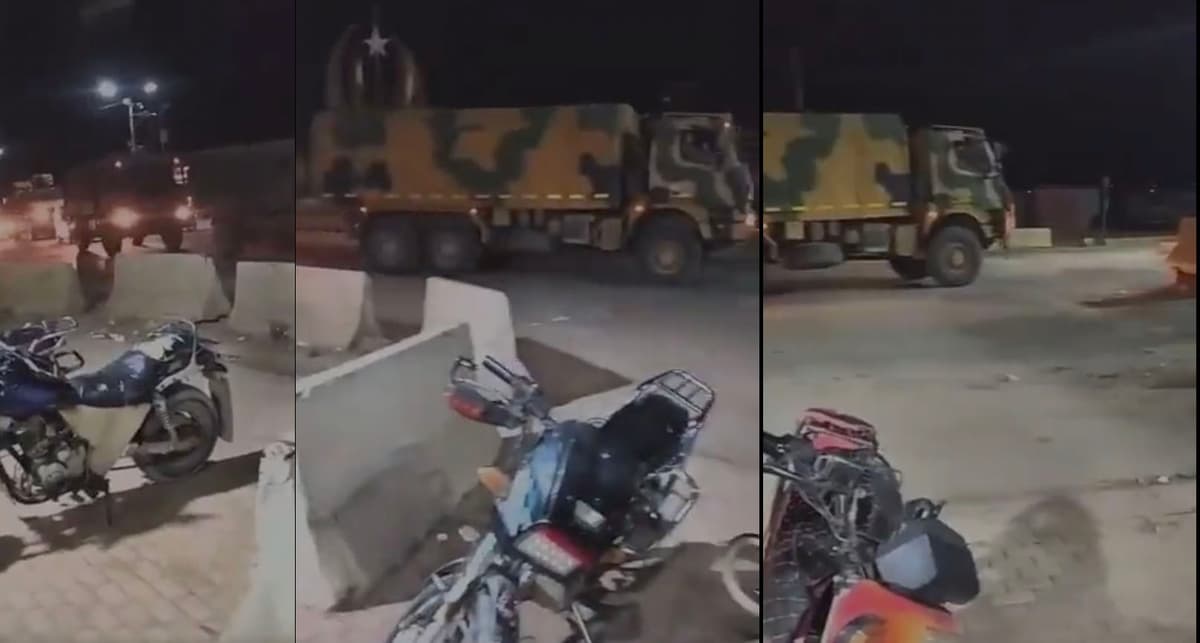
فيديو يظهر دخول رتل عسكري للجيش التركي من معبر السلامة بريف حلب الى الداخل السوري.
Publisher’s rating: تضليل
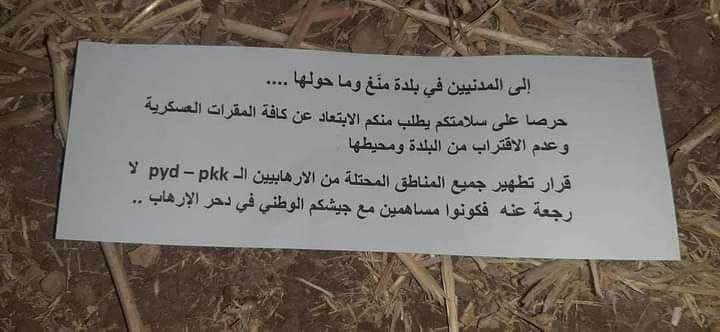
منشورات ورقية تلقيها الطائرات التركية على بلدة منغ شمالي حلب
Publisher’s rating: تضليل

Mughal emperor Aurangzeb fought the Chinese and took control of Kailash Manasarovar
Publisher’s rating: FALSE
FACTLY examined a social-media claim that Mughal emperor Aurangzeb fought China and took control of Kailash Manasarovar. It concluded that the review found no evidence for such a campaign. The article describes Aurangzeb’s campaigns against the Ahoms in the northeast, Yusufzai and Sikhs in the northwest, and Marathas in the Deccan; it also notes his annexation of Bijapur in 1685 and Golconda in 1687. It says none of the listed campaigns was against China. The review says it checked an NCERT list of Aurangzeb’s military campaigns, which did not mention China. It also recounts that historians consulted by the Times of India said Aurangzeb had never mounted a military campaign against China or Tibet. FACTLY’s conclusion is that the claim of a war to take control of Kailash Manasarovar is unsupported. The post’s framing also misstates the location, according to the review: it says Kailash Manasarovar is in Tibet, not China. The review therefore challenges both the alleged campaign and the claim that the site was Chinese territory.

Das Foto zeigt Autos in Butscha, die durch Bomben umgeworfen wurden.
Publisher’s rating: Das Foto stammt aus Butscha. Anwohner berichten davon, dass russische Soldaten die Autos umwarfen, um dahinter ihre Ausrüstung zu verstecken. Es lassen sich keine Medienberichte finden, in denen das Bild mit Bombenangriffen in Verbindung gebracht wird.
The claim concerns a photo of overturned cars in Bucha, Ukraine, and presents the scene as evidence of a bombing. The investigation identifies the image as a photograph made by AP photographer Rodrigo Abd on April 4, 2022. Its AP caption describes a Ukrainian soldier walking with children past damaged cars in Bucha, but does not mention bombs. The fact-check also compared the image with Google Maps and Google Street View, which supported Bucha as the location. To check whether the photograph had been associated with bombing elsewhere, the investigators conducted a reverse-image search. They found many publications of the photo, but no media reports linking it to bomb attacks; the reference to “mysterious bombs,” they report, appeared only in the Facebook post making the claim. This distinction matters: the image’s location is supported, but the claim that it documents bomb damage is not established by its original caption or the reporting the search found. The review also investigated how the cars might have been overturned. A military expert said a blast could theoretically have enough remaining force to topple a car, so the investigation did not rule that out as physically possible. However, it reported that a Bucha resident told the Greek fact-checking site Ellinikahoaxes that Russian soldiers had tipped the cars over to conceal their equipment behind them. The review notes that Reuters photographs showed armored vehicles nearby and that one image included a Mercedes SUV before it was overturned. This account offers a supported alternative explanation, but the excerpt presents it as the resident’s report rather than as a directly witnessed or independently conclusive finding.
ഇസ്രയേല് പട്ടാളം പാലസ്തീന് ചെറുപ്പക്കാരെ കൂട്ടക്കൊല ചെയ്യുന്ന ദൃശ്യങ്ങൾ
Publisher’s rating: FALSE

Rusia encontró en el subsuelo de la acería tomada en Mariupol “una base de la OTAN”
Publisher’s rating: Falso
Rusia capturó a tres altos mandos militares de Estados Unidos, Gran Bretaña y Canadá tras tomar la acería de Azovstal, en Ucrania
Publisher’s rating: No hay evidencias

මැයි 18, ගාලු මුවදොර පිටියේදී සමරුවේ මියගිය කොටි සාමාජිකයින් ද ?
Publisher’s rating: Explainer
Deze video toont Oekraïense crisisacteurs.
Publisher’s rating: De video toont geen crisisacteurs in Oekraïne. Het toont mensen die zich klaarmaken om te protesteren voor het Russische consulaat in Reykjavik tegen de gewelddaden van het Russische leger in Oekraïne. Hierover is veel berichtgeving in Ijslandse media te vinden. Uit niets blijkt dat deze mensen van plan zijn zich voor te doen als echte oorlogsslachtoffers.
The claim identifies people in a video as Ukrainian crisis actors—people supposedly preparing to impersonate victims of the war. The investigation says the footage instead shows people preparing for a protest outside the Russian consulate in Reykjavik, directed against Russian military violence in Ukraine. It reports that the people wore white clothes, had red paint on them, and received instructions, but says the footage did not show them preparing to deceive viewers about being victims of Russian aggression. [S1: “De beelden tonen mensen in witte kleren, zonder broek en beklad met rode verf. De mensen zien er eerder vrolijk uit en krijgen nog wat instructies mee. Maar ze staan helemaal niet klaar om de wereld te doen geloven dat ze het slachtoffer van Russische agressie zijn. Wel staan ze klaar om tegen die agressie te protesteren.”] To check the setting, the investigation describes using a reverse-image search on a frame from the video. It says this led to a Russian article about an anti-Russian action in Reykjavik on 9 May, and that searches then found Icelandic articles confirming a protest at the Russian embassy. It also compared people and a vehicle visible in the video with photographs, and identified a church in the footage as being in Reykjavik, near the Russian consulate. [S1: “Via een Reverse Image search op een beeld uit de video, is dit Russische artikel te vinden. Het zou gaan om een anti-Russiche actie in Reykjavik op 9 mei. Met deze zoektermen zijn meteen verschillende Ijslandse artikels over het protest te vinden, die bevestigen dat het wel degelijk om een protestactie in Reykjavik aan de Russische ambassade ging.”] The reported purpose and timing further explain why the footage could be misrepresented as preparation for a staged scene. The review says Icelandic outlet Frettabladid reported that organizers planned a “bloody” protest to draw attention to rapes and other violence committed by the Russian military in Ukraine. It says the action was held symbolically on 9 May, the day Russia celebrates victory over Nazi Germany. The source’s account therefore identifies the apparent preparation as part of a protest, not an attempt to impersonate war victims. [S1: “Volgense de nieuwssite Frettabladid wilde de organisatoren een bloedig protest organiseren om de aandacht te vestigen op de verkrachtingen en andere gewelddaden begaan door het Russische leger in Oekraïne. Deze actie werd symbolisch op 9 mei gehouden, de dag waarop Rusland de overwinning op nazi-Duitsland viert.”]
Finland verbreekt het vredesakkoord uit 1948 en verklaart Rusland de oorlog met toetreding tot de NAVO.
Publisher’s rating: De overeenkomst uit 1948 was niet afgesloten met Rusland, niet levenslang en geen vredesakkoord. Het is dan ook onzin te stellen dat Finland dit akkoord (dat al in 1992 eindigde) nu verbreekt en Rusland de oorlog verklaart door toe te treden tot de NAVO.
The review investigates a Facebook user’s assertion that Finland’s planned NATO accession would effectively terminate a 1948 peace agreement with Russia and therefore constitute a declaration of war. It distinguishes the agreement’s actual parties and purpose from the way the post described them: Finland concluded the Agreement of Friendship, Cooperation and Mutual Assistance with the Soviet Union, not with Russia, and the review says it was neither a peace treaty nor an agreement without an end date. The review notes that the Soviet Union then included countries that are now NATO members. The agreement was already ended in 1992, following the Soviet Union’s dissolution, so the review says Finland’s later NATO accession could not terminate it. Finland and Russia instead concluded a new agreement in 1992, which gave Finland greater military freedom and latitude to set its foreign policy. The review also notes that Finland joined the European Union in 1995. On the question of whether the 1948 agreement was a peace treaty, the review explains that Finland and the Soviet Union were not at war when they signed it: Finland had signed a formal peace treaty with the Allied powers in 1947. It acknowledges that NATO membership marked a break with more than half a century of Finnish foreign policy, but concludes that describing accession as a declaration of war is an overstatement. The supplied review excerpt does not describe interviews or other independent checking procedures; it sets out its account by referring to the agreement’s history and to other sources, including a Wikipedia page and what it calls more reliable sources.
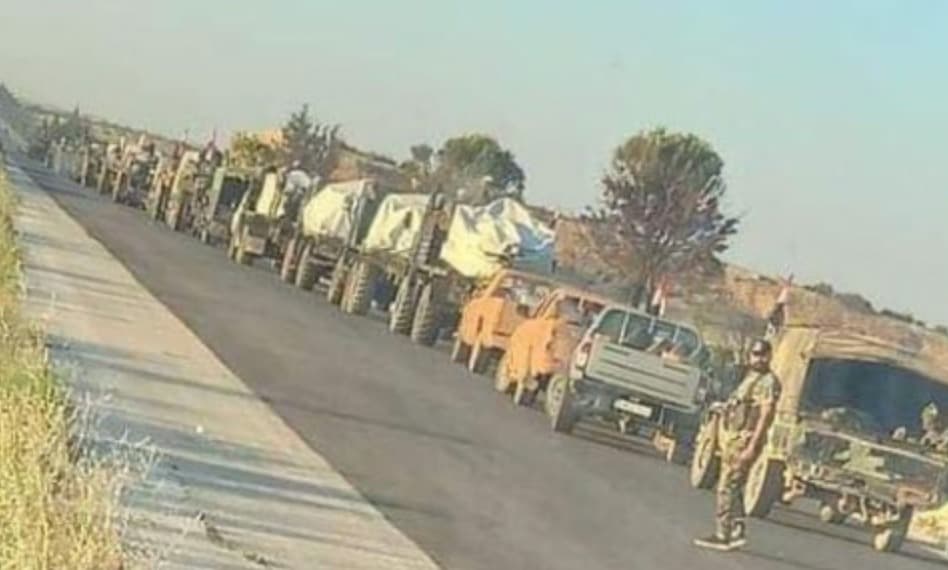

Photo of armour guards worn by Islamic jihadis before blowing themselves up to protect their penises
Publisher’s rating: FALSE
The claim concerns a photo of wearable objects said to be armour guards worn by Islamic jihadis before suicide attacks, supposedly to protect their penises. FACTLY says it examined the objects shown in that photo and identifies them instead as 19th-century male anti-masturbation devices. Its conclusion directly contradicts the claimed identification and use of the pictured objects. The review describes cropping the photo and using Google Reverse Image Search. It reports that this led to a Shutterstock listing describing the first object as a “19th-century anti-masturbation device.” FACTLY also says it found the other two objects on separate websites with similar descriptions, and summarizes the pictured objects as 19th-century male anti-masturbation devices. The excerpt does not identify those other websites or provide further details about the objects, so it supports the identification reported by the review but not a fuller account of their provenance.

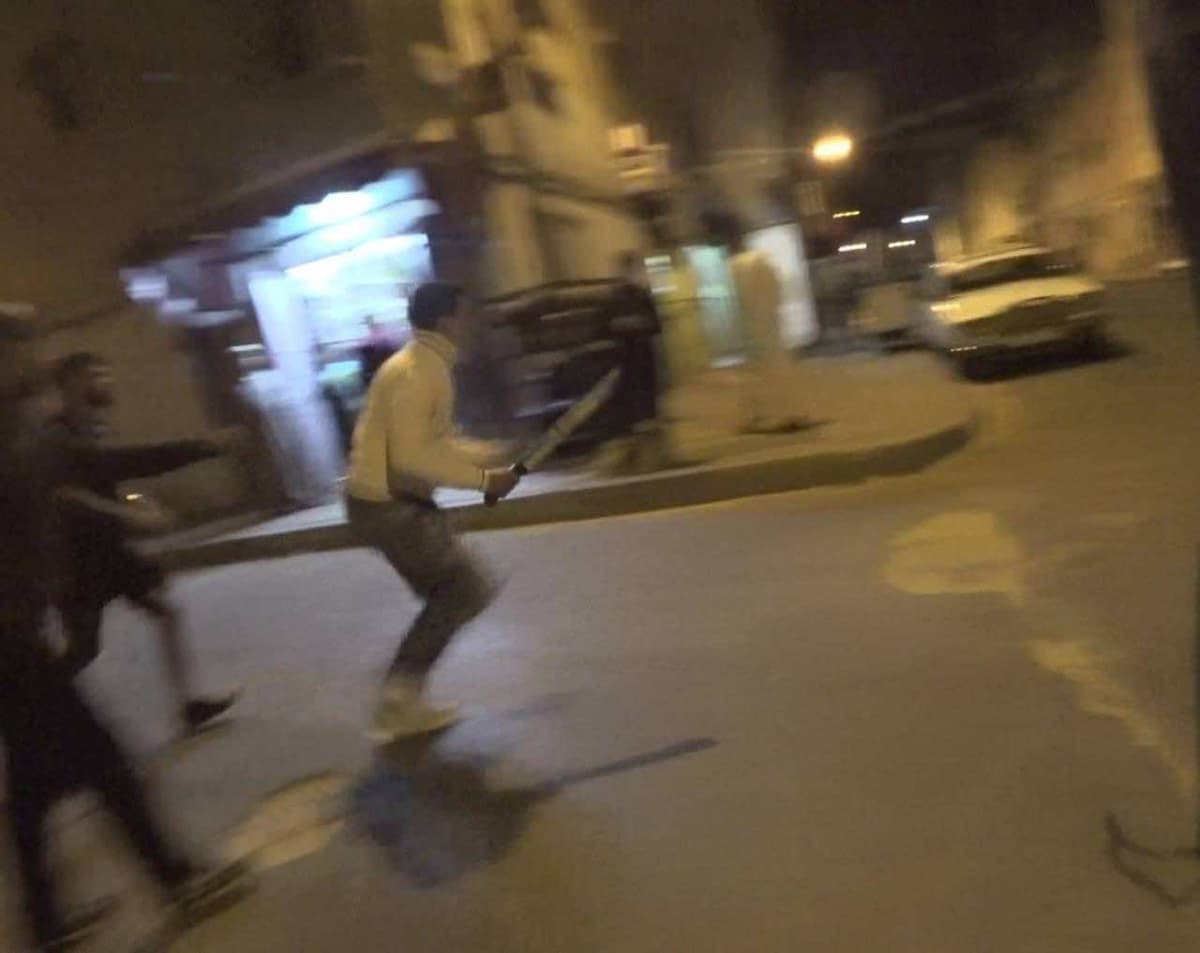
اشتباكات بالسيوف في شوارع قامشلو مخلفة 3 جرحى أحدهم بحالة خطيرة
Publisher’s rating: كذب

Photos show CPP-NPA army at University of the Philippines
Publisher’s rating: MISLEADING
നൈജീരിയയില് ബോകോ ഹറാമിന്റെ സ്ത്രികളോടുള്ള ക്രൂരതയുടെ ദൃശ്യങ്ങള്
Publisher’s rating: FALSE

Sri Lankan Army Soldiers Harassing Anti-Government Protestors? (PHOTO)
Publisher’s rating: Misleading
The review examines a social-media photo presented as showing Sri Lankan Army soldiers attacking civilians or harassing anti-government protesters during the unrest in 2022. It notes that the image circulated amid protests calling for President Gotabaya Rajapaksa and the government to step down, and after violence on May 9 prompted the deployment of police and the army. The review says the photo actually shows a clash involving members of the Sri Lankan Police Special Task Force (STF), not an army attack on protesters in that recent unrest. To check the image’s date and origin, the review reports using a Google reverse-image search, which led it to the original photograph. It identifies the image as taken by AFP photographer Ishara Kodikara on January 7, 2017, in Hambantota. The pictured confrontation belonged to protests by local residents, monks and other groups against a proposed industrial zone for Chinese investment—not the 2022 anti-government demonstrations. The review distinguishes this older photograph from actual 2022 clashes: it mentions separate video reports of STF confrontations near the Parliament entrance on May 6 and clashes at Galle Face on May 9. Those events provide context for the photo’s misleading presentation, but they do not change the provenance of the image under review.
Das Video zeigt, wie Finnland zahlreiches Kriegsgerät an die Grenze zu Russland verlegt.
Publisher’s rating: Die Panzer, die im Video zu sehen sind, werden für eine militärische Übung in den Westen Finnlands verlegt. Sie entfernen sich also von der russischen Grenze. Das Manöver war schon lange vor der Invasion Russlands in die Ukraine geplant.
The claim concerns a video circulated on Facebook in May 2022, presented as showing Finland moving substantial military equipment toward its border with Russia. The investigation identifies the vehicles in the footage as Finnish tanks being transported within the country for a pre-announced military exercise, rather than as a response to current events or a movement toward Russia. It says Finland’s Armoured Brigade was leading the eleven-day “Arrow 22” exercise. The review locates the video in Tampere and the exercise in Niinisalo, in western Finland. It reports that Tampere is about 70 kilometres southeast of Niinisalo, while Finland’s border with Russia lies to the east, more than 300 kilometres away. The investigation also says that surrounding features visible in the footage—including high-rise buildings, a railway bridge and a chimney—were recognizable on Google Maps and indicated that the train was travelling west. The timing and purpose are supported by material described in the review: the exercise appeared in a Finnish Ministry of Defence document archived online in December 2021, weeks before Russia’s invasion of Ukraine. The ministry also explicitly connected the tank transport with the exercise and rejected claims that it represented troop movements toward the border. Together, the destination, direction of travel and advance planning contradict the video’s stated interpretation.