PeakMetrics / Fact Checks
War & conflict fact checks
Explore claims publishers have checked about war & conflict. Read their original ratings and follow the evidence.
Search fact checks
Search by text or image5,834 published reviews in this topic
تیشرت سربازان اسرائیلی با طرح شلیک به زنان باردار فلسطینی
Publisher’s rating: گمراهکننده
The first claim: A video clip documents a woman from Gaza collaborating with a photographer to portray herself as a victim. The second claim: Elements of Hamas are breaking a church. The third claim: American-Palestinian supermodel Bella Hadid declares her support for Israel and condemns the events of October 7th.
Publisher’s rating: The result of first claim: The video actually features nurse Ghada Abu Eid, who works at the Indonesian Hospital. She was caught by surprise when she went down to the reception area after the Jabaliya massacre and found her daughter injured due to Israeli shelling. The result of second claim: The video is old, dating back to June 5, 2017, and documents an attack by members of the Islamic State organization “ISIS” on a church in the Philippines. It has no connection to Hamas, as is being circulated. The result of third claim: The circulated video has been manipulated using artificial intelligence techniques and is not real. It was taken from an awareness event organized by the “Global Lyme Alliance” and was published on their YouTube channel on December 12, 2016. Bella Hadid participated in the event but did not mention Israel in her speech.

Claim: 2019 dated video shared as israeli army hesitates to enter gaza in the fear of hamas
Publisher’s rating: ஃபேக்ட் கிரஸண்டோ ரேட்டிங்: FALSE
الشهيد الثالث في عملية الاغتيال في طولكرم، محمد عدنان عبد الله صالح (صباريني) الدعبل.
Publisher’s rating: خاطئ، الشاب محمد صالح (صباريني) بخير، ولم يكن مع الشبان الثلاثة وقت تنقيذ عملية الاغتيال في طولكرم، أما الشهيد الثالث فهو قاسم رجب.

A recent video showing the buildings demolished by Israeli forces in Palestine
Publisher’s rating: FALSE
ইজৰাইলৰ বিৰুদ্ধে য়েমেনে আনুষ্ঠানিকভাৱে যুদ্ধ ঘোষণা কৰিছে ।
Publisher’s rating: মিছা

Video shows a Pakistani aircraft on fire after the suicide attacks on the Mianwali airbase in Pakistan on November 4, 2023.
Publisher’s rating: Misleading

The visuals of the video show war scenes in Israel and Palestine
Publisher’s rating: MISLEADING
The claim concerned a video shared as showing war scenes in Israel and Palestine. FACTLY’s review concluded that the video’s visuals instead depict Russian and Ukrainian troops, so they do not establish the claimed setting. Its investigation examined multiple visuals from the video rather than relying only on the post’s description: the review reports finding images published in news articles that identified them as showing Russian and Ukrainian forces. The review says it used reverse image searches on keyframes from the video. It reports finding a post that called the footage unrelated to the Israel–Palestine conflict and pointed to a “Z” marking on a rocket launcher as an indication of Russian involvement in the invasion of Ukraine. The review also describes matching individual frames to published material: one image appeared in an article captioned “Russian soldier in Ukraine,” while other images were associated with Russian reports about combat operations and fighting in the Kupyansk area. These matches support the review’s conclusion that the visuals were misrepresented as scenes from Israel and Palestine.

Publicações usam imagens de integrantes do MST segurando alimentos ao lado de duas bandeiras, uma do próprio movimento e outra da Palestina. Há uma legenda com os dizeres: “Quem iria desconfiar que o MST está doando alimentos para o Hamas que está sendo transportado pela FAB…”.
Publisher’s rating: Enganoso

ガザ南部の退避地域に空爆は行われていない
Publisher’s rating: 誤り
The review says the claim is contradicted by reports of attacks in southern Gaza and by the Israeli military’s statement that it attacked targets across the Gaza Strip. It cites deaths at a UNRWA school in al-Maghazi on October 17 and reporting of attacks in southern areas, including Khan Younis.
Israeli tanks being destroyed amid the Israel-Hamas conflict.
Publisher’s rating: False
افسر ارتش اسرائیل میگوید کشته و سوزاندهشدن افراد، کار حماس نبوده و کار اسرائیلیها بوده است.
Publisher’s rating: نادرست

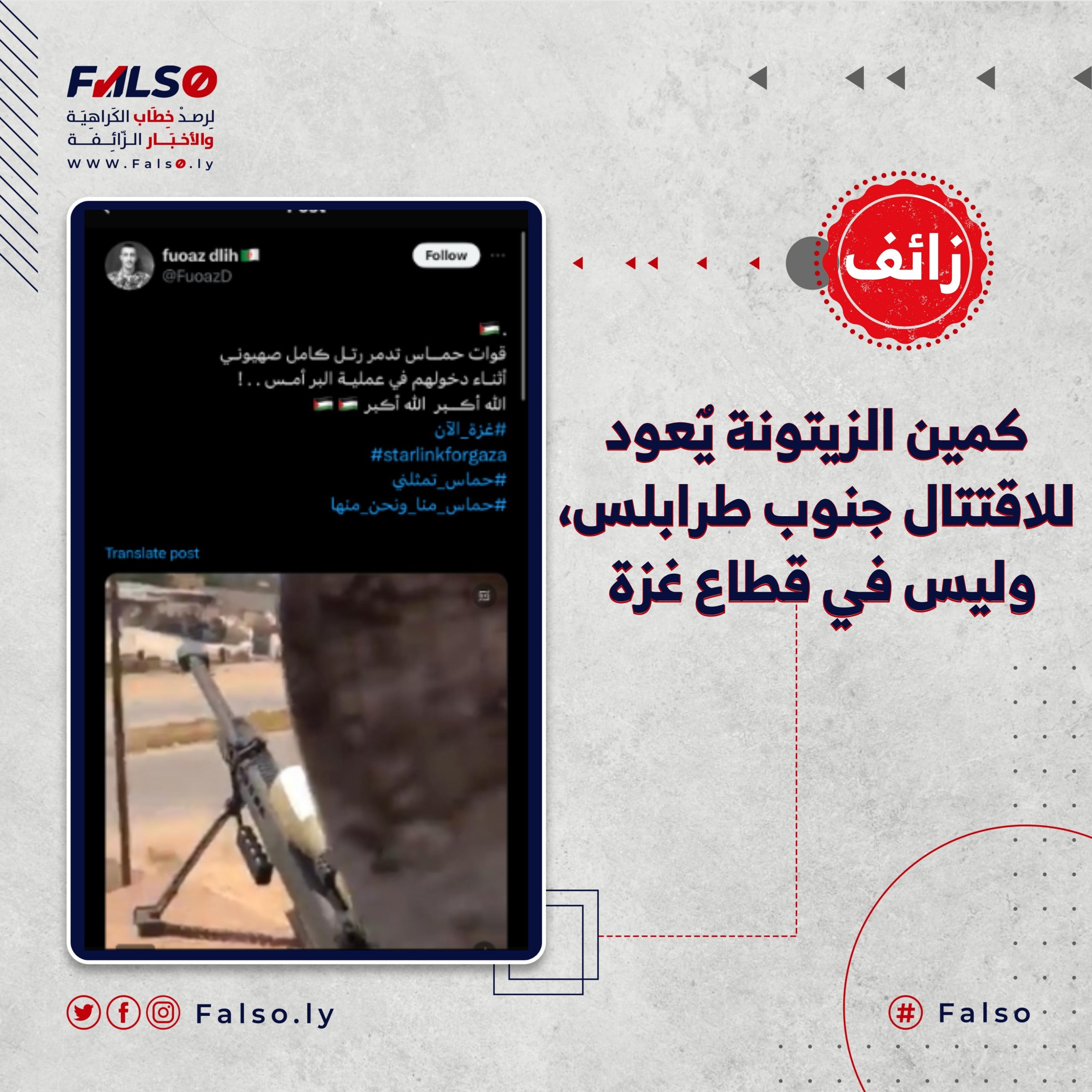
إن قوات المقاومة الفلسطينية في قطاع غزة وهي تقوم بتدمير رتل كامل لقوات الإحتلال الإسرائيلي
Publisher’s rating: زائف

L'homme dans ces vidéos est un acteur participant à la propagande du Hamas.
Publisher’s rating: Les vidéos ne montrent pas toutes le même homme. La personne dans le lit d'hôpital est un adolescent qui aurait perdu une jambe dans des combats en Cisjordanie en août 2023. Les autres vidéos proviennent d'un influenceur produisant des vidéos à vocation de reportages dans la bande de Gaza.
The accusation treats the person in several circulating videos as one actor staging suffering for Hamas propaganda. The review examined the videos described in the posts and found that they show at least two different people: the person in the hospital bed is an adolescent, while the subjects of the other three videos are a different man. That distinction undermines the accusation as applied to all the videos. The hospital video was posted on TikTok in August 2023, and the review says it was not directly connected to the attacks in Gaza that began on October 7. The investigators followed the video’s hashtags, which referred to a Palestinian refugee camp in the West Bank, and located an article on a pro-Palestinian organization’s blog about a 16-year-old boy who had undergone a leg amputation after clashes with Israeli forces. The article’s photograph showed the same adolescent as the hospital video. The review therefore identifies the hospital subject as a real injured teenager, not the other man seen in the remaining clips. The other three clips led to the same Instagram account. Its owner described himself as a video creator and YouTuber who reported from Gaza. The review identifies him as an influencer, but the supplied account does not establish that he was acting in the clips or participating in Hamas propaganda. It also cautions that the authenticity of most videos on his account could not be verified. The evidence thus distinguishes the hospital patient from the influencer and does not substantiate the broad claim that the people shown were actors staging the scenes.

ජාත්යන්තර අනුකම්පාව ලබාගැනීමට, හමාස් සංවිධානය විසින් ව්යාජ මළ සිරුරු ප්රදර්ශනය කරන අවස්ථාවක් ද?
Publisher’s rating: False
The claim concerns a video shared during the Israel–Hamas war as evidence that Hamas had staged fake bodies to attract international sympathy. The investigation says the footage showed people lying on the ground and moving, and that posts used those details to argue the bodies were fake. It traces the clip to a different setting: a protest at Egypt’s al-Azhar University in 2013, rather than a Hamas production during the current conflict. (S1: “මෙම වීඩියෝව බොහෝ දෙනා හුවමාරු කරගෙන තිබූ අතර, ඊශ්රායලයට චෝදනා කිරීම සඳහා හමාස් සංවිධානය විසින් මේ ආකාරයේ මළසිරුරු මහමඟ වැතිර ඇති ආකාරයට ව්යාජ රූගත කිරීමක් සිදුකළ බවට කිහිප දෙනක්ම අදහස් දක්වා තිබෙනවා.”; “වසර 10ක් පැරණි මෙම වීඩියෝවෙන් දැක්වෙන්නේ 2013 වසරේ ඔක්තෝබර් මස ඊජිප්තුවේ අල්-අසාර් විශ්ව විද්යාලයේ මුස්ලිම් සහෝදරත්වයේ සිසුන් විසින් සිදුකළ විරෝධතාවයක් අතරතුර දී සිදුකළ මළ සිරුරු නිරුපණය කිරීමේ අවස්ථාවකි.”) To check the footage, the publisher reports separating it into frames with InVid-We-Verify and running a reverse-image search. That search led to an earlier upload on the Egyptian outlet Al-Badil’s YouTube channel in October 2013. The article says the Arabic title translates as “depicting corpses inside Al-Azhar University,” and describes the video as showing Muslim Brotherhood students protesting on campus. (S1: “අප මුලින්ම මෙම වීඩියෝව InVid-We-Verify ඔස්සේ රූප රාමුවලට වෙනකොට, ඒ ඔස්සේ Reverse Image සෙවුමක් සඳහා යොමුකළ අතර එහිදී දැක ගන්නට ලැබුණේ මෙහි දැක්වෙන්නේ මීට වසර දශකයකට පමණ පෙර උඩුගත කර තිබු වීඩියෝවක් බවයි.”; “මෙම මුල් වීඩියෝව වීඩියෝව 2013 වසරේ ඔක්තෝබර් මස ඊජිප්තු පුවත් සේවයක් වන جريدة البديل (Al-Badil) YouTube නාලිකාව මගින් පළකර තිබුනේ මෙලෙසින්.”; “වසර දහයකට පෙර පළවූ එම වීඩියෝවට අරාබි බසින් ලබාදී තිබු සිරස්තලහ්යේ ඉංග්රීසි පරිවර්තනය වන්නේ ‘අල්-අසාර් විශ්ව විද්යාලය තුළ මළ සිරුරු නිරුපණය කිරීමක්’ බවයි.”) The article also points to reporting by Reuters and the BBC about clashes between students and police at al-Azhar in October 2013. Its conclusion is that the viral footage was misleadingly presented as a current Hamas staging: the investigation’s provenance points instead to an older Egyptian campus protest. (S1: “මෙම සිදුවීම පිළිබඳව පළව තිබු ජාත්යන්තර මාධ්ය වාර්තා ද අප නිර්ක්ෂණය කල අතර ඊජිප්තුවේ al-Azhar විශ්ව විද්යාලයේ සිසුන් සහ පොලිසිය අතර 2013 ඔක්තෝබර් මස ඇතිවූ ගැටුම්කාරී තත්වය Reuters සහ BBC පුවත් සේවා වාර්තා කර තිබුනේ මෙලෙසින්.”; “අපගේ කරුණු විමර්ෂණයෙන් පෙන්වා දෙන්නේ ඊශ්රායලයට චෝදනා කිරීම සඳහා හමාස් සංවිධානය විසින් මළසිරුරු මහමඟ වැතිර ඇති ආකාරයට ව්යාජ රූගත කිරීමක් කළ බවට හුවමාරු වන්නේ නොමඟ යවන සුළු වීඩියෝවක් බවයි.”)